Frequently Asked Questions
1. What is a Heat treatment mesh belt and what does it do in a furnace?
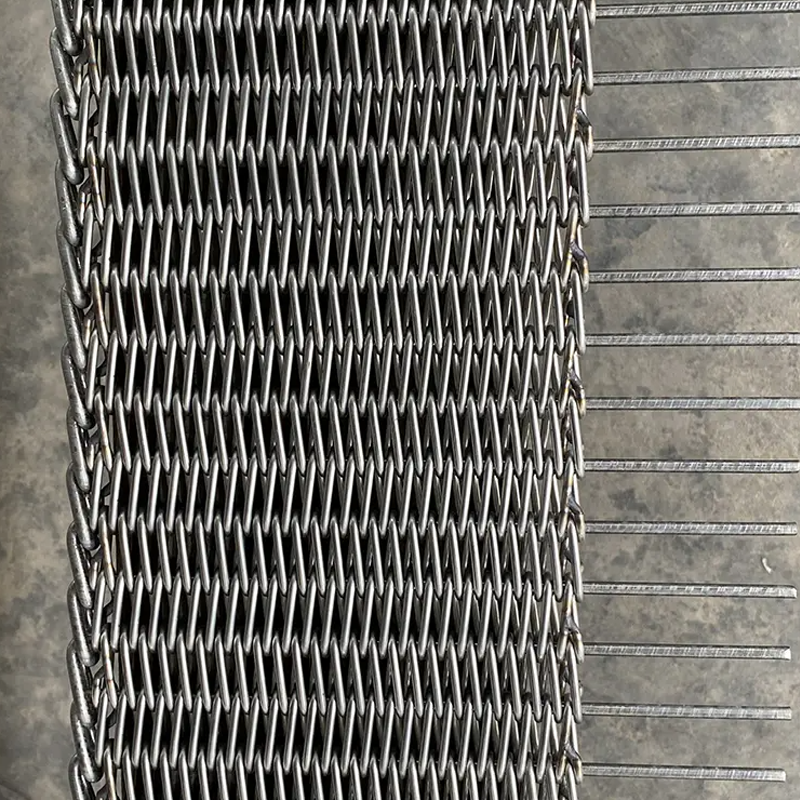
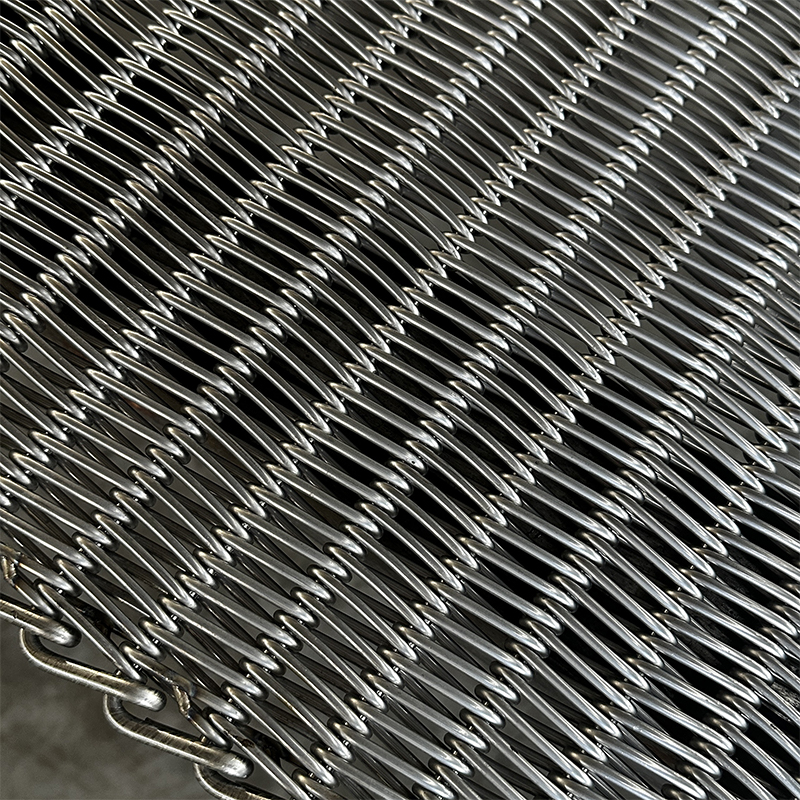
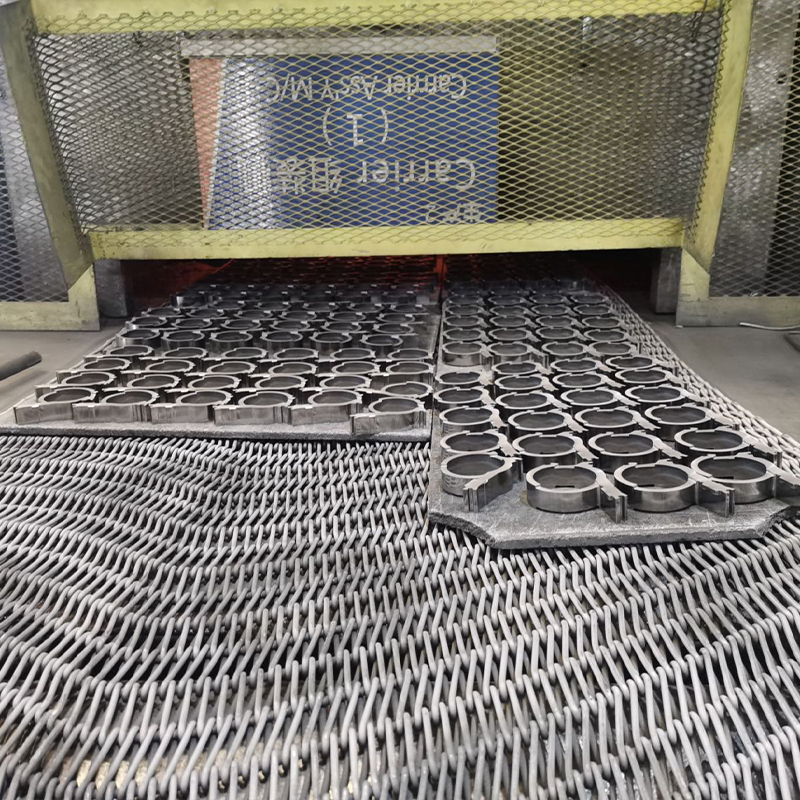
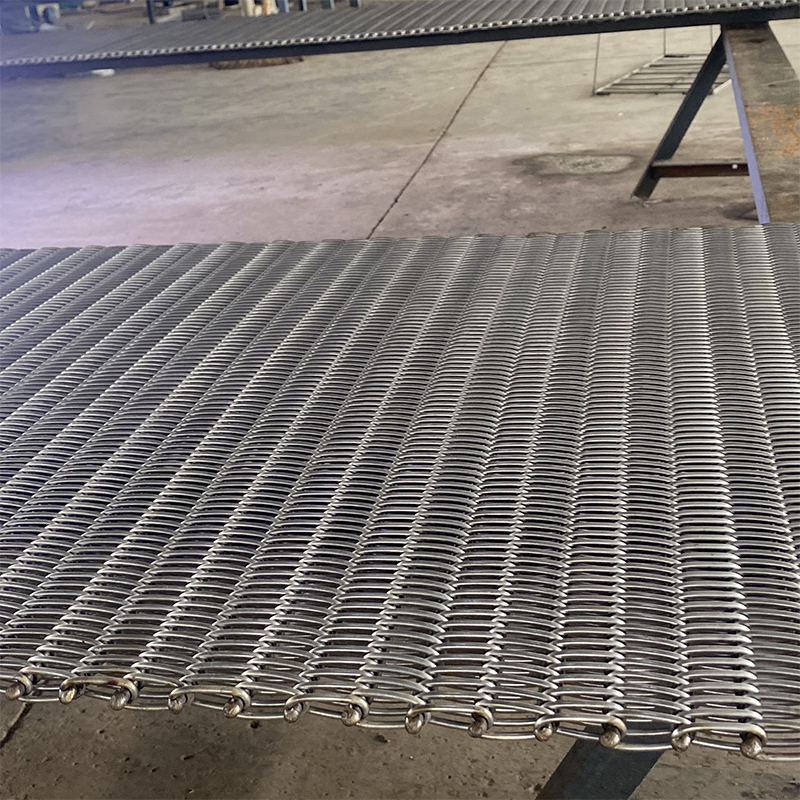
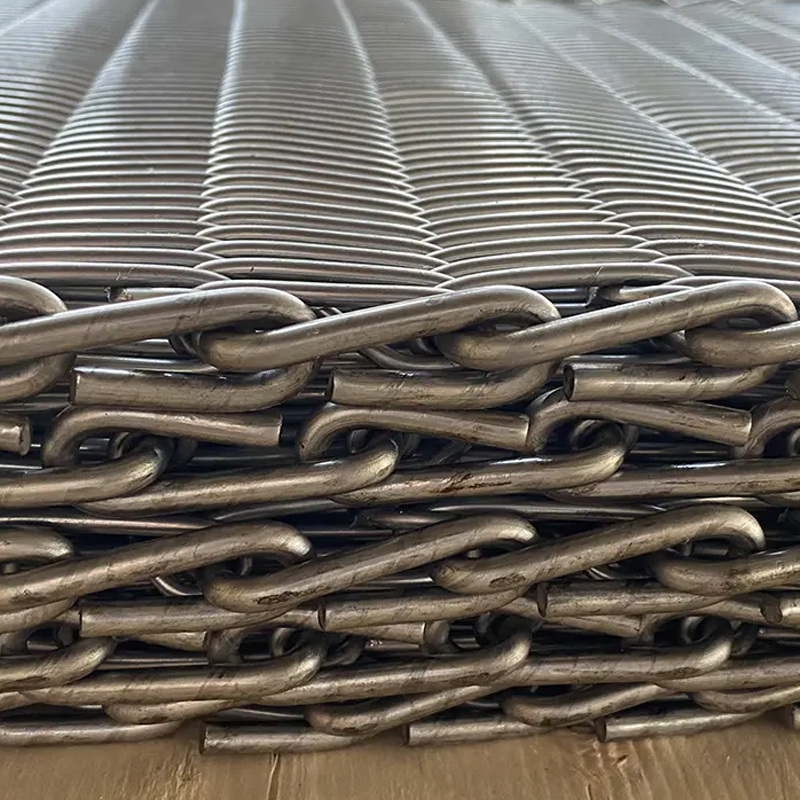
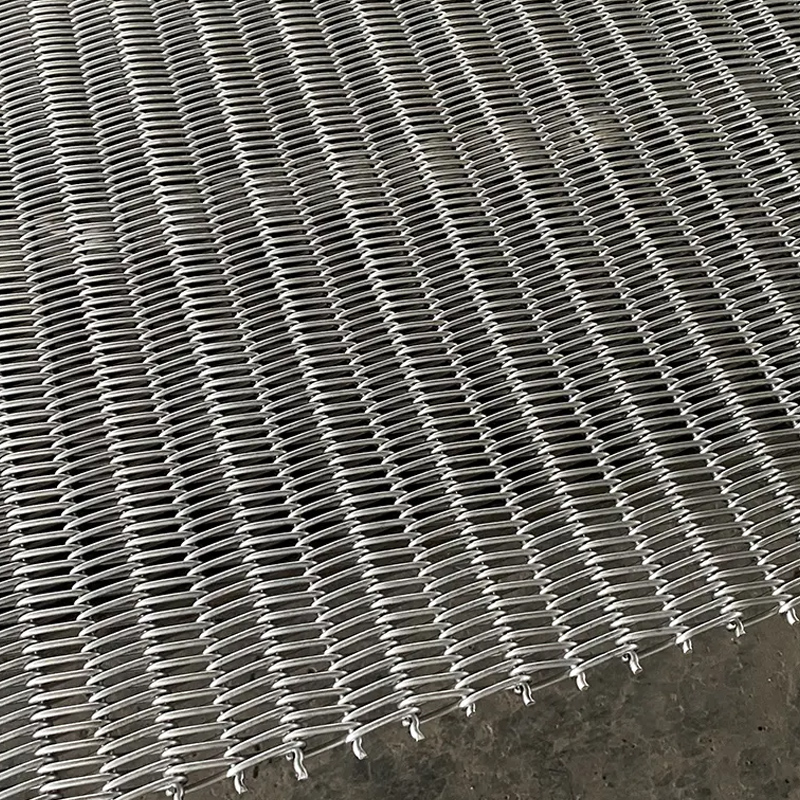
A Heat treatment mesh belt is a continuous loop of interlocked metal wire, woven in a specific pattern and joined at its ends, that runs through a continuous mesh belt furnace to carry parts from the loading end through the heating and processing zones to the unloading end. It functions as both the conveyor and the parts support surface simultaneously, allowing the furnace atmosphere and heat to access parts from all sides through the open mesh structure. It is the mechanical heart of any continuous heat treatment system and must withstand combined thermal, mechanical, and chemical attack continuously for months or years without failure.
2. What alloy is best for a mesh belt furnace belt used in carburizing?
For carburizing furnaces operating at 900°C to 950°C in endothermic atmosphere, RA330 (Alloy 330) is the industry standard recommendation and the most cost-effective alloy for this specific service. Its combination of 35% nickel, 19% chromium, and 1.2% silicon provides outstanding resistance to carbon pickup from the carburizing atmosphere. For carburizing temperatures above 950°C, or in carbonitriding atmospheres, Alloy 600 (Inconel 600) provides superior performance due to its very high nickel content of approximately 76%.
3. How long should a heat resistant mesh belt last in normal service?
Service life varies enormously by application. In a tempering furnace at 500°C to 600°C using 304 stainless steel, belt life of 5 to 10 years is common. In a continuous carburizing furnace at 930°C using RA330, expected life is typically 1 to 3 years depending on part load and atmosphere carbon potential. In a high temperature sintering furnace above 1,050°C using Alloy 601, belt life of 6 to 18 months is typical. Correct alloy selection, proper tension management, and good sprocket and rail condition are the three most impactful variables that determine where in these ranges an actual belt will fall.
4. What is the difference between a balanced weave and a flat flex metal mesh conveyor belt?
A balanced weave belt uses round spiral wire coils locked by straight crossrods, creating a flexible structure with good open area (45% to 55%) and moderate load capacity. A flat flex belt uses flat wire strips formed into interlocking Z or S shapes, creating a flatter, smoother carrying surface with lower open area (30% to 40%) but superior part stability. Balanced weave is the general-purpose standard; flat flex is preferred for flat-based parts, fragile parts, or applications where parts rolling or tipping on the belt surface would cause quality or production problems.
5. Can I use a 304 stainless steel mesh belt in a carburizing furnace?
No, not for sustained operation above 700°C in endothermic or carburizing atmospheres. Grade 304 stainless steel has insufficient nickel content (only 8% to 10%) to resist carbon pickup from carburizing atmospheres at elevated temperatures. The carbon absorbed into the 304 belt wire precipitates as chromium carbides at grain boundaries, depleting the chromium available for oxidation protection and causing rapid intergranular corrosion and embrittlement. A 304 belt placed in a carburizing furnace at 930°C will typically fail within 4 to 12 weeks. The correct minimum alloy for carburizing service above 850°C is RA330.
6. How do I measure my existing furnace for a replacement metal mesh conveyor belt?
Measure the following dimensions from the existing belt or the furnace specifications: belt width (usable carrying surface width in mm), wire diameter of both the spiral wire and the crossrods, pitch (center-to-center crossrod spacing in mm), total belt loop length (in mm or meters, measured along the full loop including both upper and lower runs and both sprocket arcs), and edge construction type (selvage, welded rod, or side plate). Also note the alloy from the belt manufacturer's tag or original purchase records. Provide all six parameters when requesting a quotation to ensure the replacement is dimensionally and metallurgically identical to the original specification.
7. What causes a mesh belt furnace belt to stretch and elongate during service?
Belt elongation during service is caused by creep: the slow, time-dependent plastic deformation of the belt wire under sustained tensile stress at elevated temperature. All metals creep at sufficiently high temperatures, and the creep rate accelerates rapidly as temperature increases. An alloy operating at its rated maximum temperature creeps significantly faster than one operating 50°C below its limit. Excessive belt tension compounds creep by increasing the sustained stress. Keeping the belt at the correct minimum tension necessary for good tracking, and ensuring the belt alloy is correctly specified for the operating temperature, minimizes elongation and extends service life.
8. What is the minimum part size that can be carried on a standard Heat treatment mesh belt?
Minimum part size is determined by the mesh opening size of the specific belt construction. For a standard balanced weave belt with a 12 mm pitch and 1.6 mm wire diameter, the approximate mesh opening is 8 to 10 mm in the direction of travel and 15 to 25 mm across the belt. Parts smaller than the mesh opening will fall through. For small parts such as small bolts, nuts, or stamped washers with diameters under 10 mm, a compound balanced weave with fine pitch (6 to 8 mm opening) or a flat flex belt with small pitch is required to retain the parts safely on the belt surface.
9. How often should I inspect my heat resistant mesh belt?
For a furnace in continuous production, a visual inspection of the belt should be performed weekly during scheduled production pauses or shift changes. This inspection should check for broken crossrods, wire thinning or color changes indicating localized overtemperature, edge unraveling, and belt tracking alignment. A more thorough hands-on inspection including wire diameter measurement and belt tension verification should be performed monthly or at every 500 operating hours, whichever comes first. A complete end-of-life assessment should be performed annually, comparing current belt condition against the replacement criteria listed in this guide.
10. Is it possible to repair a damaged Heat treatment mesh belt or does it always need full replacement?
Minor repairs are possible and cost-effective for belts that have isolated damage rather than general wear. A section with a few broken crossrods or a local area of mesh distortion can be repaired by cutting out the damaged section and splicing in a new piece of matching belt construction using mechanical connectors or TIG welding with matching alloy filler wire. However, a belt that shows general wire thinning from oxidation, widespread crossrod fractures across multiple sections, or elongation exceeding 2% of its original length is at the end of its structural life and cannot be reliably repaired. Attempting to run a belt in this condition risks catastrophic belt failure inside the furnace, which can cause part jams, damage to the furnace lining and heating elements, and significantly more costly repairs than timely belt replacement would have required.



 English
 русский
 عربى
عربى