 English
 русский
 عربى
عربىStandard-part tempering furnace mesh belt
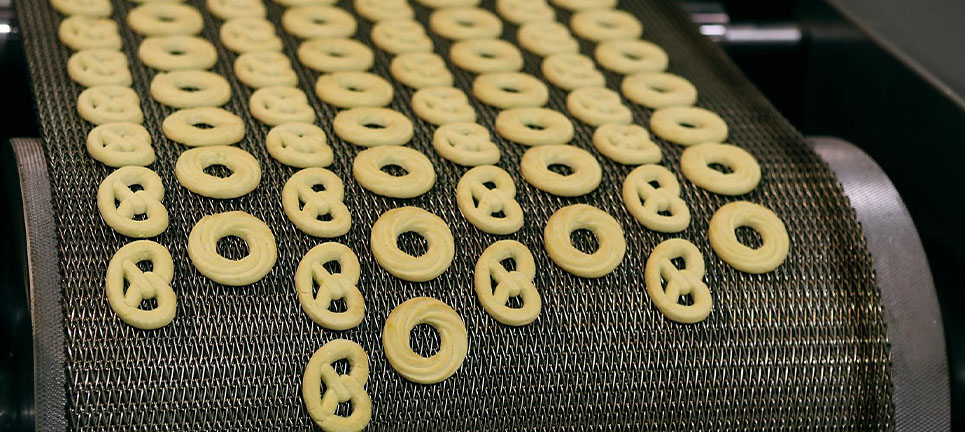
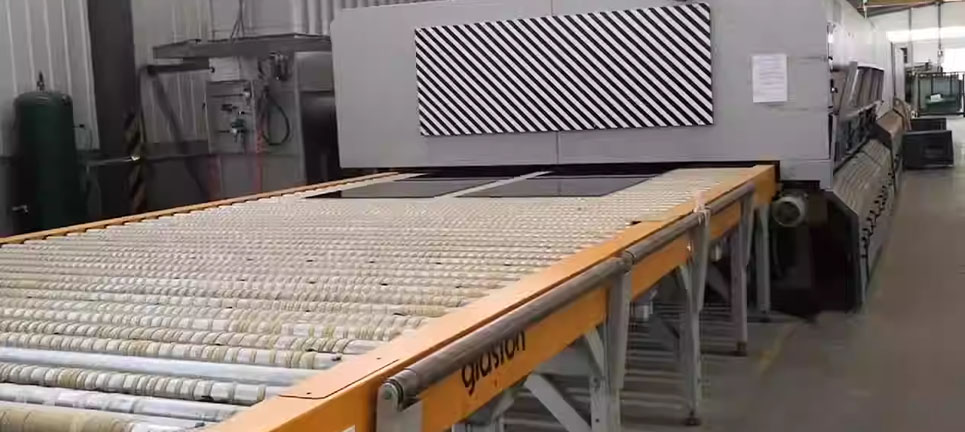
The standard-parts tempering furnace mesh belt is manufactured using imported 32...
 +86 13852191798
Yangzhou Yafei Machinery Manufacturing Co., Ltd.

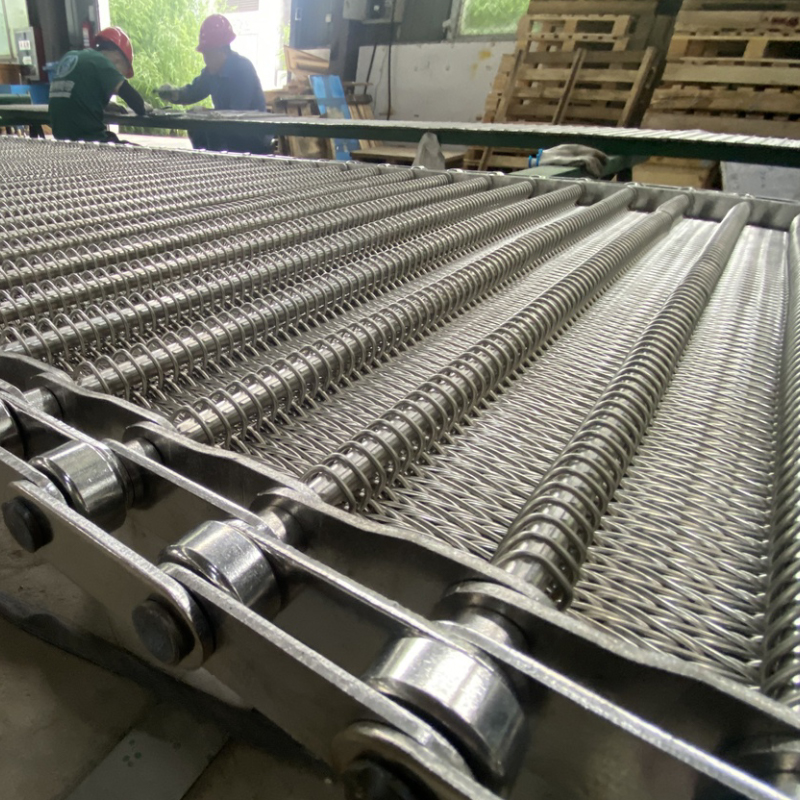
The standard-parts tempering furnace mesh belt is manufactured using imported 32...
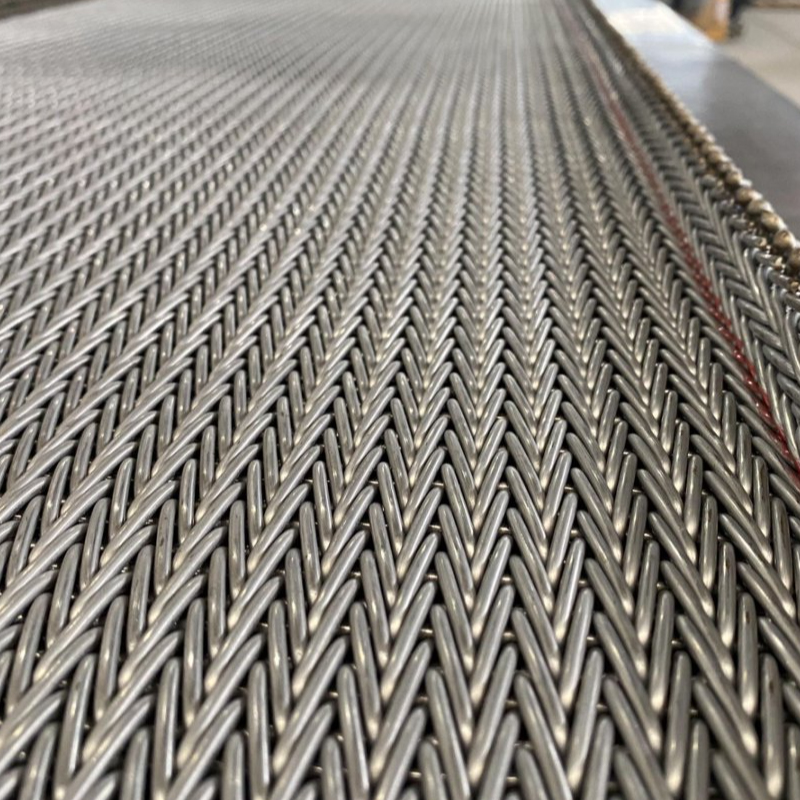
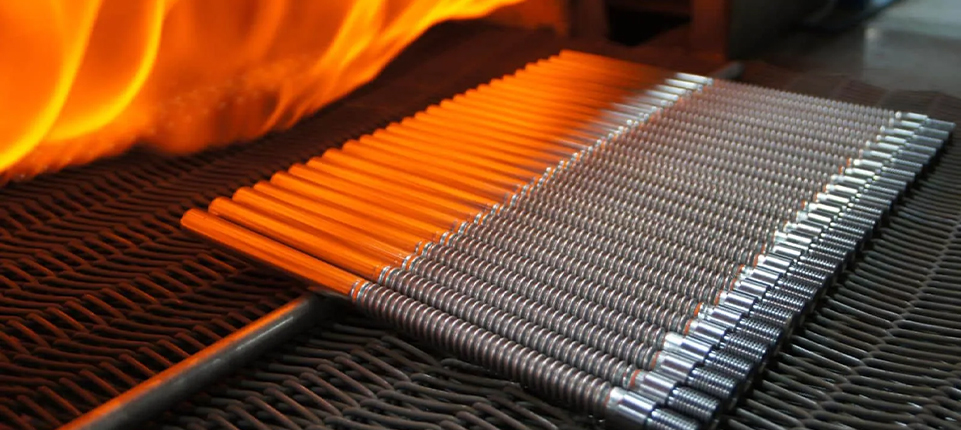
The fastener tempering furnace mesh belt is made of imported 321 or 304 stainles...
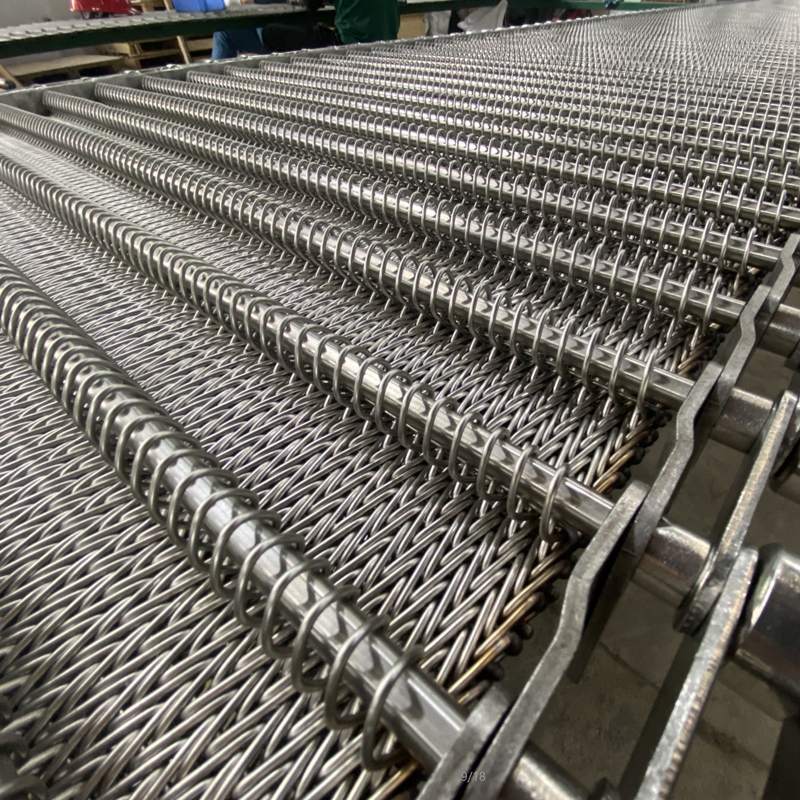
The spring tempering furnace mesh belt is made of imported 321 or 304 stainless ...
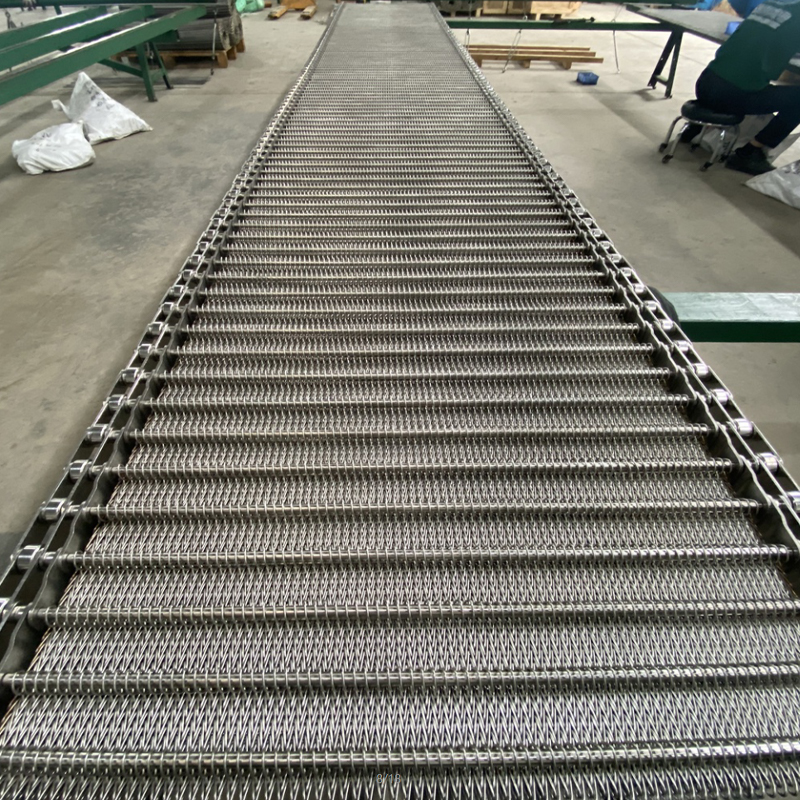
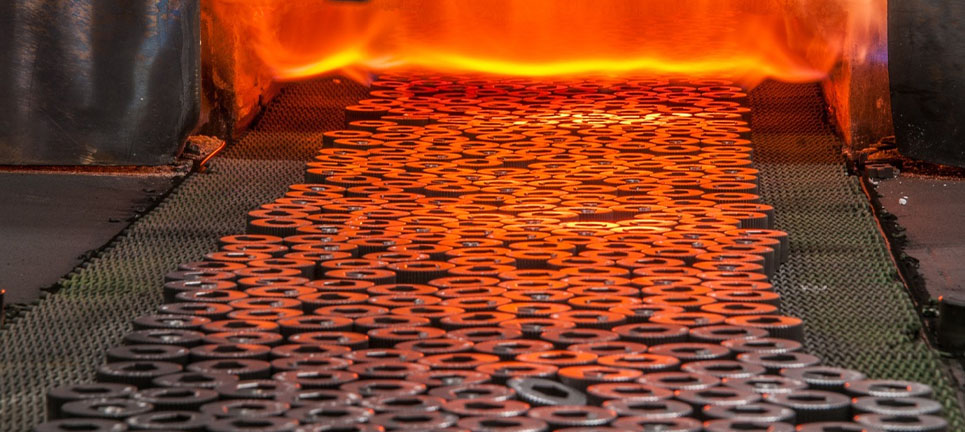
The bearing tempering furnace mesh belt utilizes carefully selected heat-resista...
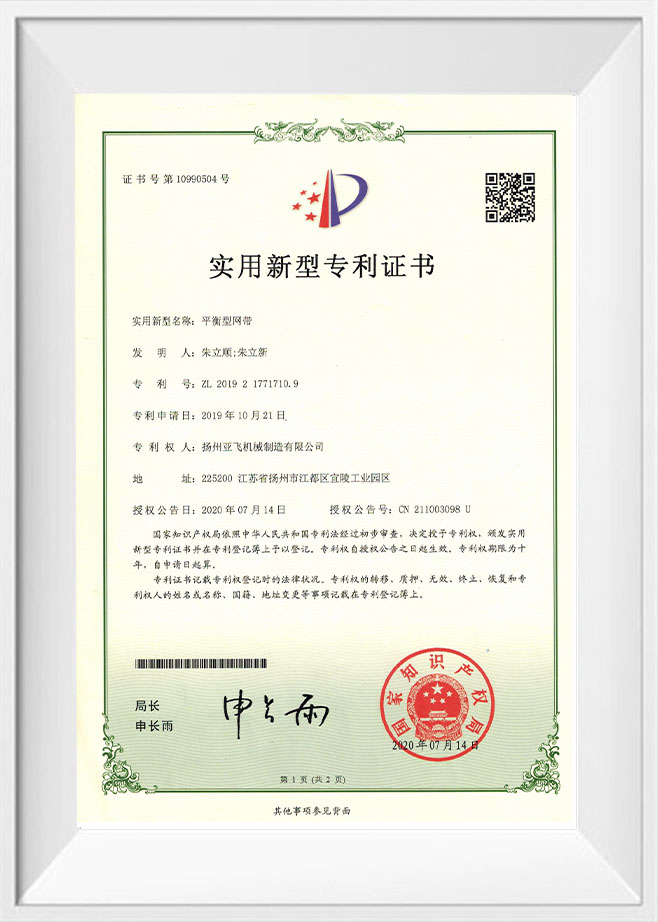
The primary conveying structure uses a herringbone mesh belt, which offers excellent tensile strength and stability, meeting the durability and load-bearing requirements of mass production. Depending on customer needs, some manufacturers may opt for a denser, balanced mesh belt. Due to its tight weave, balanced mesh belts maintain greater stability during workpiece conveyance and are suitable for smaller parts or those requiring more precise conveying.
Manufacturers who use quenching furnaces typically use tempering furnaces in conjunction with them to complete the heat treatment process chain. While quenching and tempering treat essentially the same workpiece types, the process requirements differ. Quenching requires higher temperatures to increase the workpiece's hardness and wear resistance, while tempering is performed at lower temperatures to reduce brittleness and improve its overall mechanical properties. Due to the varying temperature and stress environments, the mesh belt material used in tempering furnaces and quenching furnaces may differ to ensure stable operation and longevity during each process.
By rationally selecting the mesh belt structure and material, not only can the overall operating efficiency of the heat treatment production line be improved, but the quality stability of the workpiece can also be ensured in different process links, thereby meeting the multiple requirements of the mechanical parts manufacturing industry for strength, toughness and durability.
As China Tempering Furnace Mesh Belt Manufacturers and Tempering Furnace Mesh Belt Suppliers,
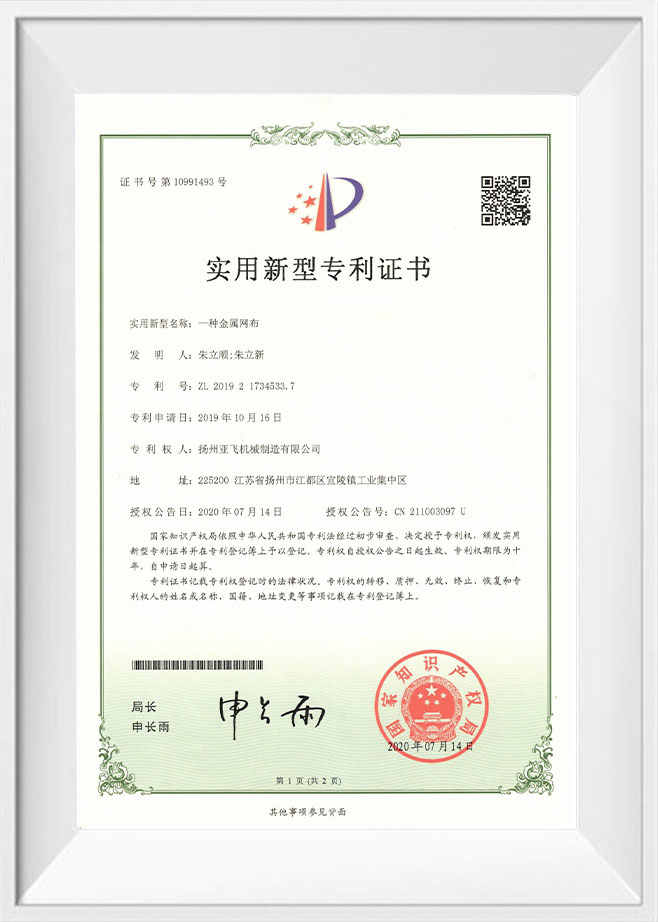
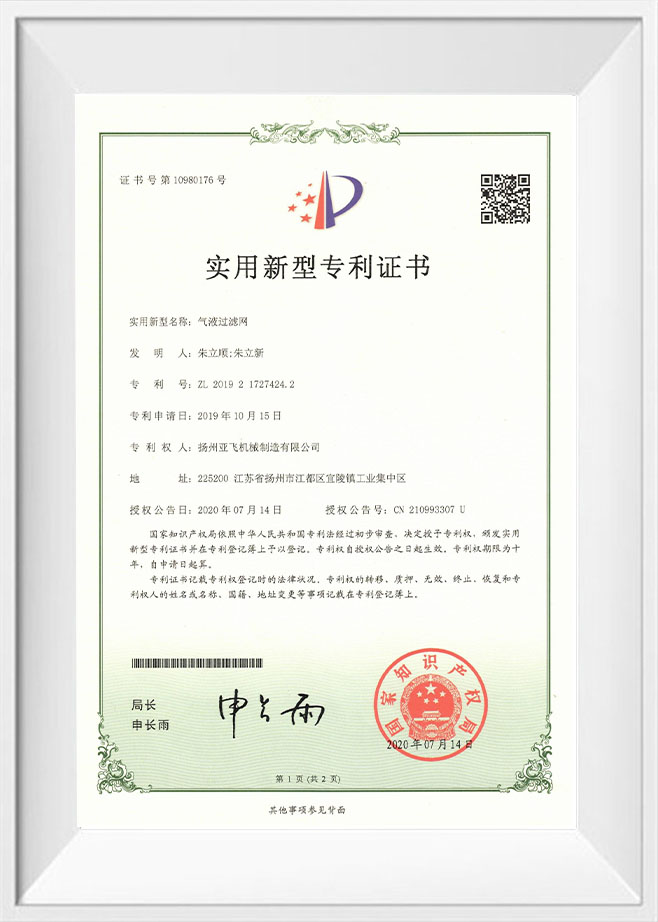
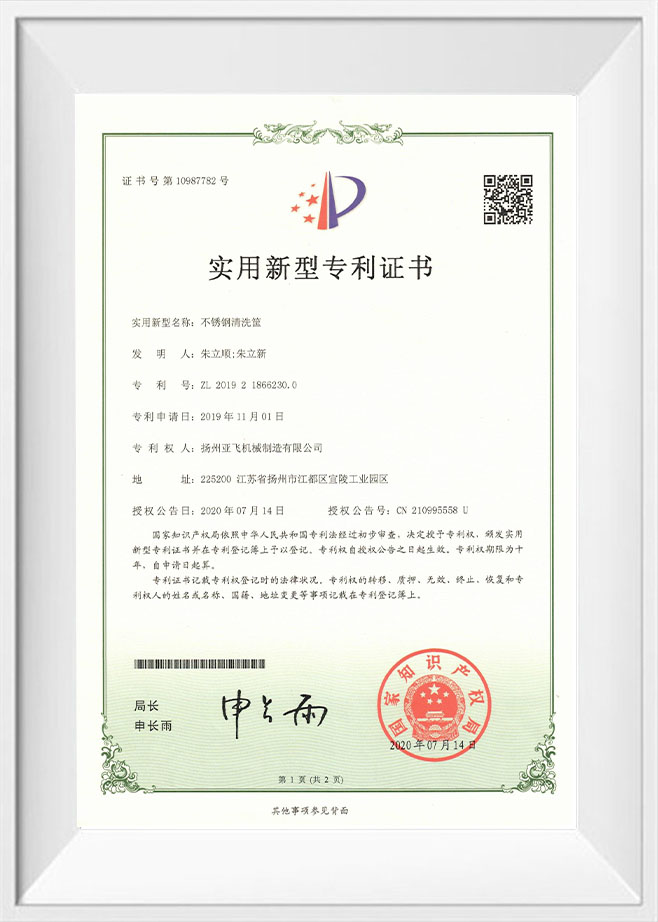
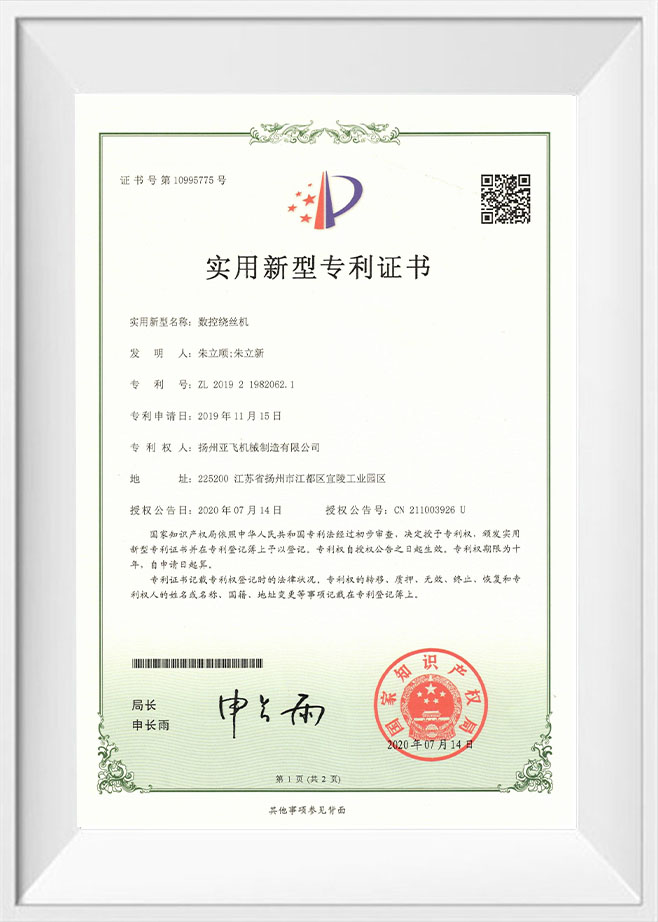
Yangzhou Yafei Machinery Manufacturing Co., Ltd. is a private scientific and technological enterprise in Jiangsu Province, formerly known as Yangzhou Yafei Metal Mesh Belt Factory, located in Yiling Industrial Park in the east of Yangzhou, with R&D, production and processing, office buildings, etc. With independent research and development of scientific and technological projects and equipment processing and manufacturing capabilities.
At present, the company is mainly engaged in: stainless steel mesh belt, conveyor mesh belt, metal mesh belt, stainless steel conveyor belt and related technology research and development, application and promotion.
Metal mesh belts have been used in beer and beverage, food, wood industry, glass, chemical industry, pharmacy, cleaning and spraying, powder metallurgy, new energy, heat treatment, industrial kiln, general conveying machinery and other industries.
Conveying machinery includes: net belt conveyor, hoist, flat top chain conveyor belt, roller conveyor, chain plate conveyor, etc. Widely used in home appliance engineering, automobile engineering, dairy beverage industry, brewing and water treatment and other fields.
A conveyor mesh belt rarely announces its own failure. It distorts, cracks, or begins tracking to one side, and a continuous furnace or production line stops the moment it does. That makes belt selection more than a spare-part purchase; it is a decision about uptime, product quality, and operating cost. The right conv...
READ MOREWhen a hardening furnace mesh belt fails, it usually does it without warning. One shift it is carrying bearing races through the high-temperature zone; the next, a torn edge catches on the return track and the whole line stops. Most of these failures were decided months earlier, when the belt specification was written...
READ MOREA continuous brazing line stops because the mesh belt has drifted to one side, the edge wires are broken, and the stainless steel parts grouping together on the belt are no longer aligned. It is a familiar scenario for maintenance teams: the furnace itself is running correctly, but the belt has become the bottleneck. ...
READ MOREIn modern industrial heat treatment workflows, precise temperature control and efficient material transport are the dual cornerstones of product quality. As the central link connecting these two aspects, the performance of a Tempering Furnace Mesh Belt directly determines the continuity of the production line and the consistency of the final product.
It is far more than a simple transmission medium; it acts as the "main artery" of the heat treatment production line. In a continuous tempering furnace, it must transport workpieces steadily through various process stages—from preheating and soaking to cooling—ensuring that each workpiece receives uniform heat treatment and follows a stable trajectory, thereby avoiding product scrapping caused by transport failures.
For professional manufacturing organizations, such as Yangzhou Yafei Machinery Manufacturing Co., Ltd., the R&D team understands that the dynamic performance of the belt in high-temperature environments is crucial. As a technology-oriented enterprise deeply rooted in Jiangsu Province, Yangzhou Yafei Machinery Manufacturing Co., Ltd. leverages its production base in Yiling Industrial Park not only to develop various industrial conveying equipment but also to address the rigorous requirements for Tempering Furnace Mesh Belts in the heat treatment industry. They have developed multiple products capable of optimizing heat cycle efficiency and reducing surface contact marks on workpieces. This model, which combines scientific research with precision manufacturing, ensures that the belt maintains extreme operational stability under high-temperature conditions, thereby guaranteeing the efficient operation of industrial heat treatment processes.
High-temperature oxidation and thermal stress within a tempering furnace are the primary factors affecting belt life. Within the typical tempering range of 200°C to 650°C, the creep resistance, oxidation resistance, and stability of the material's thermal expansion coefficient directly dictate the reliability of a Tempering Furnace Mesh Belt. If the material is poorly chosen, the belt can easily become embrittled at high temperatures or experience severe mechanical deformation due to continuous thermal cycling.
To meet the complex demands of various operating conditions, Yangzhou Yafei Machinery Manufacturing Co., Ltd. has set high standards for material selection, supported by its deep R&D capabilities. As a tech-enterprise with independent R&D and production capabilities, they provide scientific alloy material selection references based on long-term experimental data and industrial site feedback, tailored to the temperature and load characteristics of different tempering furnaces.
The table below lists the characteristics of several alloy materials commonly used in the industrial heat treatment field, which also serve as core reference indicators for Yangzhou Yafei Machinery Manufacturing Co., Ltd. when recommending customized belt selections:
| Material Code | Key Composition Features | Max Operating Temperature | Heat & Creep Resistance | Typical Industrial Application |
| SUS304 | 18Cr-8Ni | Approx. 500°C | Moderate | Standard light-load tempering |
| SUS314 | High Si, Ni, Cr | Approx. 650°C | Excellent | Continuous medium-high temp work |
| Inconel 601 | High Ni-Cr Alloy | Approx. 800°C+ | Superior | Extreme high temp, corrosive environments |
As seen in the comparison, material selection for different tempering processes requires precise weighing. Specifications that are too high or too low will impact the overall cost of the production line. Through extensive research into various stainless steel mesh belt materials, Yangzhou Yafei Machinery Manufacturing Co., Ltd. can provide optimal material formula recommendations based on a user's specific heat treatment loads and temperature requirements. This professional technical consultation service maximizes the service life of the Tempering Furnace Mesh Belt, ensuring physical strength remains stable under constant heat.
The woven structure of a Tempering Furnace Mesh Belt determines its heat-air permeability in high-temperature environments and the stability of the transported workpieces. A mesh belt is not merely a piece of metal; its complex weaving process is directly linked to the uniformity of the heat treatment.
Common weaving structures include balanced, double-balanced, and flat-wire weaves. For example, flat-wire or herringbone structures with dense weaves are highly suitable for transporting small parts, effectively preventing them from falling off or getting stuck in the mesh openings. Yangzhou Yafei Machinery Manufacturing Co., Ltd. utilizes its workshop in Yiling Industrial Park to perform refined adjustments to belt weaving processes to suit the complex airflow environments inside tempering furnaces. Their technical team considers the porosity of the mesh to be a key variable influencing heat transfer efficiency.
To help you intuitively understand the differences between various structural designs, the following table compares the functional characteristics of common mesh belt structures:
| Mesh Structure Type | Porosity (Air Permeability) | Load Capacity | Suitable Workpiece Type |
| Balanced Weave | High | Moderate | General light to medium parts |
| Double Balanced | Moderate | High | Heavy metal parts, powder metallurgy |
| Flat Wire | Low | Very High | Heavy, regularly shaped parts |
During manufacturing, Yangzhou Yafei Machinery Manufacturing Co., Ltd. places immense emphasis on belt flatness and edge finishing. Because the interior of a tempering furnace is cramped and harsh, any minor deformation or edge burr can accelerate wear during transport. Utilizing mature metal mesh belt manufacturing capabilities, they employ high-precision welding processes to ensure that every Tempering Furnace Mesh Belt maintains structural integrity under prolonged tension.
Furthermore, the company's technical edge is reflected in the optimization of belt pitch. Reasonable pitch design not only facilitates coordination with different power drive gears but also eliminates "thermal blind spots" at the base of the workpieces during forced air circulation, which is critical for enhancing tempering quality. This focus on meticulous detail also extends to their production of various conveying machinery (such as net belt conveyors), realizing a deep integration from a single mesh belt to a holistic conveying solution.
When evaluating the performance of a Tempering Furnace Mesh Belt, one cannot simply focus on the material; one must also measure its "mechanical toughness" under high-temperature cycling. High temperatures not only cause surface oxidation and peeling but also lead to creep—a plastic deformation that occurs slowly over time under constant load and high heat.
Improper management of tensile performance can cause irreversible elongation of the belt, leading to sagging or mistracking inside the furnace. Yangzhou Yafei Machinery Manufacturing Co., Ltd. focuses heavily on optimizing wire diameter and connection-point design to balance tensile resistance with heat transfer efficiency. As an enterprise deeply involved in the metal mesh belt field for years, the belts they provide include creep-rate estimates during the design phase, ensuring dimensional stability remains within a controllable range throughout the furnace's long-cycle operation.
To help users better evaluate the service limits of their belts, the following is a reference comparison of key belt performance indicators under different load levels:
| Load Level | Suggested Wire Diameter (mm) | Tensile Deformation Control | Maintenance Cycle |
| Light ( < 5kg/m² ) | 1.0 - 1.5 | Very High | Every 6 months |
| Medium ( 5 - 15kg/m² ) | 1.6 - 2.5 | High | Every 3 months |
| Heavy ( > 15kg/m² ) | 2.6 - 4.0 | Moderate | Monthly/Regular tightening |
In practice, Yangzhou Yafei Machinery Manufacturing Co., Ltd. emphasizes the importance of load balancing. Since they also possess engineering experience in developing various conveying machinery (such as hoists and chain plate conveyors), they can provide users with recommendations on how to distribute materials evenly, preventing localized excessive loads from causing bulging or fractures in the Tempering Furnace Mesh Belt.
The tensile strength of a mesh belt depends not only on the material itself but also on the weaving process. Within the technical system of Yangzhou Yafei Machinery Manufacturing Co., Ltd., they utilize stress analysis of the pivot rods and metal plates to maximize the load-bearing surface area, thereby significantly improving the yield strength of the belt while maintaining heat cycle efficiency. This approach of combining materials science with mechanical structural design is their core competitive advantage as an important industrial equipment supplier in the region. If a belt exhibits abnormal tension fluctuations during operation, it usually signifies that the transmission system needs to be inspected to optimize it in accordance with the belt's physical limits, ensuring a stable output for the entire heat treatment process.
To achieve the best efficiency from a Tempering Furnace Mesh Belt, operational habits and adjustment processes after installation are vital. Many heat treatment enterprises experience shortened belt life after introducing equipment due to neglecting initial operation maintenance and tension adjustments.
Yangzhou Yafei Machinery Manufacturing Co., Ltd. has found through long-term production services that a set of scientific operating procedures can effectively alleviate stress concentration caused by high temperatures. As a technology enterprise integrating R&D, manufacturing, and processing, they recommend that users focus on the coordination of the following three dimensions during operation:
During the start-up phase of the tempering furnace, a stepped heating curve must be observed. The thermal expansion coefficient of metal materials is significantly affected by the belt structure; rapid heating can lead to internal stress in the belt.
The distribution of workpieces on the belt should follow the principle of homogenization. For heavy or irregularly shaped parts, a distributed loading strategy is suggested to prevent plastic deformation of the belt in local areas.
The belt will undergo normal creep at high temperatures; if the tensioning device is adjusted too tightly, it will exacerbate fatigue damage to the belt.
To optimize performance, Yangzhou Yafei Machinery Manufacturing Co., Ltd. has summarized a reference table comparing belt operating conditions and adjustment strategies:
| Operating Condition | Characteristic Behavior | Suggested Adjustment Plan |
| Excessive Tension | Wavy edges, severe pivot wear | Reduce drive tension, check gear engagement |
| Insufficient Tension | Belt slippage, jumping on drive wheel | Check drive shaft level, increase tension slowly |
| Uneven Heating | Local color difference or "soft spots" | Adjust belt speed, check circulating fan status |
| Belt Misalignment | Running trajectory off-center | Correct tail wheel position, check conveyor frame balance |
Furthermore, as an institution with deep expertise in the fields of industrial kilns and general conveying machinery, Yangzhou Yafei Machinery Manufacturing Co., Ltd. emphasizes the matching of the transmission system with the mesh belt. Whether using a simple net belt conveyor or a complex automated line, the operation of the belt must maintain a high degree of synchronicity with drive motors and roller systems. They use self-developed testing equipment to predict the deformation trajectory of belts under extreme heat, helping users pre-calibrate equipment parameters. Such scientific operation and performance optimization not only guarantee the heat treatment quality of workpieces but also significantly lower the failure rate of the Tempering Furnace Mesh Belt, reflecting the company's core technical value in providing efficient conveying solutions.
Tempering Furnace Mesh Belts operate in continuous high-temperature and high-pressure environments. Even with the most durable high-temperature alloy materials, performance degradation is inevitable due to sediment accumulation, lack of lubrication, or mechanical wear. For enterprises using tempering furnaces over the long term, establishing a standardized preventative maintenance process is key to extending the equipment's lifecycle.
Yangzhou Yafei Machinery Manufacturing Co., Ltd. has accumulated vast amounts of research data on belt failure modes, thanks to its R&D and manufacturing base in Yiling Industrial Park. As an institution that not only produces mesh belts but also deeply engages in the R&D of various general conveying machinery, they recommend that users treat regular belt inspections as part of the production plan, rather than waiting for equipment downtime to intervene.
Below is a troubleshooting and maintenance recommendation table compiled by Yangzhou Yafei Machinery Manufacturing Co., Ltd., aimed at helping on-site maintenance personnel quickly locate and resolve issues:
| Fault Symptom | Possible Cause | Recommended Maintenance/Troubleshooting |
| Stalling/Jumping | Carbon buildup or clogged weave holes | Regularly clean belt surface, use high-temp industrial lubricants |
| Fraying/Deformation | Frequent edge impact or side-force on pivots | Check conveyor guide rail wear, adjust belt centering |
| Localized Discoloration | Overheating or chemical residue reaction | Verify cleaning process, ensure no chemical residue before furnace entry |
| Tension Fluctuation | Drive wheel or connector pin wear | Check sprocket tooth profile, replace worn pins |
In addressing these issues, Yangzhou Yafei Machinery Manufacturing Co., Ltd. advises users to pay special attention to "carbon deposition." When tempering powder metallurgy products or performing complex spraying processes, fine particles easily accumulate on the belt surface. If not cleaned promptly, these deposits not only affect the uniformity of heat transfer but can also accelerate hardening and fracture of the belt at high temperatures.
Additionally, as a manufacturer with rich experience in industrial kilns and automated conveying, Yangzhou Yafei Machinery Manufacturing Co., Ltd. emphasizes that when a belt exhibits irreversible metal fatigue cracks, one must avoid merely increasing tension to maintain operation. At this stage, contacting the manufacturer for a professional mechanical performance assessment is critical to ensuring production safety. Through regular professional descaling and tracking trajectory verification, users can extend the effective service life of a Tempering Furnace Mesh Belt by over 30%. These recommendations, derived from a scientific perspective, reflect the enterprise's core value in providing full-lifecycle equipment support, ensuring your conveying chain remains in optimal condition.
In the heat treatment industry, the application of Tempering Furnace Mesh Belts goes far beyond that of standard conveyor belts. To help technical and production management personnel better utilize this critical component, Yangzhou Yafei Machinery Manufacturing Co., Ltd. has organized the following technical questions of most concern to users, based on their years of scientific research experience in Yiling Industrial Park, Jiangsu Province.
Beyond obvious physical fractures, it is recommended to judge based on "elongation." When the total elongation of the belt exceeds 3%-5% of the original pitch, or when the wire diameter has worn down to below 70% of its original value due to oxidation and flaking, it is time to plan for replacement to prevent production accidents caused by sudden belt breakage inside the furnace.
Mistracking is usually systemic. First, check if the conveyor drive drum and tail drum are strictly parallel. Second, check for uneven force caused by localized overloading. Yangzhou Yafei Machinery Manufacturing Co., Ltd. suggests that if the problem persists, check the flatness of the belt at the joint to ensure the pivot pins are not bent.
It is a trade-off between efficiency and strength. The table below shows the impact of parameter selection on operating conditions:
| Parameter Adjustment | Impact on Heat Treatment | Impact on Belt Performance |
| Increase Wire Dia. | Larger heat capacity, slower heating | Higher tensile strength, better creep resistance |
| Increase Pitch | Better heat-air circulation, improved uniformity | Fewer contact points, prone to local deformation |
| Use High-Ni Material | Better resistance to treatment atmosphere | Higher cost, more stable at high temperatures |
Lightweighting is the core. Under the premise of meeting workpiece load requirements, select high-strength stainless steel mesh belts and optimize weaving density to reduce the belt's own thermal inertia. During R&D, Yangzhou Yafei Machinery Manufacturing Co., Ltd. discovered that reducing the weight of the mesh belt by even a few grams can significantly decrease energy expenses for the furnace body over long cycles.
For lightweight household appliance parts, a balanced weave belt is sufficient. However, for high-density, heavy-load workpieces in automotive engineering or powder metallurgy, a double-balanced weave with reinforced rods or even chain-plate designs must be chosen. As a manufacturer with a broad footprint in general conveying machinery, Yangzhou Yafei Machinery Manufacturing Co., Ltd. always recommends that users prioritize whether the workpiece placement method inside the furnace matches the compression resistance of the mesh belt.
If you have specific customization needs for your tempering application, or if you wish to learn more about the application of other conveying machinery they produce (such as various hoists or flat top chain conveyors), the technical team at Yangzhou Yafei Machinery Manufacturing Co., Ltd. is always ready to provide targeted solutions based on your specific production parameters.
Get A Free Consultation Now
Get A Customized Solution
The company adheres to the concept of creating value for customers and prosperity for society, aiming to build a reliable mesh belt brand and establish the century-old Yafei brand.
CONTACT INFORMATION

Yiling Industrial Park, Jiangdu District, Yangzhou City, Jiangsu Province, China

+86 13852191798
PRODUCT CATEGORIES
QUICK LINKS
MOBILE
 Custom Tempering Furnace Mesh Belt Manufacturers