 English
 русский
 عربى
عربىBrazing furnace mesh belts
Brazing furnace mesh belts are conveyor components specifically designed for con...
 +86 13852191798
Yangzhou Yafei Machinery Manufacturing Co., Ltd.

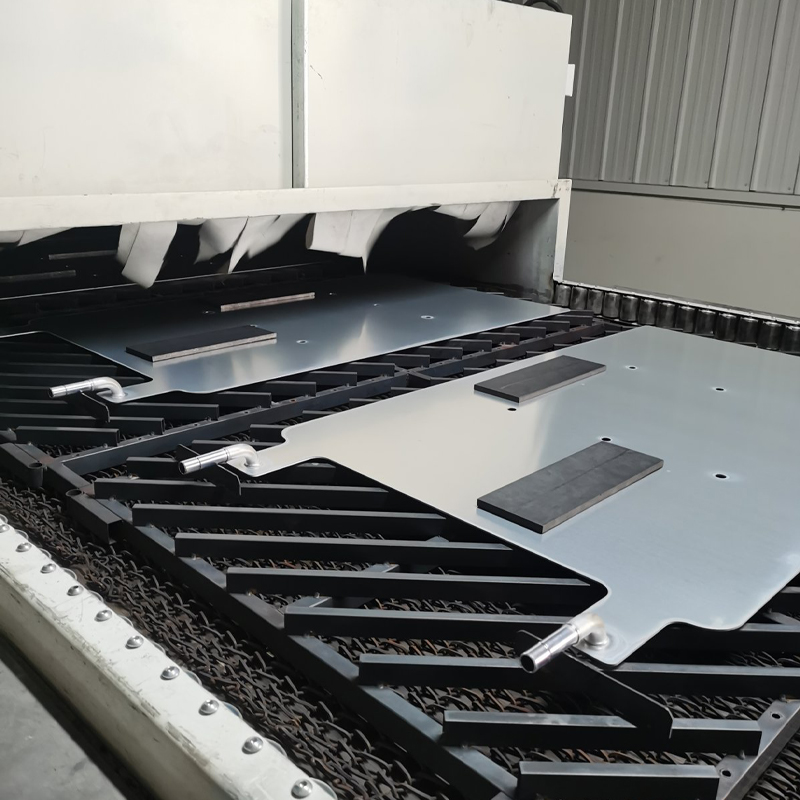
Brazing furnace mesh belts are conveyor components specifically designed for con...
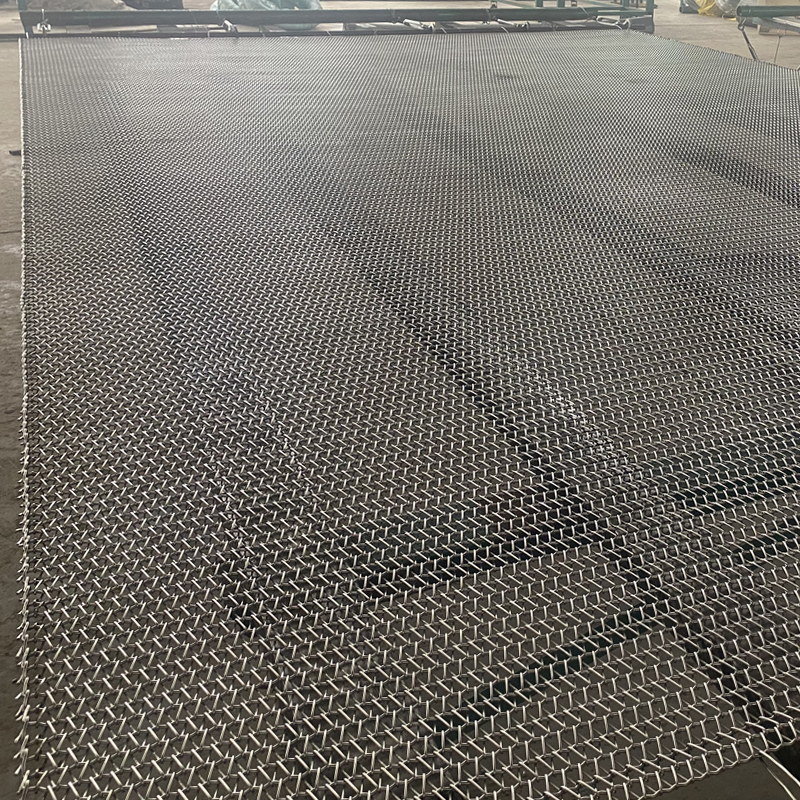
The aluminum brazing furnace mesh belt is a high-temperature resistant conveying...
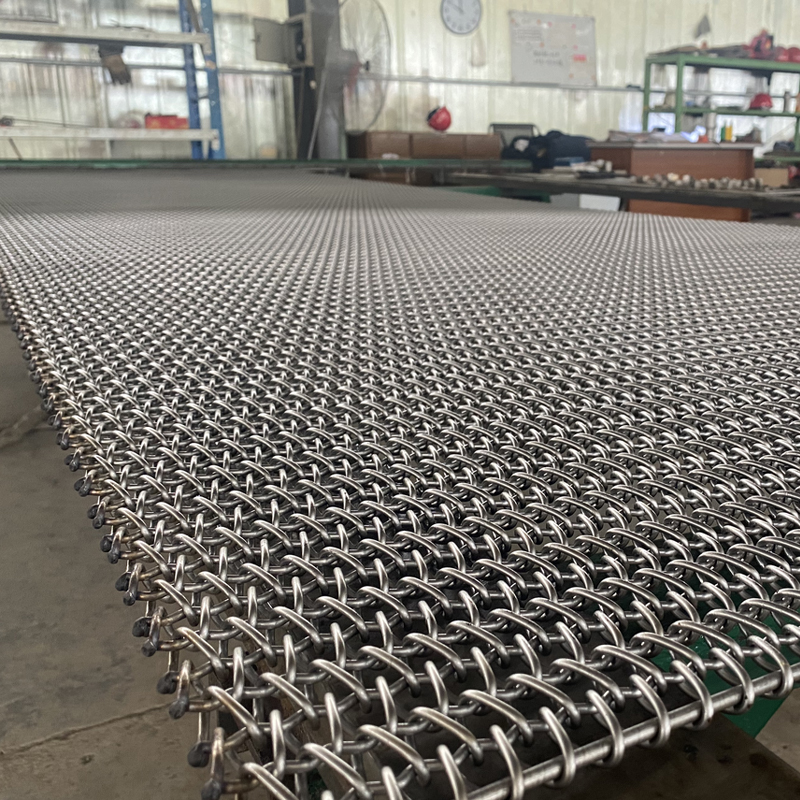
The aluminum brazing furnace mesh belt plays a crucial role in the entire brazin...
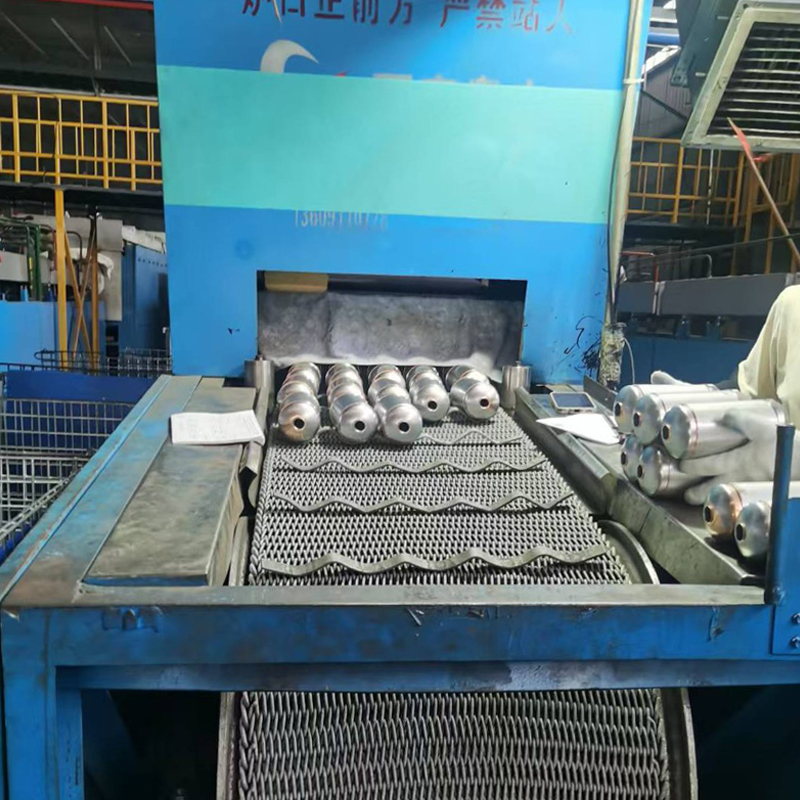
The brazing furnace conveyor belt adopts an advanced double-strand threading str...
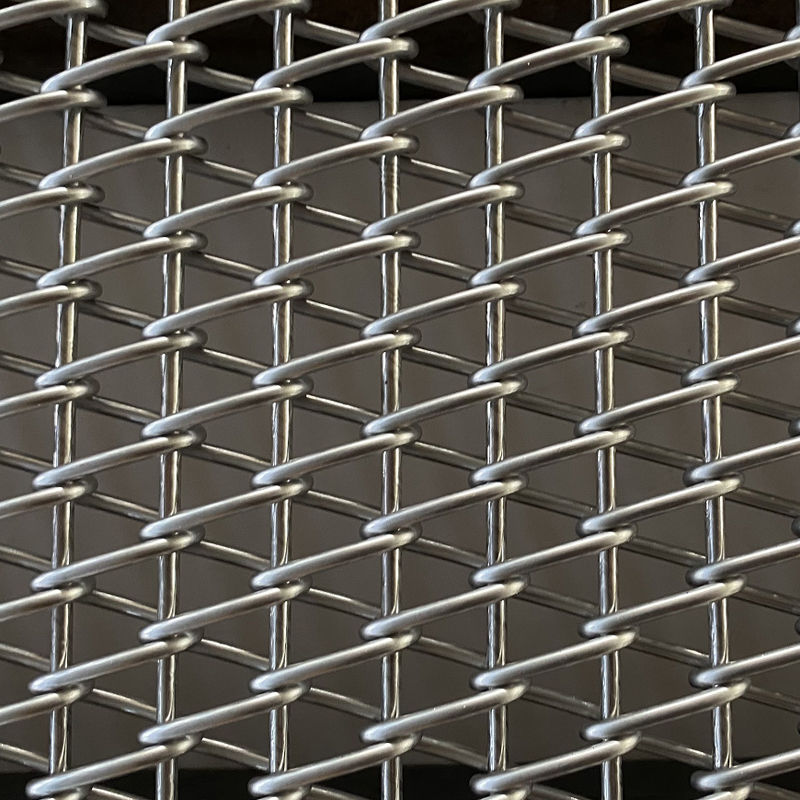
The copper brazing furnace conveyor belt features an innovative double-strand sp...
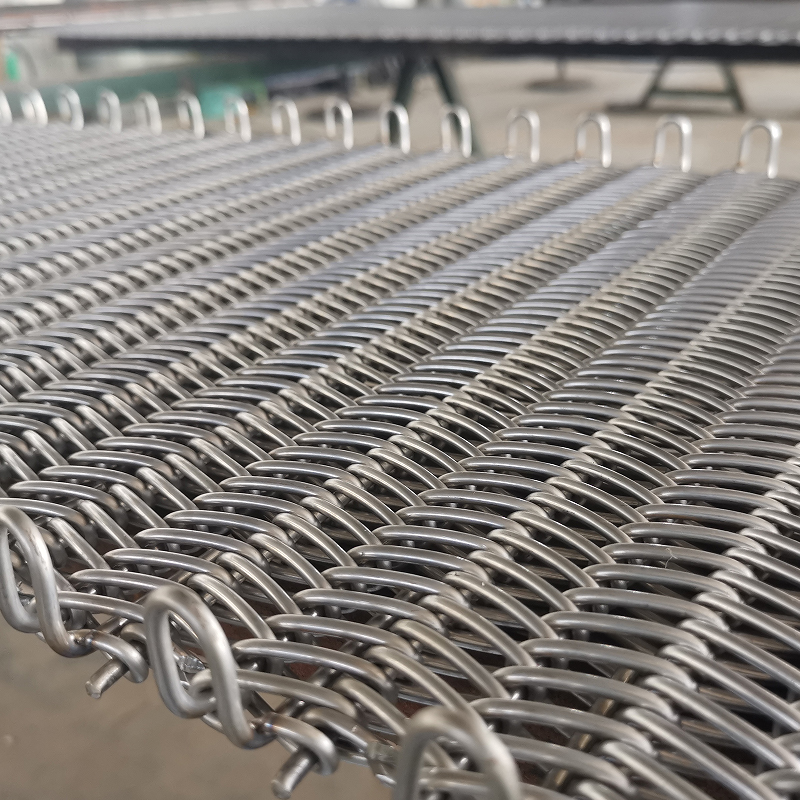
This automotive pipe brazing furnace conveyor belt adopts a one-way edge looping...
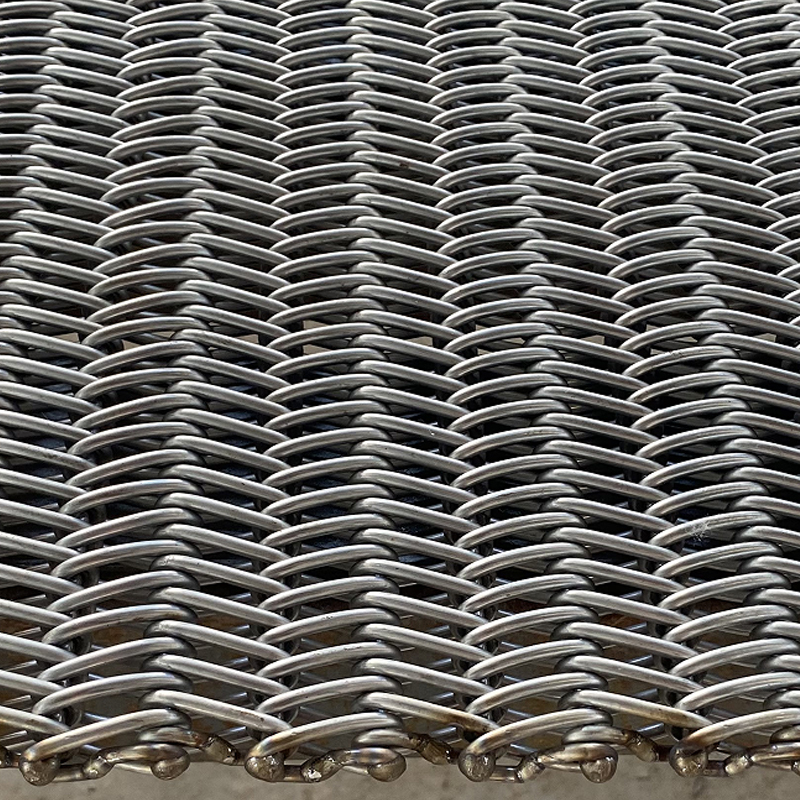
The air conditioning pipe brazing furnace mesh belt is made from high-performanc...
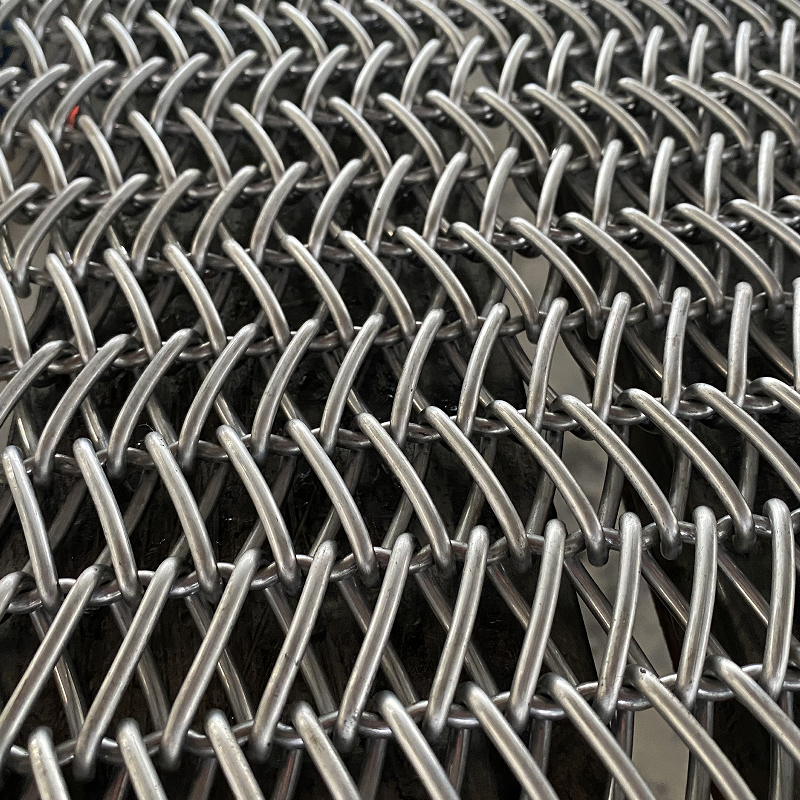
The medical device brazing furnace mesh belt offers excellent high-temperature r...
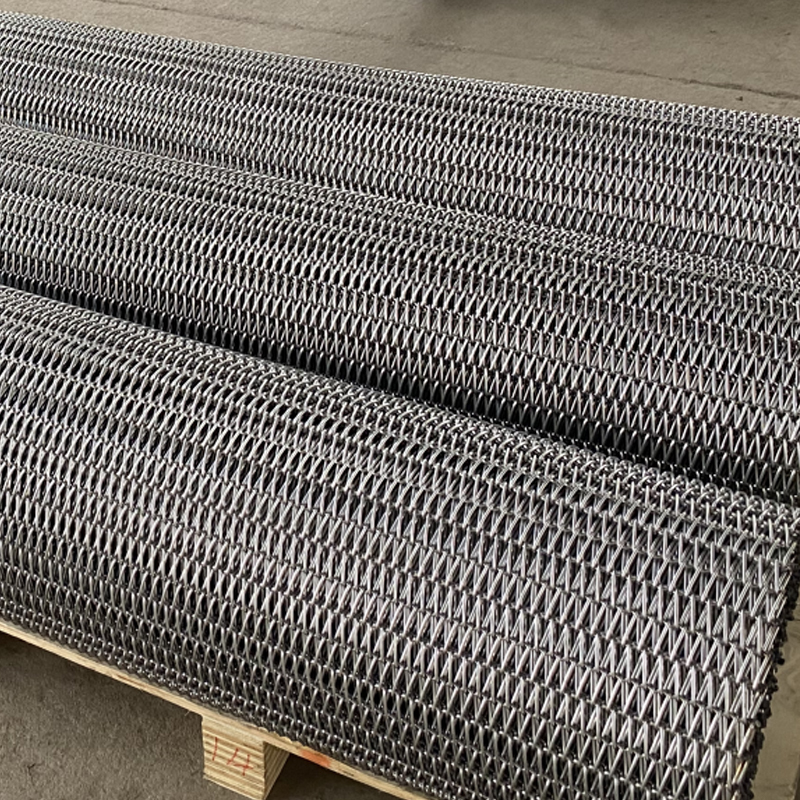
The automotive water tank aluminum brazing furnace mesh belt is used to stably t...
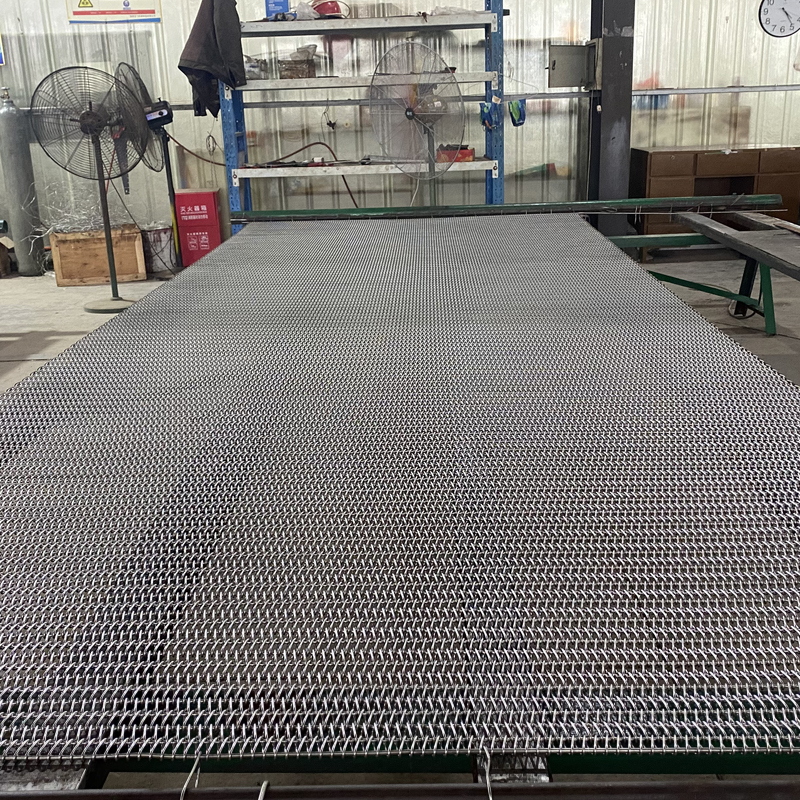
The condenser aluminum brazing furnace mesh belt is a high-temperature conveying...
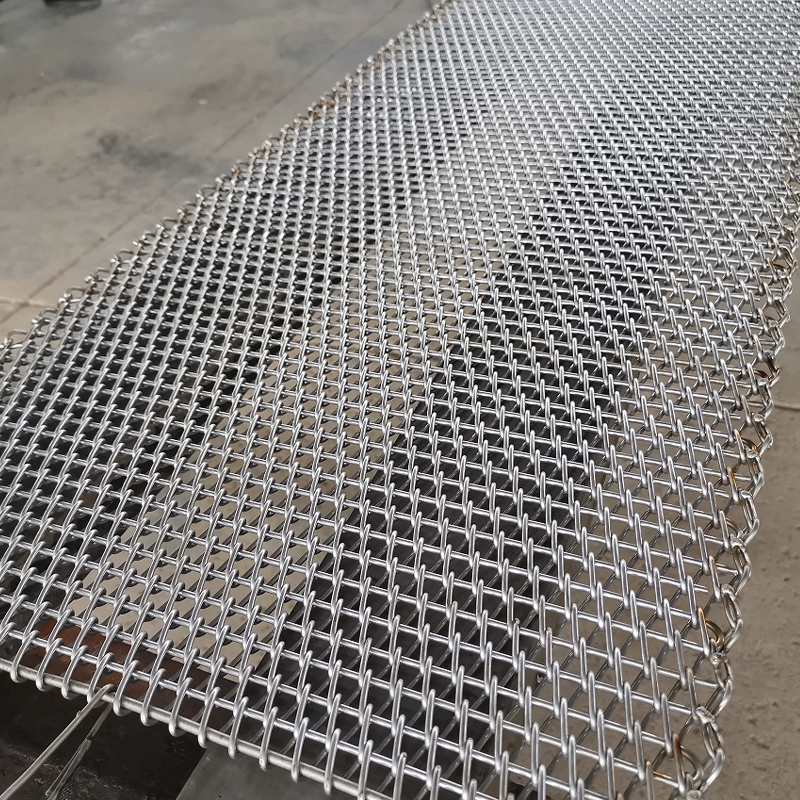
This electric heating element brazing furnace conveyor belt adopts a balanced we...
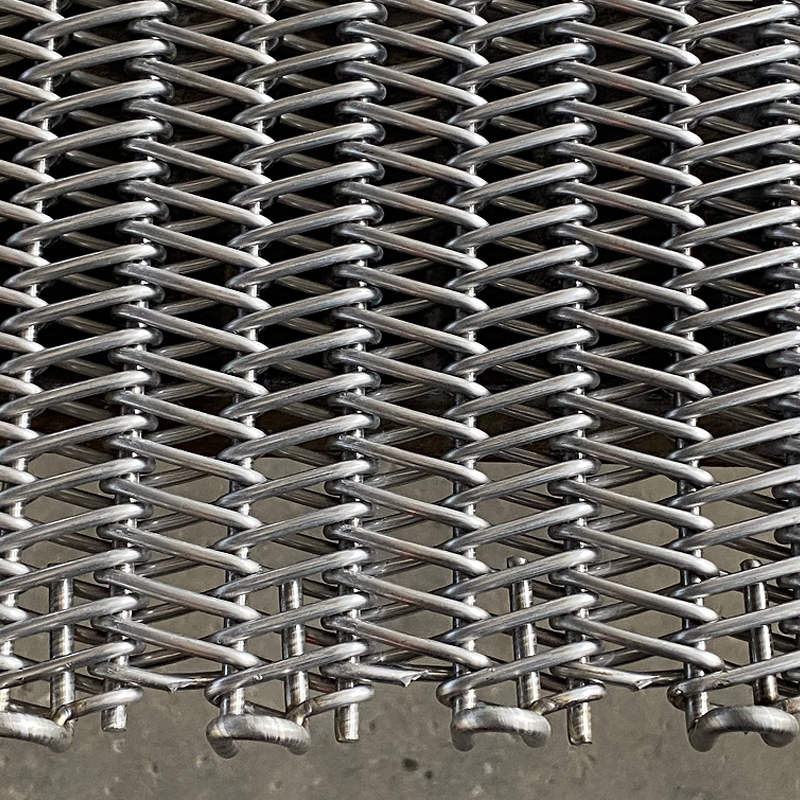
The copper valve brazing furnace mesh belt is widely used in the efficient brazi...
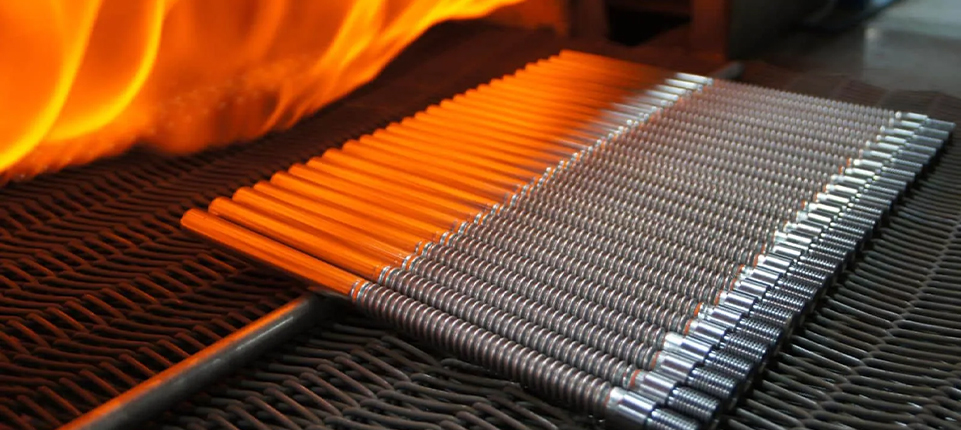
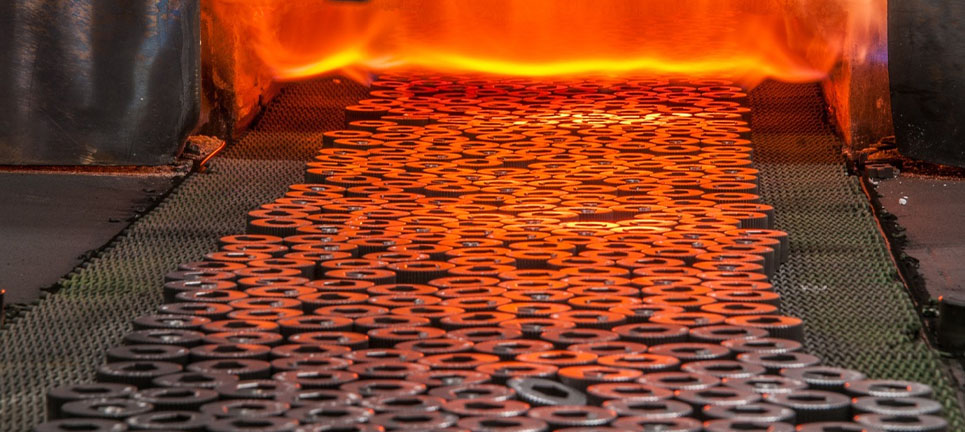
Brazing furnace mesh belts are conveying devices specifically designed for metal brazing processes. They are widely used in heat treatment equipment such as copper and aluminum brazing furnaces, as well as bright annealing and blackening furnaces. Their primary function is to support the workpiece during the high-temperature brazing process, ensuring stable and continuous conveyance while ensuring uniform heating and a protective atmosphere within the heated area. Brazing furnace mesh belts typically feature a balanced structure, with a uniform mesh surface formed by interlaced spiral wires and through-rods, effectively preventing tilting or shaking during workpiece conveyance. Depending on the process requirements, the mesh belt edges can be welded, folded, or U-shaped to enhance edge strength and durability. Mesh belts used in copper brazing furnaces generally require strong resistance to high-temperature oxidation and thermal stability, while mesh belts used in aluminum brazing furnaces prioritize airtightness and cleanliness to prevent contamination and discoloration of the workpiece surface. For use in bright annealing and blackening furnaces, mesh belts must exhibit excellent corrosion resistance and deformation resistance to ensure smoothness and stability during continuous operation. The design of the brazing furnace mesh belt is not only related to the transmission efficiency of the equipment, but also directly affects the welding quality of the workpiece and the production rhythm. Therefore, when selecting the model, it is usually necessary to comprehensively consider the workpiece material, furnace temperature, conveying speed and operating atmosphere to ensure that it can still maintain reliable operating performance in a long-term high-temperature environment.
As China Brazing Furnace Mesh Belt Factory and Brazing Furnace Mesh Belt Manufacturers,
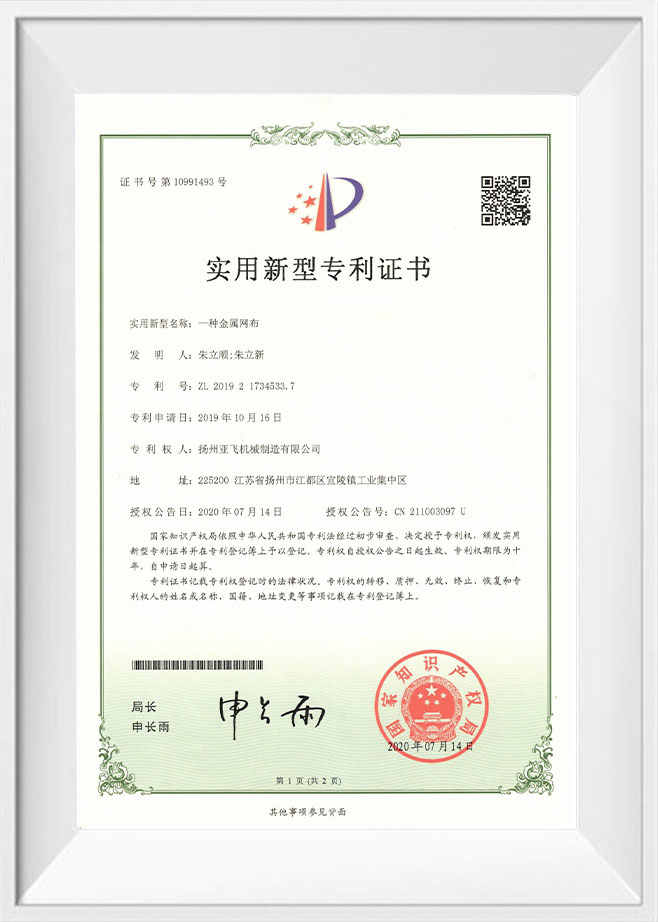
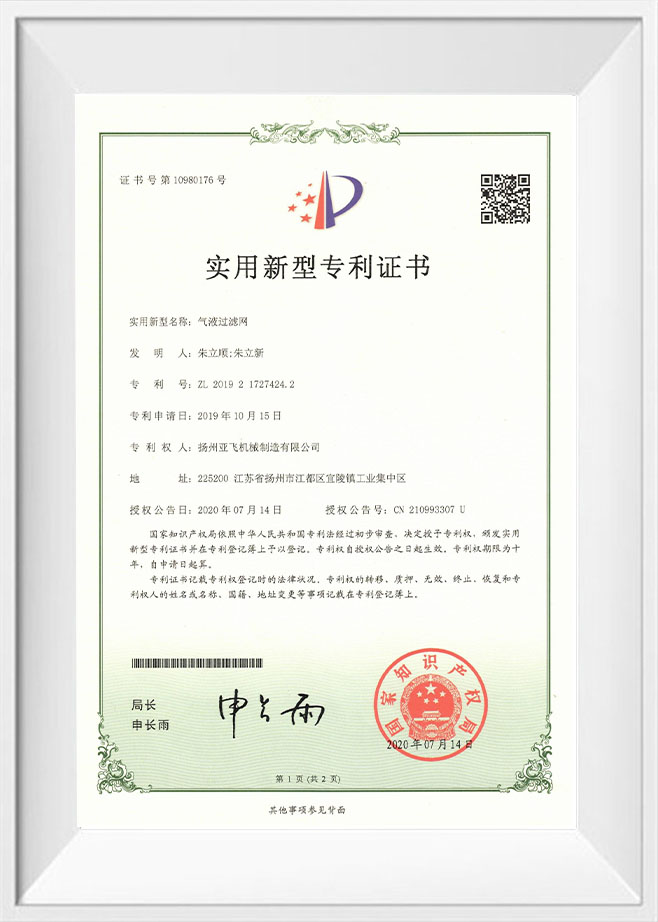
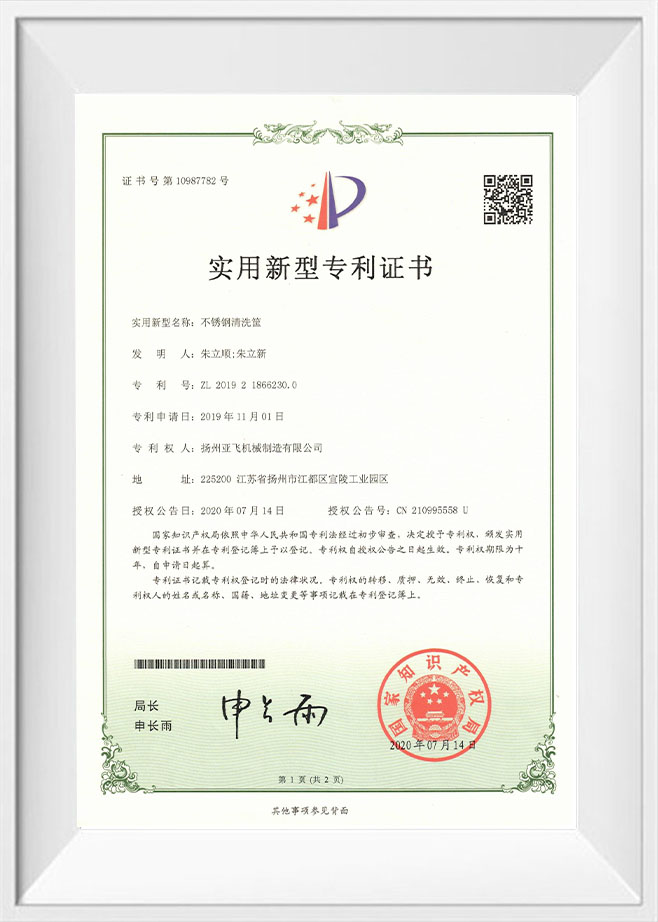
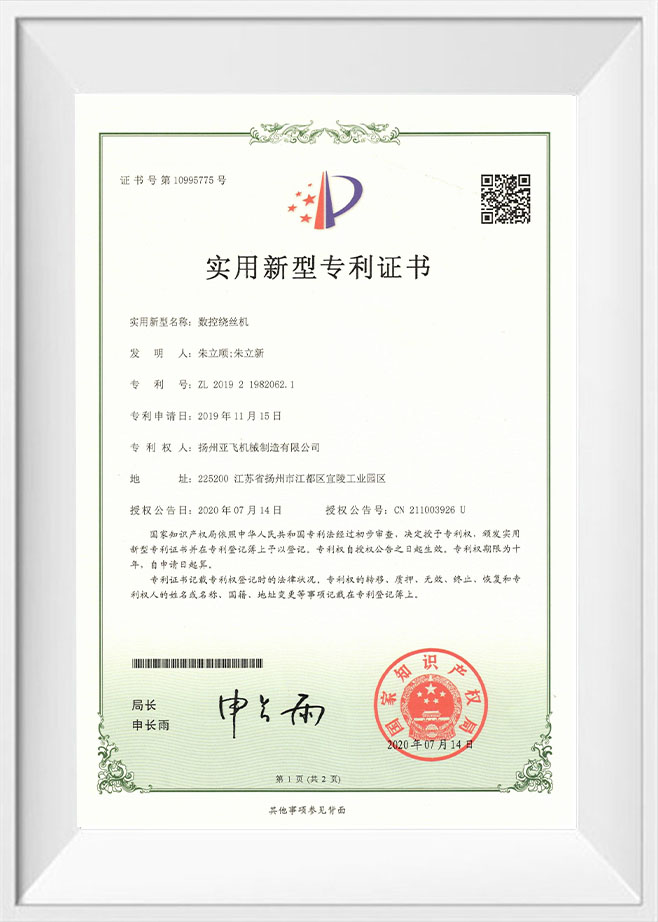
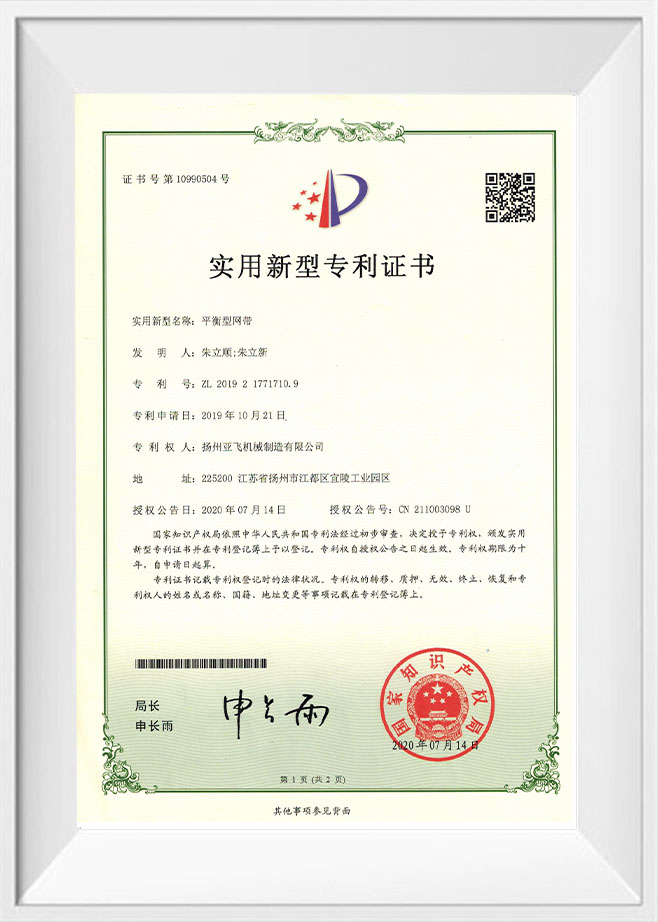
Yangzhou Yafei Machinery Manufacturing Co., Ltd. is a private scientific and technological enterprise in Jiangsu Province, formerly known as Yangzhou Yafei Metal Mesh Belt Factory, located in Yiling Industrial Park in the east of Yangzhou, with R&D, production and processing, office buildings, etc. With independent research and development of scientific and technological projects and equipment processing and manufacturing capabilities.
At present, the company is mainly engaged in: stainless steel mesh belt, conveyor mesh belt, metal mesh belt, stainless steel conveyor belt and related technology research and development, application and promotion.
Metal mesh belts have been used in beer and beverage, food, wood industry, glass, chemical industry, pharmacy, cleaning and spraying, powder metallurgy, new energy, heat treatment, industrial kiln, general conveying machinery and other industries.
Conveying machinery includes: net belt conveyor, hoist, flat top chain conveyor belt, roller conveyor, chain plate conveyor, etc. Widely used in home appliance engineering, automobile engineering, dairy beverage industry, brewing and water treatment and other fields.
A conveyor mesh belt rarely announces its own failure. It distorts, cracks, or begins tracking to one side, and a continuous furnace or production line stops the moment it does. That makes belt selection more than a spare-part purchase; it...
READ MOREWhen a hardening furnace mesh belt fails, it usually does it without warning. One shift it is carrying bearing races through the high-temperature zone; the next, a torn edge catches on the return track and the whole line stops. Most of the...
READ MOREA continuous brazing line stops because the mesh belt has drifted to one side, the edge wires are broken, and the stainless steel parts grouping together on the belt are no longer aligned. It is a familiar scenario for maintenance teams: t...
READ MOREA photovoltaic panel recycling line runs at the speed of its weakest component, and in a continuous pyrolysis furnace, that component is often the mesh belt. The belt carries end-of-life panels through a thermal decomposition zone where EV...
READ MOREA brazing furnace mesh belt is essentially a conveyor structure operating under continuous high-temperature conditions. The choice of material directly determines the equipment's lifespan, stability, and product quality consistency. Generally, the mesh belt material must simultaneously meet three core requirements: first, high-temperature creep resistance to prevent permanent elongation under continuous tension and its own weight; second, resistance to oxidation and carburization, especially during long-term operation in hydrogen, nitrogen, or micro-oxygen atmospheres; and third, thermal fatigue performance, meaning no crack propagation under frequent start-stop or temperature fluctuations.
The most common material in industry is AISI 316/316L stainless steel, which is generally stable for long-term operation below approximately 800°C. The advantages of 316 are low cost and good processing performance, but its high-temperature creep resistance is relatively weak. Therefore, in brazing furnace applications, it is usually only used in low-temperature sections or light-load conveying, such as low-temperature preheating sections or non-critical process sections. As temperatures increase, 316 stainless steel is prone to grain boundary oxidation and strength reduction, thus it is gradually being replaced by higher-grade materials in high-temperature brazing furnaces.
The second mainstream material is 314 stainless steel, currently the "standard material" for continuous brazing furnace mesh belts. 314 is characterized by high chromium (Cr) and silicon (Si) content, which allows it to maintain good oxidation resistance in the 900°C–1100°C range, while also possessing strong creep resistance. 314 mesh belts are very common in automotive heat exchangers, aluminum brazing, or stainless steel brazing production lines, and their balance between overall performance and cost makes them the mainstream choice in the industry. However, it is generally not recommended to exceed 1100°C for extended periods, otherwise, the lifespan will be significantly shortened.
The third category is high-end materials Inconel 600/601 nickel-based alloys. Inconel 600 typically operates stably at around 1100°C, while Inconel 601 can operate at temperatures further up to approximately 1150°C–1200°C. The core advantage of nickel-based alloys lies in their extremely strong resistance to high-temperature oxidation and carburization, while maintaining structural stability in reducing atmospheres (such as hydrogen furnaces). Therefore, these materials are used in high-end brazing processes and in the manufacture of military or aerospace heat exchangers. However, their disadvantages include extremely high cost, difficult processing, and high requirements for system matching.
In addition, there are heat-resistant austenitic steels such as 253MA, but their applications are less common, typically used in special operating conditions or medium-temperature continuous conveying systems.
The service life of a brazing furnace mesh belt is a typical multivariate engineering outcome, usually influenced by material properties, operating conditions, and equipment design. From an industry perspective, conveyor belt lifespan is generally measured in "operating hours" or "continuous production cycles." However, in practical applications, differences in equipment design capabilities among different companies and the application industries significantly impact the final lifespan.
Yangzhou Yafei Machinery Manufacturing Co., Ltd., a technology-driven enterprise specializing in metal mesh belts and conveyor equipment, offers a wide range of products including stainless steel mesh belts, conveyor mesh belts, metal mesh belts, and stainless steel conveyor belts, and possesses independent R&D and manufacturing capabilities. The technological capabilities of such companies directly influence conveyor belt lifespan, as it involves not only materials but also structural design and application compatibility.
From a materials perspective, in conventional industrial applications, 316/316L stainless steel conveyor belts typically have a lifespan of 6,000–20,000 hours in low-to-medium temperature environments (below approximately 800°C); while 314 stainless steel, as a mainstream material for brazing furnaces, can achieve a lifespan of 15,000–30,000 hours in the 900°C–1100°C range. If nickel-based alloys such as Inconel 600/601 are used and the system operates in a well-controlled atmosphere, its lifespan can even reach 30,000–60,000 hours or more.
However, in actual industrial applications, the difference in lifespan is often not entirely determined by the material, but rather by system integration capabilities. Yangzhou Yafei Machinery Manufacturing Co., Ltd., a company with R&D, production processing, and conveyor system integration capabilities, has the advantage of being able to co-design mesh belt products with complete conveyor systems (such as net belt conveyors, hoist conveyors, flat top chain conveyor belts, roller conveyors, chain plate conveyors, etc.), thereby optimizing tension distribution, drive methods, and load uniformity.
This system-level design capability is crucial to the lifespan of mesh belts. For example, in continuous brazing furnaces or industrial kilns, if the mesh belt is purchased as a "single component" without matching its design with the furnace structure, drive system, and process load, localized overload, misalignment, or uneven thermal expansion can easily occur, leading to a significant reduction in lifespan. However, if the system is matched by a company with overall conveyor equipment design capabilities, edge stress concentration and thermomechanical fatigue can be significantly reduced, thereby extending the overall service life.
Furthermore, the lifespan of a conveyor belt is highly correlated with its application industry. Yangzhou Yafei Machinery Manufacturing Co., Ltd.'s products are widely used in beer and beverage, food, wood industry, glass, chemical industry, pharmacy, cleaning and spraying, powder metallurgy, new energy, heat treatment, industrial kiln, and general conveying machinery, among other fields. Within these industries, the corrosive environment, temperature profile, and load impact requirements for conveyor belts vary significantly. For example, the food and beverage industry prioritizes cleanliness and corrosion resistance, while heat treatment and industrial kilns prioritize high-temperature creep and oxidation resistance. Therefore, the actual lifespan of a conveyor belt made of the same material can differ by 2–3 times or more across different industries.
From an engineering perspective, the core factors affecting the lifespan of mesh belts can be summarized into four aspects:
Therefore, in modern industry, the lifespan of a mesh belt is no longer just a "material lifespan," but a "system engineering lifespan." Companies with R&D and overall manufacturing capabilities for conveyor equipment, such as Yangzhou Yafei Machinery Manufacturing Co., Ltd., have the advantage of optimizing the entire process from mesh belt material selection and structural design to conveyor system integration, thereby significantly improving equipment stability and extending overall service life.
Whether a brazing furnace mesh belt needs complete replacement is essentially a comprehensive judgment involving "safety, economy, and stability," not just whether it can still operate. While localized repairs can reduce short-term costs, continued use will increase downtime risks and product quality issues if the underlying structure has already entered a failure phase.
First, the most typical signal for complete replacement is irreversible creep elongation. Under high temperature and tension, the brazing furnace mesh belt will gradually undergo permanent deformation. When the overall pitch becomes longer and uneven, even adjustments via tensioning devices cannot restore its original geometric accuracy. In this case, the brazing furnace mesh belt has entered the late stage of material creep, and its internal grain structure has slipped; continued use will accelerate fracture.
The second key judgment is multi-point wire breakage or chain segment failure propagation. If the fracture is a single-point event, it can usually be repaired locally or the segment replaced. However, when multiple areas show wire breakage, it indicates that the material has entered the fatigue propagation stage, and the crack propagation rate is accelerated. Repair can only delay failure, not prevent the next fracture. In this case, complete replacement is the only safe option.
The third important indicator is uncorrectable belt misalignment. Long-term misalignment of the brazing furnace mesh belt usually indicates asymmetrical edge wear or decreased structural rigidity. Once the guiding system cannot correct it, it means the belt's geometric rigidity is unbalanced. Continued operation will lead to continuous side wear and even scraping against the furnace wall, causing secondary damage.
The fourth criterion is severe surface oxidation or embrittlement. When the wire surface shows severe oxidation, peeling, powdering, or grain boundary corrosion, the material's ductility has significantly decreased. Even if there is no local breakage, there is a risk of brittle fracture at any time, especially in high-temperature zones or under sudden load changes, making sudden breakage more likely.
Furthermore, an engineering economic principle must be considered: if the repair cost, downtime losses, and quality risks combined exceed 50%–70% of the cost of a new mesh belt, it should generally be replaced directly. This is the common "replacement threshold principle" in industry.
Cleaning the brazing furnace mesh belt is a typical paradoxical problem of "must be cleaned but cannot be damaged." Because mesh belts continuously come into contact with workpieces, flux residue, oxide scale, and micro-particle contaminants during operation, failure to clean them can lead to decreased heat transfer efficiency, localized material jamming, and even affect product surface quality. However, any mechanical or chemical cleaning method can potentially damage the wire surface, thus impacting fatigue life.
In industrial practice, the most recommended method is high-temperature self-cleaning (in an inert atmosphere). This involves operating the belt under no-load or low-load conditions in a nitrogen or hydrogen-protected environment, allowing minor contaminants to naturally decompose or desorb at high temperatures. This method does not introduce additional mechanical stress and is the most gentle cleaning method for mesh belts, especially suitable for continuous brazing furnaces.
Secondly, inert gas purging (N₂/H₂ purge). By applying a high-speed airflow during mesh belt operation, dust and loose particles can be effectively removed. This method is a "non-contact cleaning" method that does not alter the wire diameter or surface structure, and is therefore widely used in industry, especially in high-cleanliness brazing processes.
The third method is a gentle online brushing system, typically using soft stainless steel brushes or high-temperature nylon brushes that gently contact the surface during the conveyor belt's return stroke. This method can remove stubborn deposits, but brush pressure must be strictly controlled to avoid damaging the wire diameter. In engineering practice, the brush bristles are usually required to be at least one grade softer than the wire diameter to avoid scratching the metal surface.
Cleaning methods that should be particularly avoided include: high-pressure steel wire brushes, sandblasting, frequent cleaning with strong acids, and washing with water subject to sudden temperature changes. While these methods are highly efficient, they significantly reduce the fatigue life of the wire. Sandblasting, in particular, can directly cause micro-cracks on the surface, and these cracks will propagate rapidly at high temperatures.
Maintenance also requires several key control points: First, tension control, as excessive tightness will accelerate creep fracture, while excessive looseness will lead to misalignment and frictional wear; second, misalignment monitoring, any slight deviation should be adjusted in time, otherwise it will lead to unilateral edge wear; third, oxygen content control, especially in hydrogen furnaces, where trace oxygen leakage can cause local oxidation points to expand rapidly; and fourth, regular inspection of wire diameter wear and pitch changes, as these are important indicators for life prediction.
Get A Free Consultation Now
Get A Customized Solution
The company adheres to the concept of creating value for customers and prosperity for society, aiming to build a reliable mesh belt brand and establish the century-old Yafei brand.
CONTACT INFORMATION

Yiling Industrial Park, Jiangdu District, Yangzhou City, Jiangsu Province, China

+86 13852191798
PRODUCT CATEGORIES
QUICK LINKS
MOBILE
 OEM/ODM Brazing Furnace Mesh Belt Manufacturers