 English
 русский
 عربى
عربىCopper-Based Sintering Furnace Mesh Belt
The copper-based sintering furnace mesh belt is made of high-temperature and cor...
 +86 13852191798
Yangzhou Yafei Machinery Manufacturing Co., Ltd.

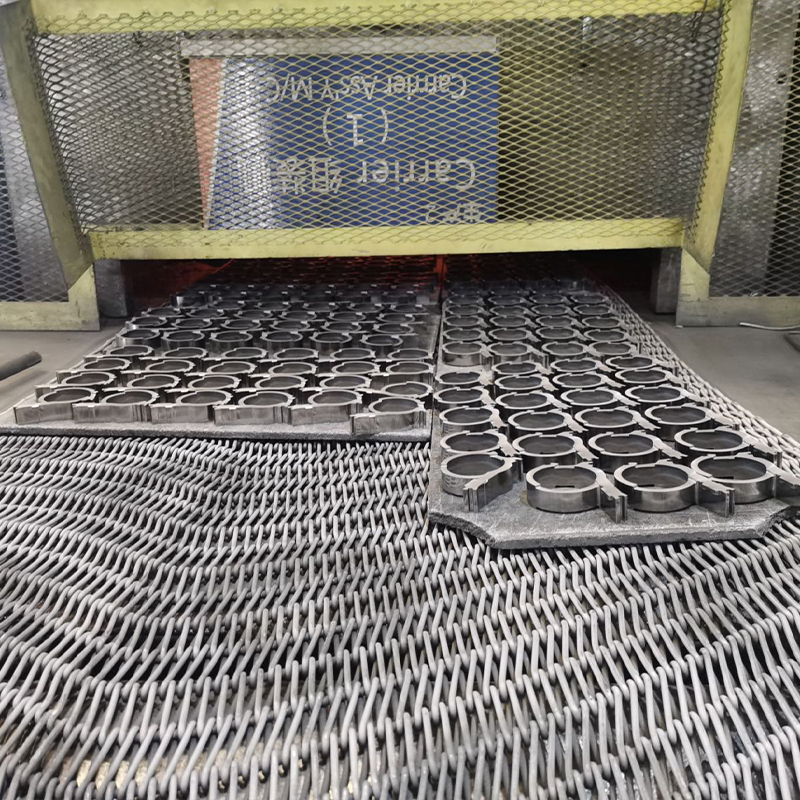
The copper-based sintering furnace mesh belt is made of high-temperature and cor...
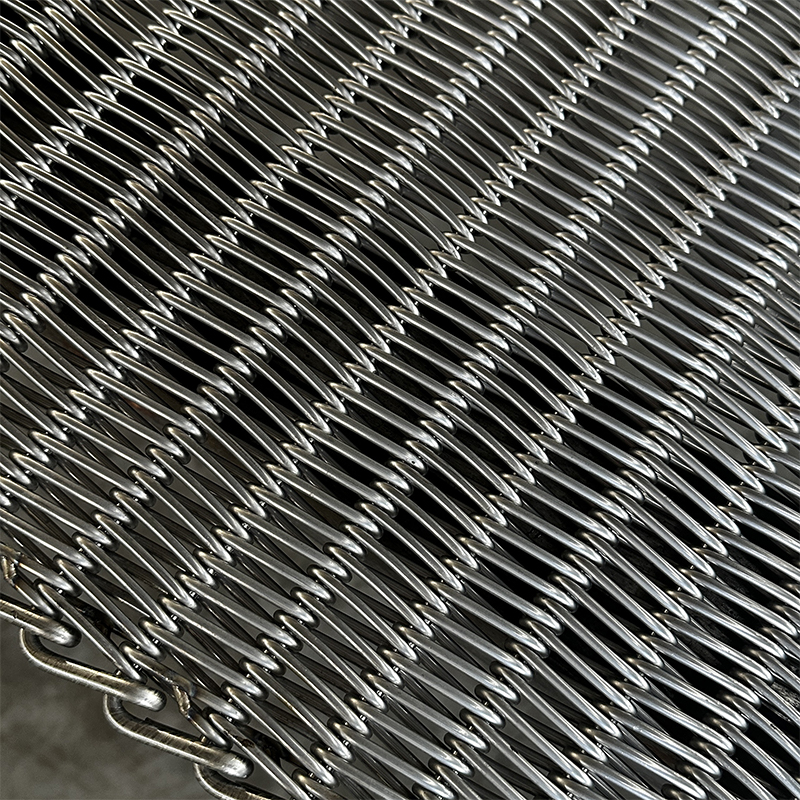
The stainless steel-based sintering furnace mesh belt is a high-performance conv...
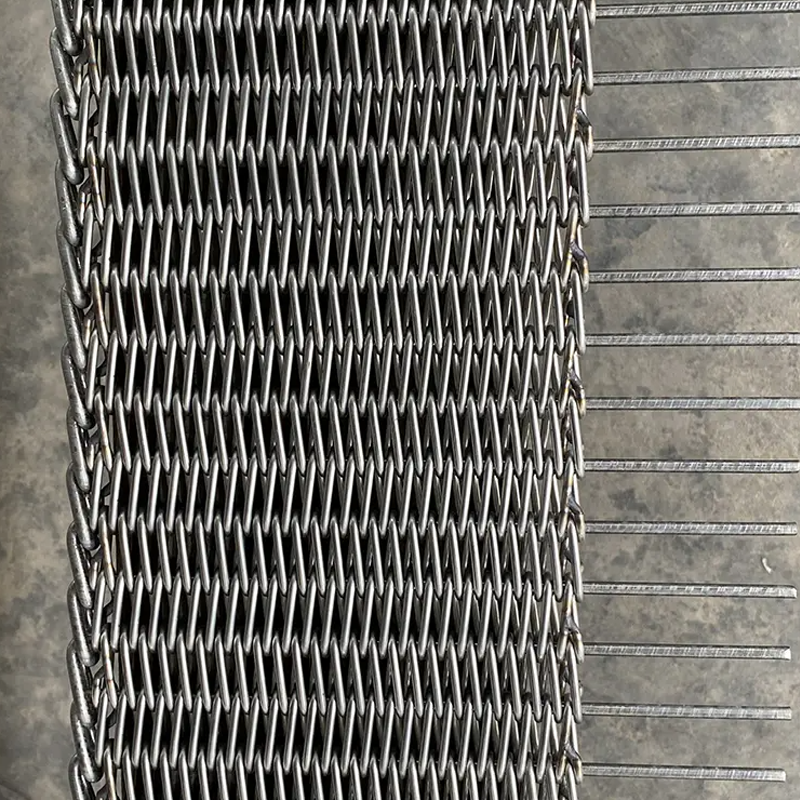
The automotive parts sintering furnace mesh belt employs a balanced weaving meth...
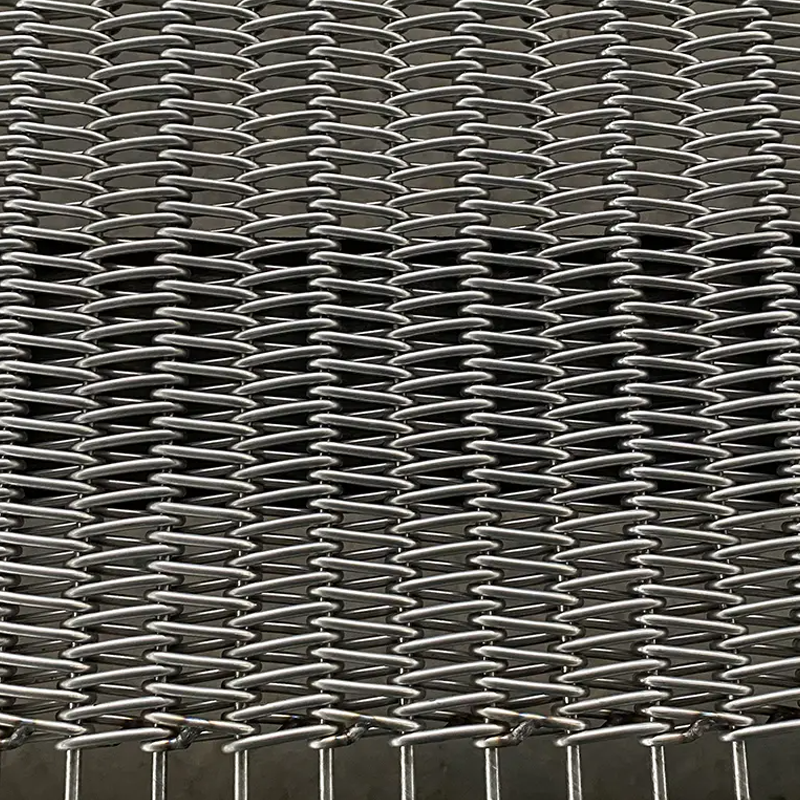
The garden tool structural components sintering furnace mesh belt is a high-perf...
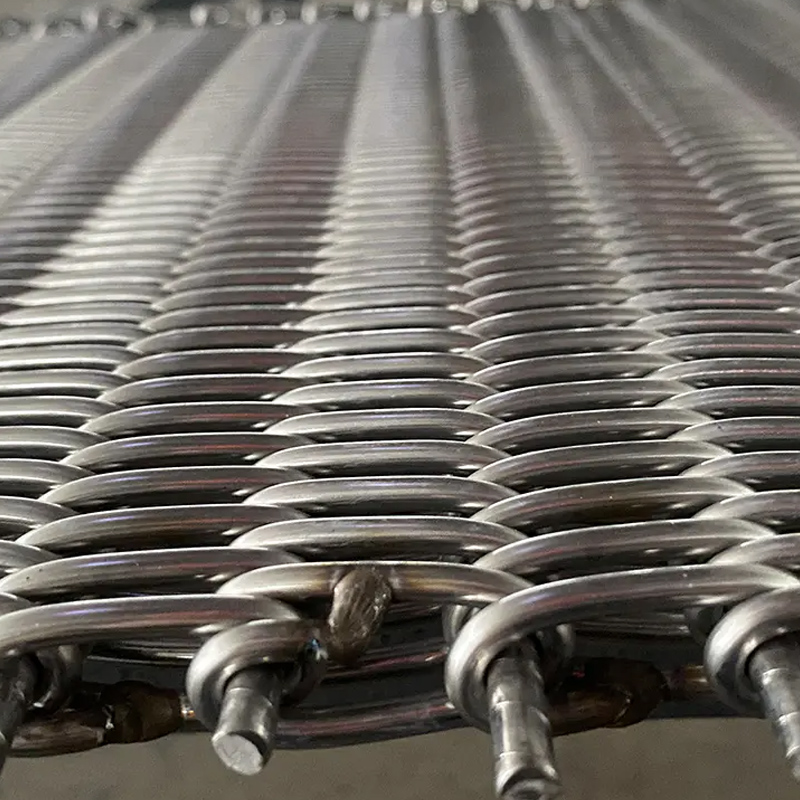
The appliance precision parts sintering furnace mesh belt is a high-performance ...
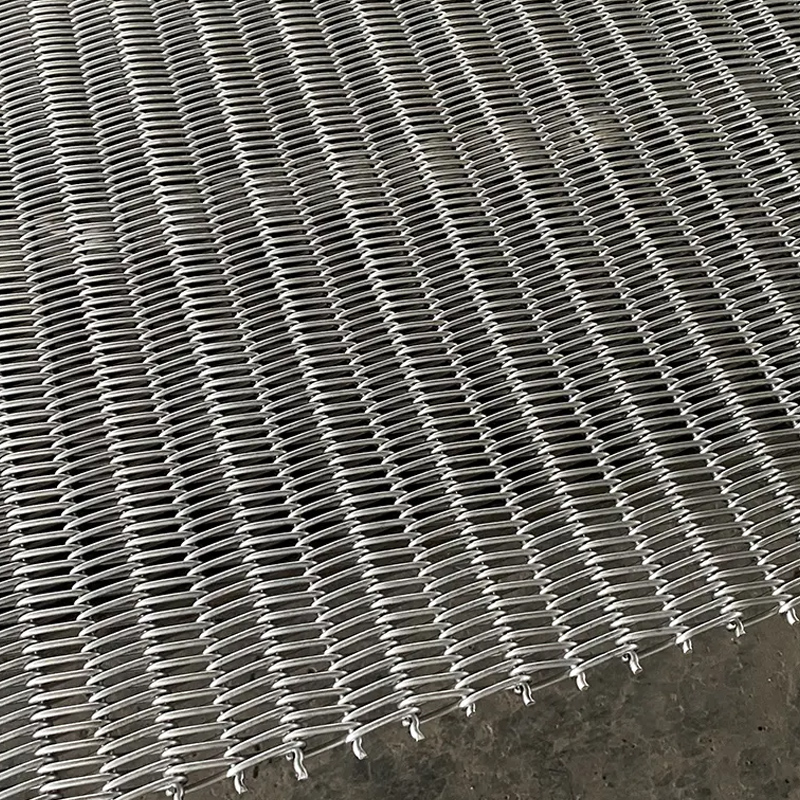
The general-purpose component sintering furnace mesh belt is manufactured from h...
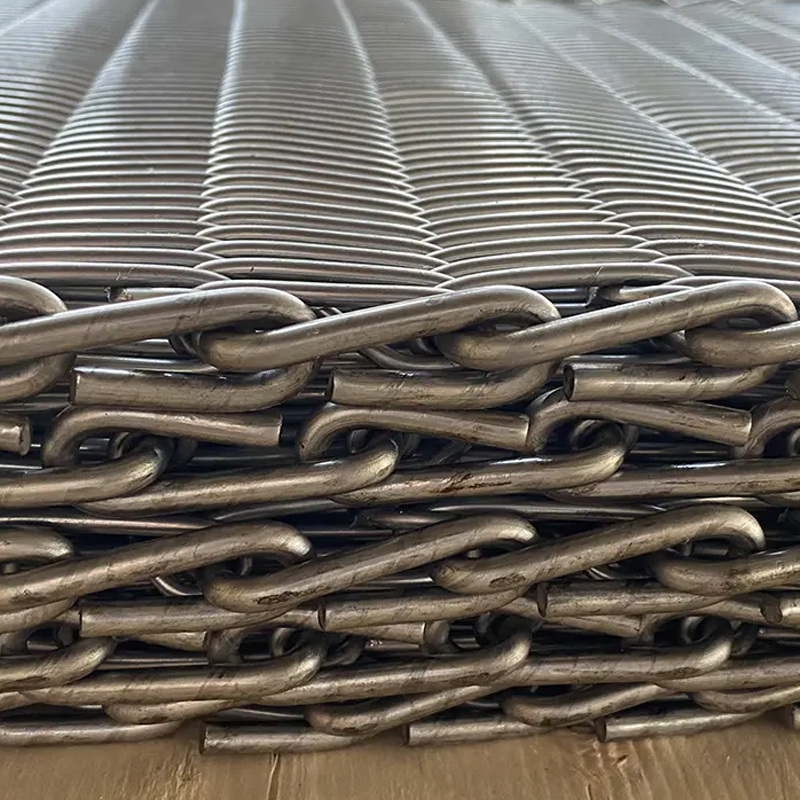
The sintering furnace mesh belt for hardware tool components maintains stable st...
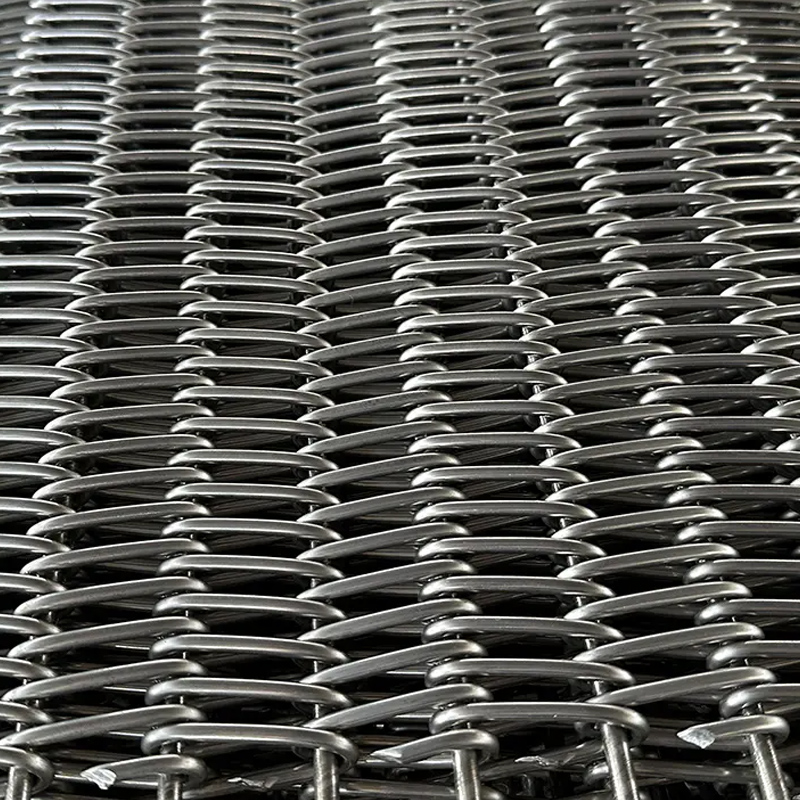
The iron-based sintering furnace mesh belt is made of high-temperature and corro...
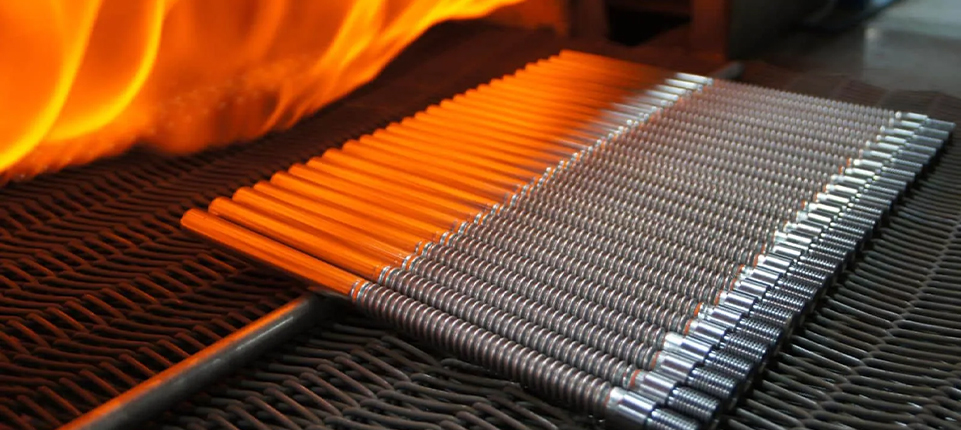
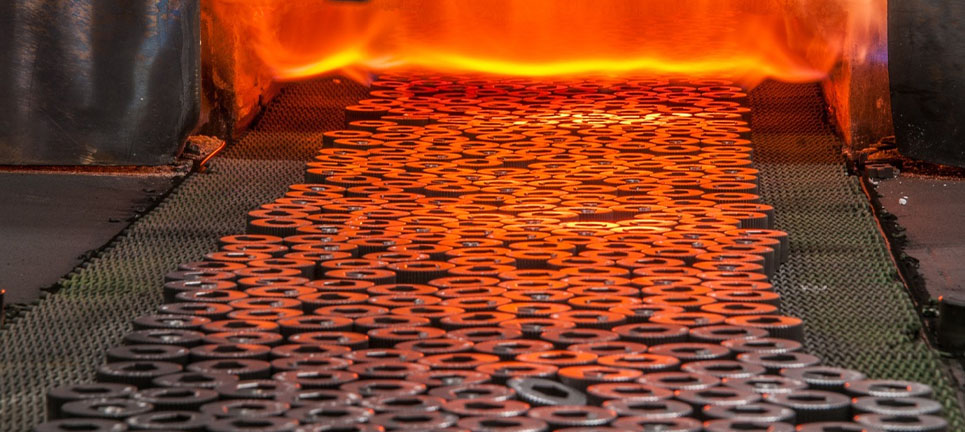
Used in continuous sintering production lines. Primarily used for pressing and forming iron-based, copper-based, and other powder metallurgy products, it performs an ideal continuous sintering process under protective atmosphere conditions. The mesh belt undergoes non-oxidative heating and cooling at high temperatures, achieving the desired final shape for the powder metallurgy product. The mesh belt is typically made of AISI 314.
Since sintering production line products are typically heavy, Yafei uses thicker wire for its powder metallurgy sintering furnace mesh belts. The edges are twisted and hooked, with the hook thickness roughly matching the mesh thickness. This results in a more durable mesh belt.
As China Powder Metallurgy Sintering Furnace Mesh Belt Manufacturers and Powder Metallurgy Sintering Furnace Mesh Belt Suppliers,
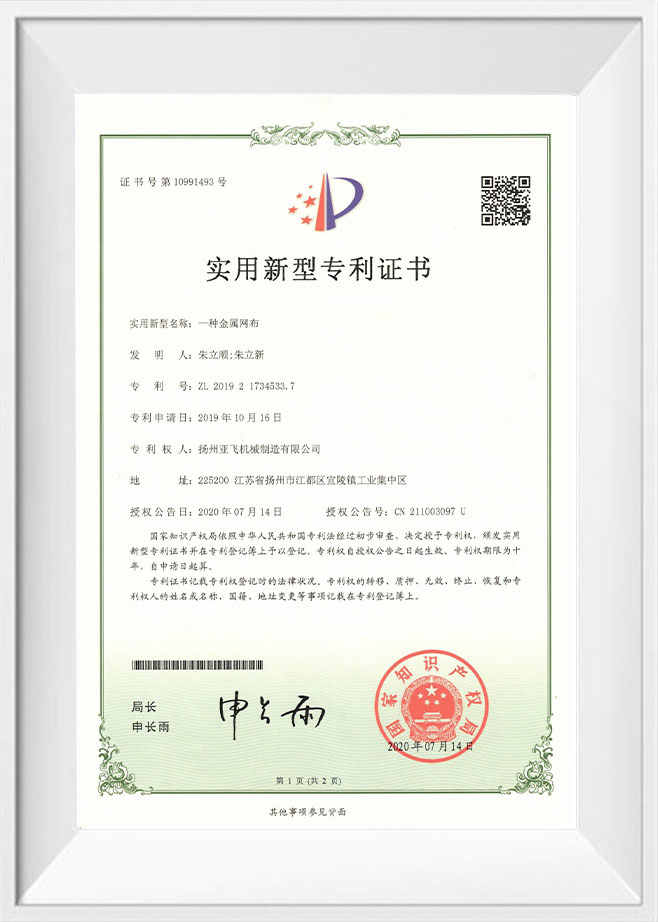
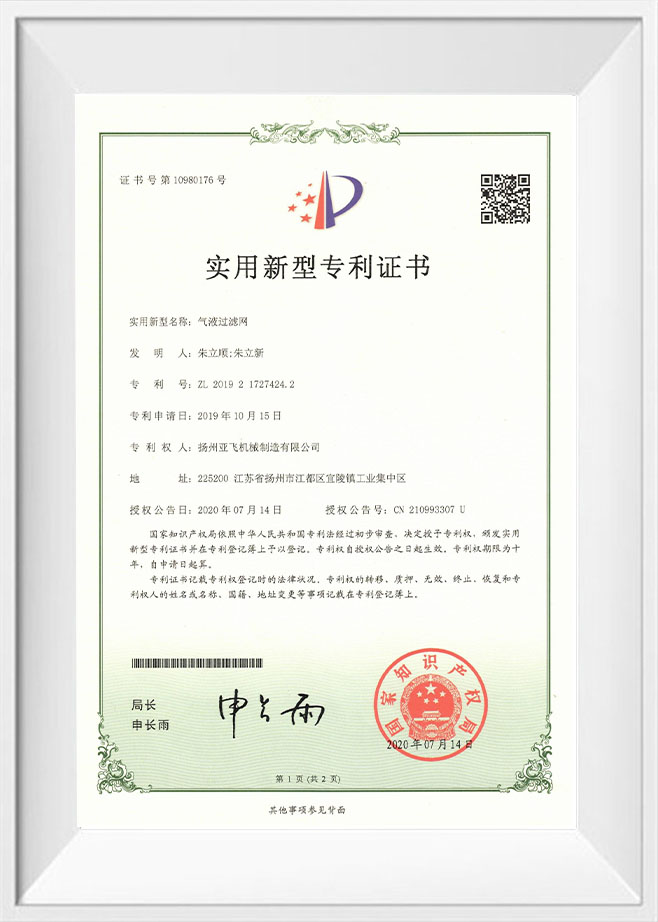
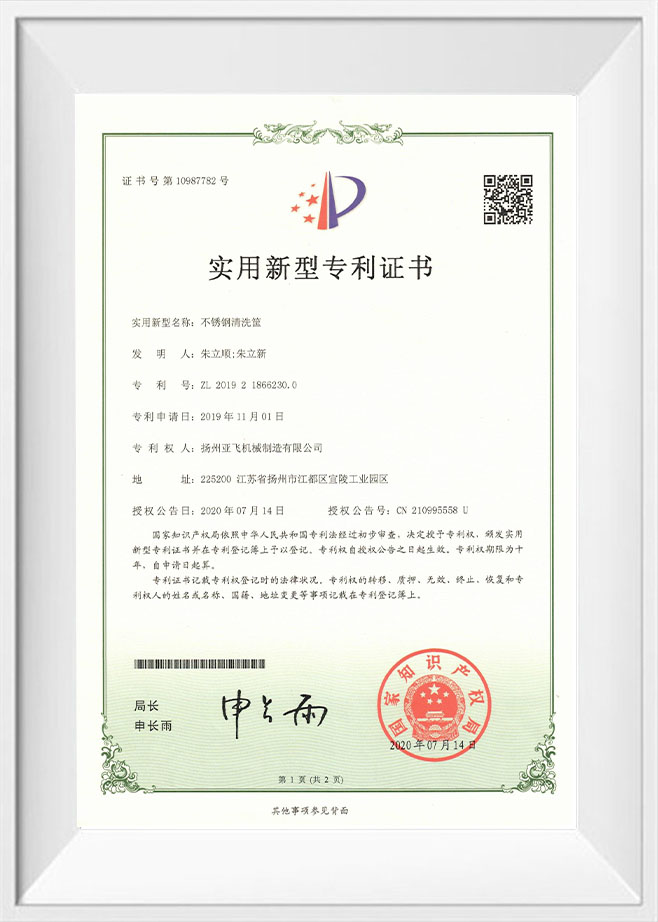
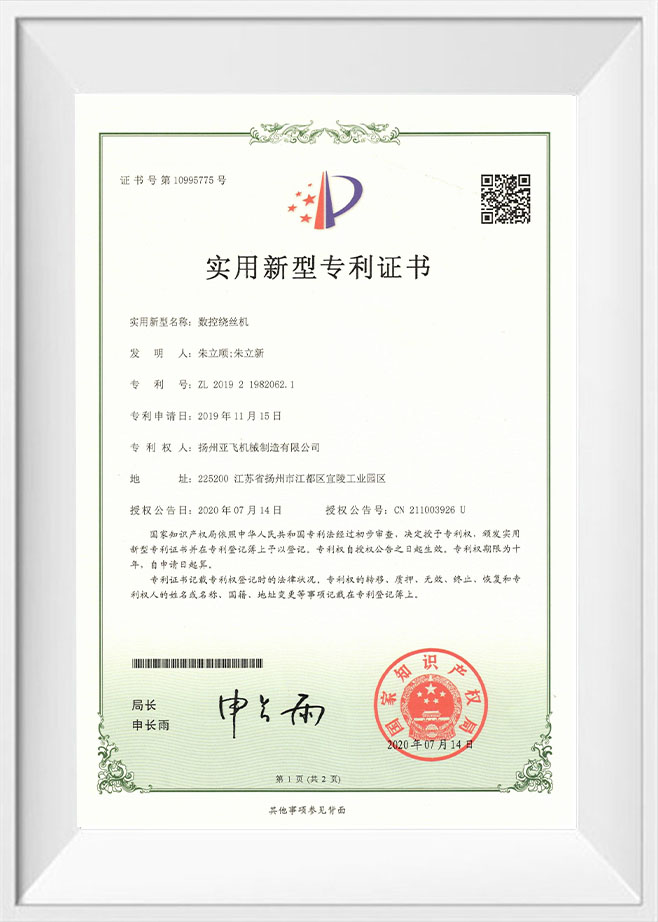
Yangzhou Yafei Machinery Manufacturing Co., Ltd. is a private scientific and technological enterprise in Jiangsu Province, formerly known as Yangzhou Yafei Metal Mesh Belt Factory, located in Yiling Industrial Park in the east of Yangzhou, with R&D, production and processing, office buildings, etc. With independent research and development of scientific and technological projects and equipment processing and manufacturing capabilities.
At present, the company is mainly engaged in: stainless steel mesh belt, conveyor mesh belt, metal mesh belt, stainless steel conveyor belt and related technology research and development, application and promotion.
Metal mesh belts have been used in beer and beverage, food, wood industry, glass, chemical industry, pharmacy, cleaning and spraying, powder metallurgy, new energy, heat treatment, industrial kiln, general conveying machinery and other industries.
Conveying machinery includes: net belt conveyor, hoist, flat top chain conveyor belt, roller conveyor, chain plate conveyor, etc. Widely used in home appliance engineering, automobile engineering, dairy beverage industry, brewing and water treatment and other fields.
A conveyor mesh belt rarely announces its own failure. It distorts, cracks, or begins tracking to one side, and a continuous furnace or production line stops the moment it does. That makes belt selection more than a spare-part purchase; it is a decision about uptime, product quality, and operating cost. The right conv...
READ MOREWhen a hardening furnace mesh belt fails, it usually does it without warning. One shift it is carrying bearing races through the high-temperature zone; the next, a torn edge catches on the return track and the whole line stops. Most of these failures were decided months earlier, when the belt specification was written...
READ MOREA continuous brazing line stops because the mesh belt has drifted to one side, the edge wires are broken, and the stainless steel parts grouping together on the belt are no longer aligned. It is a familiar scenario for maintenance teams: the furnace itself is running correctly, but the belt has become the bottleneck. ...
READ MOREGreen rot represents a destructive form of localized intergranular oxidation that targets nickel-chromium and nickel-chromium-iron alloy conveyor elements operating within specific industrial heat treatment zones. This phenomenon typically manifests in powder metallurgy sintering furnaces that utilize endothermic or partially reducing gas atmospheres containing carbon monoxide, hydrogen, and trace amounts of water vapor. When a structural transport component, such as a Powder Metallurgy Sintering Furnace Mesh Belt, is subjected to cyclic thermal ranges between 800 and 950 degrees Celsius under fluctuating oxygen potentials, it can undergo rapid internal structural degradation. Industrial equipment developers, including Yangzhou Yafei Machinery Manufacturing Co., Ltd., focus on material composition chemistry, alloy balance, and precise atmosphere control to ensure that automated net belt conveyor configurations resist this internal deterioration and maintain steady mechanical performance.
The development of green rot is a two-stage sequential chemical process that alters the internal microstructure of the conveyor wire alloy. In the first phase, the high carbon potential within the reducing furnace atmosphere drives carbon atoms to diffuse into the matrix of the nickel-chromium wire, where they react preferentially with the chromium to form dense chromium carbide precipitates along the grain boundaries. This localized reaction severely depletes the surrounding solid solution matrix of its free chromium content, lowering it well below the threshold required to maintain passive protection. In the second phase, when the belt passes through a zone with a slightly higher partial pressure of oxygen or an elevated dew point, oxygen penetrates the grain pathways. Because the protective chromium has been locked up as a carbide, the oxygen selectively attacks the remaining chromium-depleted regions, converting them into a green-tinted chromium oxide paste that possesses no mechanical tensile strength.
Selecting the correct base alloy is the primary defense strategy for preventing green rot formation in industrial conveyor components. Standard austenitic stainless steels with low nickel percentages are highly vulnerable to this mode of attack because their matrix structure allows for rapid carbon diffusion at sintering temperatures. To suppress this diffusion path, specialized heavy-duty furnace belts are manufactured using high-nickel alloys, where the nickel content typically exceeds 35 percent by weight, such as Inconel or specific Nichrome formulations. Nickel does not form stable carbides within this temperature envelope, and its presence restricts the solubility and migration velocity of carbon atoms within the iron-chromium lattice. By slowing down the initial carburization phase, the alloy prevents the structural depletion of chromium along the grain borders, preserving the component's inherent resistance to subsequent oxidation.
Modern metallurgical engineering utilizes trace elemental additions within the wire melt to build internal structural barriers against gas ingress. Silicon, when added to nickel-chromium alloys at concentrations between 1.5 and 2.5 percent, acts as an internal blocking agent. Under mild thermal oxidation, silicon migrates to form a thin, continuous sub-layer of silicon dioxide directly beneath the primary external scale. This secondary silica layer is highly resistant to both carbon injection and hydrogen reduction, preventing the gas media from interacting with the underlying chromium matrix. Similarly, adding small percentages of aluminum allows the formation of an aluminum oxide framework that remains stable even in ultra-dry reducing atmospheres, giving the mesh belt an independent passive barrier that protects the core structural wire elements from degradation.
The susceptibility of a net belt conveyor matrix to green rot depends directly on the ratio of constituent metals within the wire. The table below details how common industrial alloys respond when exposed to the alternating chemical potentials found inside high-temperature powder metallurgy furnaces.
| Alloy Nomenclature | Core Chemical Composition | Chromium Carbide Precipitation Rate | Susceptibility to Green Rot |
| AISI 304 Stainless Steel | 18% Chromium, 8% Nickel, Balance Iron | High; quick grain boundary depletion at 850 degrees Celsius | Severe; unsuited for alternating endothermic zones |
| AISI 314 Stainless Steel | 25% Chromium, 20% Nickel, 2% Silicon, Balance Iron | Moderate; silicon layer provides an initial carbon barrier | Moderate; requires tight control of furnace dew points |
| Alloy 600 (Nichrome Variant) | 16% Chromium, 72% Nickel, 8% Iron | Low; high nickel matrix restricts carbon diffusion | Low; maintains structural ductility in reducing gases |
| Inconel 601 | 23% Chromium, 61% Nickel, 1.4% Aluminum, Balance Iron | Very Low; aluminum and nickel form a dual protection zone | Negligible; resists internal oxidation over long lifecycles |
While material selection provides the physical foundation for green rot resistance, maintaining a stable gas profile within the industrial kiln is necessary to prevent the reaction from initiating. The equilibrium between carburization and oxidation is governed by the ratio of carbon monoxide to carbon dioxide, as well as the hydrogen to water vapor ratio, which is monitored via dew point analysis. If the dew point drops too low in an endothermic atmosphere, the environment becomes purely reducing and heavily carburizing, accelerating the carbide precipitation phase. Conversely, if moisture levels rise, the oxidation phase dominates. Sintering operators utilize automated gas analysis instrumentation to maintain the furnace dew point within a narrow, optimized window, typically between minus 10 and plus 5 degrees Celsius for endothermic gas, balancing the reduction of the powder metal parts with the chemical preservation of the conveyor mesh alloy.
The physical stress profile of a conveying mechanism, such as a flat top chain conveyor belt or a heavy net belt conveyor engineered by specialists like Yangzhou Yafei Machinery Manufacturing Co., Ltd., can influence the rate of chemical attack. Wires that retain high residual mechanical stresses from the cold-drawing or spiral-weaving phases possess higher grain-boundary energy levels, which lowers the activation energy required for chromium carbide formation. To neutralize this structural risk, completed mesh belt assemblies undergo a full stabilization heat treatment prior to field deployment. Heating the woven mesh past 1050 degrees Celsius followed by rapid quenching dissolves any random chromium carbides back into solid solution and relieves localized physical stresses, ensuring a uniform metallurgical baseline that resists intergranular chemical infiltration during subsequent factory operations.
Q: What specific manufacturing quality controls prevent structural defects in a Powder Metallurgy Sintering Furnace Mesh Belt?
A: The production process focuses heavily on wire consistency and mechanical precision. Advanced automated wire-drawing and spiral-weaving equipment ensure that the diameter tolerances and pitch dimensions of the mesh remain uniform across the entire length, eliminating localized structural stress points that could cause premature failure in high-heat zones.
Q: How does the stabilization heat treatment performed during production protect the mesh belt from immediate carbon damage?
A: Before the woven mesh is deployed into a furnace, a high-temperature stabilization process is applied to relieve the residual mechanical stresses left by the cold-forming and weaving stages. This process creates a uniform metallurgical baseline across the wire matrix, reducing the grain-boundary energy levels and slowing down the initial rate of carbon infiltration in reducing environments.
Q: Can the automated net belt conveyor systems be configured to handle variations in part loading density?
A: Yes, the structural design of the conveying machinery can be custom-matched to specific weight distributions. By adjusting the cross-rod diameter, pitch density, and side chain configurations, the system balances the mechanical pulling tension, allowing the mesh belt to carry shifting industrial product loads smoothly without stretching or twisting out of alignment.
Q: Why is the exact configuration of the welded button edges critical for the operational lifespan of the conveyor belt?
A: The perimeter edges of the belt face significant friction when interacting with furnace guides and tracking rollers. Utilizing precision automated welding systems to form clean, uniform button edges ensures that the cross-rods are locked securely to the outer spirals, preventing the edges from catching, fraying, or unraveling during continuous rotation cycles.
Q: How do the silicon and manganese additions within the alloy wire help maintain structural ductility at 900 degrees Celsius?
A: These specific elements migrate under mild thermal states to build a sub-surface oxide barrier just beneath the primary outer scale. This internal layer acts as a physical shield that restricts foreign carbon and nitrogen atoms from migrating deep into the core of the wire, preserving the core material's flexibility and preventing embrittlement under continuous high temperatures.
Q: What role does the internal research and development team play when a mesh belt must operate in a fluctuating furnace atmosphere?
A: The technical team analyzes the chemical parameters, temperature curves, and dew points of the client's specific furnace environment. Based on this data, they guide the selection of custom high-nickel, high-chromium alloy combinations that match the operational environment, ensuring the finished transport belt resists intergranular chemical attack over a long lifecycle.
Get A Free Consultation Now
Get A Customized Solution
The company adheres to the concept of creating value for customers and prosperity for society, aiming to build a reliable mesh belt brand and establish the century-old Yafei brand.
CONTACT INFORMATION

Yiling Industrial Park, Jiangdu District, Yangzhou City, Jiangsu Province, China

+86 13852191798
PRODUCT CATEGORIES
QUICK LINKS
MOBILE
 Custom Powder Metallurgy Sintering Furnace Mesh Belt Suppliers