 English
 русский
 عربى
عربىStandard parts quenching furnace mesh belt
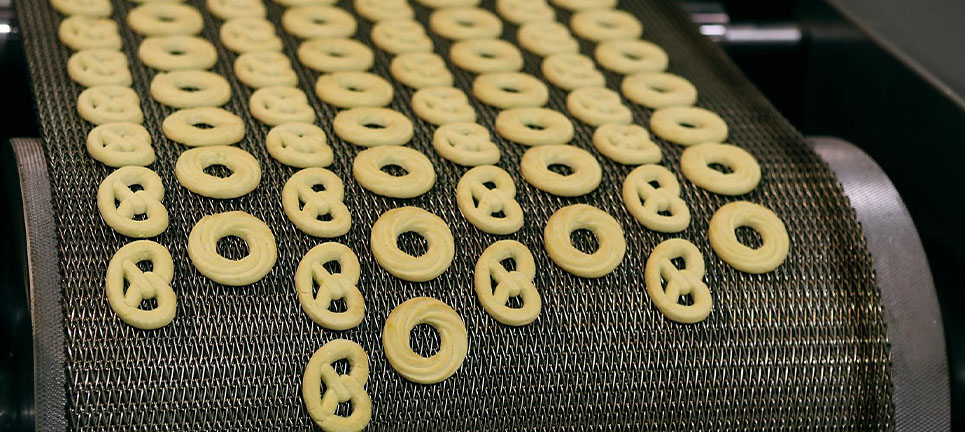
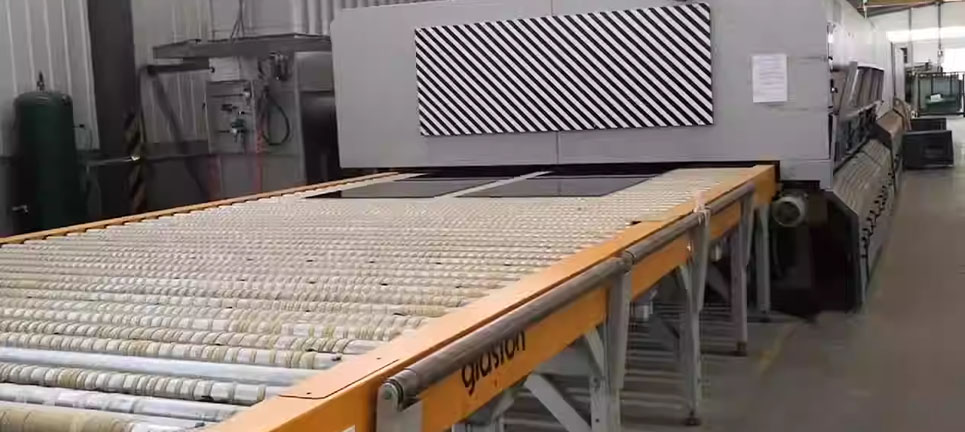
The standard parts quenching furnace mesh belt is a heat-resistant conveyor comp...
 +86 13852191798
Yangzhou Yafei Machinery Manufacturing Co., Ltd.

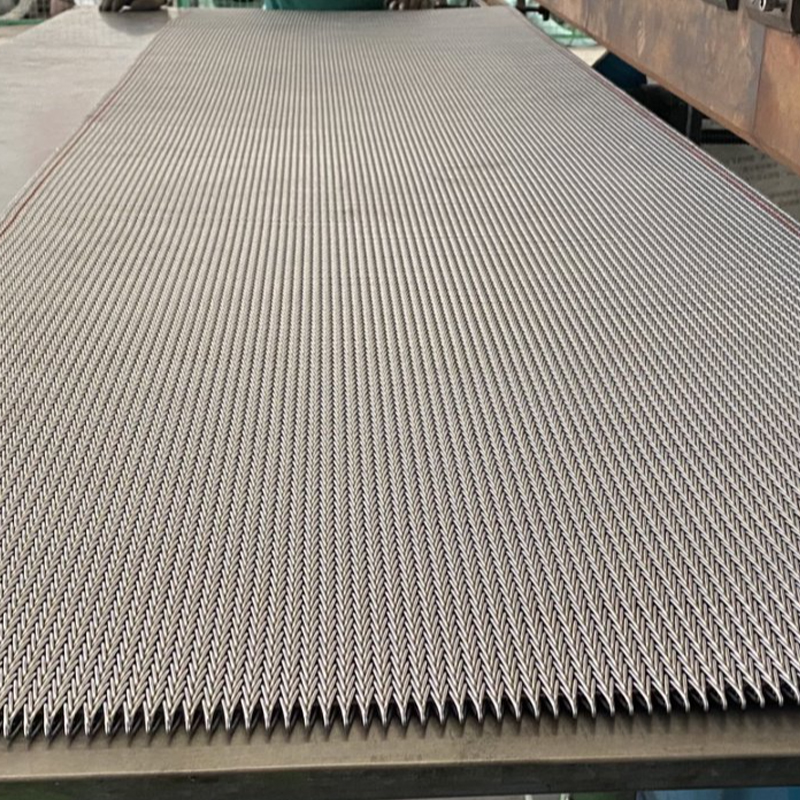
The standard parts quenching furnace mesh belt is a heat-resistant conveyor comp...
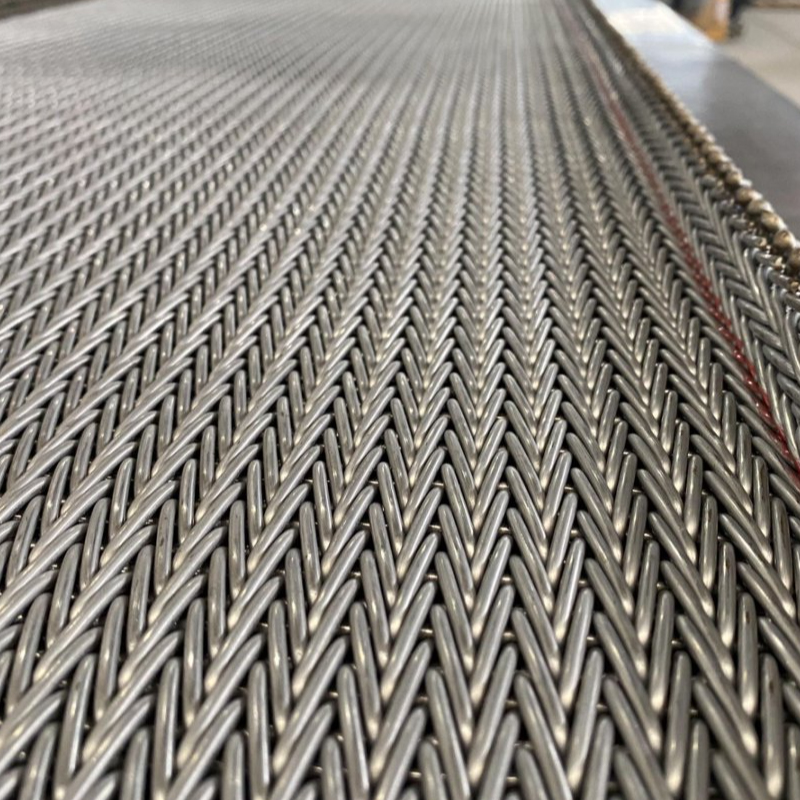
The fastener quenching furnace mesh belt is a type of heat-resistant conveyor de...
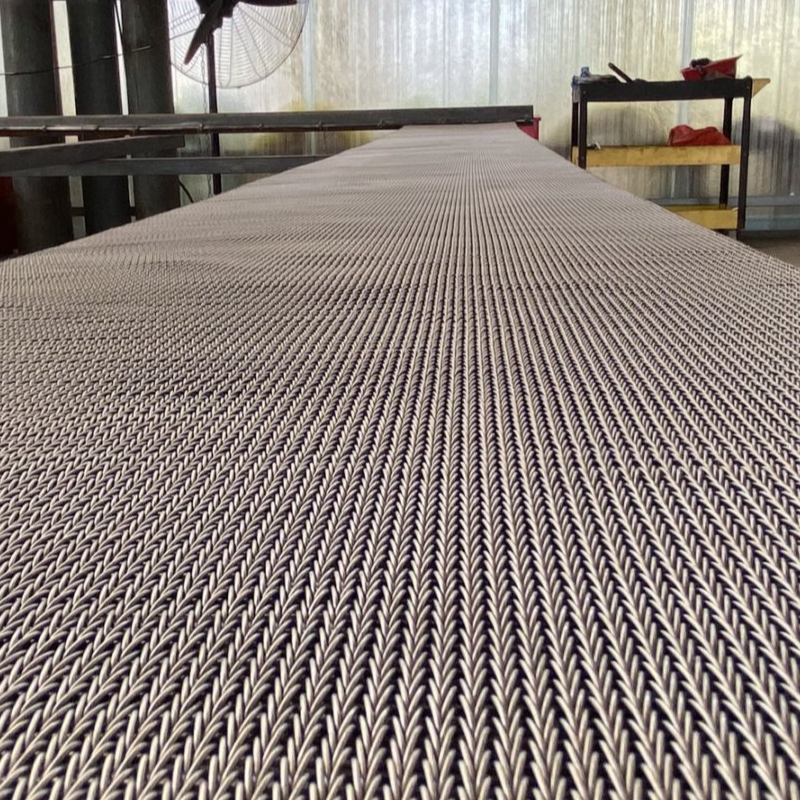
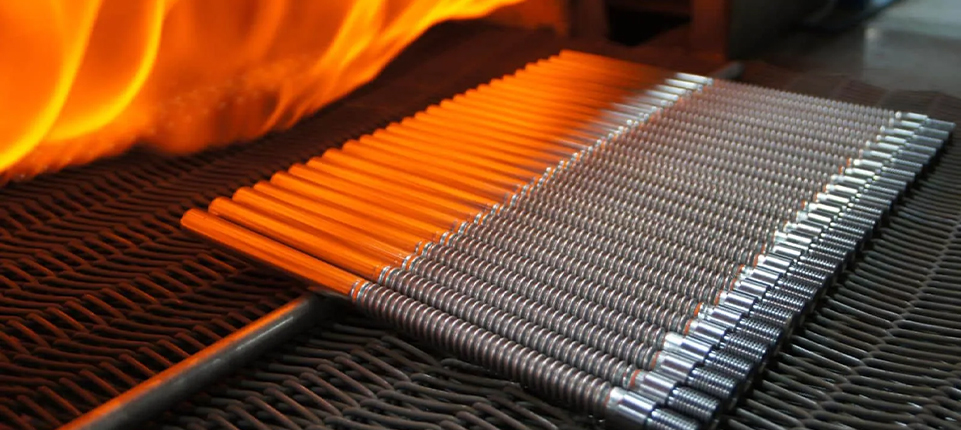
The spring quenching furnace mesh belt is a specialized heat-resistant conveyor ...
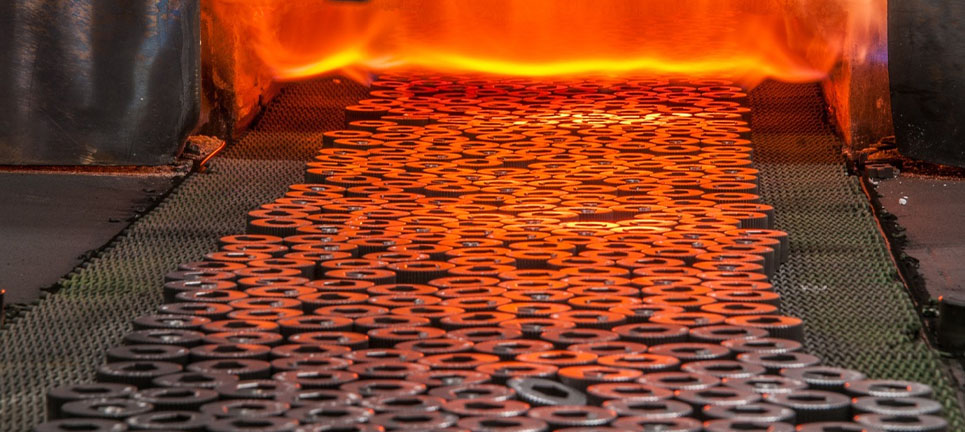
The bearing quenching furnace mesh belt is a high-performance heat-resistant con...
The mesh belt weaving adopts a herringbone encryption structure, which has high load-bearing capacity and tensile strength, and can maintain stable performance during long-term operation. In order to effectively prevent parts from leaking or slipping during the transmission process, the edge of the mesh belt is designed to be folded or equipped with a baffle structure, which not only enhances the overall stability but also improves safety. During the transportation process, the mesh belt will smoothly send the workpiece into the heating zone controlled by the temperature control system to ensure uniform heating and controllable temperature. The workpiece then falls directly into the quenching oil tank to complete the rapid cooling process. In order to improve production efficiency, the matching mesh belt elevator can realize the automatic removal of workpieces, reduce manual intervention, and ensure the consistency and efficiency of the production process. It is suitable for long-term continuous heat treatment and quenching operations of standard parts, fasteners, automotive parts, hardware tools, spring parts, bearings and other products.
As China Hardening Furnace Mesh Belt Manufacturers and Quenching Furnace Mesh Belt Suppliers,
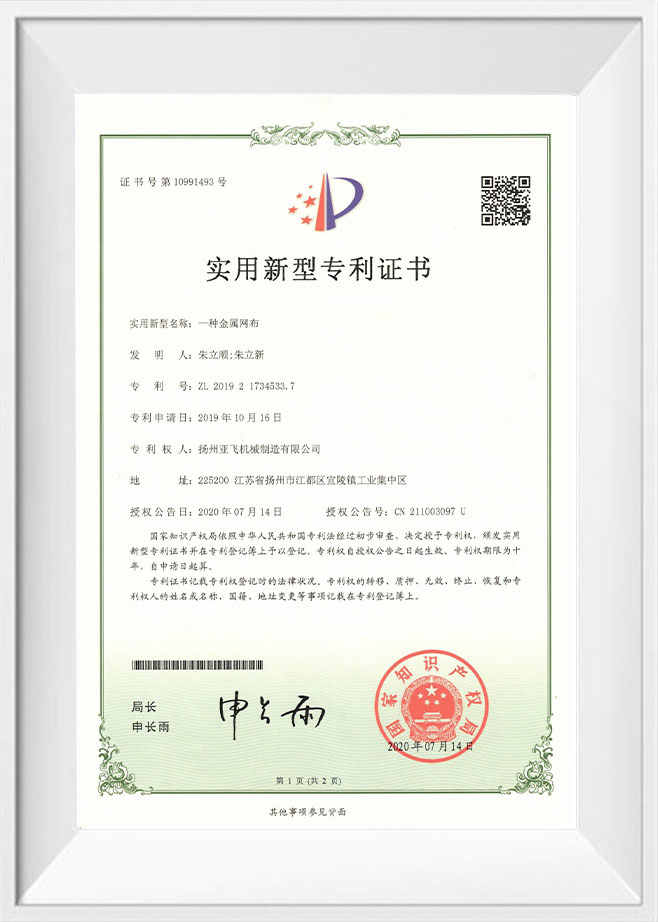
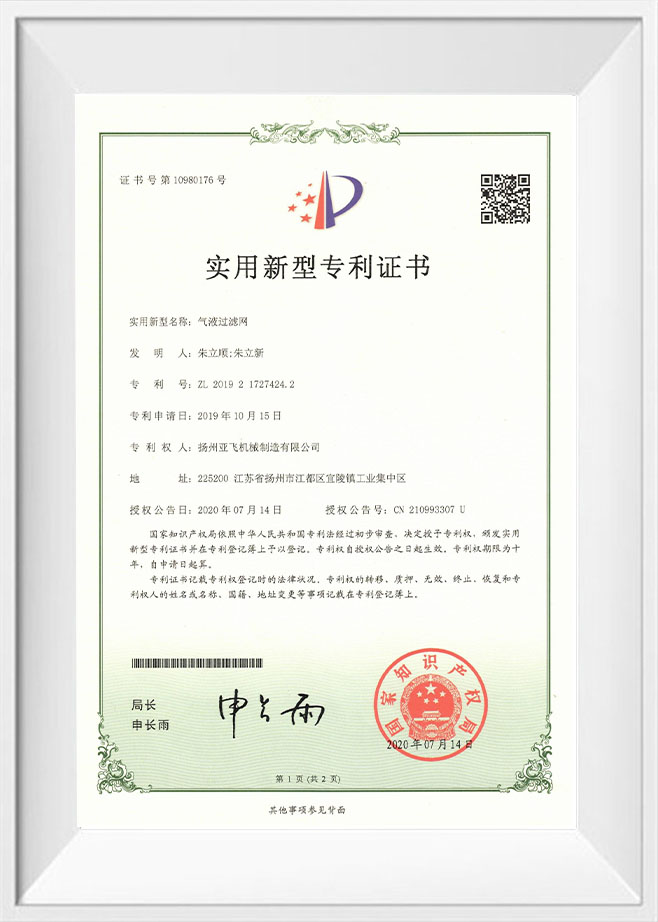
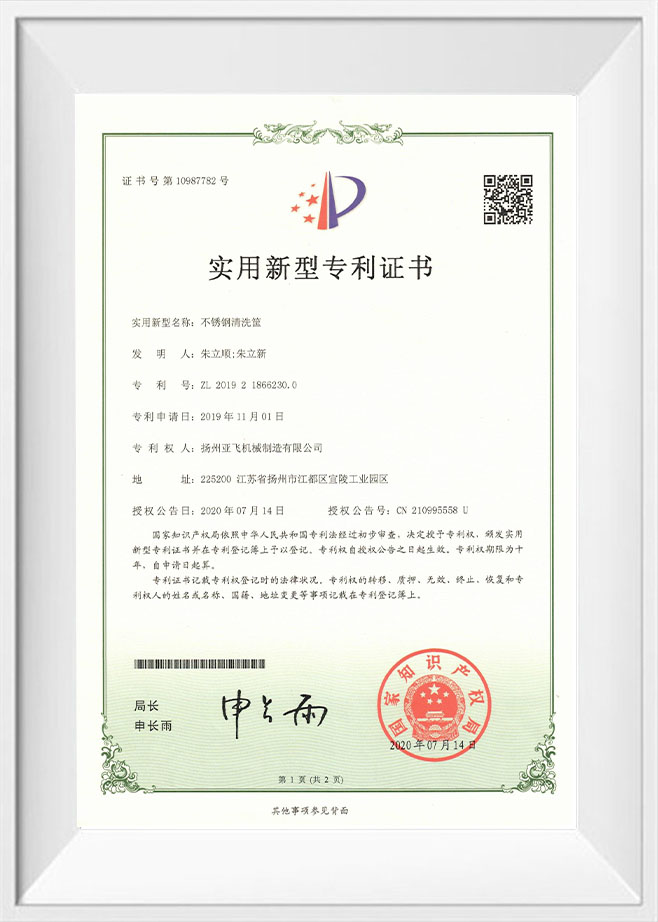
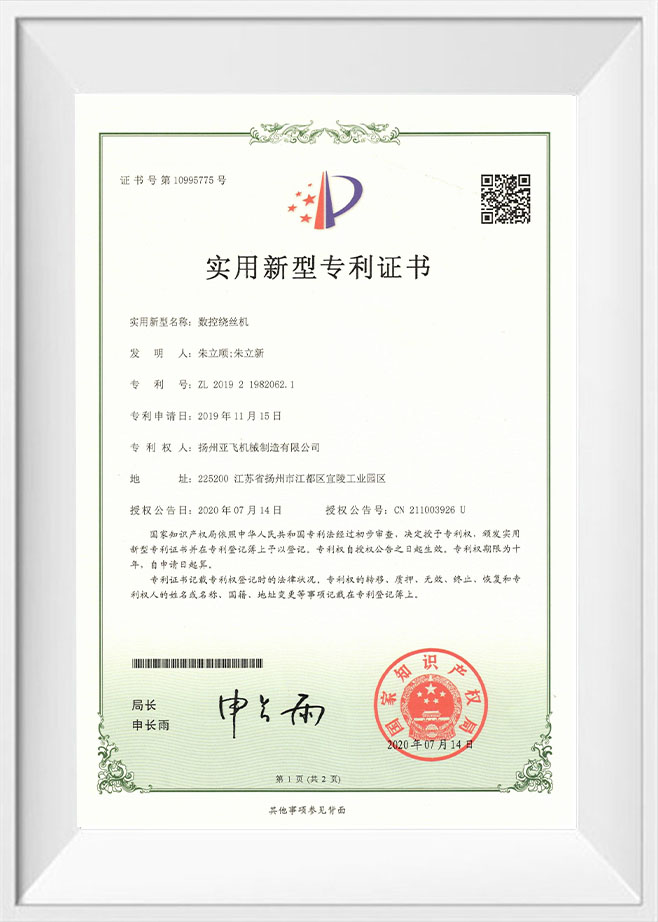
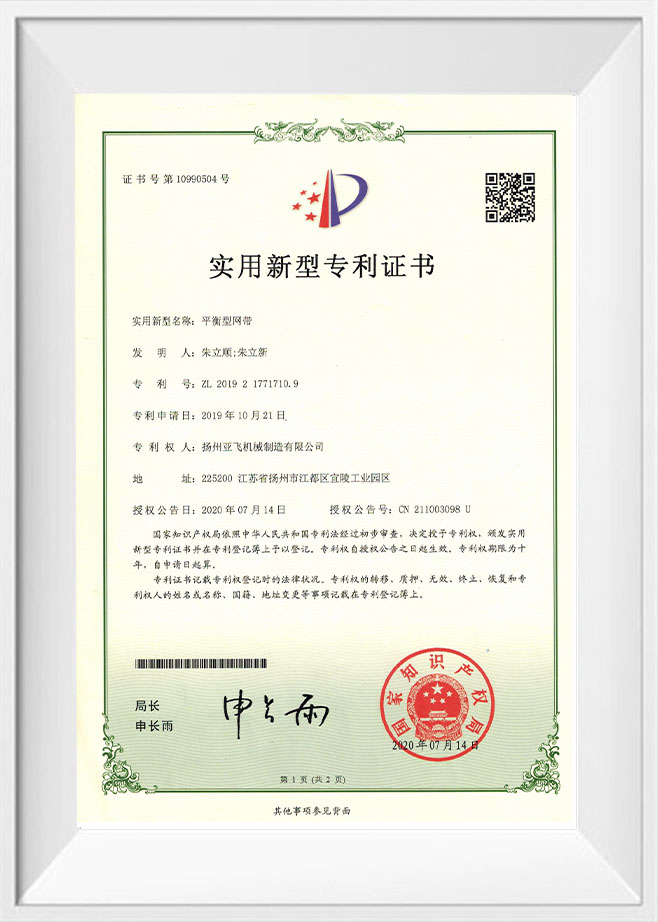
Yangzhou Yafei Machinery Manufacturing Co., Ltd. is a private scientific and technological enterprise in Jiangsu Province, formerly known as Yangzhou Yafei Metal Mesh Belt Factory, located in Yiling Industrial Park in the east of Yangzhou, with R&D, production and processing, office buildings, etc. With independent research and development of scientific and technological projects and equipment processing and manufacturing capabilities.
At present, the company is mainly engaged in: stainless steel mesh belt, conveyor mesh belt, metal mesh belt, stainless steel conveyor belt and related technology research and development, application and promotion.
Metal mesh belts have been used in beer and beverage, food, wood industry, glass, chemical industry, pharmacy, cleaning and spraying, powder metallurgy, new energy, heat treatment, industrial kiln, general conveying machinery and other industries.
Conveying machinery includes: net belt conveyor, hoist, flat top chain conveyor belt, roller conveyor, chain plate conveyor, etc. Widely used in home appliance engineering, automobile engineering, dairy beverage industry, brewing and water treatment and other fields.
A conveyor mesh belt rarely announces its own failure. It distorts, cracks, or begins tracking to one side, and a continuous furnace or production line stops the moment it does. That makes belt selection more than a spare-part purchase; it is a decision about uptime, product quality, and operating cost. The right conv...
READ MOREWhen a hardening furnace mesh belt fails, it usually does it without warning. One shift it is carrying bearing races through the high-temperature zone; the next, a torn edge catches on the return track and the whole line stops. Most of these failures were decided months earlier, when the belt specification was written...
READ MOREA continuous brazing line stops because the mesh belt has drifted to one side, the edge wires are broken, and the stainless steel parts grouping together on the belt are no longer aligned. It is a familiar scenario for maintenance teams: the furnace itself is running correctly, but the belt has become the bottleneck. ...
READ MOREIn continuous heat treatment production lines, the Quenching Furnace Mesh Belt plays a core role in carrying workpieces through extreme high-temperature environments. It is not only the physical carrier for transporting workpieces from the heating zone to the cooling zone but also a key component ensuring the continuity and consistency of the heat treatment process. As workpieces pass through the high-temperature quenching furnace, the mesh belt must maintain structural stability while enduring continuous high temperatures, ensuring the uniformity of the workpiece's heat absorption, which directly affects the final hardness distribution and metal structure of the metal products.
To ensure the equipment operates in various harsh environments, Yangzhou Yafei Machinery Manufacturing Co., Ltd., with its deep accumulation in the field of metal mesh belts, has designed a Quenching Furnace Mesh Belt that can effectively meet the strict requirements for high strength and deformation resistance of heat treatment furnaces. As a high-tech enterprise that has been deeply involved in Jiangsu Province for many years, Yangzhou Yafei Machinery Manufacturing Co., Ltd. has transformed from the former Yangzhou Yafei Metal Mesh Belt Factory. It not only retains the manufacturing DNA of metal mesh belts but also combines modern engineering needs with independently developed processing technologies, ensuring that every delivered mesh belt can achieve highly reliable operation in industrial kilns.
In the actual heat treatment flow, the operational stability of the Quenching Furnace Mesh Belt determines whether the residence time of the workpiece in the furnace is precise. Since heat treatment often has nearly demanding requirements for time control, any slight transmission jitter may lead to uneven workpiece hardness or even deformation. Therefore, the mesh belt is not just a "conveying tool"; it is the first line of defense that determines production quality.
Choosing a Quenching Furnace Mesh Belt that can withstand the harsh tests of a quenching furnace is not just about specifications; it requires precise calculation based on the heating temperature, load density, and atmosphere environment inside the furnace. If the selection is improper, the mesh belt will not only frequently undergo tensile deformation but may also soften or break at high temperatures, leading to a shutdown of the entire production line.
Regarding material selection, high-temperature resistance is the core consideration. By evaluating the creep resistance and oxidation resistance of different materials, engineers usually make decisions based on the furnace temperature range:
| Key Parameter | High-Temp Cr-Ni Alloy (e.g., SUS310S/Inconel base) | Standard Heat-Resistant Stainless Steel (e.g., SUS304/314 base) |
| Max Operating Temp | 1150°C - 1200°C | 800°C - 950°C |
| Oxidation Resistance | Excellent (suitable for protective atmosphere furnaces) | General (easy to form oxide layers at high temps) |
| Creep/Deformation Resistance | High (suitable for heavy loads & long-distance transport) | Medium (suitable for light-load conditions) |
| Thermal Expansion Coeff | Low (excellent dimensional stability) | Medium |
To meet the needs of different heat treatment processes, Yangzhou Yafei Machinery Manufacturing Co., Ltd. pays special attention to the matching of mesh belt structure and workpiece load during the R&D process. As a high-tech enterprise integrating R&D, production, and processing, its modern production base in Yiling Industrial Park, Yangzhou, is equipped with advanced processing equipment. Yangzhou Yafei Machinery Manufacturing Co., Ltd. can optimize the mesh belt pitch and wire diameter ratio to control the open area ratio. This parameter is crucial; a reasonable open area ratio not only ensures the uniform circulation of protective atmosphere in the furnace but also ensures that the quenching medium (such as oil, water, or polymer solution) can instantly penetrate the mesh belt and contact the workpiece when the belt turns into the quenching tank, ensuring consistency in cooling speed.
Besides material and structure, the compatibility of the drive system is also a factor that cannot be ignored when choosing a Quenching Furnace Mesh Belt. Whether it is spiral wound or chain-driven, the meshing precision between the mesh belt and the transmission mechanism in the furnace determines the operating efficiency of the system. Relying on its comprehensive strength in the field of conveying machinery, Yangzhou Yafei Machinery Manufacturing Co., Ltd. can not only provide high-performance mesh belts but also, from a global perspective, combined with the company's application experience in chain plate conveyors, roller conveyors, and other related equipment, provide customers with complete conveying scheme suggestions. Through this deep technical integration, the mechanical synchronization of the mesh belt in the high-temperature quenching cycle is ensured, effectively avoiding process errors caused by mesh belt snaking or slipping.
The Quenching Furnace Mesh Belt is subjected to extreme tests from three dimensions: heat, chemicals, and mechanics during its service. Many production line downtime failures are often not caused by a single violent impact but by fatigue failure caused by long-term accumulation.
The mesh belt travels back and forth between the heating zone (high temperature) and the quenching medium (low temperature), and huge thermal gradient changes will cause severe expansion and contraction of the metal material. This high-frequency thermal cycling is extremely prone to causing stress concentration at the junction of the mesh belt. Yangzhou Yafei Machinery Manufacturing Co., Ltd. discovered during product R&D for the heat treatment industry that when the linear expansion coefficient of the mesh belt material does not match the operating temperature, tiny micro-cracks will expand within a short period, eventually leading to overall structural fracture. As a high-tech enterprise deeply engaged in technical R&D, Yangzhou Yafei Machinery Manufacturing Co., Ltd. has developed a mesh belt weaving structure with stronger anti-stress impact capability through field testing of the fatigue life of metal materials in high-temperature kiln environments, effectively extending the service life of the mesh belt under extreme temperature differences.
In special heat treatment processes such as carburizing or nitriding, carbon atoms in the furnace atmosphere will slowly permeate into the metal structure, causing material embrittlement. The following is a comparison of life attenuation factors of the mesh belt under several common environments:
| Failure Factor | Carburizing Atmosphere | Neutral Protective Atmosphere | Air/Oxidizing Atmosphere |
| Main Damage Mechanism | Carbide precipitation leading to intergranular embrittlement | Normal high-temp creep | Oxide scale peeling and thinning |
| Impact on Mesh Belt | Significant loss of flexibility, easy to fracture | Structure gradually elongates | Continuous decrease in load capacity |
| Prevention Difficulty | High (requires high-Ni alloy materials) | Medium (standard alloys are sufficient) | Low (focus on material selection) |
Yangzhou Yafei Machinery Manufacturing Co., Ltd., relying on the complete production chain in Yiling Industrial Park, Yangzhou, not only focuses on production but also incorporates feedback on mesh belt operational data into the R&D process. By analyzing the mechanical wear of the mesh belt in actual working conditions, the company has clarified the contribution of the friction coefficient between supporting rollers and the mesh belt to failure. Experience shows that many "sudden" belt breaks are essentially caused by excessive local tension due to transmission synchronization deviations, superimposed on carburizing corrosion on the material surface. With its rich experience in the field of conveying machinery, Yangzhou Yafei Machinery Manufacturing Co., Ltd. can help customers reduce the mechanical fatigue risk of the mesh belt in corrosive environments by debugging the load distribution of the transmission system.
To maximize the service life of the Quenching Furnace Mesh Belt, the core lies in reducing unexpected stress accumulation and physical wear. Often, premature scrapping of the mesh belt is not a material quality issue but a lack of refined maintenance specifications for high-temperature conditions.
The most important point is "thermal inertia management." The cooling process after the mesh belt enters the quenching tank is the moment when thermal stress is most concentrated. If the heating and cooling curves are too steep, the microstructure inside the mesh belt material will produce dislocations due to thermal expansion and contraction. Yangzhou Yafei Machinery Manufacturing Co., Ltd. suggests that one should try to maintain the stability of the furnace temperature in the production plan and avoid frequent and large temperature adjustments. As an expert with rich experience in industrial kiln supporting fields, Yangzhou Yafei Machinery Manufacturing Co., Ltd. especially emphasizes the importance of "slow preheating" when guiding customers in operation—letting the mesh belt warm up synchronously with the furnace temperature in a no-load state, which can significantly reduce the internal stress of the metal structure.
In terms of daily cleaning and lubrication, strategies need to be formulated according to the material and working conditions of the mesh belt. The table below compares the impact of different maintenance measures on mesh belt life:
| Maintenance Measure | Operation Specification | Impact on Life |
| Thermal Shock Control | Slow heat up to operating temp, avoid sudden cooling/heating | Reduce crack generation, improve fatigue resistance |
| Regular Tension Re-check | Weekly check of chain sprocket engagement & tension | Prevent local tensile damage caused by deviation |
| Regular Carbon Cleaning | Clean oxide residues and carbon in mesh | Ensure quenching medium exchange efficiency, prevent overheating |
| Lubrication Check | Check wear of drive chains and bearings | Reduce transmission load, reduce mesh belt distortion |
In addition, abnormalities of the Quenching Furnace Mesh Belt can often be detected from sound and running tracks. As the senior engineering team of Yangzhou Yafei Machinery Manufacturing Co., Ltd., they found that when the mesh belt starts to make periodic "clicking" sounds, it usually means that the supporting rollers or transmission chain links have worn out. At this time, if the conveying machinery adjustment technology provided by Yangzhou Yafei Machinery Manufacturing Co., Ltd. can be used for timely shaft alignment, the remaining service life of the mesh belt can often be extended by more than 30%.
The company is not only committed to producing stainless steel mesh belts but also incorporates this maintenance philosophy into the design philosophy of its full set of conveying equipment (such as net belt conveyors or chain plate conveyors). By introducing more intelligent monitoring nodes, Yangzhou Yafei Machinery Manufacturing Co., Ltd. helps customers achieve a maintenance upgrade from "post-event rescue" to "pre-event warning." This ultimate control over details ensures that even on high-intensity heat treatment assembly lines operating 24 hours a day, the mesh belt can maintain stable transmission efficiency, thereby ensuring the economic benefits of the overall heat treatment process.
In modern industrial manufacturing, the flexibility of the Quenching Furnace Mesh Belt provides heat treatment processes with extremely high process adaptability. Whether it is batch processing of micro-precision fasteners or heavy-duty quenching of automotive chassis components, its conveying efficiency directly determines the production pace.
Different industries have differentiated requirements for the size, weight, and beat of workpieces for heat treatment, which also urges mesh belt conveyor systems to make targeted adjustments during design. Yangzhou Yafei Machinery Manufacturing Co., Ltd., relying on its deep accumulation in various fields of conveying machinery, can optimize the structural configuration of the mesh belt according to the specific needs of different industries. For example, in the field of powder metallurgy, workpieces are often small in volume and densely distributed, which requires the Quenching Furnace Mesh Belt to have extremely high density and flatness to prevent workpieces from falling or piling up during transmission; while in the gear quenching process of automobile manufacturing, the single-piece weight is large, and the mesh belt needs to have stronger tensile strength and support rigidity.
The table below lists a comparison of the key points of mesh belt design parameters in different application scenarios:
| Application Industry | Typical Workpiece Characteristics | Core Requirements for Mesh Belt Performance | Yangzhou Yafei Machinery Manufacturing Co., Ltd. Optimization Direction |
| Fasteners & Stampings | Light weight, large quantity, easy to pile | High air permeability & uniform heat dissipation | Increase mesh opening density, improve medium circulation efficiency |
| Automotive Parts | Heavy single piece, large size | High load-bearing stiffness & impact resistance | Strengthen transmission chain links, improve structural stability |
| Powder Metallurgy | High precision, densely distributed | High flatness, smooth operation | Adopt high-precision weaving process, reduce transport vibration |
| General Industrial Kilns | Mixed variety of parts | Wide temperature compatibility | Optimize material ratio, improve heat fatigue life |
As a high-tech enterprise with independent R&D capabilities, Yangzhou Yafei Machinery Manufacturing Co., Ltd. has cleverly transferred its conveying experience accumulated in fields such as beer and beverage, glass processing, and the chemical industry to heat treatment equipment. This cross-industry comprehensive technical vision gives them advantages when solving complex transmission problems. For example, when facing high-speed quenching lines with certain special requirements, the company not only provides mesh belts but also integrates its technical solutions in the fields of hoists and roller conveyors. By optimizing the conveying speed at the upstream and downstream connection points, it ensures that the workpiece does not produce impact due to the inertia of the mesh belt at the instant before and after entering the quenching oil tank.
Through these practical cases, it can be found that the performance of the Quenching Furnace Mesh Belt is no longer singular. Professional manufacturing forces represented by Yangzhou Yafei Machinery Manufacturing Co., Ltd. are helping customers in the automotive, home appliance, and metal processing industries through customized mesh belt schemes. While realizing large-scale automated production, they have minimized the scrap rate caused by heat treatment process errors, truly achieving the synchronous improvement of production efficiency and product quality.
In communication with numerous industrial kiln and heat treatment production line customers, we found that users' concerns about the Quenching Furnace Mesh Belt often focus on the stability of operation and the judgment of the replacement cycle. As Yangzhou Yafei Machinery Manufacturing Co., Ltd., which possesses deep R&D and manufacturing capabilities in this field, we have organized the following common questions based on long-term engineering practice experience, aiming to provide you with the most practical technical reference.
Mesh belt deviation is usually not caused by a single reason but is a systemic problem. The most common situation is that the drive shaft and the driven shaft are not parallel, or the force on both sides of the tensioning device is uneven. Yangzhou Yafei Machinery Manufacturing Co., Ltd. suggests that when installing a new mesh belt, be sure to first ensure that the transmission system is in an absolutely horizontal state through the diagonal measurement method. If the deviation persists, you should also check whether the mesh belt has local deformation and ensure that the support rails have no bumps caused by carbon deposits, because these tiny obstacles are often the inducement for "snaking."
The core of judging the life of the mesh belt lies in observing its physical wear and material deterioration degree. You can refer to the following characteristics for self-assessment:
| Wear Characteristic | Phenomenon Description | Potential Risk |
| Wire Diameter Thinning | Wire diameter reduction caused by surface oxidation > 15% | Significant decrease in load capacity, may break at any time |
| Intergranular Embrittlement | Mesh surface becomes brittle, powder falls off upon touch | Extremely easy to have sudden belt breaking at turns |
| Permanent Elongation | Mesh belt length increases, even exceeding tension limit | Leads to chain link derailment, affecting transmission precision |
| Edge Cracking | Edge wire rings break or deform | Damages kiln rails, triggers serious transmission failures |
Water-based quenching liquid is indeed more corrosive to metal materials than oil-based media. Yangzhou Yafei Machinery Manufacturing Co., Ltd. suggests that if your process must use a water-based medium, you should give priority to choosing special alloy materials with higher nickel and chromium content. In addition, anti-corrosion measures after production gaps are crucial—be sure to rinse the mesh belt with clear water after shutdown and dry it as much as possible to prevent electrochemical corrosion from occurring rapidly under residual droplets.
This is essentially a question of "life-cycle cost." Standard stainless steel performs well below 900°C, but above 1000°C, its oxidation resistance will decline exponentially. As a customer of Yangzhou Yafei Machinery Manufacturing Co., Ltd., we usually suggest: if your furnace temperature frequently touches the limit, choose high-temperature nickel-based alloys directly. Although the initial investment is higher, the longer replacement cycle and lower risk of production downtime brought by it are actually more cost-effective in long-term operation.
Our technical suggestion is to keep it running at low speed. If it is completely stationary in a high-temperature furnace, local parts of the mesh belt will bear excessive thermal stress, which is very easy to produce thermal deformation or cause the transmission chain link to "jam" due to local uneven heating. Yangzhou Yafei Machinery Manufacturing Co., Ltd., combined with the design philosophy in various conveying machinery, always advocates maintaining structural balance through small movements, which can significantly reduce the impact of thermal shock on the material's organizational structure, thereby extending the service time of your equipment.
Get A Free Consultation Now
Get A Customized Solution
The company adheres to the concept of creating value for customers and prosperity for society, aiming to build a reliable mesh belt brand and establish the century-old Yafei brand.
CONTACT INFORMATION

Yiling Industrial Park, Jiangdu District, Yangzhou City, Jiangsu Province, China

+86 13852191798
PRODUCT CATEGORIES
QUICK LINKS
MOBILE
 Custom Hardening/Quenching Furnace Mesh Belt Manufacturers