 English
 русский
 عربى
عربىSteel material products normalizing furnace mesh belt
The steel material products normalizing furnace mesh belt is made of imported AI...
 +86 13852191798
Yangzhou Yafei Machinery Manufacturing Co., Ltd.

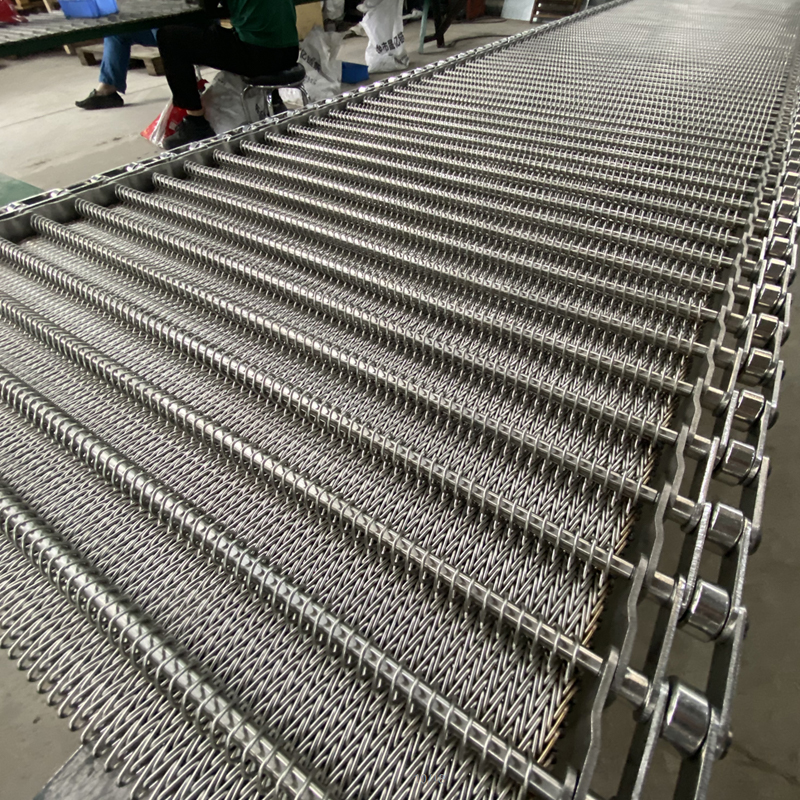
The steel material products normalizing furnace mesh belt is made of imported AI...
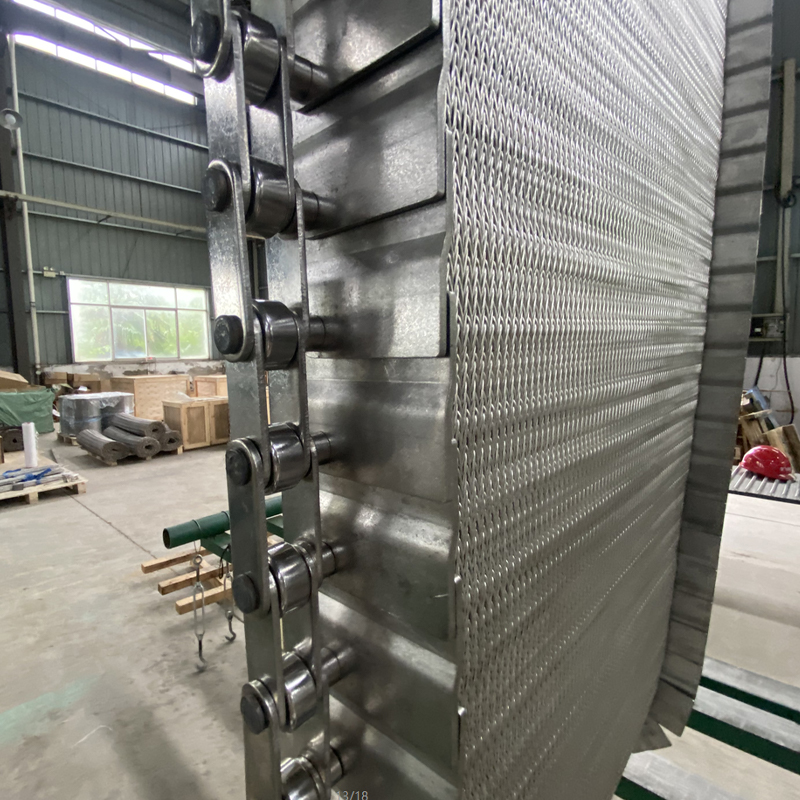
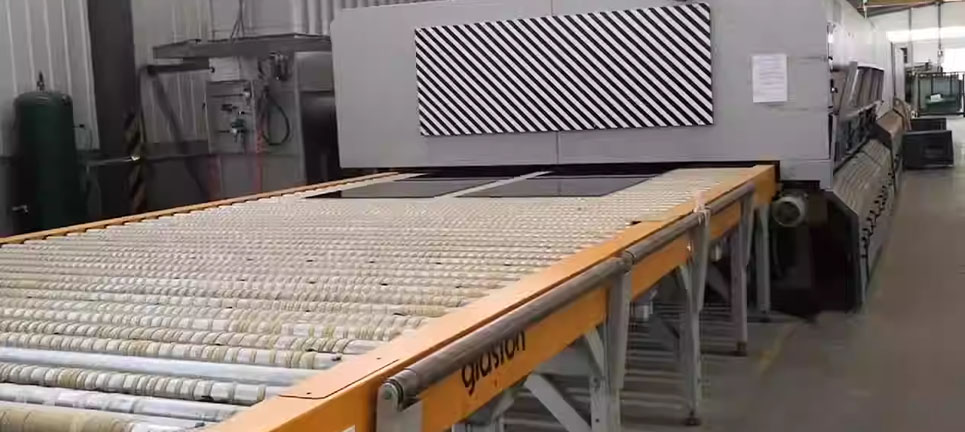
During the normalizing process of automotive components, the mesh belt is requir...
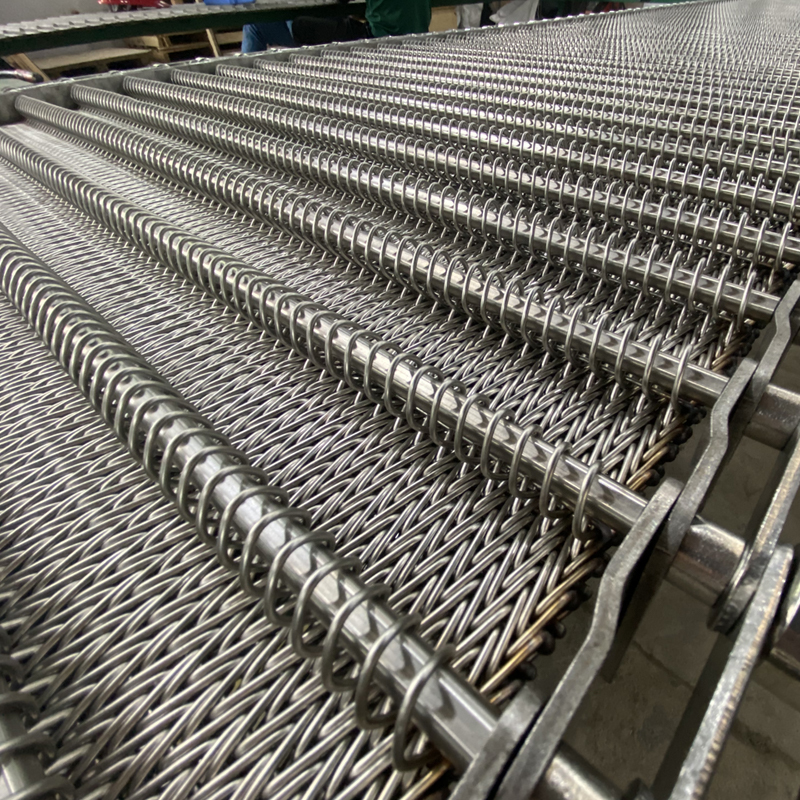
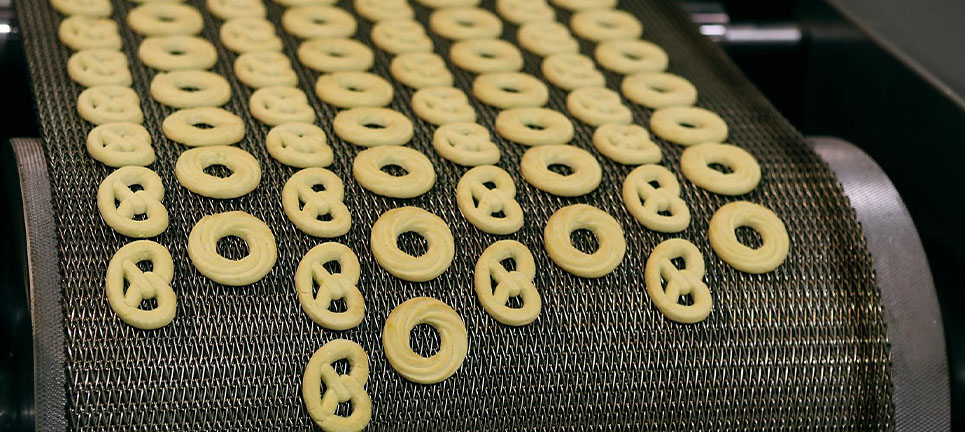
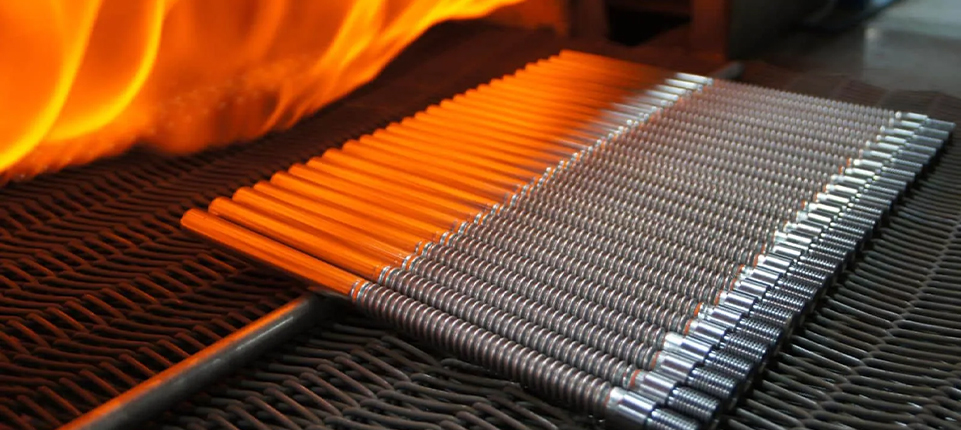
The fastener normalizing furnace mesh belt is made of high-quality imported AISI...
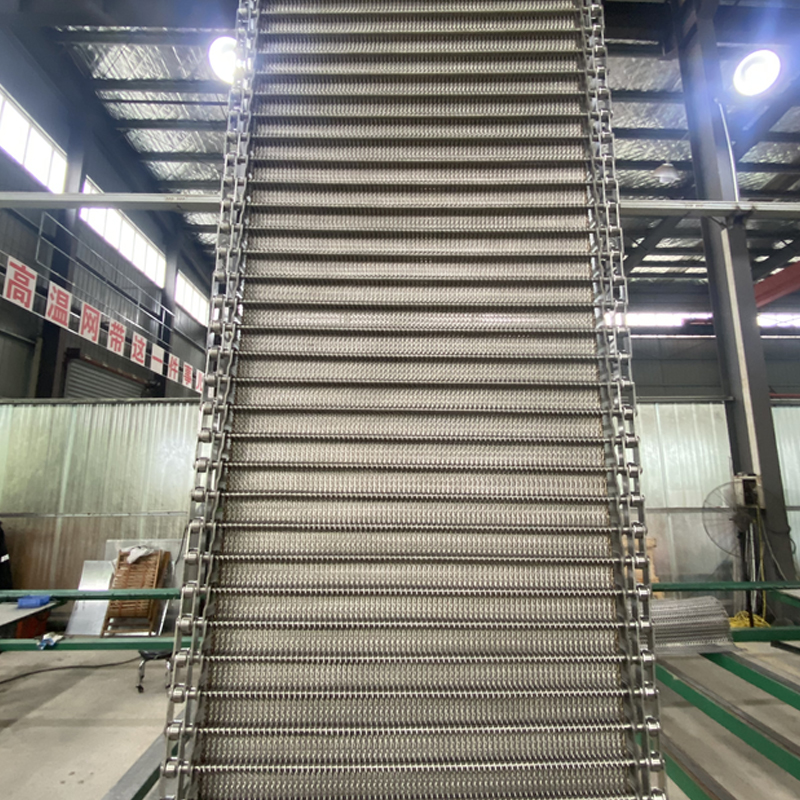
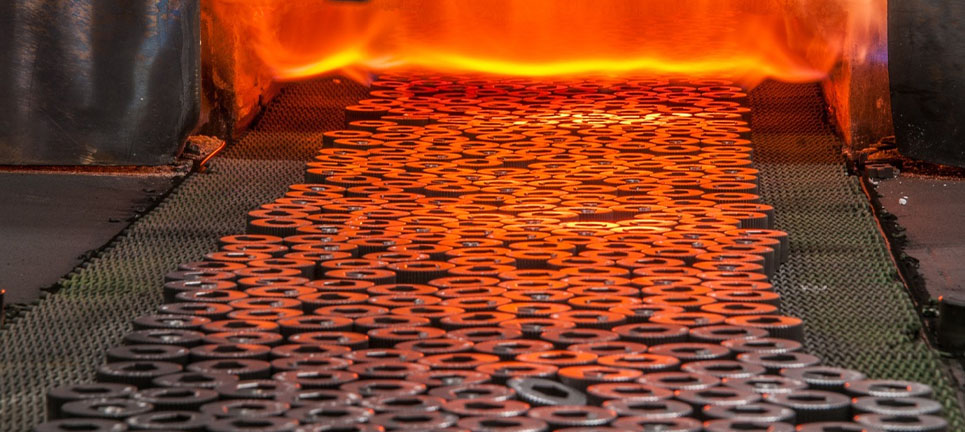
The bearing normalizing furnace mesh belt employs a precision herringbone weavin...
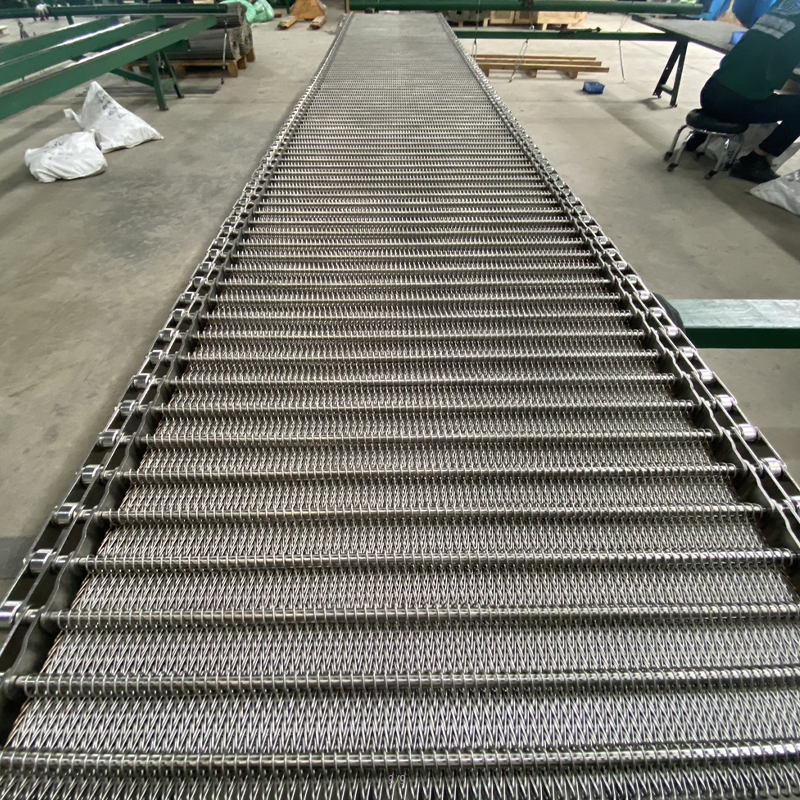
The metal tool normalizing furnace mesh belt is made of imported AISI 314 or 310...
This machine is used for isothermal normalizing of various workpieces, including forgings, discs, shafts, and special-shaped parts. Isothermal normalizing is a key heat treatment process that improves the material's microstructure and homogenizes its composition, thereby enhancing the overall mechanical properties of the component. In the automotive industry, it is widely used for normalizing transmission gears, drivetrain components, rotating parts, construction machinery, and hydraulic system parts. This process effectively enhances the strength, toughness, and wear resistance of the workpiece, extending its service life.
Due to the diverse shapes, sizes, and weights of the materials being processed, the equipment can be designed with a variety of mesh belt configurations tailored to the specific workpiece characteristics. Combined with a temperature control system and a suitable transmission structure, the equipment maintains consistent heating of the workpiece under isothermal conditions, avoiding uneven microstructure or performance variations caused by large temperature differences. This flexible and targeted design enables the equipment to meet the standardized processing requirements of large-volume parts while also adapting to diverse production scenarios involving workpieces of varying specifications and materials.
As China Normalizing Furnace Mesh Belt Manufacturers and Normalizing Furnace Mesh Belt Suppliers,
Yangzhou Yafei Machinery Manufacturing Co., Ltd. is a private scientific and technological enterprise in Jiangsu Province, formerly known as Yangzhou Yafei Metal Mesh Belt Factory, located in Yiling Industrial Park in the east of Yangzhou, with R&D, production and processing, office buildings, etc. With independent research and development of scientific and technological projects and equipment processing and manufacturing capabilities.
At present, the company is mainly engaged in: stainless steel mesh belt, conveyor mesh belt, metal mesh belt, stainless steel conveyor belt and related technology research and development, application and promotion.
Metal mesh belts have been used in beer and beverage, food, wood industry, glass, chemical industry, pharmacy, cleaning and spraying, powder metallurgy, new energy, heat treatment, industrial kiln, general conveying machinery and other industries.
Conveying machinery includes: net belt conveyor, hoist, flat top chain conveyor belt, roller conveyor, chain plate conveyor, etc. Widely used in home appliance engineering, automobile engineering, dairy beverage industry, brewing and water treatment and other fields.
A conveyor mesh belt rarely announces its own failure. It distorts, cracks, or begins tracking to one side, and a continuous furnace or production line stops the moment it does. That makes belt selection more than a spare-part purchase; it is a decision about uptime, product quality, and operating cost. The right conv...
READ MOREWhen a hardening furnace mesh belt fails, it usually does it without warning. One shift it is carrying bearing races through the high-temperature zone; the next, a torn edge catches on the return track and the whole line stops. Most of these failures were decided months earlier, when the belt specification was written...
READ MOREA continuous brazing line stops because the mesh belt has drifted to one side, the edge wires are broken, and the stainless steel parts grouping together on the belt are no longer aligned. It is a familiar scenario for maintenance teams: the furnace itself is running correctly, but the belt has become the bottleneck. ...
READ MOREIn the field of modern industrial heat treatment, precise control is the core guarantee of workpiece mechanical properties. Normalizing is a vital heat treatment process designed to refine metal grains, eliminate internal stress, and improve machinability through uniform cooling in air following high-temperature austenitizing. In this demanding process, Normalizing Furnace Mesh Belt plays a decisive role. It is not only the sole carrier for workpieces as they travel through the heating, soaking, and cooling zones of the furnace, but also the lifeline that ensures the uniformity of heat transfer and the continuity of production rhythm.
Many engineers often focus on the heat source control of the furnace chamber when evaluating production line efficiency. However, as observed by Yangzhou Yafei Machinery Manufacturing Co., Ltd. through its long-term service in the industrial kiln sector, the physical state of the mesh belt directly determines product consistency. If the flatness or air permeability of the Normalizing Furnace Mesh Belt is suboptimal, "shadow zones" of heat conduction will appear on the metal workpieces where they contact the belt, leading to uneven hardness or abnormal microstructural morphology, which subsequently affects quality inspection.
As a high-tech enterprise based in Jiangsu Province, Yangzhou Yafei Machinery Manufacturing Co., Ltd. relies on the deep accumulation of its predecessor, Yangzhou Yafei Metal Mesh Belt Factory. Through independently developed production processes, the company has significantly optimized the operational stability of mesh belts under high-temperature and high-load conditions. They understand that in the heat treatment industry, the Normalizing Furnace Mesh Belt is not merely a simple conveying component; it must withstand continuous thermal shock and chemical atmosphere corrosion, requiring high structural rigidity.
To better understand its importance in the process, we can compare the performance differences between different transmission methods:
| Performance Dimension | Metal Mesh Belt | Conventional Rollers/Chain Plates |
| Thermal Cycle Efficiency | High (fully open, unobstructed heat flow) | Low (large contact area, significant heat masking) |
| Workpiece Load Adaptability | Excellent (suitable for various irregular parts) | Moderate (mostly limited to large flat parts) |
| Thermal Expansion Response | Excellent (weaving structure provides buffer) | Poor (prone to mechanical jamming) |
| Maintenance Convenience | High (local repair possible) | Low (integral structure, requires total replacement) |
In actual production, the core functions of the Normalizing Furnace Mesh Belt can be summarized into three points: First, it must ensure the stability of materials in high-temperature environments, preventing vibration during high-speed conveying. Second, it must possess excellent ventilation characteristics to ensure furnace gases can uniformly sweep across the surface of the workpieces, which is the key to achieving uniform microstructure. Third, it must be perfectly compatible with the automated conveying systems of various industrial kilns. It is precisely because of these stringent requirements that suppliers like Yangzhou Yafei Machinery Manufacturing Co., Ltd., with deep technical expertise in heat treatment and industrial kilns, can develop customized mesh belt products that meet the needs of high-load and complex process environments.
When companies upgrade their heat treatment production lines, choosing a high-performance Normalizing Furnace Mesh Belt is equivalent to configuring an intelligent "conveying engine" for the entire process. Whether in the carburizing and normalizing of automotive components or the high-temperature sintering of powder metallurgy, only when the mesh belt and furnace design achieve a high level of mechanical coordination can companies maintain high throughput while ensuring the physical indicators of metal workpieces remain stable and controllable.
The normalizing process typically takes place in high-temperature environments ranging from 800°C to 1050°C, which means the Normalizing Furnace Mesh Belt must face the most daunting challenge in materials science: maintaining tensile strength under sustained high heat and resisting stress corrosion caused by frequent thermal cycling.
When designing such mesh belts, lattice stability of the material is the primary consideration. Yangzhou Yafei Machinery Manufacturing Co., Ltd. has concluded from its long-term R&D practices that the service life of a mesh belt depends not solely on the hardness of the material, but on its "creep resistance" at high temperatures. Ordinary metal materials undergo plastic elongation after prolonged operation due to their own weight and workpiece loads, eventually leading to pitch failure. Therefore, adopting high-nickel-chromium heat-resistant alloy steel and subjecting it to pre-stress treatment via special weaving techniques has become the industrial standard.
To cope with this extreme operating condition, Yangzhou Yafei Machinery Manufacturing Co., Ltd. emphasizes the flexibility of structural design. Through a comparative analysis of different weaving structures, one can better understand why choosing the right structure extends equipment life:
| Weaving Structure Type | Characteristic Analysis | Applicable Normalizing Scenarios |
| Balanced Weave | Left and right spiral weave, stable, resists tracking issues | General normalizing, medium load |
| Compound Balanced | High-density weave, extremely high load capacity | Heavy forgings or high-density metal parts |
| Chain Driven | Side chains added, driven by sprockets | Large continuous kilns, long-distance conveying |
Thermal expansion within the normalizing furnace is another key design point. When the mesh belt enters the heating zone, the existence of the linear expansion coefficient causes the metal wires to undergo slight volumetric expansion. If the design lacks sufficient expansion space, the belt is highly prone to severe buckling or even breakage. In its process R&D, Yangzhou Yafei Machinery Manufacturing Co., Ltd. performs precise calculations on the pitch and wire diameter of the mesh belt by simulating thermal field distribution, ensuring that the belt maintains precise drive engagement under high-temperature operating conditions.
Furthermore, the company's technical team continuously tests the oxidation rate of metal materials at high temperatures to optimize the passivation treatment of the wire surfaces. In the complex atmosphere of a normalizing environment, this microscopic protective film effectively slows down the peeling of oxide layers, preventing debris from contaminating the heat-treated workpieces. It is this philosophy of deeply integrating material science with mechanical engineering that allows Yangzhou Yafei Machinery Manufacturing Co., Ltd. to precisely match material formulas and structural designs when handling various complex mesh belt requirements, thereby reducing the frequency of customer downtime and maintenance.
In demanding heat treatment processes, the Normalizing Furnace Mesh Belt is more than just a conveyor; it acts as a control unit for precise heat transfer. To ensure workpieces do not develop microstructural deviations during heating, evaluating the performance of a mesh belt requires a deep analysis of its core technical parameters rather than just its appearance.
Based on its long-term production and R&D process and deep understanding of various industrial furnace operating conditions, Yangzhou Yafei Machinery Manufacturing Co., Ltd. has compiled a set of core indicators for measuring belt quality. For normalizing furnaces, the balance of the following parameters directly determines production continuity and product quality.
| Key Evaluation Indicator | Performance Impact Analysis | High Requirements for Normalizing Process |
| Tensile Strength | Determines deformation limit under high load/heat | Must have high creep resistance to prevent stretching |
| Open Area | Determines efficiency of circulating air in furnace | Must balance strength and heat dissipation |
| Pitch Tolerance | Determines stability of engagement with drive rollers | High-precision engagement is key to preventing tracking |
| Surface Roughness | Determines risk of marks on workpieces | Needs fine finishing to reduce adhesion risk |
The normalizing process has extremely high requirements for temperature uniformity. If the air permeability (i.e., open area) of the mesh belt is improperly designed, hot air currents will encounter significant resistance, causing temperature gradients between the bottom and surface of the workpieces. When customizing mesh belts for clients, Yangzhou Yafei Machinery Manufacturing Co., Ltd. adjusts the weaving density of the wires based on the furnace's hot air circulation method, achieving optimal heat exchange efficiency while maintaining sufficient structural load-bearing capacity.
Furthermore, load capacity is an unavoidable topic in mass production. Many users focus only on the material of the belt, ignoring the decay of metal strength at high temperatures. Relying on its production and R&D center in the Yiling Industrial Park, Yangzhou Yafei Machinery Manufacturing Co., Ltd. performs field simulation experiments on the mechanical properties of alloy materials at different temperature levels to ensure every supplied Normalizing Furnace Mesh Belt maintains an optimal elastic modulus at the set operating temperature.
This attention to detail is the primary reason why Yangzhou Yafei Machinery Manufacturing Co., Ltd. continues to serve industries such as powder metallurgy, heat treatment, and industrial kilns. For operators, understanding these indicators not only helps in making scientific procurement decisions but also allows for predicting whether the mesh belt has entered a fatigue cycle by monitoring small fluctuations in parameters during operation. For instance, when an abnormal increase in drive current is detected, it often indicates that the belt pitch has changed slightly due to creep; failing to adjust tension promptly in such cases easily leads to serious technical failures.
The service life of a high-performance Normalizing Furnace Mesh Belt largely depends on maintenance strategies during operation. Even with the highest-grade heat-resistant alloys, lack of scientific operational management will cause the belt to fail prematurely due to abnormal mechanical stress or human error.
Among the many cases accumulated by Yangzhou Yafei Machinery Manufacturing Co., Ltd., we have found that many equipment shutdowns actually stem from "improper initial tension control." If a mesh belt is too tight before entering the high-temperature furnace, thermal expansion will subject the internal lattice to unimaginable tensile stress, leading to rapid fatigue and even fracture of the metal wires. Conversely, if the tension is too loose, it can easily lead to tracking issues, causing the edges to rub against furnace walls. Therefore, precise tension control is the first line of defense for extending belt life.
Additionally, heating and cooling strategies are equally critical. Yangzhou Yafei Machinery Manufacturing Co., Ltd. specifically emphasizes the negative effects of "thermal shock" when guiding clients in setting process parameters. Frequent furnace startup/shutdown operations or rapid temperature fluctuations can create micro-cracks on the metal surface, which expand rapidly in high-temperature atmospheres. To help production managers perform daily maintenance better, the following are common operational parameter comparisons and maintenance strategies:
| Maintenance Inspection Item | Ideal Status | Risk Warning Indicator |
| Tension Adjustment | Minimum tension ensuring engagement between drive gear and belt | Noticeable sagging or drive slippage |
| Heating Rate | Recommend no more than 50-80°C per hour | Rapid heating causes wavy deformation at edges |
| Periodic Cleaning | Regular blow-cleaning of gaps based on production rhythm | Carbon ash accumulation causes belt brittleness/lost permeability |
| Idle Protection | Slowly move belt to cold zone or turn periodically | Irreversible deformation due to long-term pressure in heat |
As a high-tech enterprise with independent R&D capabilities, Yangzhou Yafei Machinery Manufacturing Co., Ltd. typically includes targeted maintenance manuals with its products, recommending that users fine-tune them based on the weight of materials being conveyed and the furnace structure. For example, in continuous production of powder metallurgy or automotive parts, workpiece placement density should be as uniform as possible to avoid excessive local loads, as uneven loading creates torque that causes distortion, a common cause of premature edge breakage.
In practice, periodic inspection is an essential preventive maintenance tool. Yangzhou Yafei Machinery Manufacturing Co., Ltd. advises technical personnel to perform at least one "visual inspection" weekly, checking edges for broken wires or abnormal vibrations. At the same time, for cleaning needs in industries like food or chemicals, the company has conducted in-depth R&D on surface coatings and texture treatment of stainless steel mesh belts to reduce adhesion between materials and the belt. This philosophy of enhancing full-lifecycle value through refined management is not only a technical commitment from Yangzhou Yafei Machinery Manufacturing Co., Ltd. but also a core value in helping clients reduce production costs and improve line efficiency.
In long-term production, even the most durable Normalizing Furnace Mesh Belt will inevitably encounter operational faults. For on-site maintenance personnel, the ability to quickly identify causes through abnormal phenomena is key to ensuring production continuity. Drawing on years of R&D and after-sales experience in industrial kiln accessories, Yangzhou Yafei Machinery Manufacturing Co., Ltd. has compiled a diagnostic and troubleshooting guide for common mesh belt faults.
In actual processing, we typically encounter the following "fault signs." Through parameter comparison and phenomenon analysis, one can precisely address the issues:
| Fault Phenomenon | Underlying Core Cause | Recommended Troubleshooting Plan |
| Tracking Issues | Misaligned rollers, uneven tension | Check roller axial alignment, micro-adjust lateral tension |
| Broken Wires/Wear | Weaving damage or excessive friction | Check rail flatness, verify if materials are overloaded |
| Creep Deformation | Temperature set too high or load exceeds tensile limit | Monitor real-time furnace temp, recheck load weight |
| Surface Adhesion | Insufficient protective atmosphere or residual lubricant | Increase blow-cleaning frequency, optimize cleaning cycle |
Mesh belt tracking is the most frustrating issue for on-site operators. Technicians at Yangzhou Yafei Machinery Manufacturing Co., Ltd. point out that many tracking problems are not due to the quality of the belt itself, but rather caused by "asymmetry" in the transmission system. If support rails inside the furnace sag, or there is a slight misalignment between drive and idler rollers, the belt will shift toward the side with less resistance. To address this, when manufacturing belts, the company performs "pre-bias" treatment in the weaving process based on the client's furnace structure to offset lateral forces during operation.
Another common issue is fatigue fracture of metal wires. In a high-temperature furnace, if workpieces are placed too centrally, the mesh belt will bear compressive stress exceeding its design strength. This not only causes local sagging but also leads to permanent enlargement of the weaving aperture. In its consultations with clients, Yangzhou Yafei Machinery Manufacturing Co., Ltd. always recommends controlling load distribution within the allowable range per unit area (e.g., specific kilograms per square centimeter). If small fatigue cracks are discovered, they must be evaluated immediately, as these propagate at astonishing speeds in high temperatures, leading to sudden failure during operation.
Furthermore, in kilns used for chemical or special atmosphere applications, carbon ash or oxides easily accumulate on the surface of the mesh belt, leading to severe surface hardening. As a high-tech enterprise with R&D and manufacturing capabilities, Yangzhou Yafei Machinery Manufacturing Co., Ltd. emphasizes the principle of "prevention over repair" when handling belt life issues in complex environments. Their specialized surface treatment processes effectively reduce such adhesion, maintaining the original air permeability and flexibility of the belt during long-term operation.
By systematically organizing these faults, production managers can discover hidden dangers earlier. For complex structural issues that are difficult to resolve independently, the engineering team at Yangzhou Yafei Machinery Manufacturing Co., Ltd. steps in directly, resolving stubborn faults by adjusting drive configurations or replacing with more suitable belt structures to ensure efficient operation of the production line.
In the heat treatment industry, the quality of a Normalizing Furnace Mesh Belt concerns not only production efficiency but also the safety of the entire factory environment. Because normalizing furnaces often operate under high temperature, high pressure, and specific chemical atmospheres (such as reducing gases), physical failure of the mesh belt is often sudden. Therefore, establishing a strict quality inspection and safety operation specification is the core of enterprise management.
According to the production experience of Yangzhou Yafei Machinery Manufacturing Co., Ltd. in the metal mesh belt industry, procurement and application of mesh belts should follow a rigorous quality inspection process. This is the foundation for ensuring equipment operation and a prerequisite for avoiding production safety accidents. The following are the core technical standards that enterprises should pay attention to when evaluating mesh belts:
| Inspection Dimension | Standard Requirement | Inspection Means |
| Material Purity | Heat-resistant alloy ratio must meet strength grade | Spectrum analyzer for metallographic composition |
| Geometric Tolerance | Width and pitch deviation should be within ±1% | High-precision measuring tools/calibration |
| Tensile Strength | Breaking load must have at least 3x safety factor | Laboratory tensile fatigue test |
| Dynamic Performance | Stable operation at simulated temps, no jumps | Field load-simulated operation test |
As a high-tech enterprise located in Yiling Industrial Park, Yangzhou, Yangzhou Yafei Machinery Manufacturing Co., Ltd. understands the significance of these indicators to end-users. Every Normalizing Furnace Mesh Belt produced by the company undergoes a series of processes from incoming spectral inspection of materials and stress control during weaving to final dimensional re-verification, all of which meet high industry standards. The company believes that a high-quality metal mesh belt in a harsh heat treatment environment is essentially a precision instrument that cannot tolerate any "cutting corners" in workmanship.
Regarding safety specifications, in addition to daily equipment maintenance, operational safety cannot be ignored. For instance, in operating environments where furnace temperatures exceed 600°C, the use of chemical cleaners that have not been professionally evaluated is strictly prohibited to prevent the release of harmful gases. Yangzhou Yafei Machinery Manufacturing Co., Ltd. recommends setting up multi-stage heat overload protection and real-time belt tension monitoring systems during the operation of normalizing furnaces. If jamming or sudden load changes occur, the system should trigger an immediate interlocking shutdown to prevent the belt from softening or deforming due to overheating, which could lead to larger chain-reaction damage.
A: High-temperature creep is the plastic flow of metal under sustained stress and heat. If the chosen alloy material grade is insufficient, or if the support rail spacing inside the furnace is too large, the mesh belt will stretch under its own weight and load. Yangzhou Yafei Machinery Manufacturing Co., Ltd. suggests determining the appropriate material grade (e.g., special heat-resistant alloys like Inconel) based on furnace temperature during the design stage and optimizing the weaving density to slow down the creep rate.
A: This depends on your maximum working temperature and the atmosphere inside the furnace. For example, ordinary stainless steel satisfies requirements for air-normalizing; however, reducing atmospheres or more complex chemical environments require special alloys that resist carbonization and sulfurization. As an R&D-capable manufacturer, Yangzhou Yafei Machinery Manufacturing Co., Ltd. typically performs material matching based on process cards provided by clients to ensure maximum lifespan for the mesh belt in specific corrosive environments.
A: Replacement should not wait until the belt breaks. It is recommended to replace when: First, pitch elongation exceeds 3-5% of the original design. Second, large areas of oxide scales peel off the wire surface, and thickness thins significantly. Third, drive current consistently stays above critical alarm levels. Timely preventive replacement avoids unscheduled downtime and protects expensive internal drive rollers.
A: This is usually due to blocked air permeability or excessive workpiece placement density in that area, preventing heat from dissipating through circulating fans. This causes the metal strength of the belt in that area to drop sharply, resulting in the "red" phenomenon. If sustained, the belt will quickly break there. Optimizing load distribution and checking the furnace's hot air circulation fans are recommended.
A: The simplest rule is to distribute workpieces uniformly on the mesh belt plane, avoiding overlapping. For irregular workpieces, jigs should be used to reduce point contact between the workpiece and the belt, which ensures uniform heating and prevents workpiece edges from cutting the metal wires. When providing technical support, Yangzhou Yafei Machinery Manufacturing Co., Ltd. frequently assists clients in evaluating load plans, effectively enhancing the comprehensive reliability of the production line.
Get A Free Consultation Now
Get A Customized Solution
The company adheres to the concept of creating value for customers and prosperity for society, aiming to build a reliable mesh belt brand and establish the century-old Yafei brand.
CONTACT INFORMATION

Yiling Industrial Park, Jiangdu District, Yangzhou City, Jiangsu Province, China

+86 13852191798
PRODUCT CATEGORIES
QUICK LINKS
MOBILE
 Custom Normalizing Furnace Mesh Belt Suppliers