 English
 русский
 عربى
عربىAir conditioning pipe brazing furnace mesh belt
The air conditioning pipe brazing furnace mesh belt is made from high-performanc...
 +86 13852191798
Yangzhou Yafei Machinery Manufacturing Co., Ltd.

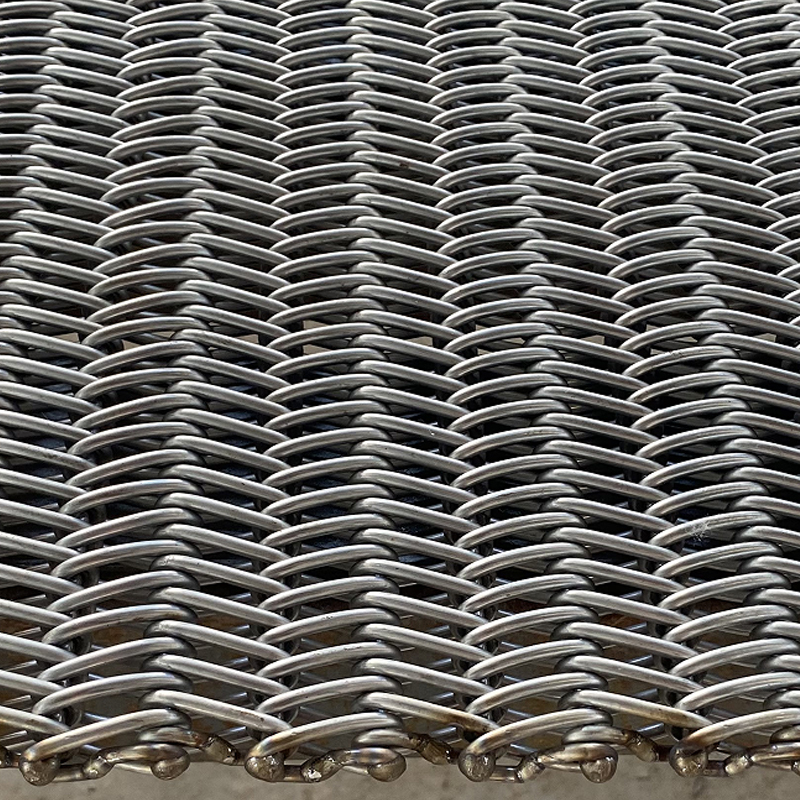
The air conditioning pipe brazing furnace mesh belt is made from high-performanc...
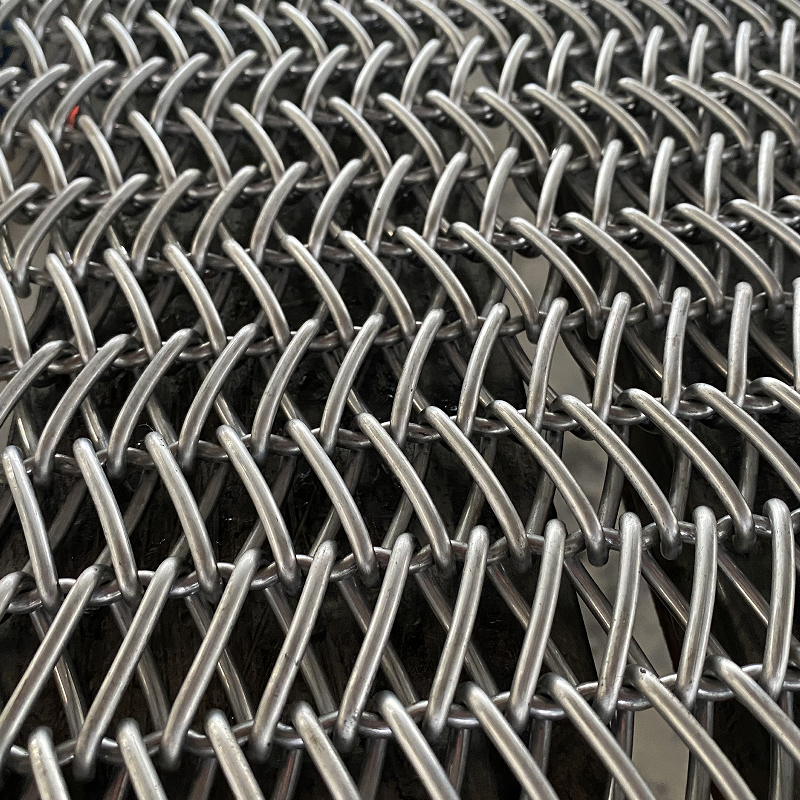
The medical device brazing furnace mesh belt offers excellent high-temperature r...
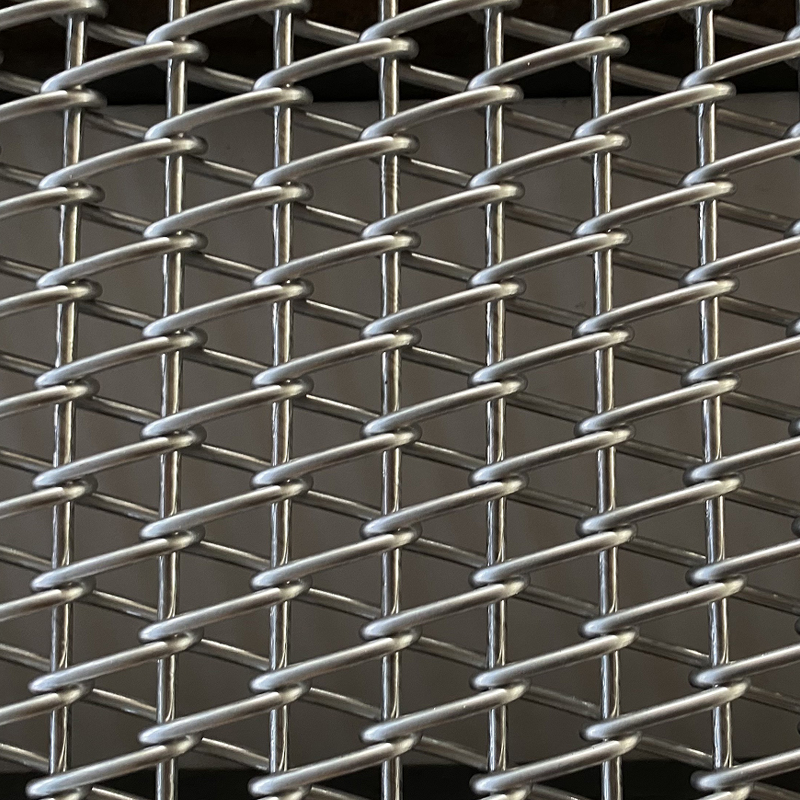
The automotive pipe brazing furnace mesh belt is made from imported AISI 314 or ...
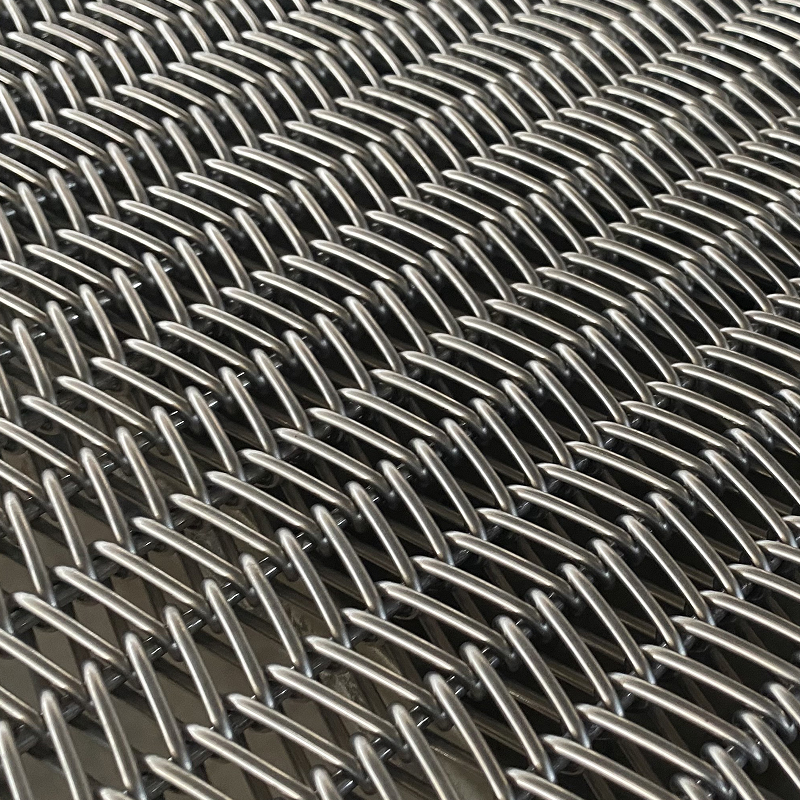
The heat exchanger core brazing furnace mesh belt is made from imported AISI 314...
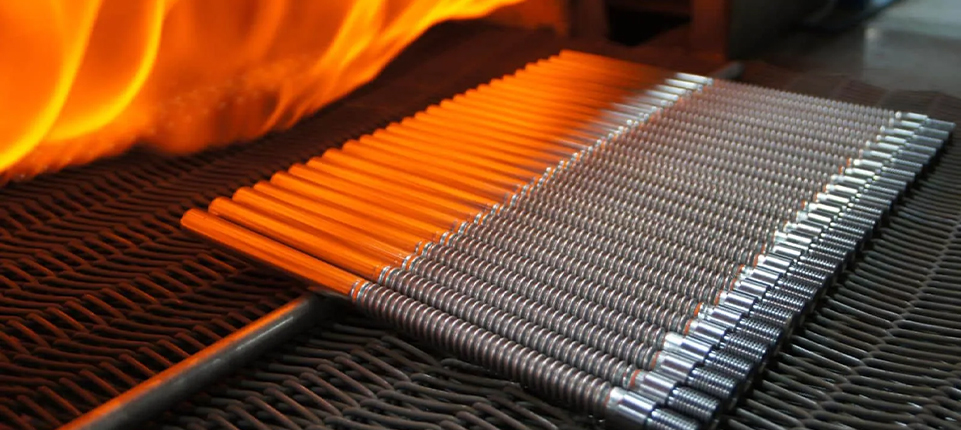
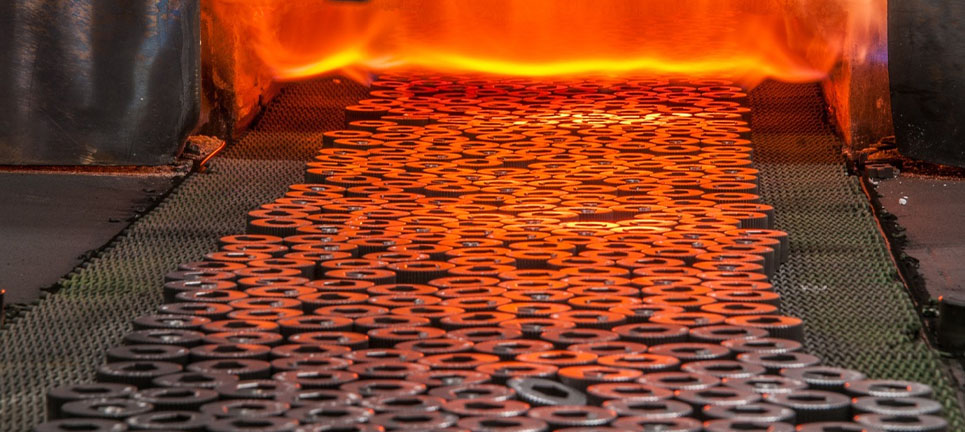
Brazing of stainless steel fittings used in the refrigeration industry (evaporators, condensers, air conditioning compressor pipes), automotive pipes, and medical devices requires high temperatures and a high hydrogen content in the atmosphere, placing high demands on the quality of the mesh belt. Our company's mesh belts are reliable and durable, meeting the requirements of continuous conveying operations.
This type of mesh belt is typically made of high-temperature-resistant stainless steel or nickel-based alloys such as SUS314, 310S, and Inconel. These alloys maintain stable strength at high temperatures and offer excellent resistance to oxidation and corrosion in reducing atmospheres. Because brazing atmospheres often contain reducing gases, ordinary mesh belts are prone to embrittlement or surface degradation. However, stainless steel brazing furnace mesh belts undergo special heat treatment and precision weaving to ensure long-term resistance to deformation, loosening, and surface erosion, thus ensuring continuous and stable operation of the production line.
As China Stainless Steel Mesh Belt Manufacturers and Stainless Steel Brazing Furnace Mesh Belt Suppliers,
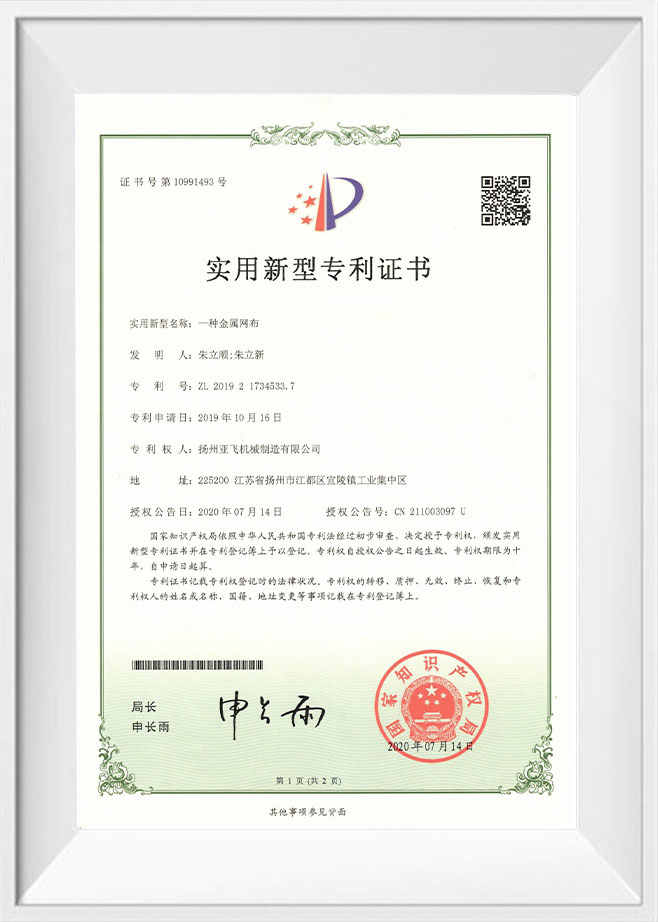
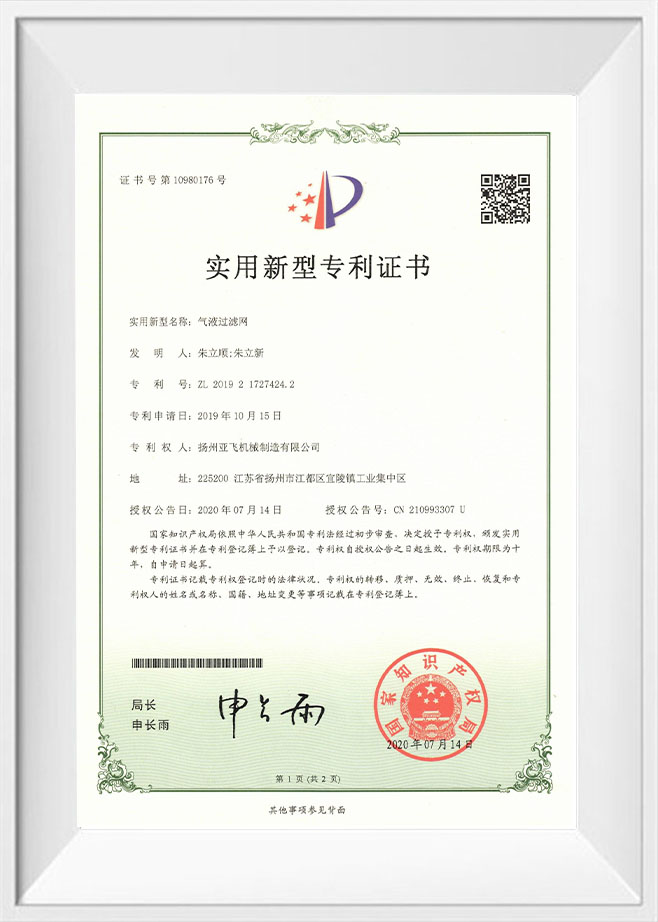
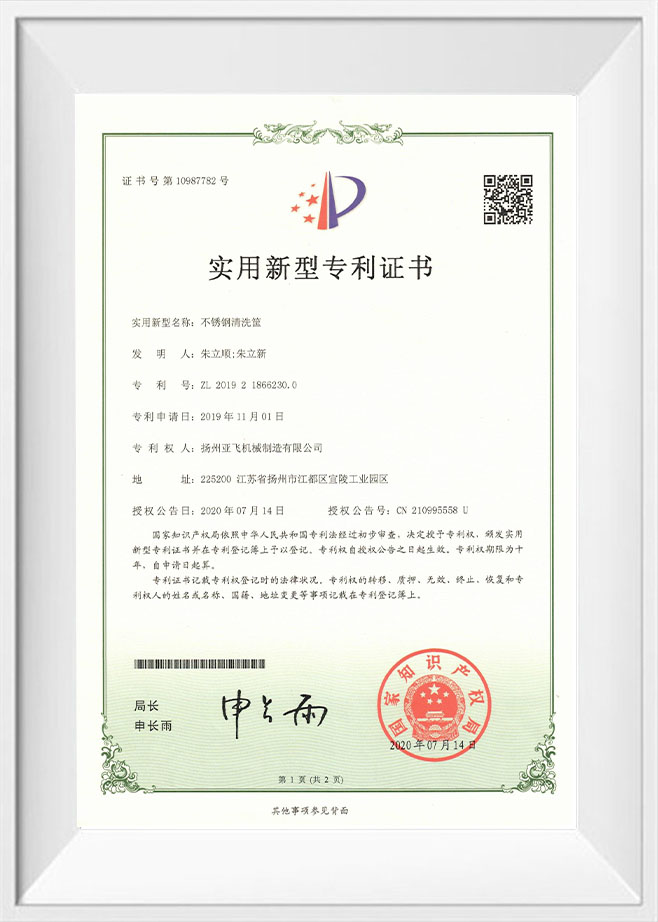
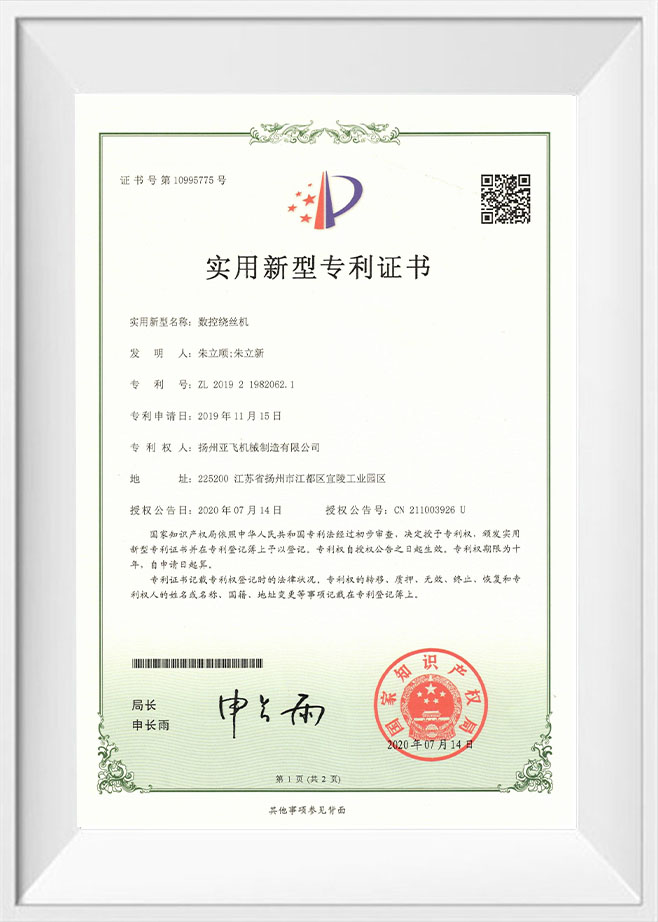
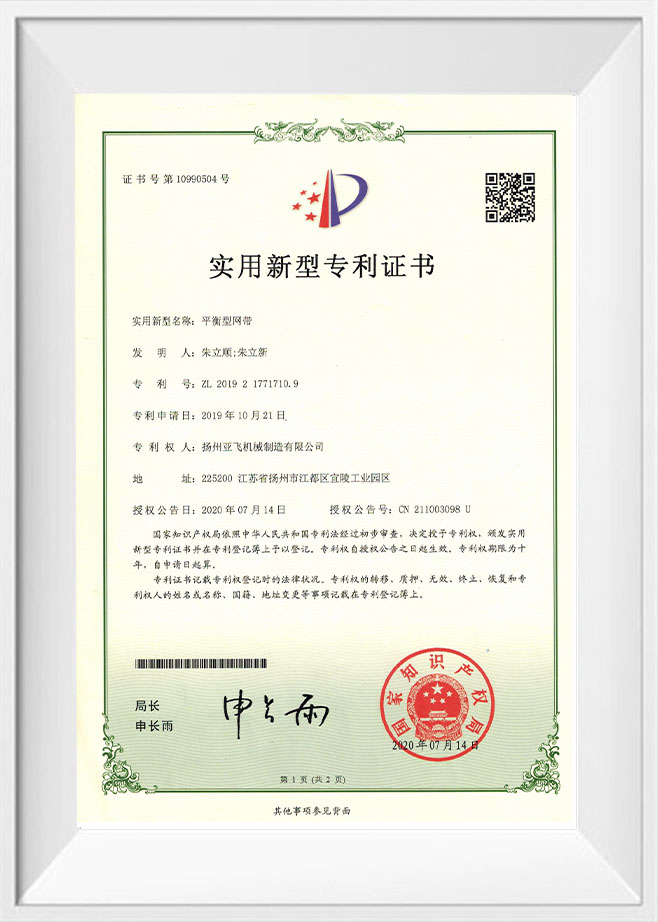
Yangzhou Yafei Machinery Manufacturing Co., Ltd. is a private scientific and technological enterprise in Jiangsu Province, formerly known as Yangzhou Yafei Metal Mesh Belt Factory, located in Yiling Industrial Park in the east of Yangzhou, with R&D, production and processing, office buildings, etc. With independent research and development of scientific and technological projects and equipment processing and manufacturing capabilities.
At present, the company is mainly engaged in: stainless steel mesh belt, conveyor mesh belt, metal mesh belt, stainless steel conveyor belt and related technology research and development, application and promotion.
Metal mesh belts have been used in beer and beverage, food, wood industry, glass, chemical industry, pharmacy, cleaning and spraying, powder metallurgy, new energy, heat treatment, industrial kiln, general conveying machinery and other industries.
Conveying machinery includes: net belt conveyor, hoist, flat top chain conveyor belt, roller conveyor, chain plate conveyor, etc. Widely used in home appliance engineering, automobile engineering, dairy beverage industry, brewing and water treatment and other fields.
A conveyor mesh belt rarely announces its own failure. It distorts, cracks, or begins tracking to one side, and a continuous furnace or production line stops the moment it does. That makes belt selection more than a spare-part purchase; it is a decision about uptime, product quality, and operating cost. The right conv...
READ MOREWhen a hardening furnace mesh belt fails, it usually does it without warning. One shift it is carrying bearing races through the high-temperature zone; the next, a torn edge catches on the return track and the whole line stops. Most of these failures were decided months earlier, when the belt specification was written...
READ MOREA continuous brazing line stops because the mesh belt has drifted to one side, the edge wires are broken, and the stainless steel parts grouping together on the belt are no longer aligned. It is a familiar scenario for maintenance teams: the furnace itself is running correctly, but the belt has become the bottleneck. ...
READ MOREThe braiding structure of a stainless steel mesh belt inherently determines its "stress path" and "stress distribution," thus directly impacting its lifespan. In practical engineering, the mesh belt is not a uniformly stressed whole, but rather a flexible load-bearing system composed of numerous intersecting wires, node connections, and periodic structural units. Different weaving methods significantly alter stress concentration, fatigue crack propagation paths, and wear distribution, thereby determining lifespan.
Taking the most common plain weave or simple interlaced structure as an example, its characteristics include uniform structure and low manufacturing cost. However, under high load or high-temperature cyclic conditions, significant stress concentration areas form at the intersections. Because each wire undergoes minor bending and localized compression at the intersections, these locations are prone to becoming fatigue crack initiation points during long-term operation. Once a crack forms at the intersection, it propagates along the wire diameter, eventually leading to wire breakage or localized structural failure.
In contrast, mesh belts with helical or chain-connected structures exhibit a more "flexible" stress distribution. Helical structures allow for a certain degree of relative slippage, enabling the redistribution of local stress across multiple nodes, thereby reducing the rate of fatigue accumulation at single points. This structure typically exhibits better lifespan stability under long-term continuous operation or medium-to-high temperature environments. However, its disadvantages include complex manufacturing, higher cost, and potential for slight elongation errors in high-precision conveying scenarios.
Furthermore, double-layer mesh belts generally outperform single-layer structures in terms of lifespan. This is because the load is distributed across the upper and lower layers, reducing the actual stress on individual filaments and thus slowing creep and fatigue rates. However, double-layer structures also introduce higher thermal inertia and more complex cleaning and maintenance requirements.
From an engineering mechanism perspective, the impact of woven structures on lifespan can be summarized through three core pathways: first, the degree of stress concentration—the more rigidly concentrated the structure, the shorter the lifespan; second, the load distribution capability—the better the structure can distribute the load, the longer the lifespan; and third, the complexity of crack propagation paths—the more complex the structure, the more hindered crack propagation, resulting in a longer lifespan. Therefore, the lifespan of a mesh belt depends not only on the material but also, to a large extent, on the rationality of the mechanical design of the woven structure.
In chlorine-, sulfur-, or acidic environments, the failure of stainless steel mesh belts is essentially a typical case of "localized corrosion-dominated failure," rather than uniform corrosion. Because stainless steel relies on a surface Cr₂O₃ passivation film for protection, once chloride ions, sulfides, or acidic media in the environment damage this passivation film, localized areas rapidly enter an active corrosion state, leading to pitting, intergranular corrosion, or stress corrosion cracking.
In chlorine-containing environments (e.g., cleaning agent residues, marine environments, or Cl⁻-containing process atmospheres), the most typical failure mode is pitting. Chloride ions penetrate the passivation film, forming tiny corrosion pits on the material surface. These pits act as stress concentration sources, rapidly expanding when the mesh belt is under tension or bending. Because the mesh belt is in continuous motion, these micro-pits continuously expand and connect, eventually leading to rapid localized thinning or even breakage of the wire diameter.
In sulfur-containing environments (e.g., certain chemical gases, combustion byproducts, or polluted atmospheres), the main problem is sulfide corrosion. Sulfur reacts with metals to form low-melting-point sulfides, disrupting grain boundary structure and significantly reducing material strength. Sulfides also promote grain boundary embrittlement, causing the conveyor belt to fracture even under low stress conditions; this type of failure is often sudden.
In acidic environments (such as pickling residue or acid mist environments), the main failure mechanism is the superposition of uniform corrosion and intergranular corrosion. Acidic media continuously consume the passivation film, exposing the material to active corrosion, leading to overall wire diameter thinning over time. Simultaneously, near high-temperature or welded areas, preferential corrosion may occur in chromium-depleted grain boundary zones, resulting in intergranular fracture.
Further complicating matters, these three environments often coexist in industrial settings. For example, the combined effects of cleaning residue, high temperature, and tensile stress significantly accelerate stress corrosion cracking (SCC). This type of failure typically manifests as "seemingly intact but suddenly fractured," posing a significant threat to production safety.
Therefore, from an engineering perspective, the core of lifespan control for stainless steel conveyor belts in corrosive environments is not just material selection, but more importantly, controlling the sources of chlorine, sulfur, and acidic media, and reducing localized stress concentration.
Determining the replacement critical point for stainless steel mesh belts cannot rely solely on usage time. It must be based on a comprehensive assessment of four dimensions: structural integrity, degree of deformation, operational stability, and failure risk. In actual industrial settings, mesh belts typically do not fail suddenly but undergo a gradual process from performance degradation to risk accumulation and finally to critical failure.
The most intuitive indicator is permanent elongation. Mesh belts undergo creep elongation under long-term heat and stress. If the elongation exceeds the compensation range of the tensioning system, even if the equipment can still operate, it indicates that the material has entered the late creep stage. Continued use at this point will lead to increased stress concentration and accelerate the risk of fracture.
The second important indicator is localized wire breakage or multi-point damage. If the mesh belt has a single broken wire, it can usually be repaired locally and continued to be used. However, if the broken wires are distributed in multiple points or show a continuous expansion trend, it indicates that the material has entered the fatigue propagation stage. Repairing at this point is of limited value because the crack propagation rate will significantly accelerate. The third criterion is deviation and changes in operational stability. When the conveyor belt exhibits persistent deviation that cannot be corrected by adjusting the guiding system, it usually indicates a decrease in structural rigidity or severe edge wear. This often foreshadows uneven degradation of the overall structure.
The fourth important signal is surface condition deterioration, such as severe oxidation, localized peeling, or a significant reduction in wire diameter. This indicates that the material has undergone long-term corrosion or high-temperature degradation, and its mechanical properties have irreversibly declined.
From an engineering economics perspective, there is also a crucial principle: when maintenance costs, downtime risks, and product quality fluctuations exceed 50%–70% of the cost of a new conveyor belt, it should be considered for replacement. This is the commonly used "risk-cost balancing principle" in industry.
In summary, the essential judgment of the replacement critical point is not "whether it can still be used," but rather "whether it can still operate stably, safely, and controllably."
In automotive parts production lines, stainless steel mesh belts are not merely simple conveyors, but crucial foundational components throughout the entire continuous manufacturing system. Their role has evolved from "material handling" to "process stabilization platform." Typical automotive parts manufacturing processes include cleaning, drying, heat treatment, painting, and some low-temperature brazing or surface treatment steps. Mesh belts need to maintain stable operation under dynamic loads, temperature variations, and chemical environments over extended periods. Therefore, their performance directly impacts the cycle time consistency and product quality stability of the entire production line.
Firstly, at the basic functional level, stainless steel mesh belts provide continuous conveying and cycle time control. Automotive parts production is typically a highly automated continuous production model, requiring a high degree of cycle time matching between processes. The mesh belt must maintain stable speed, tension, and trajectory during long-term operation; otherwise, mismatches between preceding and following processes will occur, affecting overall production line efficiency.
Secondly, in heat treatment or drying processes, the mesh belt serves as workpiece support and a thermal stabilization reference platform. Automotive parts (such as stamped parts, bracket parts, and fasteners) experience a decrease in rigidity under high or semi-high temperature conditions. If the conveyor belt lacks flatness or undergoes thermal deformation, it will directly lead to workpiece warping or dimensional deviations. Therefore, the conveyor belt effectively acts as a "dynamic load-bearing platform" in such processes, and its structural rigidity and thermal stability directly determine product consistency.
Third, the conveyor belt also participates in process environment uniformity regulation. In continuous furnaces, cleaning lines, or pre-coating treatment processes, the weave structure of the conveyor belt affects airflow, liquid flow, and heat exchange efficiency, thus affecting the uniformity of heating or liquid absorption of the workpiece. For example, in cleaning and spraying systems, the open area ratio of the conveyor belt determines the penetration ability of the cleaning fluid; in drying processes, it affects the hot air circulation efficiency.
From a more systemic perspective, stainless steel conveyor belts also play a "hidden quality control role" in automotive manufacturing, influencing product defect rates through their own stability. Any conveyor belt misalignment, deformation, or localized wear will translate into scratches on the product surface, uneven heat treatment, or cycle time errors; therefore, it is essentially a key fundamental variable for production line stability.
In this field, companies with system design and manufacturing capabilities can significantly improve the overall application effect of conveyor belts. For example, Yangzhou Yafei Machinery Manufacturing Co., Ltd., a private technology enterprise in Jiangsu Province, formerly known as Yangzhou Yafei Machinery Metal Mesh Belt Factory, has long focused on the research and development and manufacturing of stainless steel mesh belts, conveyor mesh belts, metal mesh belts, and stainless steel conveyor belts, possessing independent R&D and equipment processing capabilities.
The company not only produces the conveyor belt itself but also extends to complete conveyor system equipment, including various conveyor mechanical structures such as net belt conveyors, hoists, roller conveyors, chain plate conveyors, and flat top chain conveyor belts. This integrated "mesh belt + conveyor system" capability gives it stronger system adaptability in automotive engineering applications.
Especially in automotive engineering applications, these conveyor systems can be designed to be integrated with heat treatment, cleaning, and painting equipment, thereby reducing problems such as belt misalignment and fatigue caused by uneven tension or uncoordinated drive systems. Meanwhile, these companies' products are widely used in various industries, including home appliance engineering, dairy beverage industry, food, glass, chemical industry, pharmacy, powder metallurgy, new energy, and industrial kiln. This cross-industry experience helps them better understand the differences in conveyor belt behavior under different loads, temperatures, and corrosive environments in automotive manufacturing scenarios, thereby improving the robustness of system design.
Therefore, it can be summarized that the core value of stainless steel conveyor belts in automotive parts production lines is not only conveying, but also: As a continuous manufacturing platform connecting multiple processes, it simultaneously undertakes the triple functions of "conveying stability + process consistency + implicit quality control".
And its performance often depends on whether it possesses the comprehensive capability to upgrade from "single conveyor belt manufacturing" to "conveyor system engineering design".
Get A Free Consultation Now
Get A Customized Solution
The company adheres to the concept of creating value for customers and prosperity for society, aiming to build a reliable mesh belt brand and establish the century-old Yafei brand.
CONTACT INFORMATION

Yiling Industrial Park, Jiangdu District, Yangzhou City, Jiangsu Province, China

+86 13852191798
PRODUCT CATEGORIES
QUICK LINKS
MOBILE
 Custom Stainless Steel Brazing Furnace Mesh Belt Manufacturers