Application Characteristics and Development Trends of Chain Mesh Belt in Modern Industrial Conveying Systems
With the continuous advancement of industrial automation, conveying equipment has become an indispensable part of modern production processes. Whether in food processing, heat treatment production lines, electronics manufacturing, glass processing, or the chemical industry, efficient and stable conveying systems directly affect production efficiency, product quality, and operating costs. As one of the most important products in the industrial conveying field, the Chain Mesh Belt has gained widespread adoption across numerous industries due to its excellent load-bearing capacity, stable operating performance, and broad adaptability.
A Chain Mesh Belt is a high-performance conveying product developed by integrating a chain drive structure with a traditional metal mesh belt. It not only inherits the advantages of metal mesh belts, such as excellent ventilation, high-temperature resistance, and easy cleaning, but also enhances overall strength and operational stability through the chain drive system. This enables it to adapt to more complex and demanding industrial environments. With the development of intelligent manufacturing and automated production technologies, chain mesh belts are continuously evolving toward higher precision, greater reliability, and increased customization, becoming essential components of modern production lines.
Structural Features and Working Principles of Chain Mesh Belt
A Chain Mesh Belt is essentially a specialized form of metal conveyor belt characterized by the integration of a conveying mesh surface with a chain transmission system. The mesh belt body is responsible for carrying and transporting materials, while chains mounted on one or both sides provide power transmission and guidance during operation. Through precise engagement between drive sprockets and chains, smooth and stable belt movement is achieved throughout the conveying process.
This structural design gives Chain Mesh Belts significantly higher tensile strength and better operational stability compared with ordinary conveyor belts. Particularly in long-distance conveying, heavy-load operations, and continuous production environments, the chain drive effectively prevents slippage and ensures that conveying rhythms remain synchronized with process requirements.
Different types of metal mesh belts can be combined with chain structures to create a variety of Chain Mesh Belt products. Examples include balanced weave belts, herringbone belts, ladder belts, flat wire belts, and eye-link belts. Each can be equipped with chain drive structures according to specific application requirements. Because industrial applications vary greatly, Chain Mesh Belts are typically customized according to load capacity, conveying speed, operating temperature, and environmental conditions.
Material selection for chains, mesh surfaces, and connecting rods is particularly important during manufacturing. For high-temperature environments, heat-resistant stainless steel materials are commonly used. For corrosive environments, special alloy materials with enhanced corrosion resistance are selected. Appropriate material combinations significantly improve service life while reducing maintenance costs.
Chain Mesh Belts can also be designed in both straight-running and curved-running configurations. For automated production lines with complex layouts, curved Chain Mesh Belts effectively reduce equipment footprint and increase layout flexibility, meeting modern factories’ requirements for space utilization and automation integration.
Application Value of Chain Mesh Belt Across Industries
As industrial automation continues to advance, Chain Mesh Belts have become key conveying components in a wide range of production equipment. Their applications extend from light industry to heavy industry, demonstrating unique advantages under diverse process conditions.
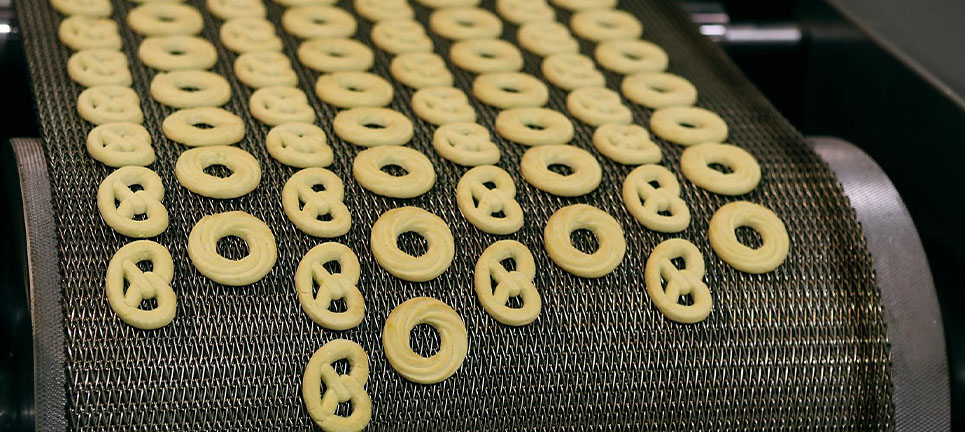
In the food processing industry, Chain Mesh Belts are widely used in baking, frying, cooling, freezing, and packaging operations. Their excellent airflow and heat transfer properties enable food products to be heated evenly or cooled rapidly during processing. At the same time, stainless steel materials comply with food hygiene requirements, supporting modern food manufacturers in maintaining high standards of safety and quality control.
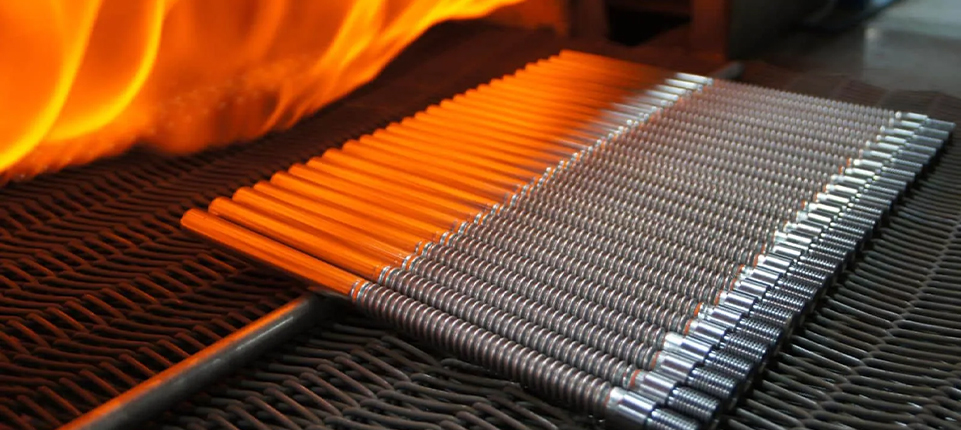
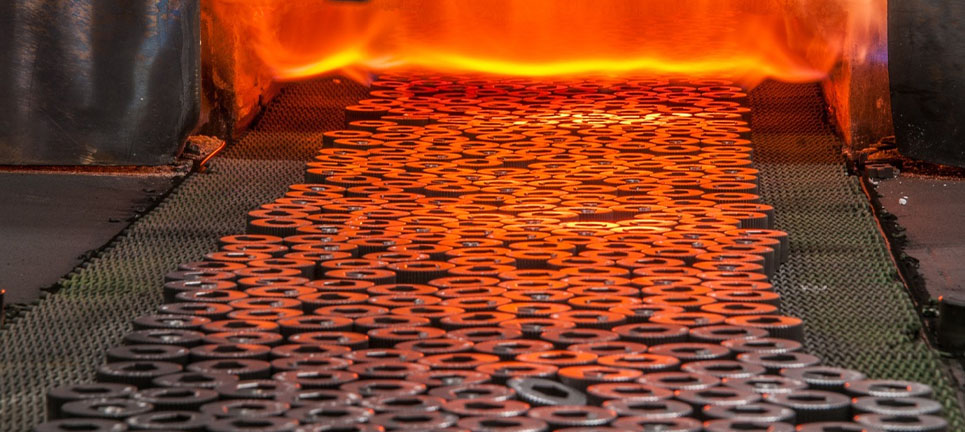
In the heat treatment industry, Chain Mesh Belts must operate continuously in high-temperature environments. Equipment such as quenching furnaces, tempering furnaces, annealing furnaces, and sintering furnaces relies on heat-resistant conveying systems for workpiece transportation. Chain Mesh Belts can maintain stable performance at temperatures ranging from several hundred to over one thousand degrees Celsius, ensuring uninterrupted heat treatment processes.
The electronics manufacturing industry demands extremely high precision and stability from conveying equipment. Electronic components are often small and lightweight, making them highly sensitive to vibration and displacement. Chain Mesh Belts, driven by precise sprocket-and-chain systems, provide accurate conveying performance suitable for assembly, soldering, inspection, and other electronic manufacturing processes.
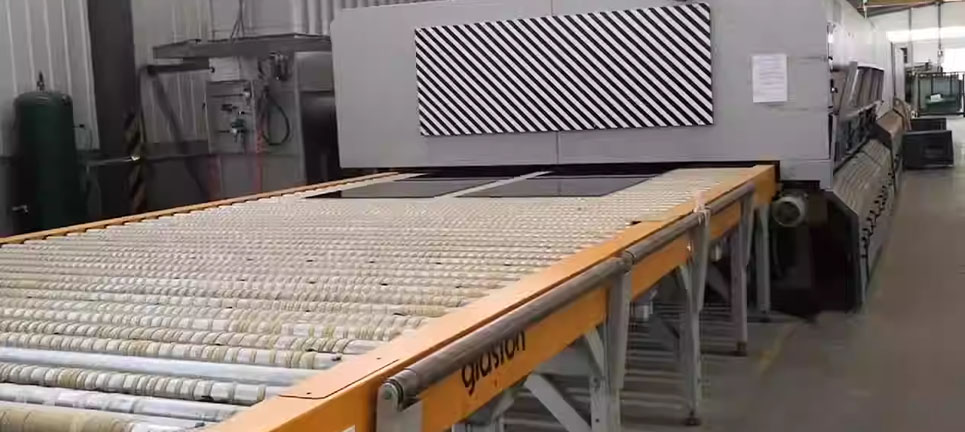
The glass manufacturing industry is another major application area for Chain Mesh Belts. During production, glass products often undergo high-temperature forming and cooling processes. Conveying systems must withstand elevated temperatures while protecting glass surfaces from damage. The stable operation of Chain Mesh Belts helps reduce product breakage rates and improve production efficiency.
In the ceramics industry, drying, firing, and cooling processes place significant demands on conveying equipment. Thanks to their wear resistance, heat resistance, and corrosion resistance, Chain Mesh Belts can adapt to the challenging operating conditions of ceramic production and support continuous manufacturing processes.
In the chemical industry, production environments frequently involve corrosive gases, high-temperature media, and dust contamination. Chain Mesh Belts manufactured from special materials effectively resist corrosion and wear, maintaining long-term stable operation in demanding environments and providing reliable support for chemical production.
With the rapid development of the new energy industry, emerging sectors such as lithium battery material production, photovoltaic material manufacturing, and energy storage equipment production are increasingly adopting Chain Mesh Belt conveying systems. Modern industry places growing emphasis on equipment stability and automation, further driving the development and innovation of Chain Mesh Belt technologies.
Material Selection, Customized Manufacturing, and Supply Chain Development of Chain Mesh Belt
The ability of Chain Mesh Belts to adapt to such a wide range of applications is closely related to their flexible material selection and highly customized manufacturing capabilities. Different industrial environments impose different requirements on conveying equipment, making customized production the standard approach for Chain Mesh Belts.
For standard conveying applications in normal-temperature environments, 304 stainless steel is widely used due to its excellent corrosion resistance and cost-effectiveness. For higher-temperature applications, heat-resistant stainless steel grades such as 310S, 314, and 316L are selected to ensure stable performance during prolonged exposure to elevated temperatures.
In heavy-duty conveying systems, chain structure design is particularly important. Chain pitch, roller dimensions, and pin configurations directly influence conveying capacity and service life. By optimizing chain designs, manufacturers can significantly improve tensile strength and operational stability.
As intelligent manufacturing continues to evolve, more enterprises are adopting automated design systems for Chain Mesh Belt development. Through three-dimensional modeling, finite element analysis, and dynamic simulation technologies, engineers can predict operational performance in advance and optimize product structures, thereby improving reliability and manufacturing efficiency.
As one of the important manufacturers in China's metal mesh belt industry, YangZhou Yafei Machinery Manufacturing Co., LTD. has long focused on the research, development, and production of stainless steel conveyor mesh belts. Located in Yangzhou, a famous historical and cultural city in China, the company is a high-tech enterprise integrating mesh belt design, development, and precision manufacturing.
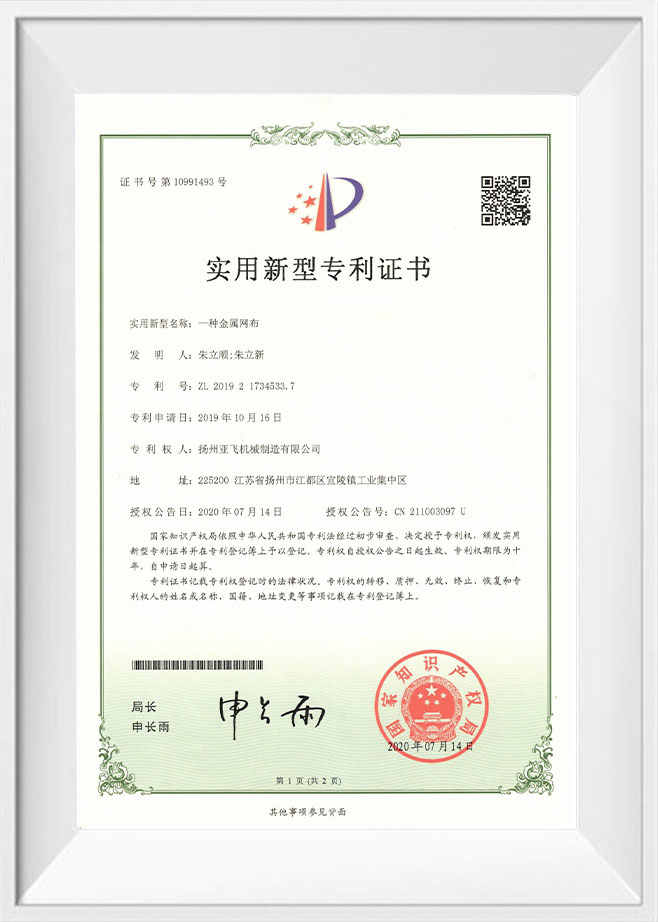
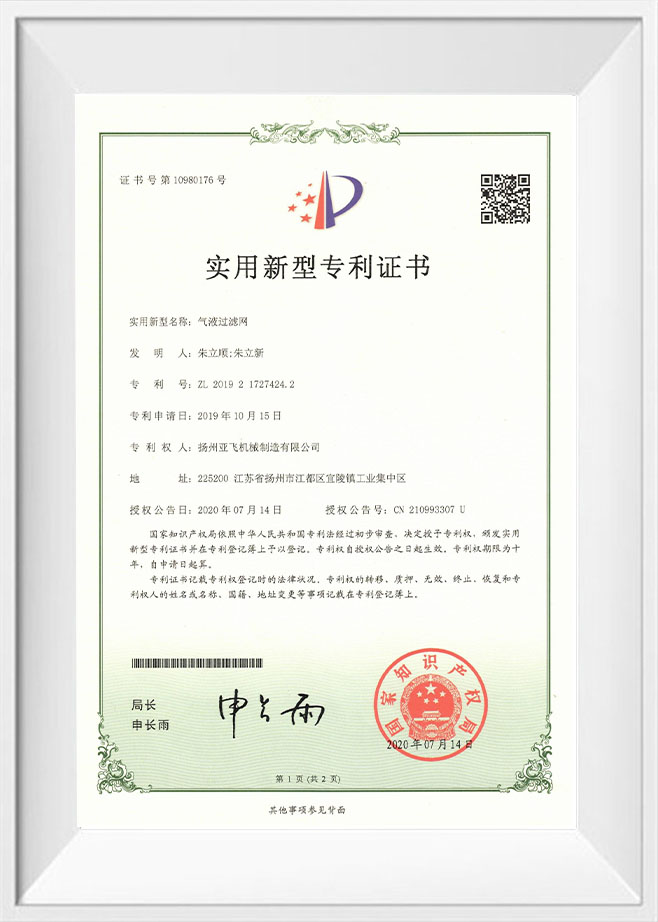
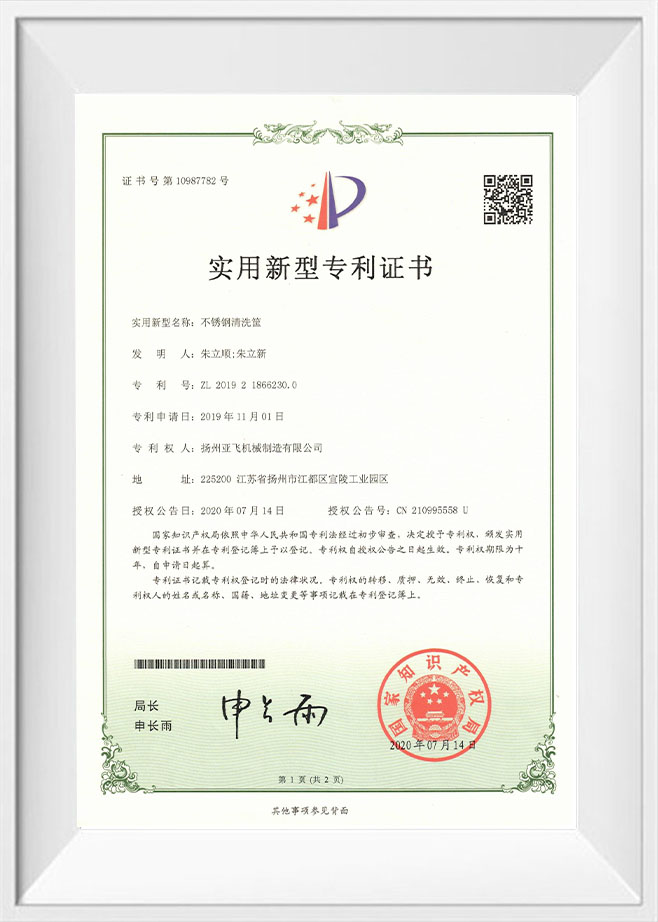
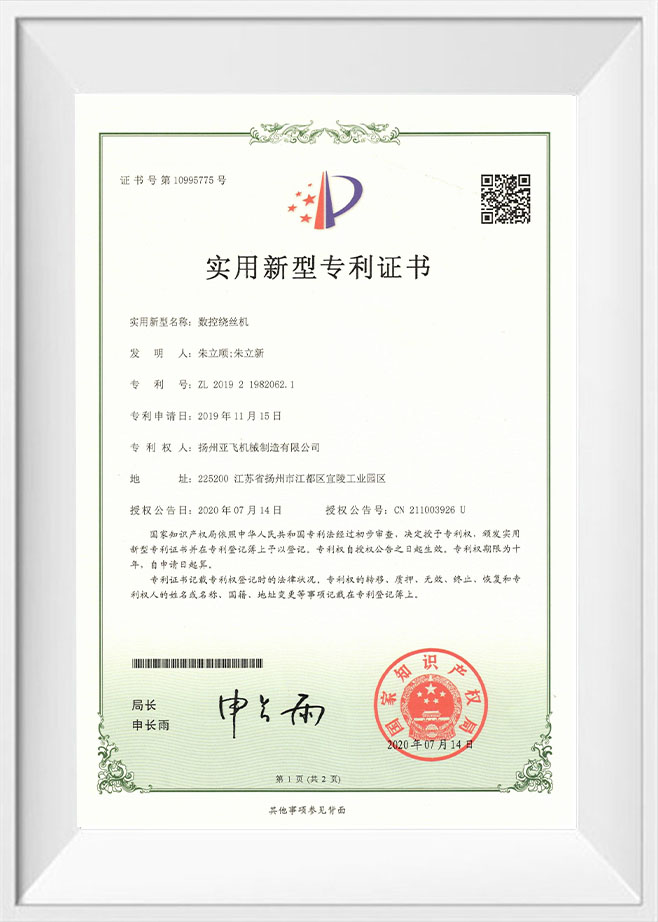
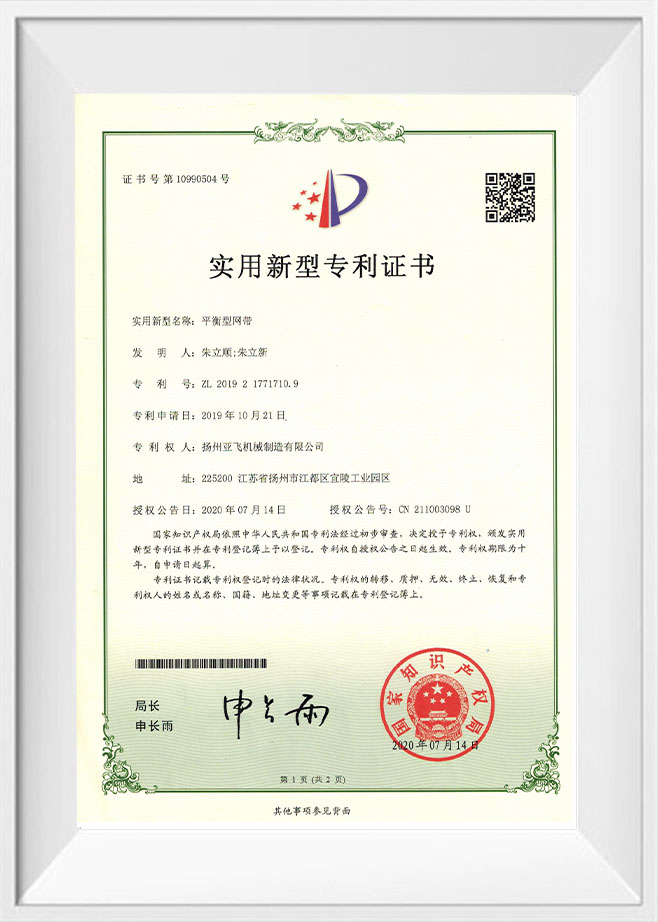
With more than twenty years of technical accumulation, YangZhou Yafei Machinery Manufacturing Co., LTD. specializes in the research, development, and production of stainless steel conveyor mesh belts. The company has established a comprehensive technology development and manufacturing system and has obtained more than thirty independent intellectual property patents, continuously promoting technological advancements in Chain Mesh Belts and related conveying products.
As a professional supplier, the company can customize designs according to customer requirements, including load capacity, conveying speed, operating temperature, and environmental conditions, meeting the personalized needs of different industries. Whether for food production lines, high-temperature heat treatment equipment, or complex automated production systems, tailored Chain Mesh Belt solutions can be developed to suit specific operating conditions.
Modern industrial customers increasingly focus on product reliability and long-term operating costs. As a result, manufacturers must possess not only production capabilities but also comprehensive technical service systems. From preliminary design and engineering consultation to installation, commissioning, and maintenance support, professional manufacturers are evolving into providers of integrated conveying solutions.
For large-scale industrial projects, factory production capabilities are also a key consideration. Advanced processing equipment, strict quality control systems, and comprehensive inspection procedures ensure that Chain Mesh Belts meet industry standards in dimensional accuracy, welding quality, and operational performance. High-level factories typically establish complete quality management systems covering every stage from raw material procurement to finished product delivery.
The global manufacturing industry is currently transitioning toward intelligent and sustainable development. As a critical component of industrial conveying systems, Chain Mesh Belts are also undergoing continuous technological upgrades. The application of digital design technologies, automated manufacturing processes, and advanced material technologies is driving improvements in durability, efficiency, and environmental performance.
As industrial automation continues to advance, market demand for high-performance Chain Mesh Belts is expected to grow further. Collaborative innovation among suppliers, manufacturers, and factories will play an increasingly important role in industry development. Through continuous optimization of product structures, manufacturing processes, and technological research, Chain Mesh Belts will continue to serve a broader range of advanced manufacturing sectors, providing more stable, efficient, and reliable conveying solutions for modern industrial production.
FAQ
What is the difference between a Chain Mesh Belt and a standard metal mesh belt?
A Chain Mesh Belt incorporates a chain drive structure that engages with sprockets to provide higher load-bearing capacity and greater operational stability. It is particularly suitable for long-distance conveying, heavy-load transportation, and continuous production environments.
Which industries commonly use Chain Mesh Belts?
Chain Mesh Belts are widely used in food processing, heat treatment, electronics manufacturing, glass production, ceramic processing, chemical production, new energy material manufacturing, and automated assembly industries.
Can Chain Mesh Belts operate in high-temperature environments?
Yes. By selecting appropriate high-temperature-resistant materials, Chain Mesh Belts can operate reliably for extended periods in elevated-temperature environments and are widely used in industrial furnaces and heat treatment equipment.
Can Chain Mesh Belts be customized?
Yes. Customers typically provide information such as product type, load requirements, operating speed, working temperature, equipment dimensions, and environmental conditions. Manufacturers then develop customized solutions accordingly.
How should the material for a Chain Mesh Belt be selected?
Material selection depends primarily on operating temperature, corrosive conditions, load requirements, and expected service life. Common materials include 304 stainless steel, 316L stainless steel, and 310S heat-resistant stainless steel, each suitable for different operating environments.
Is maintenance of a Chain Mesh Belt complicated?
Chain Mesh Belts feature modular construction, making maintenance and component replacement relatively convenient. Regular inspection of chain wear, lubrication conditions, and belt tension helps extend service life and minimize downtime.
What services can YangZhou Yafei Machinery Manufacturing Co., LTD. provide?
YangZhou Yafei Machinery Manufacturing Co., LTD. provides stainless steel conveyor mesh belt research and development, customized manufacturing, technical consultation, product optimization, and related conveying system support services to meet the requirements of various industrial applications.



 English
 русский
 عربى
عربى