 English
 русский
 عربى
عربىFood drying conveyor belt
The food drying conveyor belt is manufactured from high-quality SUS304 stainless...
 +86 13852191798
Yangzhou Yafei Machinery Manufacturing Co., Ltd.

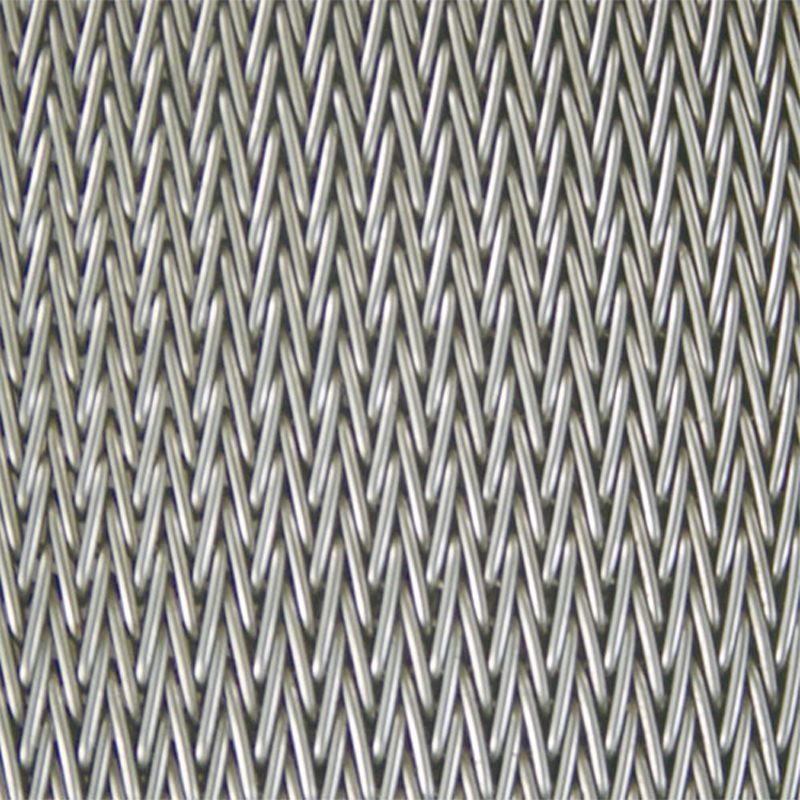
The food drying conveyor belt is manufactured from high-quality SUS304 stainless...
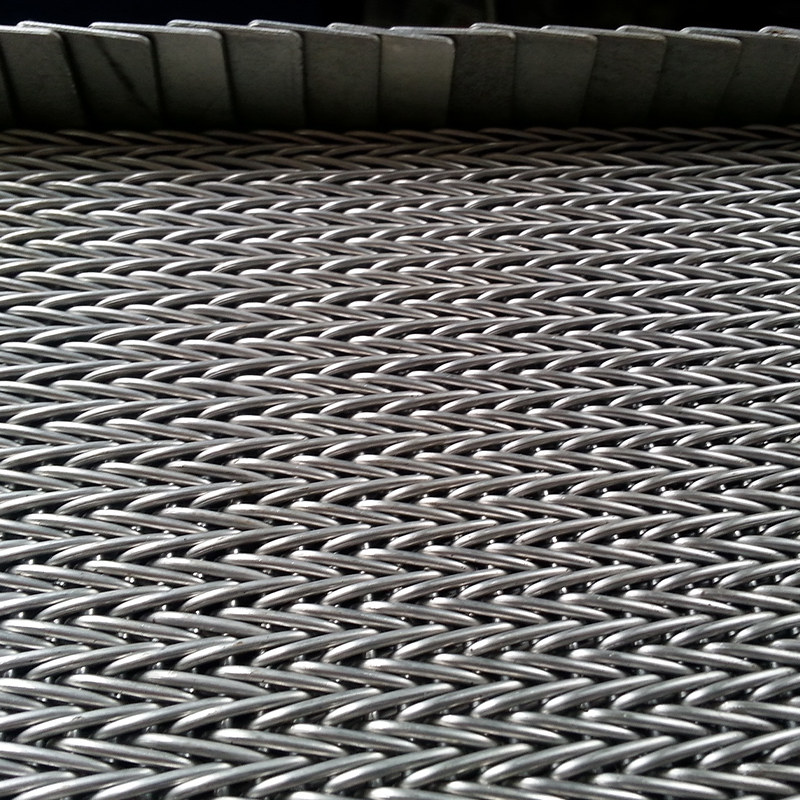
The floor drying conveyor belt is designed for the drying stage in floor product...
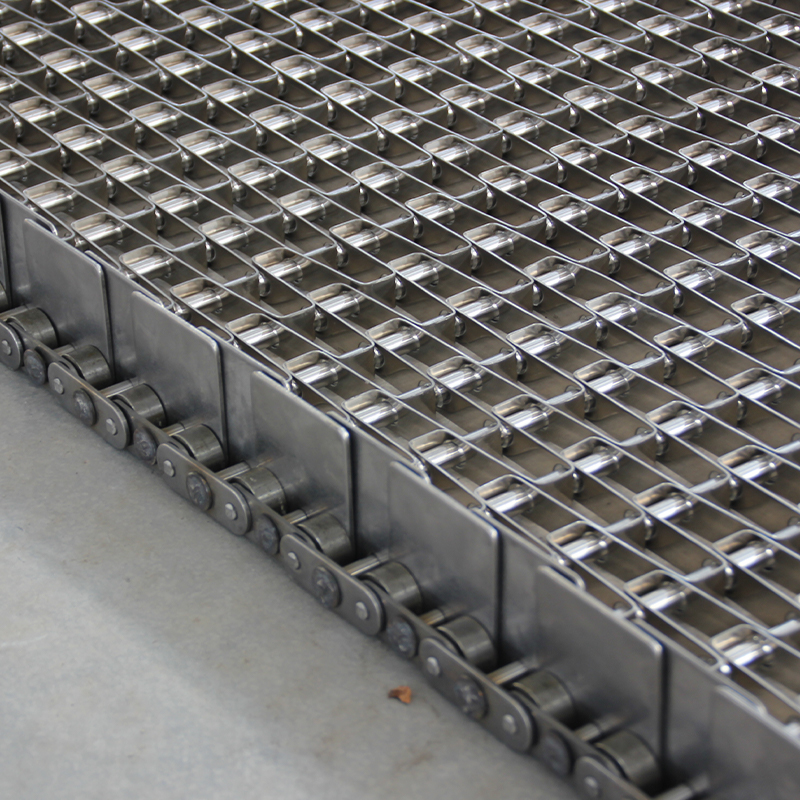
The medicinal herb drying conveyor belt is suitable for the drying process of va...
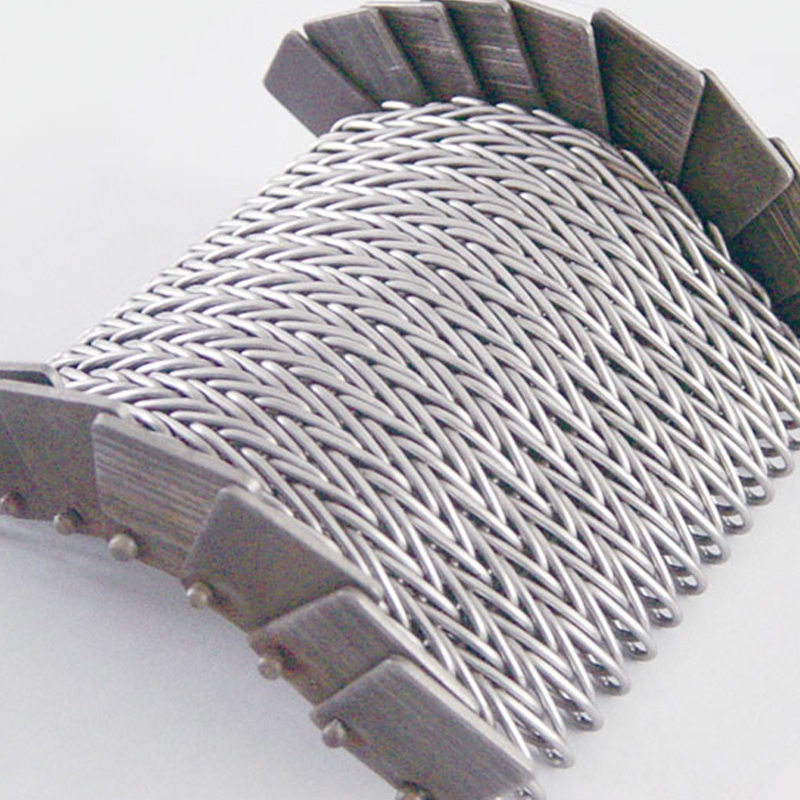
Gypsum boards require efficient and uniform drying during the manufacturing proc...
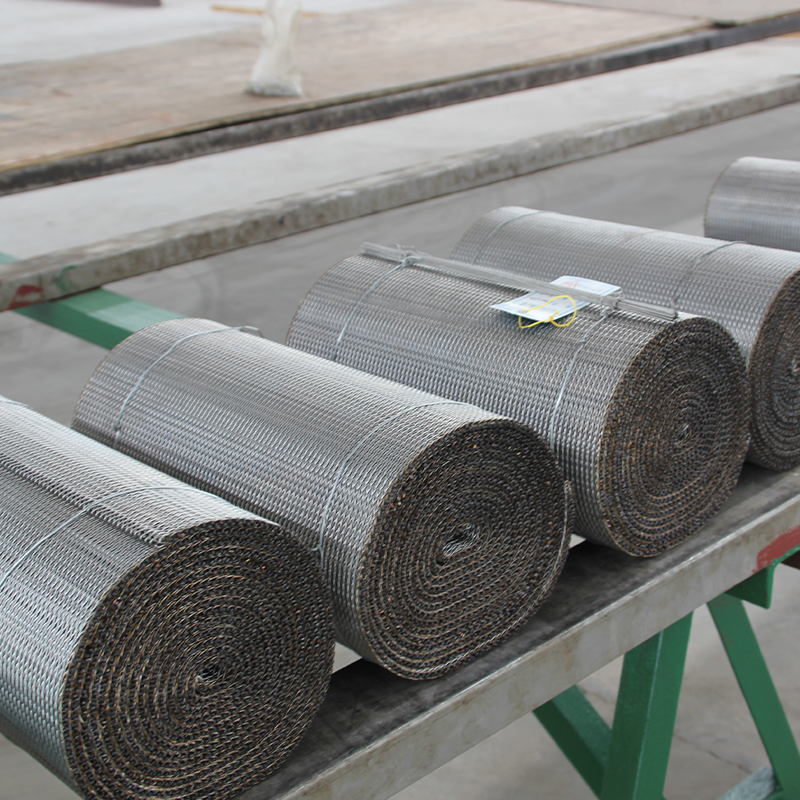
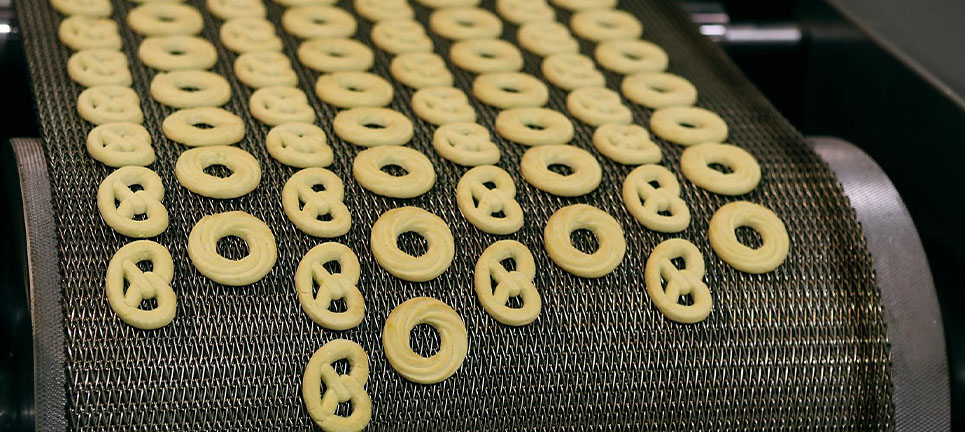
The potato chip drying conveyor belt boasts excellent corrosion resistance and h...
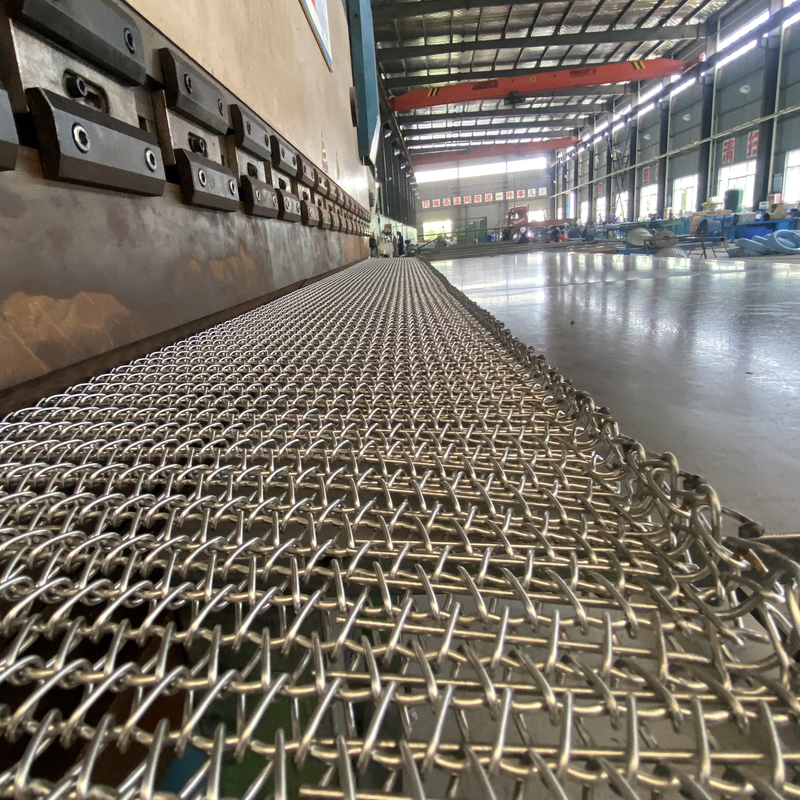
The snack drying conveyor belt can be custom-designed with a mesh structure base...
Drying mesh belts are generally suitable for drying applications in the food industry (fruits, vegetables, grains, potato chips, snacks), flooring, chemical building materials (gypsum board, plastic granules), and pharmaceutical industries (Chinese and Western medicine granules, various medicinal herbs). They are primarily responsible for transporting materials for drying under high-temperature conditions, ensuring no leakage and durability.
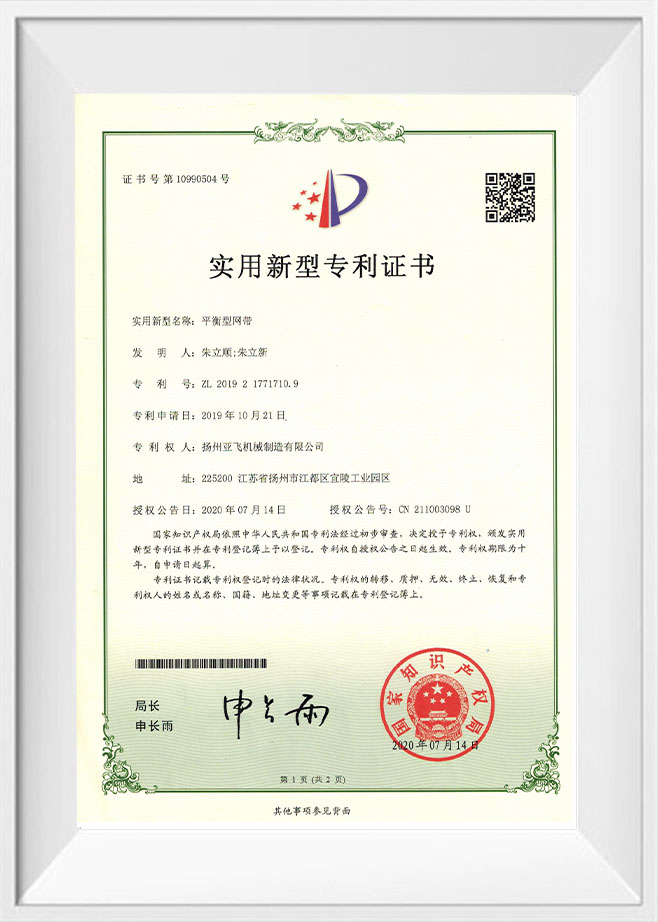
Drying mesh belts typically utilize balanced, herringbone, or chain-driven weave structures. Different mesh belt types can be selected based on the material type, temperature requirements, and conveying speed. The balanced structure is the most commonly used type in drying equipment due to its flat surface, excellent air permeability, and stable operation. It is constructed of an interlaced braid of spiral wire and threading rods, ensuring sufficient strength while maintaining good air circulation, allowing hot air to evenly penetrate the material layer and improve drying efficiency. For production lines requiring greater load-bearing capacity, reinforced mesh belts or double-sided chain structures can be used to withstand higher loads and long-term high-temperature operation.
As China Drying Mesh Belt Manufacturers and Drying Mesh Belt Suppliers,
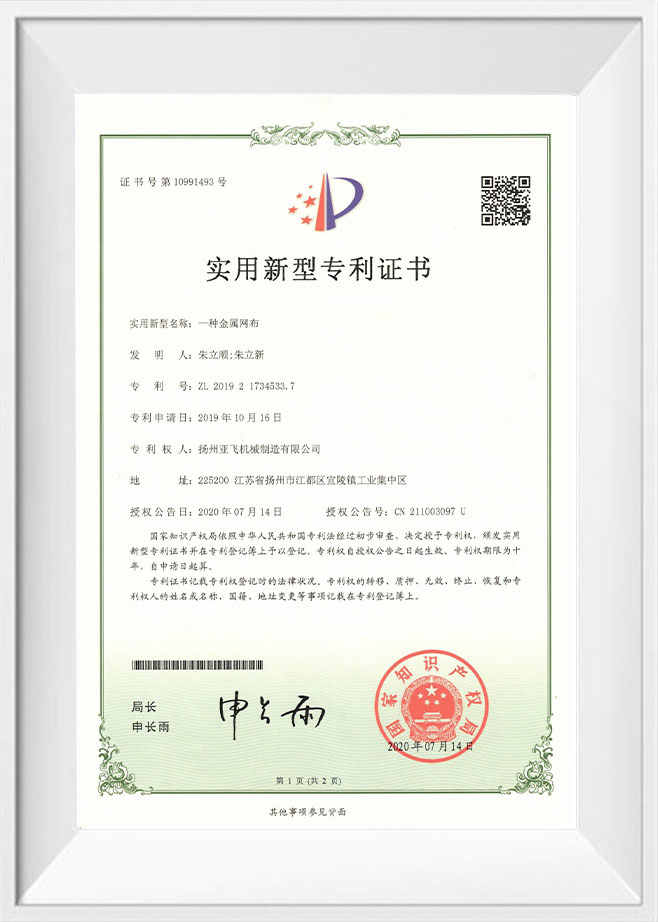
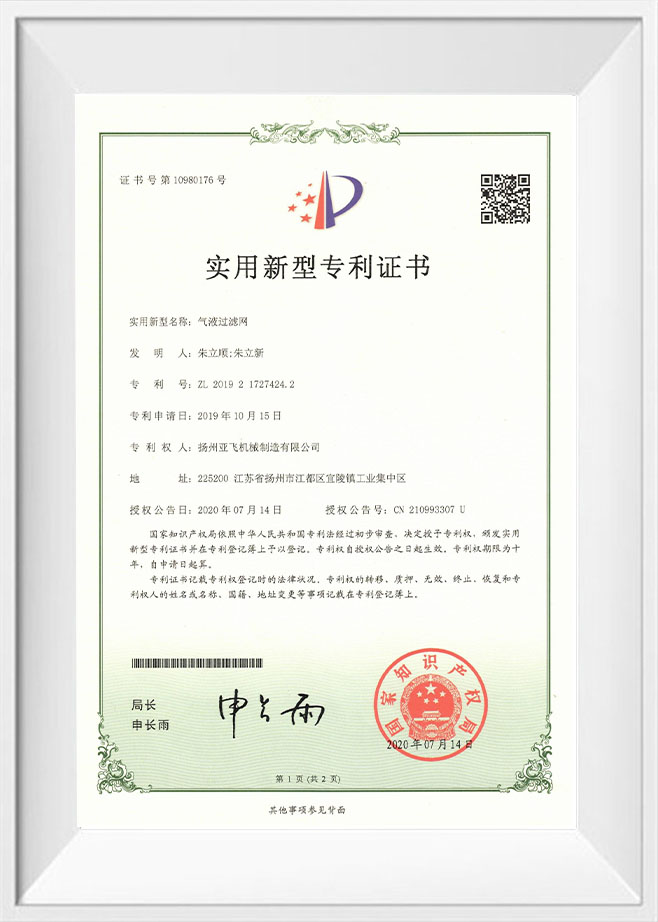
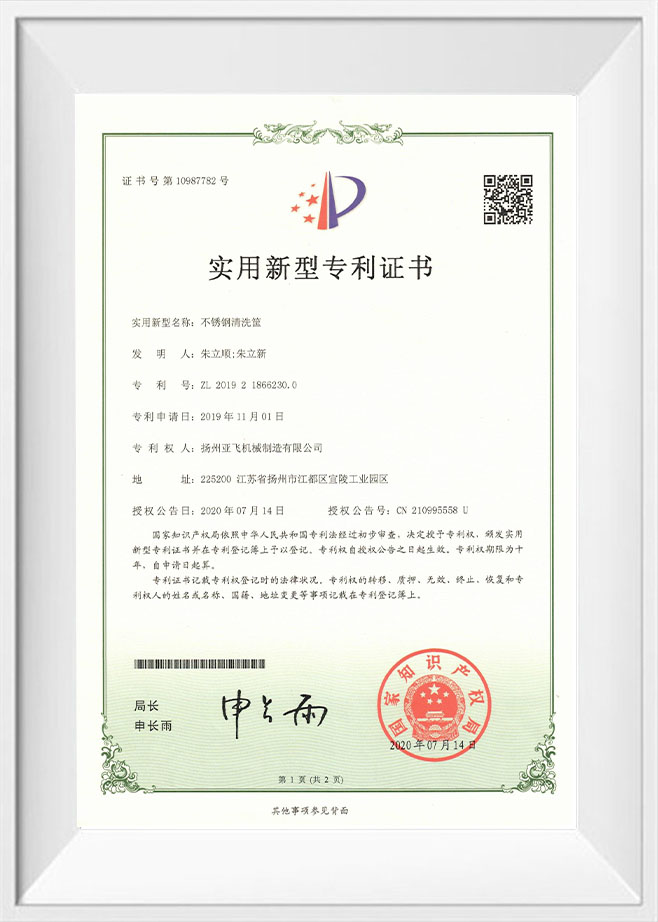
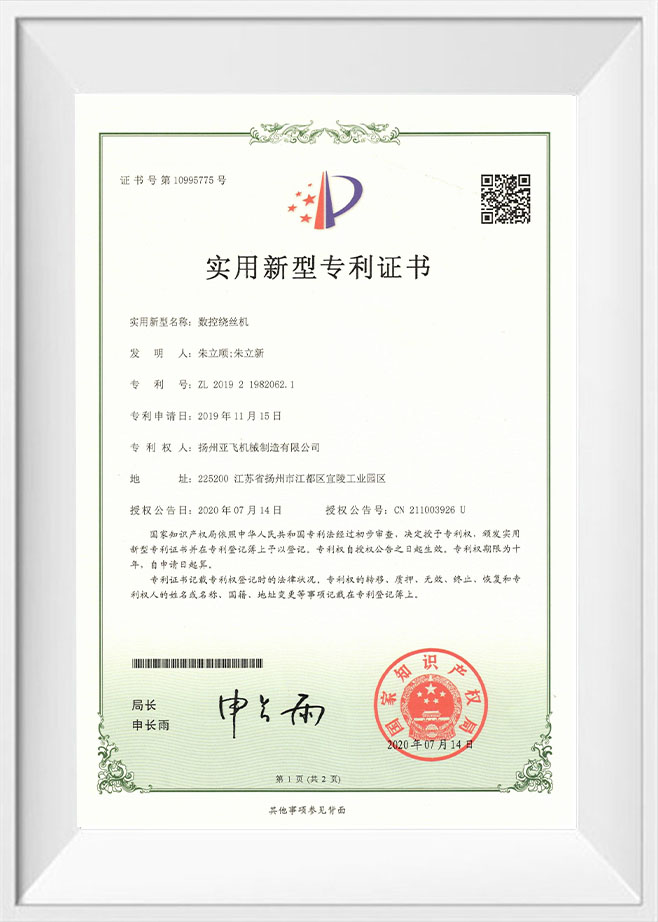
Yangzhou Yafei Machinery Manufacturing Co., Ltd. is a private scientific and technological enterprise in Jiangsu Province, formerly known as Yangzhou Yafei Metal Mesh Belt Factory, located in Yiling Industrial Park in the east of Yangzhou, with R&D, production and processing, office buildings, etc. With independent research and development of scientific and technological projects and equipment processing and manufacturing capabilities.
At present, the company is mainly engaged in: stainless steel mesh belt, conveyor mesh belt, metal mesh belt, stainless steel conveyor belt and related technology research and development, application and promotion.
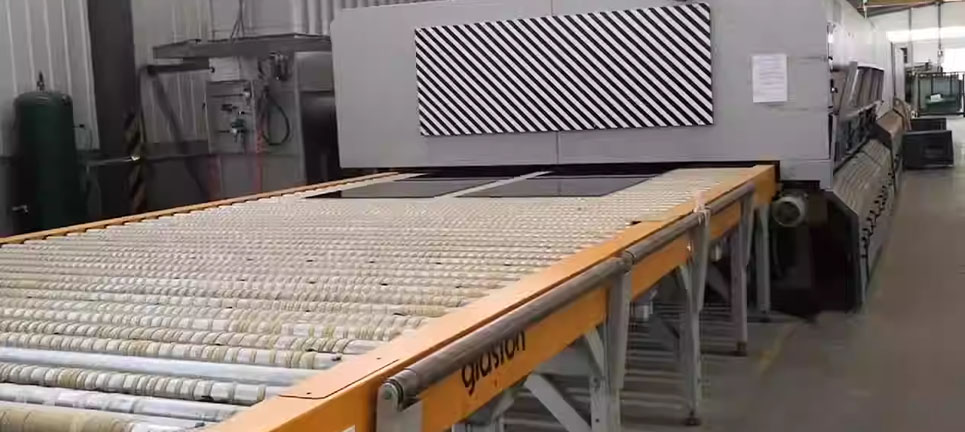
Metal mesh belts have been used in beer and beverage, food, wood industry, glass, chemical industry, pharmacy, cleaning and spraying, powder metallurgy, new energy, heat treatment, industrial kiln, general conveying machinery and other industries.
Conveying machinery includes: net belt conveyor, hoist, flat top chain conveyor belt, roller conveyor, chain plate conveyor, etc. Widely used in home appliance engineering, automobile engineering, dairy beverage industry, brewing and water treatment and other fields.
A conveyor mesh belt rarely announces its own failure. It distorts, cracks, or begins tracking to one side, and a continuous furnace or production line stops the moment it does. That makes belt selection more than a spare-part purchase; it is a decision about uptime, product quality, and operating cost. The right conv...
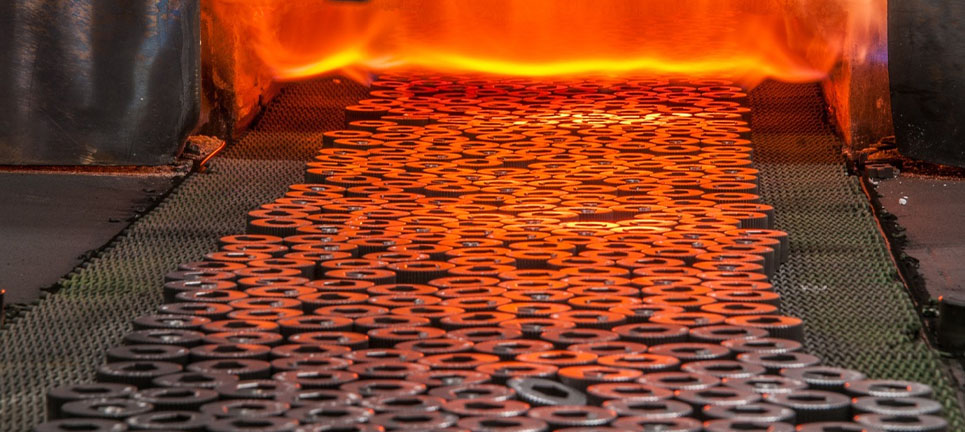
READ MOREWhen a hardening furnace mesh belt fails, it usually does it without warning. One shift it is carrying bearing races through the high-temperature zone; the next, a torn edge catches on the return track and the whole line stops. Most of these failures were decided months earlier, when the belt specification was written...
READ MOREA continuous brazing line stops because the mesh belt has drifted to one side, the edge wires are broken, and the stainless steel parts grouping together on the belt are no longer aligned. It is a familiar scenario for maintenance teams: the furnace itself is running correctly, but the belt has become the bottleneck. ...
READ MOREDrying Mesh Belts are among the most important components in modern industrial drying equipment. Designed to operate under continuous high-temperature conditions, these mesh belts transport products through drying chambers while ensuring excellent airflow, stable conveying performance, and long service life. Their open structure allows hot air to circulate evenly around materials, improving drying consistency and overall production efficiency.
The primary function of a drying mesh belt is to support and convey products through a drying process without material loss or deformation. Because different products have unique drying requirements, manufacturers can choose from various mesh belt structures, including balanced weave belts, herringbone weave belts, and chain-driven mesh belts. Each design offers distinct advantages in terms of load capacity, airflow distribution, temperature resistance, and operational stability.
Among all available designs, balanced weave mesh belts are the most widely used. Their construction consists of interwoven spiral wires connected by cross rods, creating a flat and stable conveying surface. This structure not only provides sufficient mechanical strength but also maximizes air permeability, allowing heated air to pass through the product layer evenly. As a result, drying times can be reduced while maintaining consistent product quality.
For heavier applications, reinforced mesh belts and double-chain driven systems are often selected. These structures provide additional support and prevent belt deformation during long-term operation. Industries that process heavy materials or operate at elevated temperatures particularly benefit from these strengthened designs.
At YangZhou Yafei Machinery Manufacturing Co., LTD., extensive experience in stainless steel mesh belt engineering enables the development of customized drying mesh belt solutions for a wide range of industries. Through continuous technological innovation and equipment optimization, the company ensures that each mesh belt meets demanding operational requirements.
| Mesh Belt Structure | Key Features | Suitable Applications |
|---|---|---|
| Balanced Weave Belt | Excellent airflow, flat surface | Food drying, pharmaceuticals |
| Herringbone Belt | Enhanced product stability | Agricultural products |
| Chain-Driven Belt | Accurate tracking, high strength | Industrial drying lines |
| Reinforced Mesh Belt | Heavy load capacity | Building materials, chemicals |
| Double Chain Belt | Superior durability | High-temperature conveying |
Another important consideration is material selection. Stainless steel grades such as SUS304, SUS310S, and SUS316 are commonly used depending on operating temperature, corrosion resistance requirements, and environmental conditions. High-quality stainless steel materials significantly improve belt lifespan while reducing maintenance costs.
As industrial drying systems continue to evolve toward higher efficiency and automation, drying mesh belts remain an essential component that directly influences production quality and operational reliability. Investing in a properly engineered mesh belt can lead to substantial improvements in productivity, energy efficiency, and equipment longevity.
Drying mesh belts are widely utilized across numerous industries due to their versatility, durability, and excellent thermal performance. Their ability to operate continuously under high temperatures while maintaining stable conveying performance makes them indispensable in modern production facilities.
The food industry is one of the largest users of drying mesh belts. Products such as fruits, vegetables, grains, nuts, potato chips, seafood, pet food, and snack products require precise drying processes to achieve optimal moisture content. The open mesh structure allows heated air to reach all surfaces of the product, ensuring uniform drying while preserving texture, flavor, and nutritional value.
In pharmaceutical manufacturing, drying mesh belts are used for processing traditional Chinese medicine granules, herbal extracts, tablets, capsules, and various healthcare products. Consistent airflow and stable transportation are critical for maintaining product quality and complying with strict industry regulations. Mesh belts designed for pharmaceutical applications often feature smooth surfaces and easy-clean structures to support hygiene requirements.
The chemical industry also relies heavily on drying mesh belts. Plastic granules, catalysts, fertilizers, pigments, powders, and specialty chemicals often undergo thermal processing before packaging or further manufacturing. In these environments, mesh belts must resist corrosion, abrasion, and temperature fluctuations while maintaining dimensional stability.
The building materials industry benefits from drying mesh belt systems for products such as gypsum boards, insulation panels, ceramic materials, and composite construction products. Continuous drying processes improve production efficiency and ensure consistent product performance.
In addition, drying mesh belts are extensively applied in industries such as:
| Industry | Typical Products | Main Benefits |
|---|---|---|
| Food Processing | Fruits, vegetables, snacks | Uniform drying |
| Pharmaceutical | Herbal medicine, granules | Hygienic conveying |
| Chemical Industry | Plastic pellets, powders | Corrosion resistance |
| Building Materials | Gypsum board, insulation | Continuous operation |
| Wood Industry | Flooring, timber products | Moisture control |
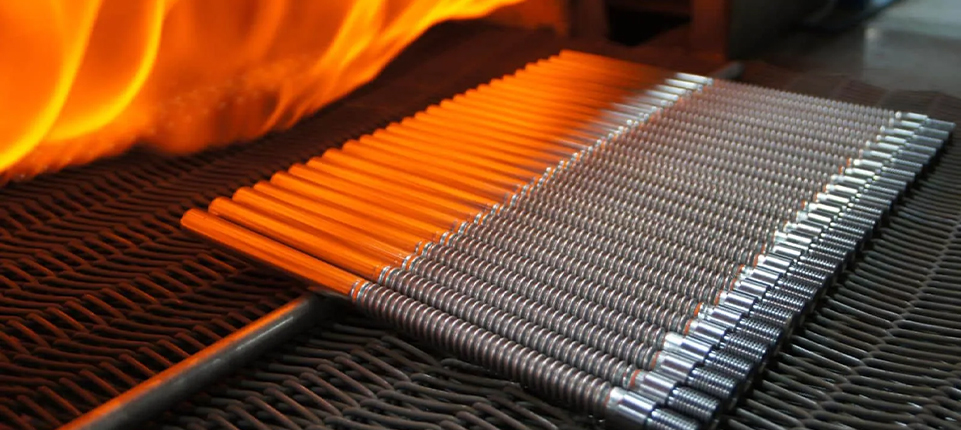
| Heat Treatment | Metal components | High-temperature stability |
One of the most significant advantages of drying mesh belts is their ability to improve energy efficiency. Better airflow distribution enables drying systems to achieve desired moisture levels faster, reducing overall energy consumption. Additionally, their durable construction minimizes downtime and maintenance costs.
As a professional manufacturer, YangZhou Yafei Machinery Manufacturing Co., LTD. continuously develops advanced conveyor mesh belt technologies to meet the evolving demands of global industries. The company’s products are designed to provide long-term reliability, excellent wear resistance, and stable performance even under challenging operating conditions.
Selecting the right mesh belt supplier is just as important as selecting the right mesh belt design. A high-quality drying mesh belt can significantly enhance production efficiency, reduce maintenance costs, and improve product quality. This is where YangZhou Yafei Machinery Manufacturing Co., LTD. stands out as a trusted industry partner.
Located in Jiangsu Province, China, the company was formerly known as Yangzhou Yafei Metal Mesh Belt Factory and has accumulated extensive experience in the research, development, manufacturing, and application of metal mesh belt technologies. Over the years, the company has established itself as a leading provider of stainless steel mesh belts and conveyor solutions for industrial applications worldwide.
The company operates modern production facilities and maintains strong independent R&D capabilities. This combination allows YangZhou Yafei Machinery Manufacturing Co., LTD. to develop innovative mesh belt products tailored to specific customer requirements. Whether customers require customized dimensions, specialized weave patterns, enhanced load capacities, or high-temperature resistant materials, the company provides professional engineering support throughout the project lifecycle.
Its core product portfolio includes:
| Company Strength | Customer Benefits |
|---|---|
| Independent R&D Team | Customized solutions |
| Advanced Manufacturing Equipment | Consistent product quality |
| Strict Quality Control | Reliable performance |
| Industry Experience | Professional technical support |
| Global Application Expertise | Diverse industry solutions |
One of the company’s major advantages is its commitment to technological innovation. Continuous investment in product development enables the company to improve mesh belt strength, durability, heat resistance, and operational efficiency. By integrating advanced manufacturing technologies and rigorous testing procedures, each product is designed to perform reliably under demanding industrial conditions.
Furthermore, YangZhou Yafei Machinery Manufacturing Co., LTD. serves customers across numerous sectors including food processing, pharmaceuticals, chemical manufacturing, wood processing, heat treatment, glass production, powder metallurgy, and new energy industries. This extensive application experience enables the company to recommend the most suitable mesh belt solutions for specific production requirements.
As industrial automation and intelligent manufacturing continue to expand globally, the demand for high-performance conveyor systems is increasing rapidly. By combining quality manufacturing, technical expertise, and customer-focused service, YangZhou Yafei Machinery Manufacturing Co., LTD. remains committed to helping customers improve productivity, reduce operating costs, and achieve long-term business success.
A drying mesh belt is primarily used to transport materials through industrial drying equipment while allowing hot air to circulate evenly around the product for efficient moisture removal.
Food processing, pharmaceuticals, chemical manufacturing, building materials, wood processing, heat treatment, glass production, and powder metallurgy industries frequently use drying mesh belts.
The balanced weave structure is the most popular due to its excellent air permeability, flat conveying surface, and stable operation.
Common materials include SUS304, SUS316, and SUS310S stainless steel, selected according to operating temperature and corrosion resistance requirements.
Yes. YangZhou Yafei Machinery Manufacturing Co., LTD. provides customized mesh belt solutions based on product type, load requirements, operating temperature, and production line specifications.
Their open mesh design allows hot air to flow freely through the product layer, ensuring uniform heat distribution and reducing drying time.
The company offers extensive industry experience, advanced manufacturing capabilities, independent R&D, strict quality control, and customized solutions for various industrial applications.
Get A Free Consultation Now
Get A Customized Solution
The company adheres to the concept of creating value for customers and prosperity for society, aiming to build a reliable mesh belt brand and establish the century-old Yafei brand.
CONTACT INFORMATION

Yiling Industrial Park, Jiangdu District, Yangzhou City, Jiangsu Province, China

+86 13852191798
PRODUCT CATEGORIES
QUICK LINKS
MOBILE
 Custom Drying Mesh Belt Suppliers