Technological Development and Application Value of Conveying and Transmission Equipment in Modern Industrial Automation
As global manufacturing continues to advance toward automation, digitalization, and intelligent production, Conveying and Transmission Equipment has become an indispensable part of modern industrial systems. From food processing and electronics manufacturing to metallurgy, mining, chemicals, new energy industries, and logistics warehousing, efficient and reliable conveying and transmission systems not only undertake the critical task of material transportation but also serve as essential infrastructure for ensuring production continuity, improving equipment utilization, and reducing operating costs.
Against the backdrop of expanding industrial production scales, enterprises are placing increasing demands on production efficiency, equipment stability, and intelligent operation. Traditional production methods relying on manual handling and simple mechanical transportation can no longer meet modern factories' requirements for high efficiency, precision, and continuous production. Through advanced mechanical design, precision manufacturing processes, and automated control technologies, Conveying and Transmission Equipment enables efficient movement of materials, components, and finished products throughout production lines, creating a more stable and productive manufacturing environment.
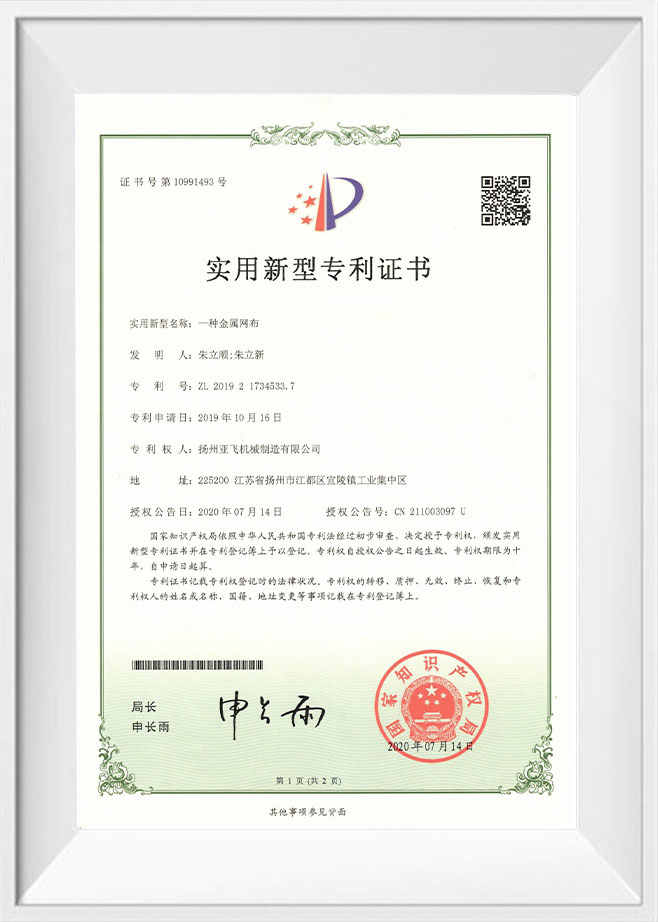
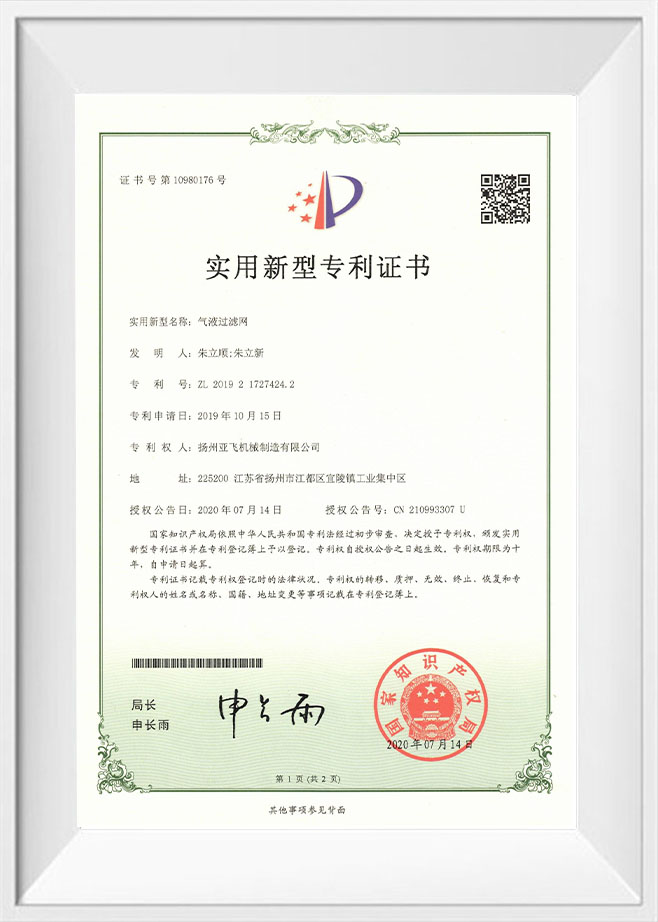
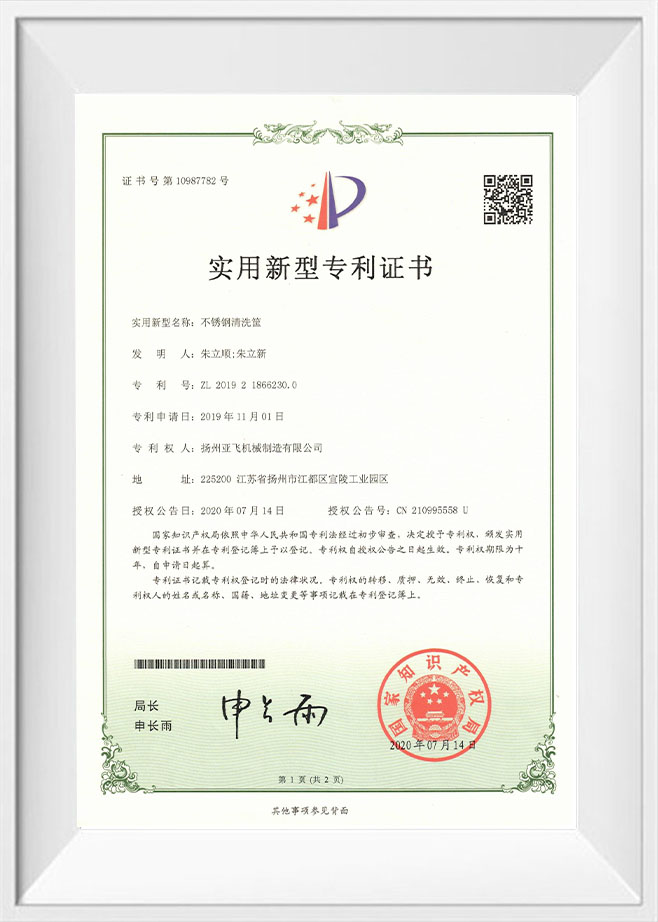
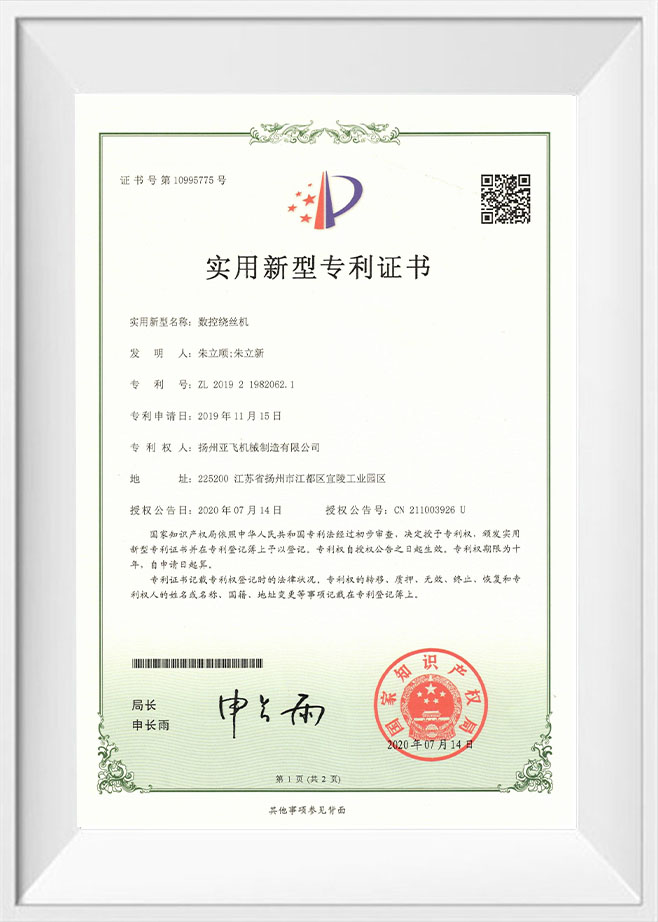
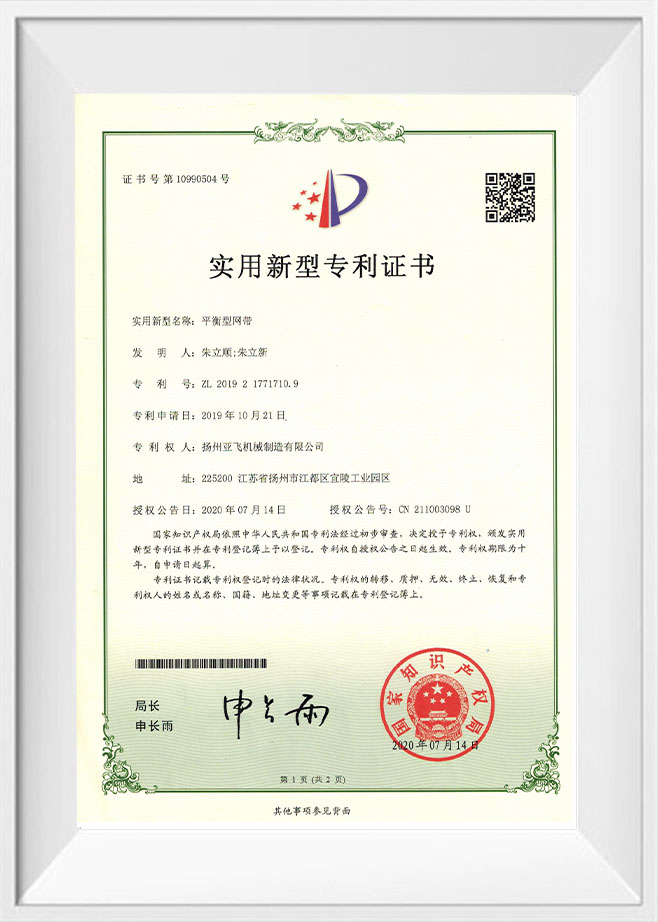
As an important manufacturer in the conveying and transmission equipment industry, YangZhou Yafei Machinery Manufacturing Co., LTD. has been dedicated to the field since its establishment in 2006. With an 18,000-square-meter modern production facility, more than 200 professional employees, and service provided to over 20 long-term clients, the company continues to promote innovation and product upgrades through more than 30 patents and certifications. The company firmly believes that "quality is the life of an enterprise." From each steel wire to the entire production line, it upholds the spirit of craftsmanship, paying meticulous attention to every detail to ensure that every delivered product is stable, durable, and reliable.
Development Background and Changing Industry Demands for Conveying and Transmission Equipment
Since the Industrial Revolution, conveying technology has continuously evolved alongside the development of manufacturing industries. Early conveying equipment primarily relied on simple mechanical structures to transfer materials, offering limited efficiency and requiring frequent maintenance. As automation entered industrial production, conveying and transmission equipment gradually integrated electrical controls, intelligent sensing technologies, data acquisition systems, and remote monitoring capabilities, transforming from simple transportation tools into key components of modern smart factories.
Today, the global manufacturing sector is undergoing profound transformation. Industry 4.0, intelligent manufacturing, and digital factory initiatives are driving enterprises to optimize production processes comprehensively. In this environment, Conveying and Transmission Equipment is expected not only to transport materials but also to seamlessly integrate with automated machinery, robotic systems, vision inspection equipment, and information management platforms, forming a complete intelligent production ecosystem.
Modern factories have raised their expectations for conveying systems. Continuous operation capability has become essential, as many large-scale production lines require uninterrupted operation around the clock. This demands exceptional reliability and durability from conveying equipment. At the same time, systems must adapt to complex environments including high temperatures, low temperatures, high humidity, corrosive conditions, and heavy-load applications. Energy efficiency and environmental sustainability have also become priorities, prompting enterprises to seek high-performance conveying systems that reduce energy consumption and maintenance expenses throughout their service life.
Meanwhile, the rapid development of the logistics industry has further expanded the market for conveying and transmission equipment. The growth of e-commerce, smart warehousing, and automated sorting systems has significantly increased the application of conveying equipment within logistics centers. Automated conveyor lines, roller conveyors, chain conveyors, and mesh belt conveyors have become vital components of modern distribution facilities.
As global supply chains continue to evolve, professional suppliers and manufacturers are paying greater attention to equipment quality. More buyers are inclined to cooperate with factories that possess strong research and development capabilities, extensive production experience, and comprehensive quality management systems to ensure long-term operational reliability.
Core Technologies and Product Structure Analysis of Conveying and Transmission Equipment
Conveying and transmission equipment encompasses a wide variety of product categories. Different products form diverse technical systems based on application scenarios and transportation requirements. Metal mesh belts, slat conveyors, chain systems, roller conveyors, and modular conveying systems represent some of the most important components of modern industrial conveying solutions.
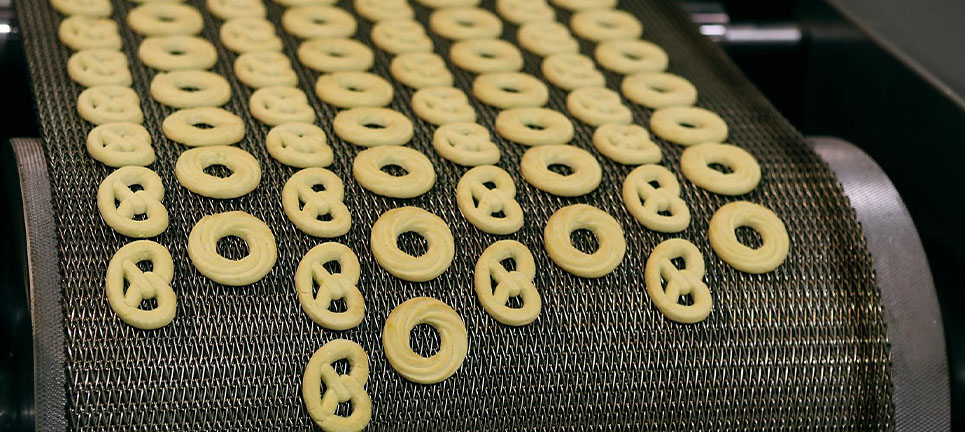
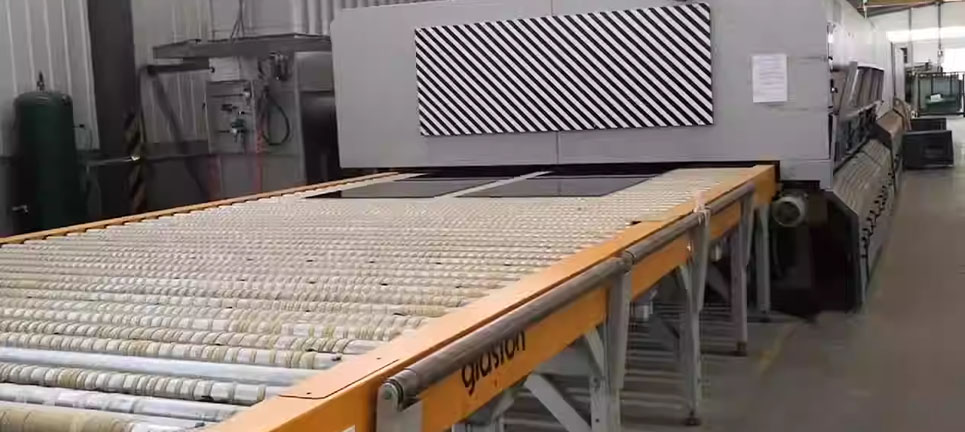
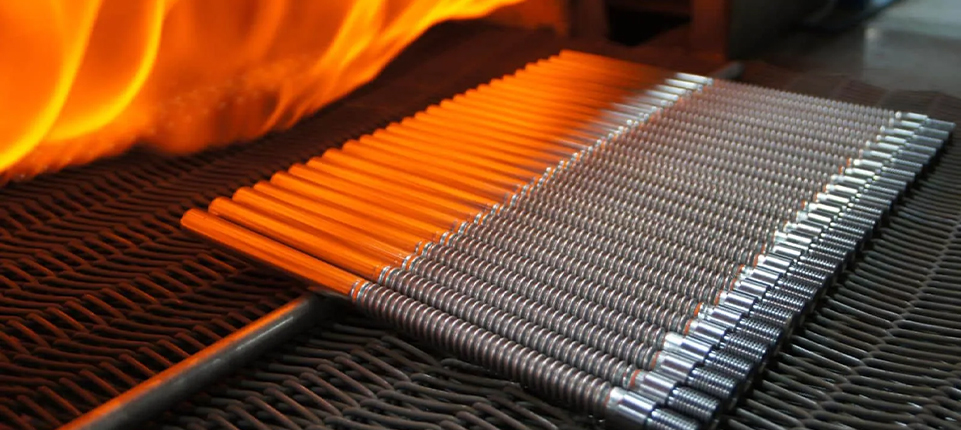
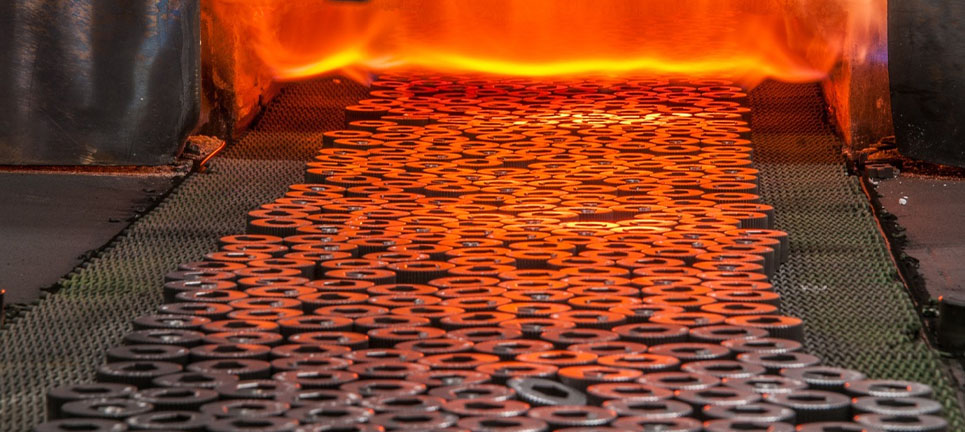
Metal mesh belts provide an ideal solution for high-temperature and heavy-duty conveying applications. They are widely used in food baking, heat treatment, glass manufacturing, and metallurgical industries. Constructed from high-strength metal wires, these belts offer excellent heat resistance while maintaining superior airflow and drainage performance. Depending on operational requirements, stainless steel, heat-resistant steel, and specialized alloy materials can be used to meet the demands of various industrial environments.
Chain transmission systems serve as the power core of modern conveying equipment. High-quality chains ensure stable power transmission and smooth operation of conveyor systems. With advances in material technology, modern chains demonstrate significantly improved wear resistance, fatigue strength, and service life. Precision manufacturing processes contribute to smoother operation, lower noise levels, and enhanced overall system efficiency.
Slat conveyors are widely applied in automotive manufacturing, home appliance production, and heavy industries. Their robust construction and high load-carrying capacity allow them to transport heavy products and components effectively. Within automated production lines, slat conveyors are commonly integrated with robots, automated assembly systems, and inspection equipment to achieve efficient manufacturing automation.
To better understand the characteristics of different conveying equipment, the following table outlines major product categories and their application advantages.
| Equipment Type |
Main Features |
Applicable Industries |
Operational Advantages |
| Metal Mesh Belt Conveyor |
High temperature resistance and excellent ventilation |
Food processing, heat treatment, glass manufacturing |
Strong continuous operation capability |
| Slat Conveyor |
High load-carrying capacity |
Automotive and machinery manufacturing |
Suitable for heavy-duty transportation |
| Roller Conveyor |
Simple structure and easy maintenance |
Logistics warehousing and e-commerce sorting |
High conveying efficiency |
| Chain Transmission System |
Stable power transmission |
Industrial production lines |
High reliability |
| Modular Conveying System |
Flexible modular design |
Smart factories |
Excellent scalability |
With the advancement of intelligent manufacturing, conveying equipment has evolved beyond purely mechanical products into integrated systems that combine automation, information technology, and intelligent sensing technologies. Modern conveying equipment is commonly equipped with variable frequency control systems, intelligent monitoring systems, and remote maintenance platforms. By collecting real-time operational data, these systems enable condition monitoring and predictive maintenance.
As a professional conveying equipment manufacturer, YangZhou Yafei Machinery Manufacturing Co., LTD. places strong emphasis on quality control throughout product development and manufacturing. From raw material procurement to final assembly, strict quality standards are implemented. Steel wires, steel plates, and key components undergo rigorous inspection procedures. Advanced production equipment and comprehensive testing processes ensure product precision and consistency. Recognizing that every steel wire contributes to the stability of the entire conveying system, the company consistently applies craftsmanship principles throughout every stage of production.
This commitment to quality extends beyond individual products to the entire manufacturing system. Through digital management platforms, modern factories achieve refined control over production processes, enabling complete traceability from design and manufacturing to testing and final delivery. Continuous attention to detail ensures that conveying equipment maintains stable performance even in demanding industrial environments.
Future Technological Directions of Conveying and Transmission Equipment in the Era of Intelligent Manufacturing
Today, global manufacturing is progressing toward greater intelligence and sustainability. As critical infrastructure for industrial automation, Conveying and Transmission Equipment is also undergoing a new phase of technological transformation.
The deep integration of digital technologies is changing the operational model of conveying systems. Through Industrial Internet of Things technologies, conveyor systems can collect real-time data related to temperature, vibration, load conditions, and operating speed. Data analytics platforms process this information to provide comprehensive equipment condition monitoring. Production managers can remotely access system status, identify potential issues promptly, and reduce unplanned downtime while improving operational efficiency.
The introduction of artificial intelligence technologies further enhances system intelligence. By analyzing historical operating data through machine learning algorithms, conveying systems can predict equipment wear trends and potential failure risks. This predictive maintenance approach helps reduce maintenance costs, increase equipment availability, and generate greater economic value for enterprises.
Energy-saving technologies have also become a major focus of industry development. As global energy costs continue to rise and environmental regulations become increasingly stringent, energy-efficient conveying equipment is attracting growing market attention. Advanced drive systems, high-efficiency motors, and lightweight structural designs help enterprises reduce energy consumption. By optimizing conveying routes and operational parameters, modern systems achieve lower energy usage while maintaining productivity.
The development of flexible manufacturing is also driving conveying equipment toward modular and reconfigurable designs. Modern factories frequently adjust production tasks and update product portfolios, making traditional fixed conveyor systems less suitable for changing requirements. Modular conveying systems enable rapid layout modifications and flexible production line configurations, improving responsiveness to market demands.
Within the context of global supply chain restructuring, end users are paying greater attention to the comprehensive service capabilities of suppliers and manufacturers. Beyond product quality, customization capabilities, technical support, and after-sales services have become increasingly important factors in procurement decisions. Enterprises with independent research and development capabilities and advanced manufacturing facilities are gaining more opportunities in the global market.
YangZhou Yafei Machinery Manufacturing Co., LTD. remains dedicated to the development of conveying and transmission equipment. Through continuous technological innovation and manufacturing capability enhancement, the company consistently improves its product portfolio and service system. Supported by its 18,000-square-meter production facility and professional technical team, the company continues to invest in product research and development, process optimization, and quality management. Its more than 30 patents and certifications demonstrate both technical strength and a long-term commitment to innovation.
As industrial automation continues to advance, Conveying and Transmission Equipment will play an increasingly important role across various industries. From traditional manufacturing and new energy production to smart logistics and advanced equipment manufacturing, high-quality conveying systems continue to support industrial upgrading. Reliable conveying technologies and comprehensive solutions contribute to higher levels of automation and intelligence in industrial production while creating sustained value throughout modern manufacturing operations. Continuous dedication to quality, innovation, and customer-focused development continues to drive the advancement of the entire conveying and transmission equipment industry.



 English
 русский
 عربى
عربى