 English
 русский
 عربى
عربىPV cell drying oven mesh belt
The PV cell drying oven mesh belt is a heat-resistant conveyor component specifi...
 +86 13852191798
Yangzhou Yafei Machinery Manufacturing Co., Ltd.

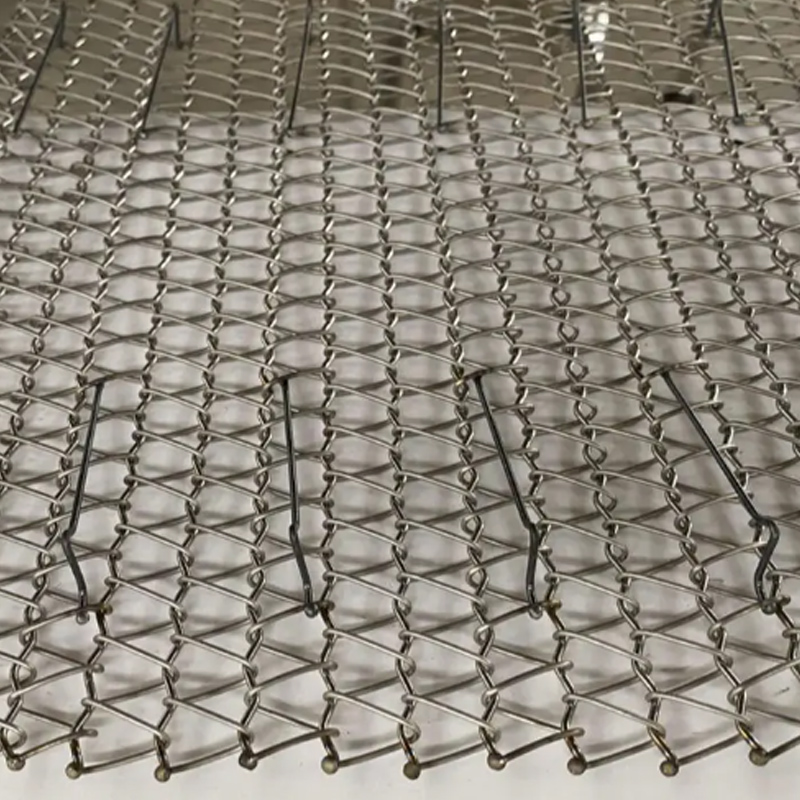
The PV cell drying oven mesh belt is a heat-resistant conveyor component specifi...
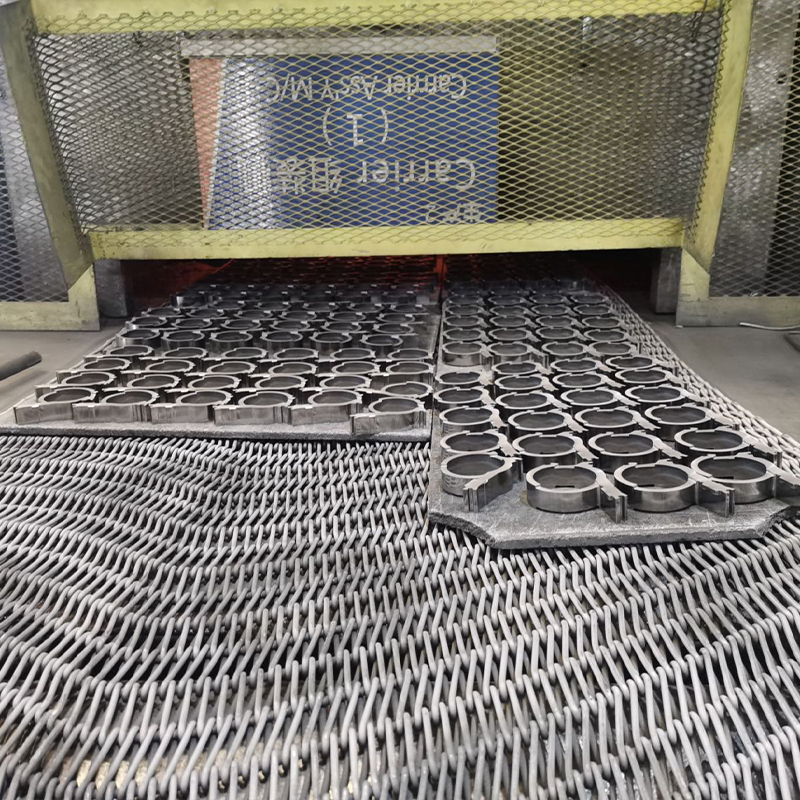
The copper-based sintering furnace mesh belt is made of high-temperature and cor...
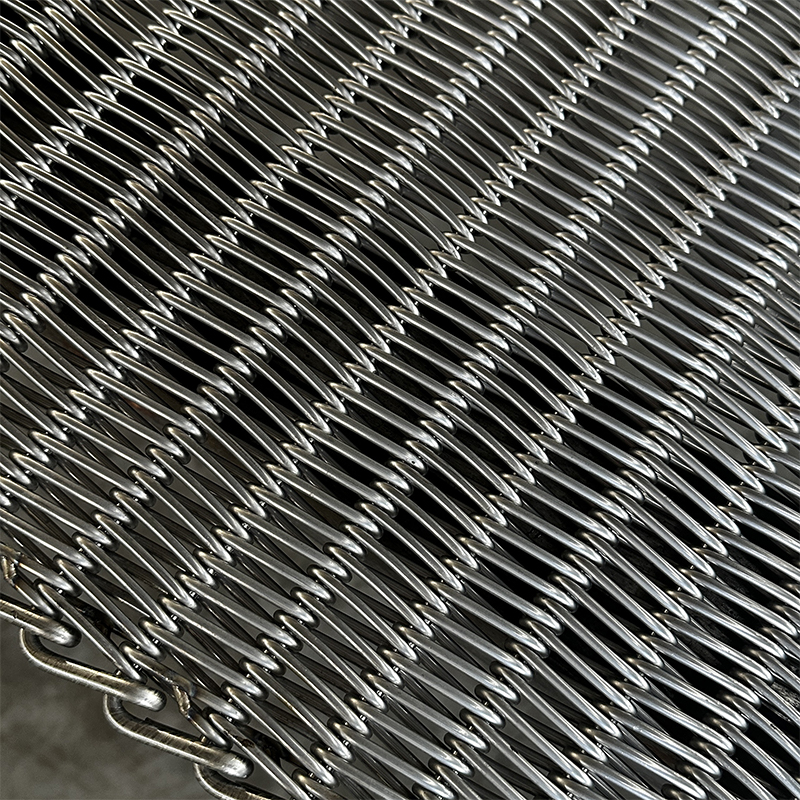
The stainless steel-based sintering furnace mesh belt is a high-performance conv...
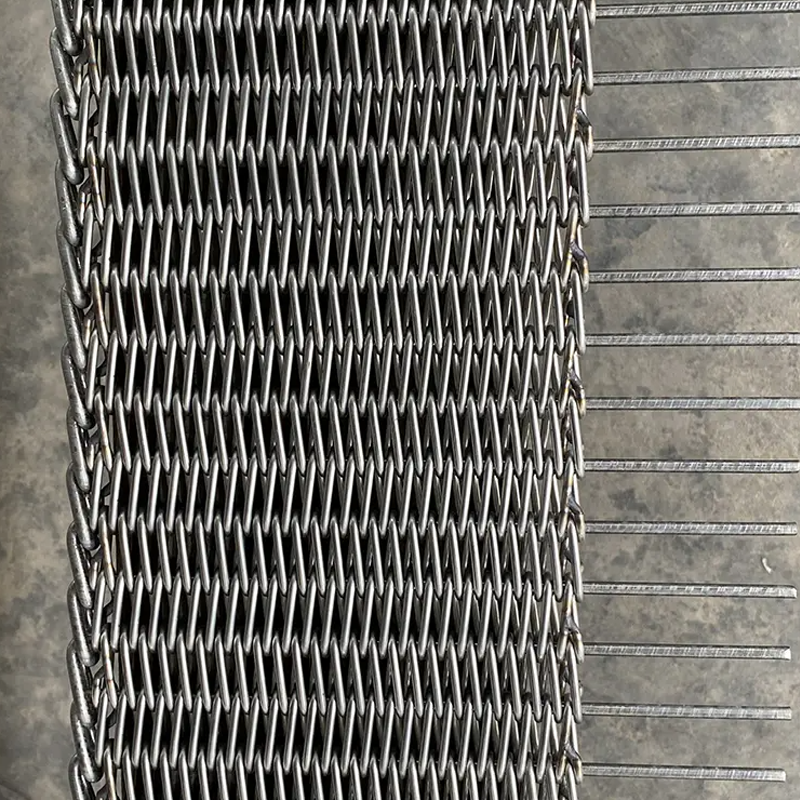
The automotive parts sintering furnace mesh belt employs a balanced weaving meth...
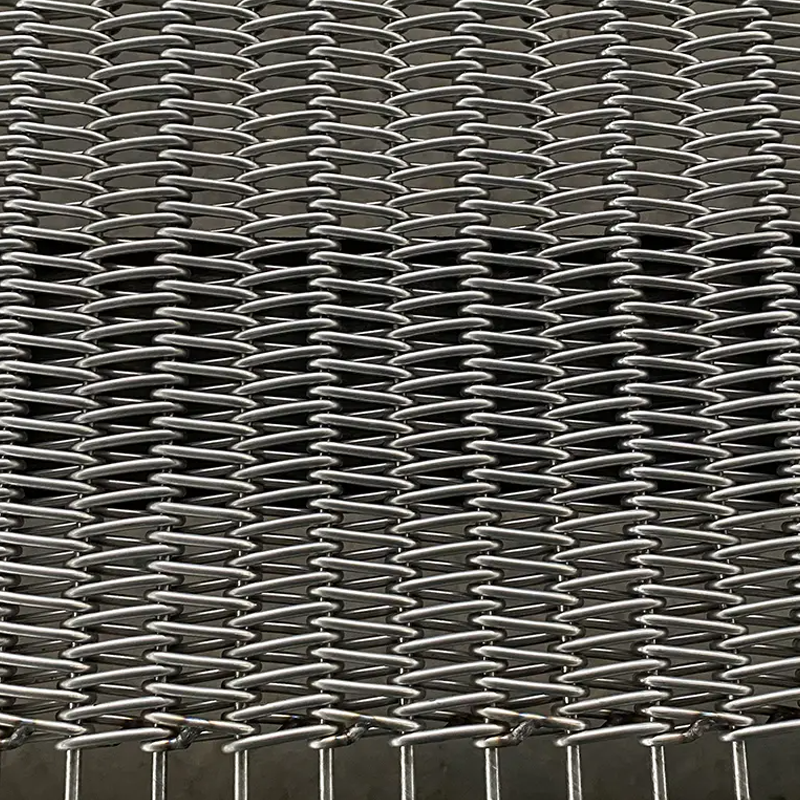
The garden tool structural components sintering furnace mesh belt is a high-perf...
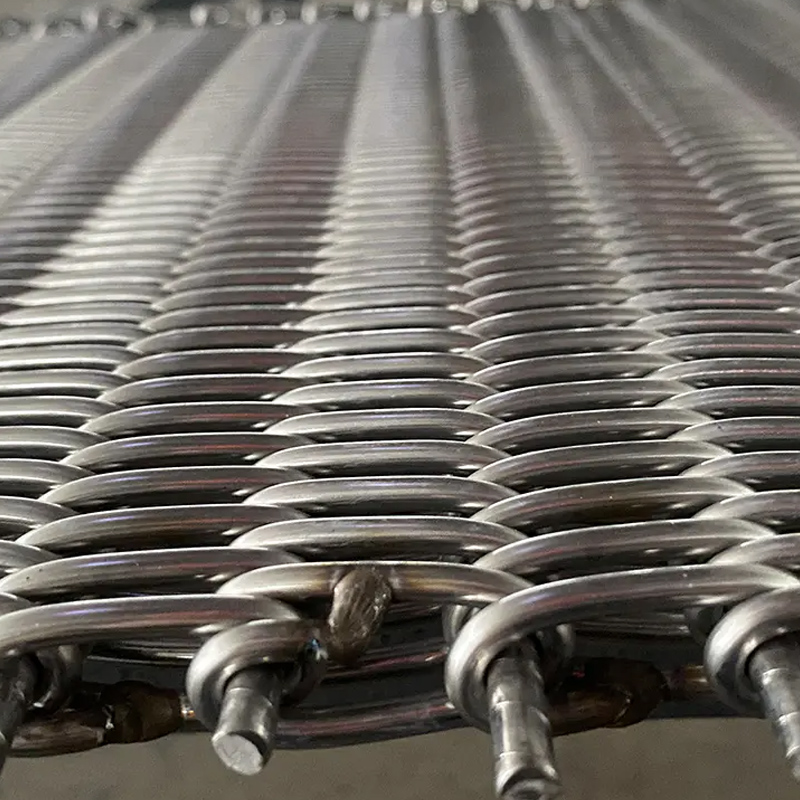
The appliance precision parts sintering furnace mesh belt is a high-performance ...
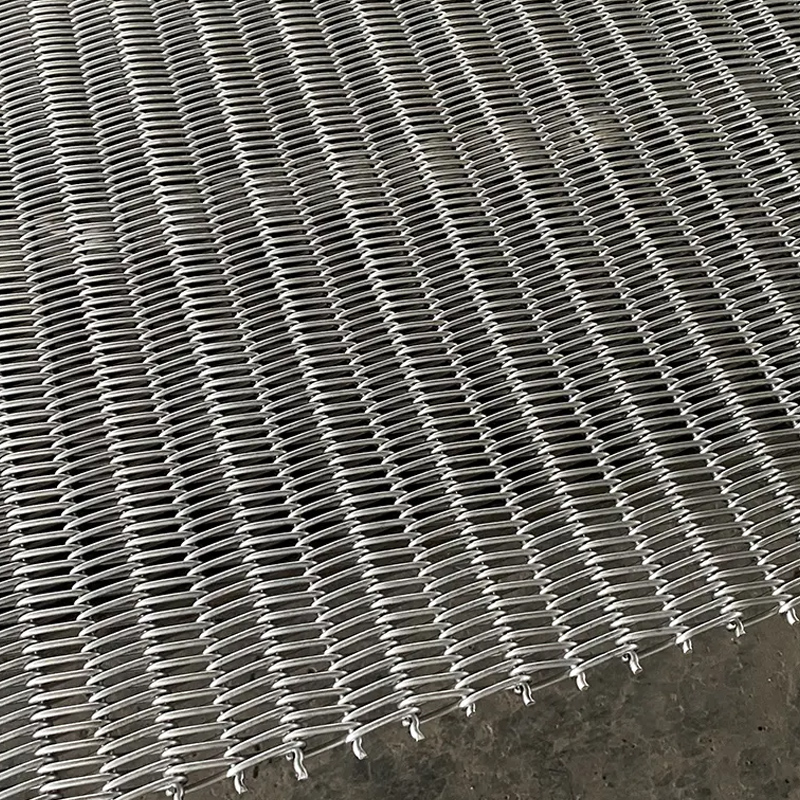
The general-purpose component sintering furnace mesh belt is manufactured from h...
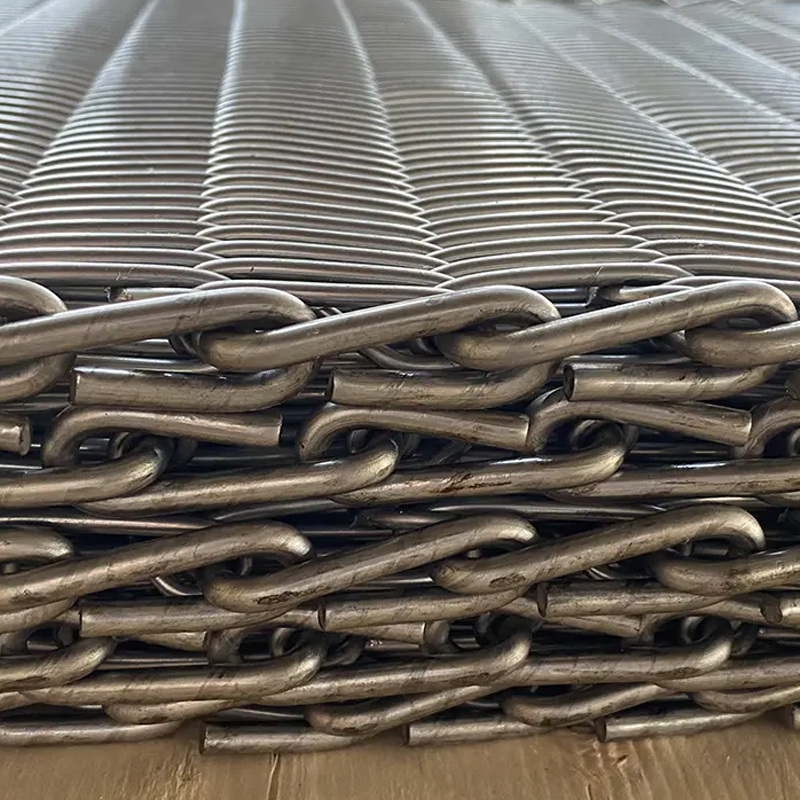
The sintering furnace mesh belt for hardware tool components maintains stable st...
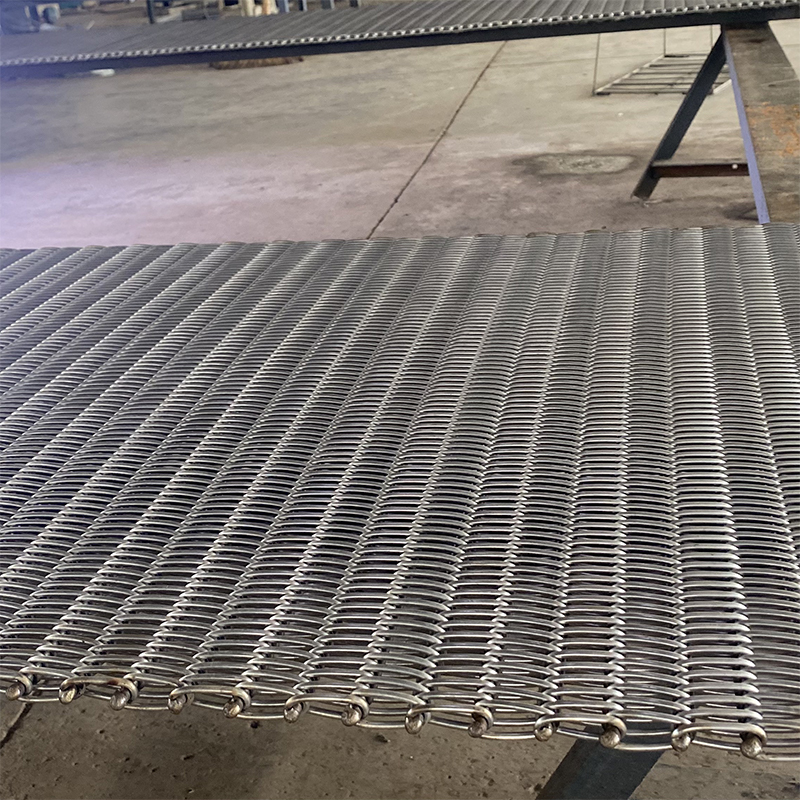
Filter and resonator sintering furnace mesh belts are typically manufactured fro...
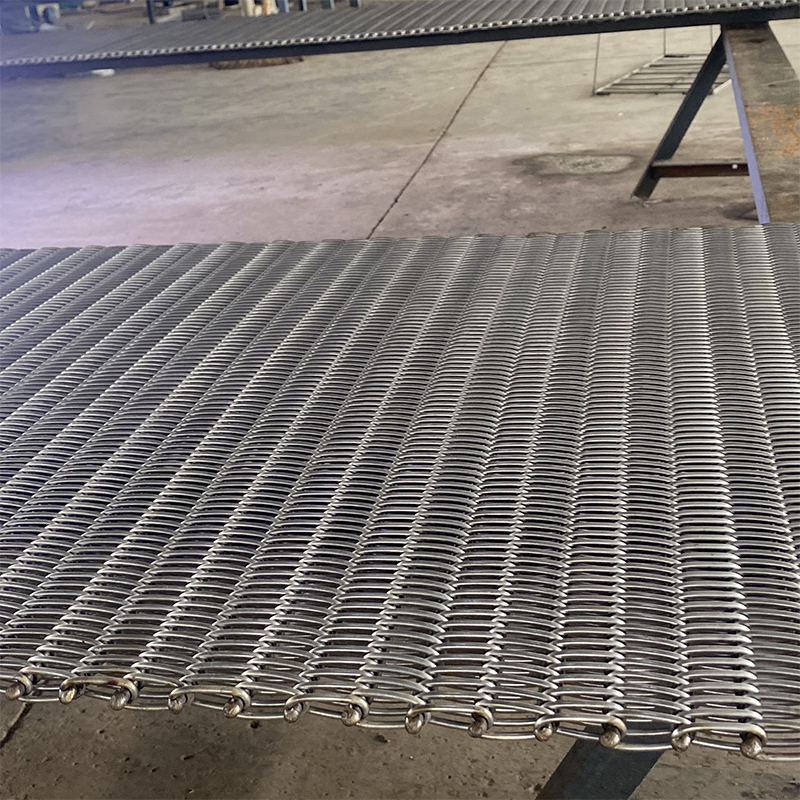
The electronic ceramic components sintering furnace mesh belt is a conveyor solu...
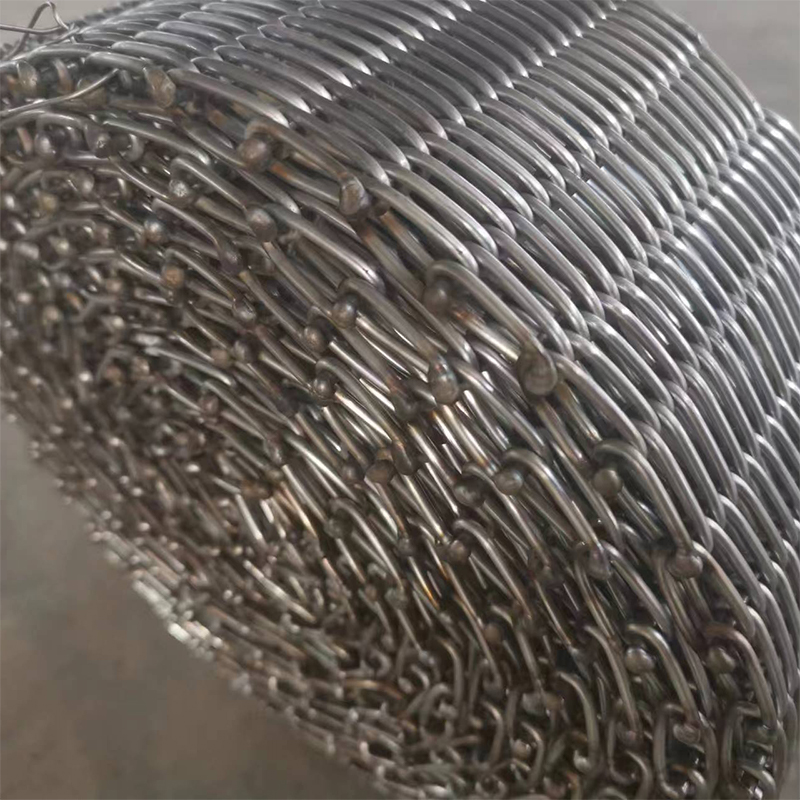
Sensor sintering furnace mesh belts are specialized heat-resistant conveyor belt...
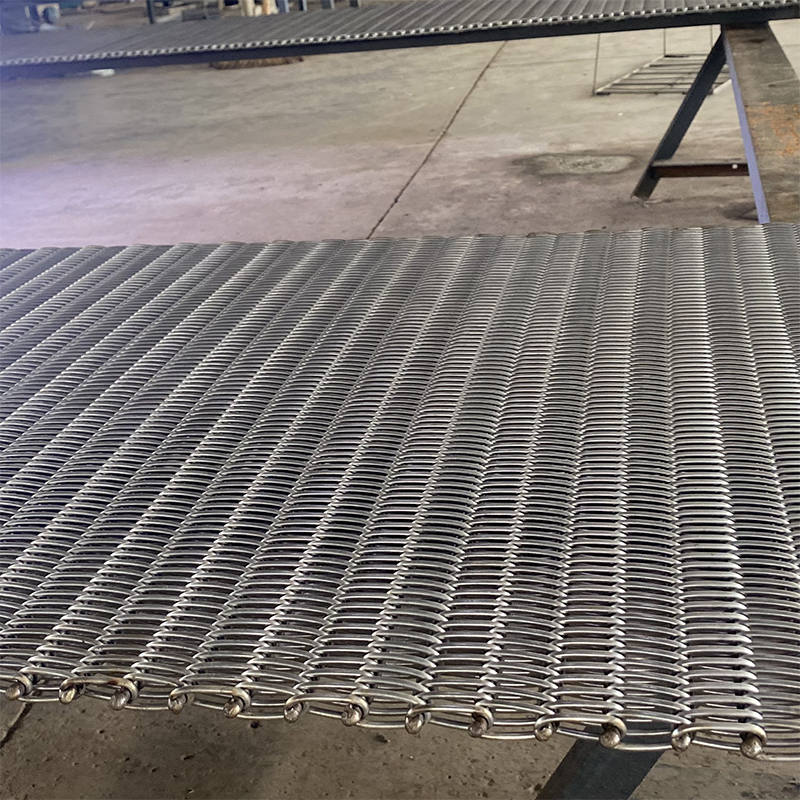
Sintering furnace mesh belts for special ceramic components are a class of heat-...
Sintering furnace mesh belts are metal transmission belts designed specifically for high-temperature sintering process conveyor systems. They are widely used in the continuous sintering of powder metallurgy, electronic components, and ceramic products. Depending on the application and process requirements, sintering furnace mesh belts can be divided into two main categories: powder metallurgy mesh belts and electronics and ceramic mesh belts. Both types of mesh belts feature a balanced structure, with staggered spiral filaments connected by through rods to form a stable weave, capable of maintaining good tension and smooth operation in high-temperature environments. Powder metallurgy mesh belts are typically used for sintering and conveying iron-based, copper-based, and stainless steel powder products. They require high heat resistance and oxidation resistance to prevent deformation or breakage during continuous operation. Electronic and ceramic mesh belts, on the other hand, prioritize smoothness and cleanliness during conveying, with a tighter mesh structure to minimize scratches and contamination on the product surface. Their edges are typically hooked for ease of installation and removal, while also increasing tensile strength and preventing loosening or falling apart under tension.
As China Sintering Furnace Mesh Belt Factory and Sintering Furnace Mesh Belt Manufacturers,
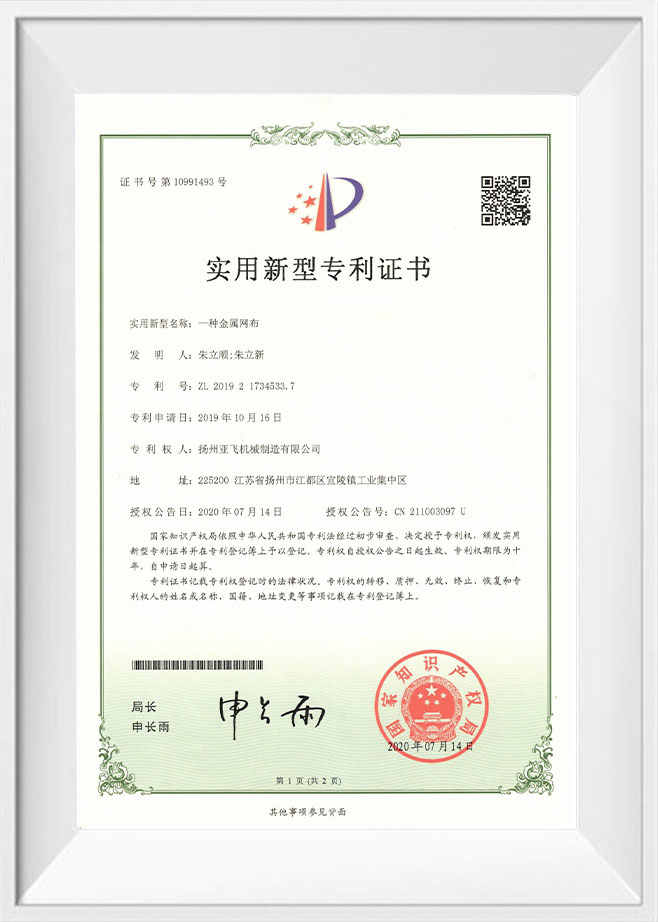
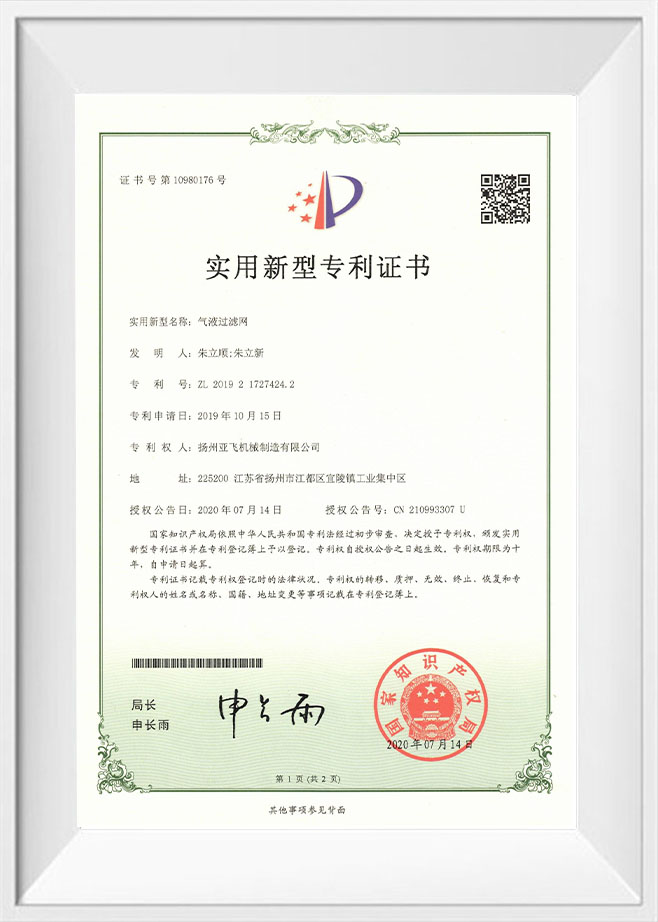
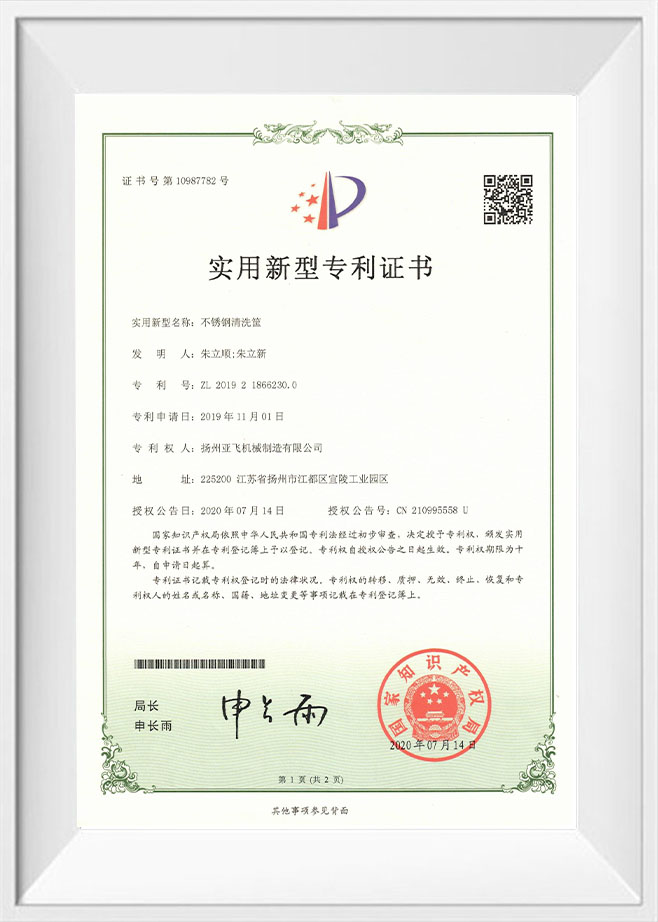
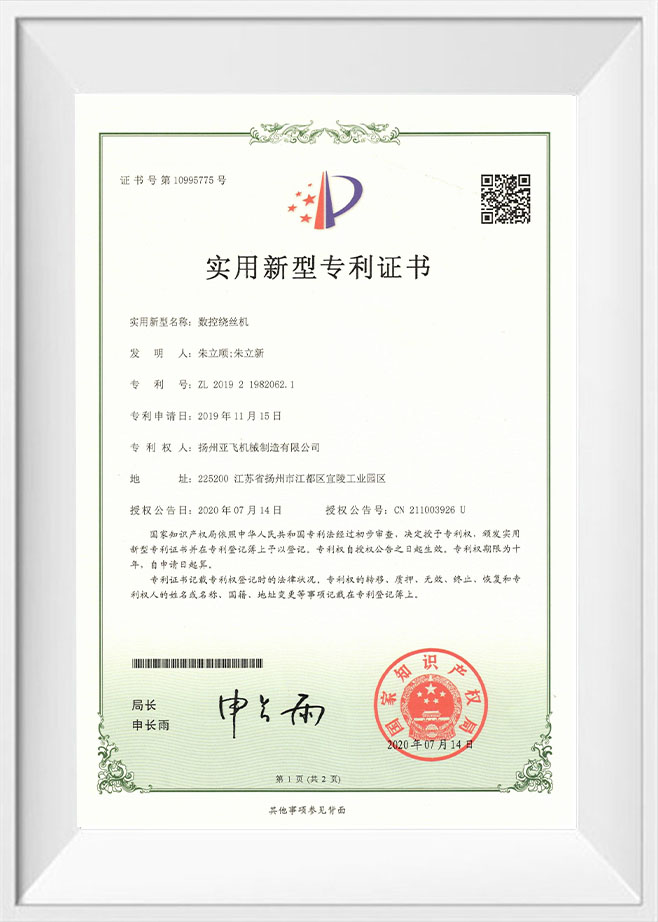
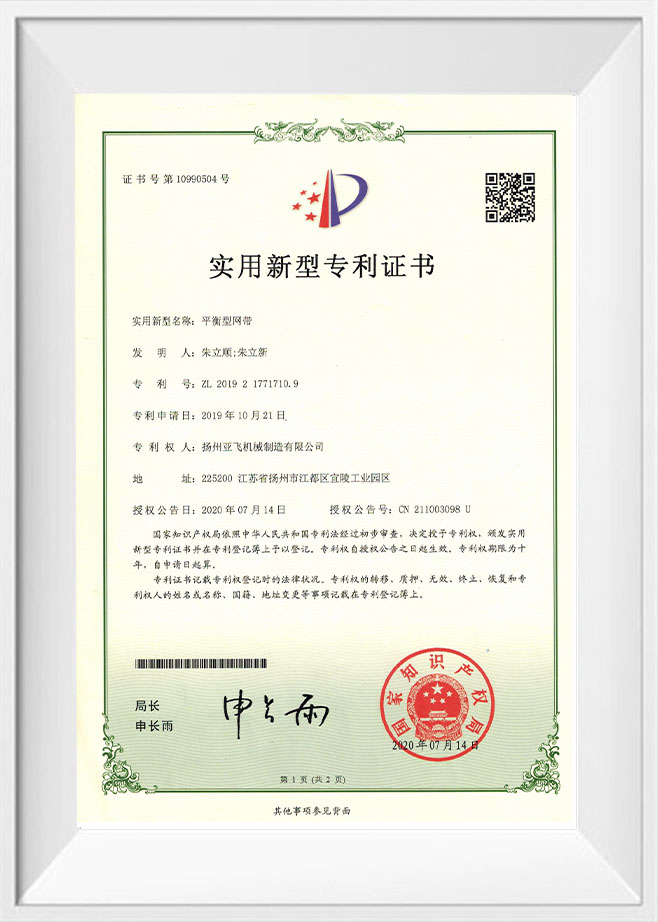
Yangzhou Yafei Machinery Manufacturing Co., Ltd. is a private scientific and technological enterprise in Jiangsu Province, formerly known as Yangzhou Yafei Metal Mesh Belt Factory, located in Yiling Industrial Park in the east of Yangzhou, with R&D, production and processing, office buildings, etc. With independent research and development of scientific and technological projects and equipment processing and manufacturing capabilities.
At present, the company is mainly engaged in: stainless steel mesh belt, conveyor mesh belt, metal mesh belt, stainless steel conveyor belt and related technology research and development, application and promotion.
Metal mesh belts have been used in beer and beverage, food, wood industry, glass, chemical industry, pharmacy, cleaning and spraying, powder metallurgy, new energy, heat treatment, industrial kiln, general conveying machinery and other industries.
Conveying machinery includes: net belt conveyor, hoist, flat top chain conveyor belt, roller conveyor, chain plate conveyor, etc. Widely used in home appliance engineering, automobile engineering, dairy beverage industry, brewing and water treatment and other fields.
A conveyor mesh belt rarely announces its own failure. It distorts, cracks, or begins tracking to one side, and a continuous furnace or production line stops the moment it does. That makes belt selection more than a spare-part purchase; it...
READ MOREWhen a hardening furnace mesh belt fails, it usually does it without warning. One shift it is carrying bearing races through the high-temperature zone; the next, a torn edge catches on the return track and the whole line stops. Most of the...
READ MOREA continuous brazing line stops because the mesh belt has drifted to one side, the edge wires are broken, and the stainless steel parts grouping together on the belt are no longer aligned. It is a familiar scenario for maintenance teams: t...
READ MOREA photovoltaic panel recycling line runs at the speed of its weakest component, and in a continuous pyrolysis furnace, that component is often the mesh belt. The belt carries end-of-life panels through a thermal decomposition zone where EV...
READ MORESintering processes in powder metallurgy, new energy component production, and industrial kiln applications demand rigorous control over the thermal and chemical environment. To prevent the oxidation of metal compacts during high-temperature consolidation, thermal processing systems utilize protective atmospheres, primarily comprised of hydrogen, nitrogen, or dissociated ammonia. The continuous conveyance of components through these localized chemical environments requires specialized material transport systems. A sintering furnace mesh belt must maintain mechanical stability, creep resistance, and structural integrity while exposed to both high thermal loads and the specific reduction or nitriding reactions driven by these process gases. Engineering entities, including Yangzhou Yafei Machinery Manufacturing Co., Ltd., focus on material alloy optimization and weave structural configurations to balance mechanical tracking requirements with the chemical constraints imposed by controlled furnace atmospheres.
Hydrogen functions as a strong reducing agent in high-temperature sintering furnaces, intentionally stripping away surface oxides from the conveyed metal parts to facilitate clean particle boundary bonding. While this atmosphere protects the product, it alters the steady-state surface chemistry of the sintering furnace mesh belt itself. Standard high-temperature alloys rely on the formation of a stable, passive surface oxide layer—typically chromium oxide or aluminum oxide—to protect the underlying metal from rapid degradation. In a pure hydrogen environment, particularly one with a very low dew point, the partial pressure of oxygen is insufficient to maintain certain oxide films. This causes the reduction of less stable surface oxides, exposing bare metal grains. To prevent premature material failure under these conditions, mesh belts manufactured for hydrogen service utilize specialized nickel-chromium or iron-chromium-aluminum alloys that can maintain structural integrity without relying on a thick, continuous external oxide shell.
Nitrogen is frequently utilized as an inert carrier gas or a primary processing atmosphere due to its stable nature and cost efficiency relative to pure hydrogen. However, at typical sintering temperatures ranging from 700 to 1150 degrees Celsius, molecular nitrogen can dissociate at the metal surface, leading to localized nitriding of the conveyor belt alloy. This process involves the diffusion of nitrogen atoms into the structural grain boundaries of the mesh wire, where they react with chromium or iron to form hard, brittle metal nitrides. This structural alteration, known as nitriding embrittlement, significantly reduces the ductility and flexibility of the wire connections. As the mesh belt flexes over the furnace drive rollers and tracking pulleys, the brittle grain boundaries can develop micro-cracks. Selecting alloys with high nickel content helps suppress the diffusion rate of nitrogen into the metal matrix, mitigating the rate of embrittlement over extended production cycles.
Many protective atmospheres mix nitrogen and hydrogen with small percentages of carbon-bearing gases, such as methane or endothermic gas, to control the carbon potential around iron-based powder metal compacts. If the carbon potential of the furnace atmosphere is higher than the carbon content of the mesh belt wire, carbon will diffuse into the conveyor matrix. This phenomenon, known as carburization, leads to the formation of internal carbides that drastically harden the wire while reducing its fatigue resistance. In localized zones where the atmosphere fluctuates between oxidizing and reducing states, a severe failure mode called green rot can occur, where chromium is internally oxidized while the remaining matrix becomes carbon-saturated. Managing this operational risk requires close monitoring of the furnace gas ratios alongside the deployment of mesh belts with balanced silicon and manganese additions, which act as internal barriers to carbon migration.
The selection of the wire alloy for a sintering furnace mesh belt must match the specific chemical profile and dew point of the protective atmosphere. The table below outlines the behavioral characteristics of standard industrial alloys under various controlled gas environments.
| Alloy Designation | Primary Composition | Hydrogen Performance Profile | Nitrogen Nitriding Resistance | Maximum Operating Temperature |
| AISI 314 Stainless Steel | Fe, 25% Cr, 20% Ni, 2% Si | Stable in moderate dew points; subject to oxide reduction in ultra-dry H2 | Moderate; silicon content provides a partial barrier to nitrogen diffusion | 1000°C |
| Nichrome V (Alloy 600) | 72% Ni, 16% Cr, 8% Fe | High stability; absence of heavy iron minimizes reduction-driven degradation | High resistance; high nickel content prevents rapid nitride formation | 1150°C |
| Fe-Cr-Al (Kanthal Style) | Fe, 22% Cr, 5% Al | Forms a resilient aluminum oxide film that resists hydrogen reduction | Subject to structural aluminum nitride precipitation over time | 1200°C |
| Inconel 601 | 61% Ni, 23% Cr, 14% Fe, 1.4% Al | Maintains strength; low creep rate under combined thermal and chemical load | High; dual nickel and aluminum matrix restricts nitrogen gas ingress | 1150°C |
The mechanical workload of a conveyor system, such as a net belt conveyor or industrial kiln transport setup engineered by specialists like Yangzhou Yafei Machinery Manufacturing Co., Ltd., requires the mesh to endure continuous tensile pulling forces while operating at maximum thermal limits. High temperatures cause metals to undergo creep, which is the slow, progressive permanent deformation under constant stress. When a protective atmosphere strips away the passive oxide layer or introduces interstitial atoms like nitrogen and carbon, the slip planes within the metal crystal lattice are modified. In pure reduction environments, the lack of an oxide skin can accelerate surface creep rates. Therefore, the mechanical design of the mesh weave—such as using compound balanced weaves or adding reinforced side links—must account for this slight loss in effective cross-sectional structural strength to prevent premature elongation stretching.
The dew point of a protective atmosphere serves as a direct indicator of its moisture content and oxygen partial pressure. In high-temperature metal mesh belt operations, minor variations in the dew point can shift the furnace environment from a completely reducing state to a selectively oxidizing state. If the dew point rises unexpectedly due to air ingress or improper gas mixing, elements with a high affinity for oxygen, such as chromium or aluminum within the belt wire, will oxidize internally along the grain boundaries rather than forming a smooth external layer. This internal oxidation creates structural stress points inside the wire cores. Maintaining a stable, dry dew point (typically below -40 degrees Celsius) ensures that the gas reactions remain predictable, allowing the conveyor wire to maintain its designed structural flexibility as it travels through the variable heat zones of the industrial kiln structure.
Q: How do the raw material choices handled by Yangzhou Yafei Machinery Manufacturing Co., Ltd. protect a sintering furnace mesh belt from thermal fatigue during rapid cooling cycles?
A: High-temperature sintering often includes a cooling zone where temperatures drop sharply to stabilize the metal parts. The factory selects premium-grade nickel-chromium and iron-chromium-aluminum alloys processed with strict grain-boundary optimization, which ensures the wire loops can absorb the thermal shock of rapid cooling cycles without developing micro-fractures.
Q: What mechanical weave style is recommended for conveying heavy powder metallurgy compacts through a high-heat industrial kiln?
A: For heavy structural loads, a compound balanced weave or a reinforced straight-rod mesh belt design is typically implemented. This configuration packs the wire spirals tightly together to create a flat, high-density surface that distributes heavy component weight evenly, preventing individual wires from sagging or stretching under continuous pulling tension.
Q: How does your technology research and development division address tracking deviations when a metal mesh belt expands inside a long sintering furnace?
A: Dynamic thermal expansion can alter the tension balance across the belt width, causing it to drift sideways. Our research and development team integrates precision-welded button edges, knuckle edges, or side chain drives into the mesh structure, which mechanically lock the belt into the conveyor rollers to maintain straight tracking despite significant thermal elongation.
Q: In what ways does your production process minimize surface contamination on mesh belts used in sensitive new energy battery material sintering?
A: New energy and electronic components require an environment completely free of zinc, lead, or low-melting-point lubricants that could outgas and contaminate the batch. The manufacturing process utilizes specialized non-contaminating forming fluids, followed by industrial de-greasing washes, ensuring the finished metal mesh belt enters the kiln completely clean.
Q: Can the automated net belt conveyor components be custom-engineered to handle small, delicate parts that might slip through standard mesh openings?
A: Yes, backed by comprehensive conveyor machinery engineering experience, the factory can customize the pitch, wire diameter, and spiral spacing down to micro-mesh thresholds. This fine-weave optimization creates a secure transport platform that keeps tiny, un-sintered parts stable and flat, preventing them from falling through or shifting during transit.
Q: Why is the precision of the longitudinal laser automatic welding on the belt pin connections critical for automated home appliance engineering production lines?
A: Home appliance manufacturing lines demand continuous operation with zero unplanned downtime. By utilizing automated precision welding on the side loops and cross-rods, the joints achieve deep, uniform penetration that eliminates weak points, ensuring the sintering furnace mesh belt can endure millions of rotational flexes over the drive pulleys without snapping.
Get A Free Consultation Now
Get A Customized Solution
The company adheres to the concept of creating value for customers and prosperity for society, aiming to build a reliable mesh belt brand and establish the century-old Yafei brand.
CONTACT INFORMATION

Yiling Industrial Park, Jiangdu District, Yangzhou City, Jiangsu Province, China

+86 13852191798
PRODUCT CATEGORIES
QUICK LINKS
MOBILE
 OEM/ODM Sintering Furnace Mesh Belt Manufacturers