Technical Development and Industrial Applications of Continuous Heating Equipment in Modern Continuous Production
With the continuous improvement of industrial automation, continuous production has become a key approach for manufacturers to enhance efficiency, reduce energy consumption, and ensure product consistency. Among various industrial processing systems, Continuous Heating Equipment plays an essential role due to its ability to provide stable, continuous, and efficient thermal processing. It is widely used in automotive components, powder metallurgy, heat treatment, brazing, food processing, new energy materials, and high-end equipment manufacturing. As an important component of modern industrial thermal processing systems, Continuous Heating Equipment not only determines product quality stability but also directly affects production efficiency and energy utilization throughout the manufacturing process.
During the operation of Continuous Heating Equipment, conveying systems play a critical role in connecting production processes, maintaining production rhythm, and ensuring uniform heating performance. Metal mesh belts, as one of the most important components within conveying systems, directly influence product movement, residence time, and heat transfer efficiency within heating zones. For suppliers, manufacturers, and factories, selecting durable, heat-resistant, and wear-resistant metal mesh belts has become a key factor in improving overall equipment performance.
Development Background and Core Technologies of Continuous Heating Equipment
Continuous Heating Equipment refers to industrial thermal processing systems capable of continuous feeding, continuous heating, and continuous discharge. Compared with traditional batch-type heating equipment, its most significant advantage is uninterrupted production, enabling large-scale, standardized, and automated manufacturing.
In modern industrial environments, product consistency requirements continue to increase. Traditional batch heating equipment often faces challenges such as loading variations, temperature fluctuations, and operational inconsistencies. Continuous Heating Equipment addresses these issues through automated control systems, precise temperature regulation technologies, and intelligent conveying systems, allowing products to undergo thermal processing under highly consistent conditions.
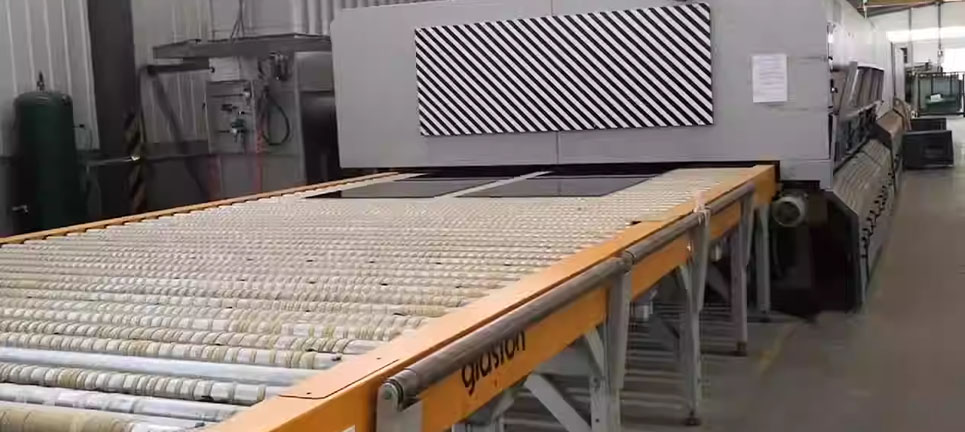
A typical Continuous Heating Equipment system consists of a heating chamber, temperature control system, conveying system, cooling system, atmosphere protection system, and automated control platform. Among these components, the conveying system is responsible for moving products through different temperature zones, while metal mesh belts serve as its most important operating element.
For metal mesh belts operating under long-term high-temperature conditions, several key performance characteristics are required.
| Performance Requirement |
Function |
| High Temperature Resistance |
Ensures long-term operation without deformation |
| Oxidation Resistance |
Extends service life |
| High Mechanical Strength |
Supports heavy product loads |
| Wear Resistance |
Reduces maintenance frequency |
| Excellent Air Permeability |
Improves heat transfer efficiency |
| Dimensional Stability |
Maintains conveying precision |
| Corrosion Resistance |
Suitable for special processing environments |
With the advancement of Industry 4.0 technologies, more Continuous Heating Equipment systems are evolving toward intelligent manufacturing. Temperature control accuracy continues to improve, real-time monitoring systems are becoming increasingly common, and conveying systems are being integrated with MES and ERP platforms. These technological developments have also created higher requirements for mesh belt manufacturers.
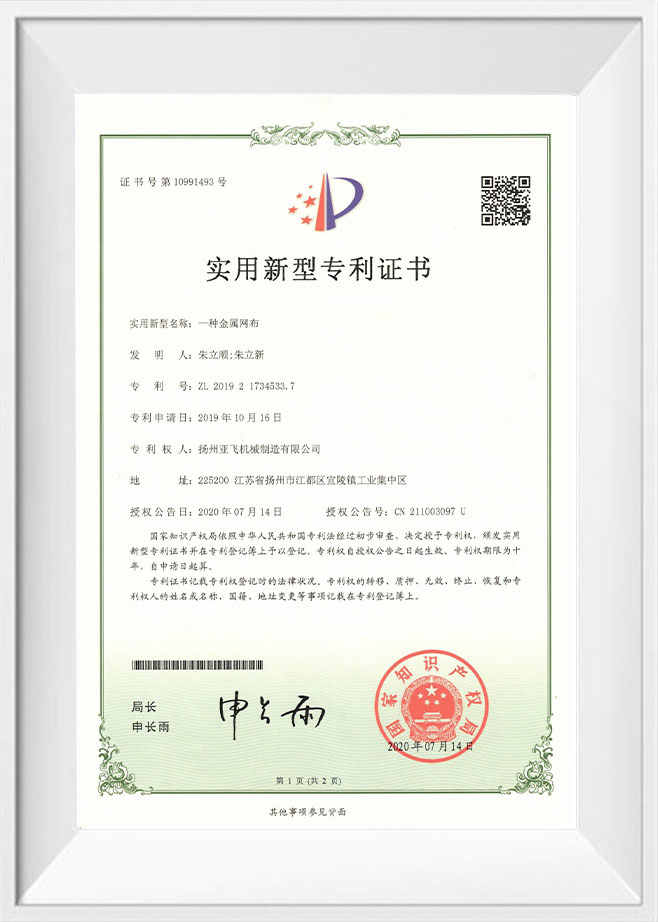
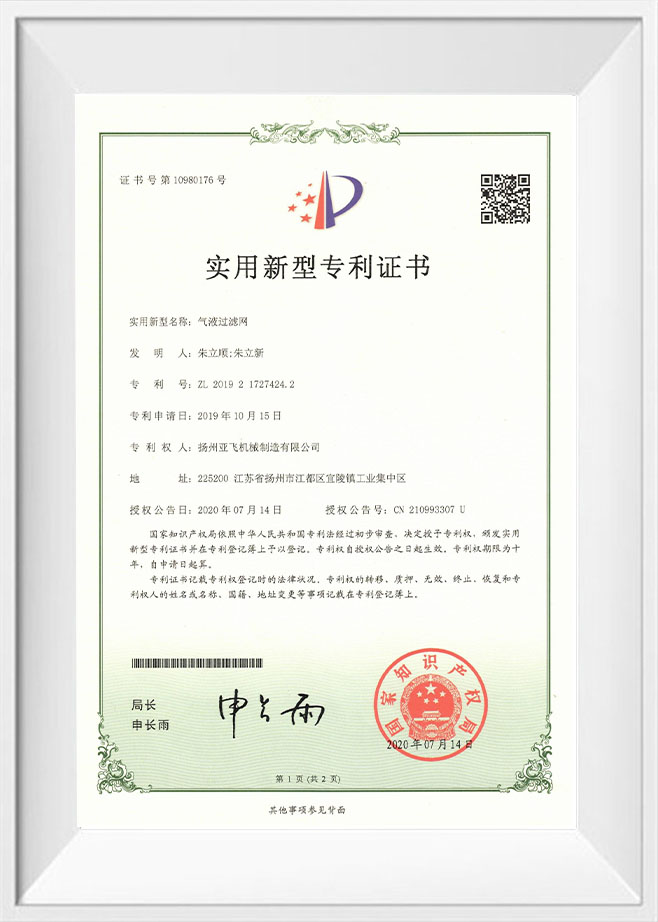
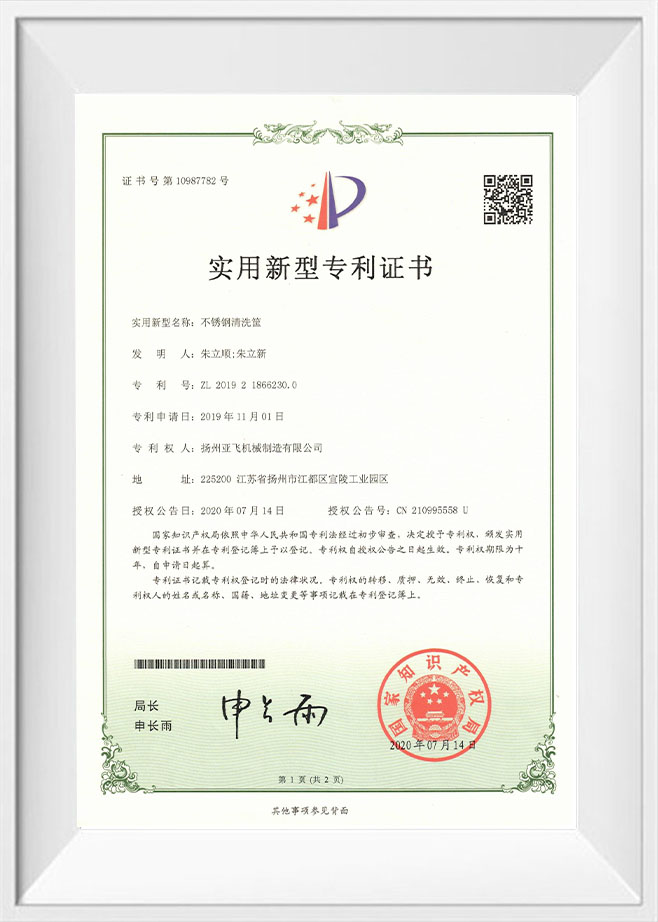
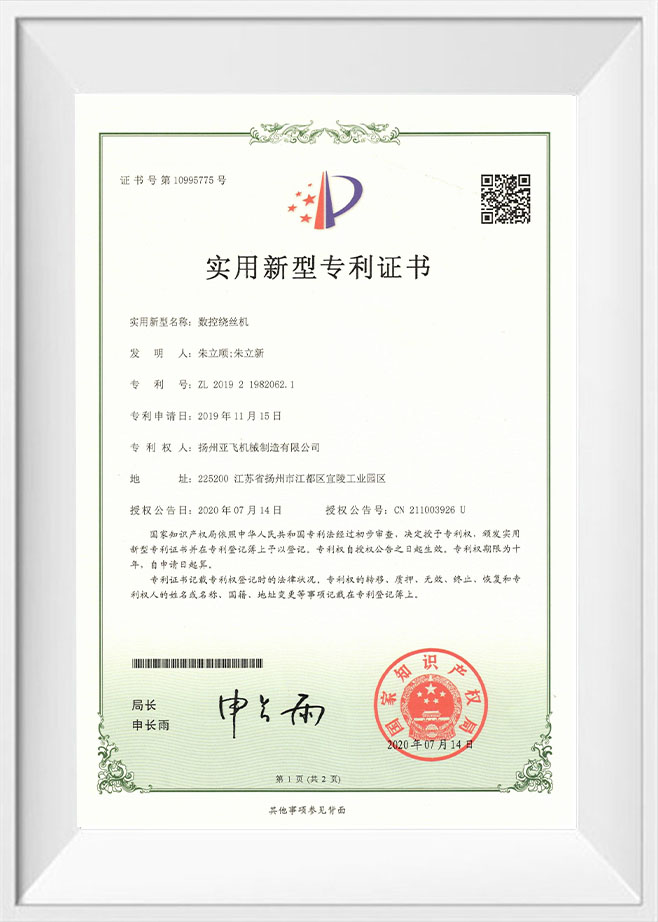
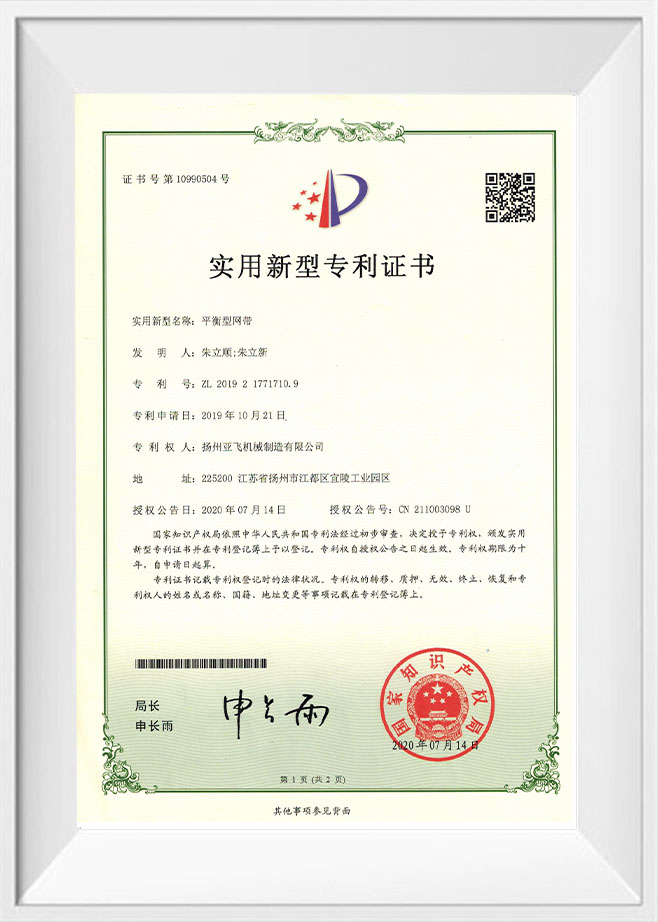
YangZhou Yafei Machinery Manufacturing Co., LTD., located in Yangzhou, a famous historical and cultural city in China, is a high-tech enterprise integrating mesh belt design, development, and precision manufacturing. With more than twenty years of experience in stainless steel conveyor mesh belt research and production and over thirty independent patents, the company provides professional solutions for numerous equipment suppliers and industrial production factories worldwide.
In-Depth Industrial Applications of Continuous Heating Equipment
The development of Continuous Heating Equipment is closely connected with industrial manufacturing upgrades. From automotive production and powder metallurgy to heat treatment, brazing, and modern food processing, its application scope continues to expand.
Within the automotive industry, powder metallurgy components require extremely high levels of dimensional precision and consistency. Gears, synchronizers, bearing retainers, sprockets, oil pump rotors, and numerous structural components are commonly produced through powder metallurgy processes.
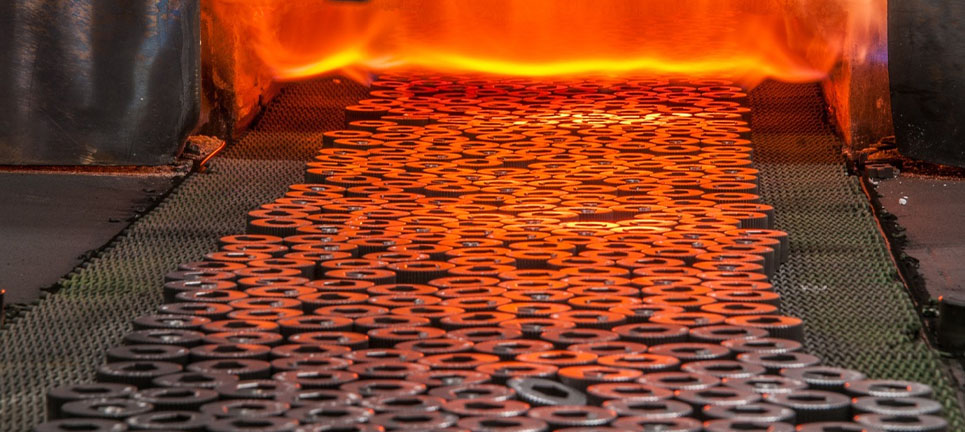
During powder metallurgy manufacturing, the sintering stage directly determines final product performance. Continuous Heating Equipment enables precise control of temperature profiles and atmosphere conditions, allowing powder particles to form stable metallurgical bonds while improving strength and wear resistance.
Metal mesh belts not only transport components through sintering furnaces but also influence heating uniformity. High-quality mesh belts ensure stable movement throughout the entire thermal process, preventing vibration, displacement, or uneven heating that may result in product defects.
The rapid expansion of the new energy vehicle industry has significantly increased demand for high-performance powder metallurgy components. Drive system parts, motor components, and battery-related structural elements frequently require continuous sintering processes, further driving the development of Continuous Heating Equipment toward higher temperatures, greater precision, and enhanced automation.
As an experienced mesh belt manufacturer serving industrial thermal processing industries, YangZhou Yafei Machinery Manufacturing Co., LTD. has developed high-strength heat-resistant metal mesh belts that are widely used in automotive component sintering production lines, providing reliable conveying support for equipment suppliers and manufacturing factories.
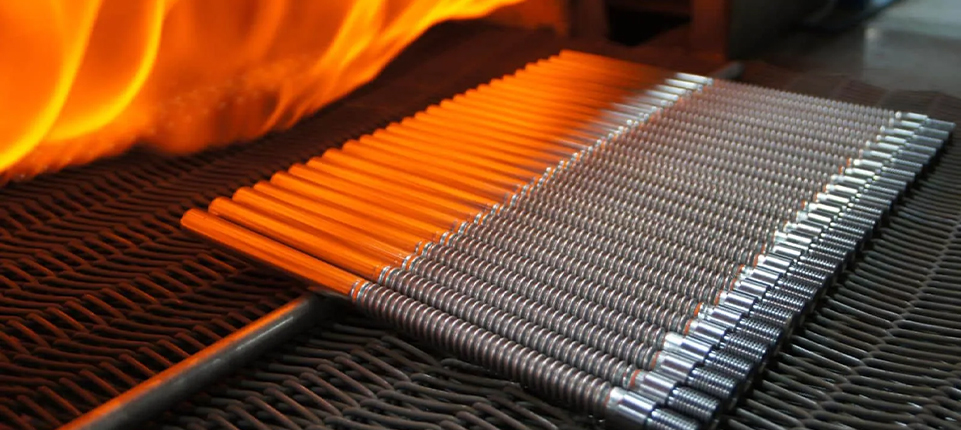
Heat treatment is another important application area. Processes such as annealing, normalizing, quenching, tempering, and solution treatment all require stable thermal environments and precise process timing.
Traditional heat treatment operations often rely on batch furnaces, while modern Continuous Heating Equipment enables uninterrupted production. Products move through different temperature zones via mesh belt conveying systems, completing heating, soaking, and cooling stages according to predefined process parameters.
Under high-temperature heat treatment conditions, mesh belts must endure elevated temperatures while resisting thermal fatigue generated by repeated heating and cooling cycles. Consequently, heat-resistant alloy materials have become a fundamental choice for manufacturing industrial mesh belts.
High-quality metal mesh belts offer excellent thermal stability and dimensional consistency, helping prevent tracking deviations, deformation, and premature failure. This ensures stable production line operation over extended periods.
For large-scale heat treatment factories, unexpected equipment shutdowns can lead to substantial economic losses. As a result, increasing attention is being paid to mesh belt durability and maintenance costs, encouraging manufacturers to select products from professional suppliers with proven performance.
Brazing applications have also expanded rapidly due to growing demand in refrigeration systems, automotive heat exchangers, new energy thermal management systems, and electronic component manufacturing.
Continuous Heating Equipment provides stable thermal environments for brazing operations, ensuring uniform melting of filler materials and reliable joint formation. Because brazing processes require highly precise temperature control, conveying system stability becomes particularly important.
Metal mesh belts used in brazing furnaces must provide excellent high-temperature strength, dimensional stability, and airflow characteristics. In atmosphere-protected brazing environments, corrosion resistance is equally critical.
Modern heat exchanger manufacturers widely employ continuous brazing production lines. Aluminum radiators, intercoolers, evaporators, and condensers are transported through brazing furnaces under automated conditions, enabling highly efficient and consistent manufacturing.
As thermal management systems become increasingly important in electric vehicles, demand for continuous brazing equipment continues to grow. High-performance metal mesh belts have consequently become one of the most important components considered by equipment manufacturers.
Continuous Heating Equipment Supporting Intelligent Development of the Food Industry
The food processing industry places increasing emphasis on hygiene, safety, and operational efficiency. Continuous production has become a defining characteristic of modern food factories.
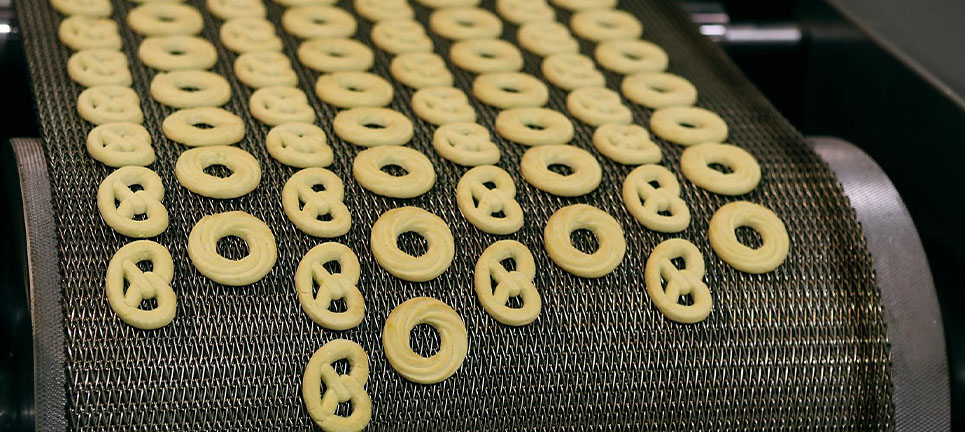
In applications such as baked goods, frozen foods, dehydrated vegetables, meat processing, and snack production, Continuous Heating Equipment performs critical functions including baking, drying, sterilization, and thermal processing.
Food-grade mesh belts must not only provide reliable temperature resistance but also comply with food-contact safety requirements. Smooth surfaces, easy cleaning characteristics, and resistance to bacterial accumulation have become important design considerations.
Modern food factories utilize automated conveying systems to seamlessly connect raw material handling, thermal processing, and packaging operations. Metal mesh belts within Continuous Heating Equipment ensure uniform heating throughout processing, helping improve product consistency and quality.
In large-scale food processing factories, production lines often operate continuously for extended periods. The reliability of mesh belts directly affects production efficiency and operational stability.
As the global food industry advances toward intelligent manufacturing, more equipment manufacturers are adopting modular designs and digital control technologies. These innovations enable Continuous Heating Equipment to support remote monitoring, predictive maintenance, and production data analysis.
As a professional metal mesh belt manufacturer, YangZhou Yafei Machinery Manufacturing Co., LTD. develops various mesh belt configurations tailored to food processing requirements. Their smooth-surface designs help maintain hygienic conditions while improving conveying efficiency, supporting the needs of modern continuous food production facilities.
The ongoing development of Continuous Heating Equipment continues to drive advancements across traditional manufacturing industries while supporting growth in new energy, advanced materials, and high-end equipment sectors. Demand for high-performance thermal processing systems and associated conveying technologies continues to expand, encouraging collaboration among suppliers, manufacturers, and factories while promoting innovation in industrial heating and conveying solutions.
FAQ
What industries commonly use Continuous Heating Equipment?
Continuous Heating Equipment is widely used in powder metallurgy, automotive component manufacturing, heat treatment, brazing production, food processing, new energy materials manufacturing, electronic component production, and machinery manufacturing industries.
What role do metal mesh belts play in Continuous Heating Equipment?
Metal mesh belts are responsible for product transportation while also influencing heating uniformity, production stability, and overall thermal processing performance.
Why are material requirements for heat treatment mesh belts so demanding?
Heat treatment environments expose mesh belts to prolonged high temperatures, requiring excellent heat resistance, oxidation resistance, strength, thermal fatigue resistance, and dimensional stability.
What types of mesh belts are commonly used in brazing production lines?
Heat-resistant stainless steel mesh belts and alloy mesh belts are commonly selected according to operating temperatures, product weights, and furnace atmosphere conditions.
What special requirements apply to mesh belts used in food processing?
Food processing mesh belts must comply with food safety standards while offering smooth surfaces, easy cleaning properties, corrosion resistance, contamination prevention, and effective airflow performance.
How should companies select a Continuous Heating Equipment mesh belt supplier?
Factors such as research and development capabilities, manufacturing experience, material quality, customization expertise, patent portfolios, and practical application records should be carefully evaluated.
What products does YangZhou Yafei Machinery Manufacturing Co., LTD. manufacture?
YangZhou Yafei Machinery Manufacturing Co., LTD. specializes in the research, development, and production of stainless steel conveyor mesh belts, conveyor chain systems, heat-resistant conveying solutions, and customized products widely used in Continuous Heating Equipment, heat treatment furnaces, sintering furnaces, brazing furnaces, and food processing production lines.



 English
 русский
 عربى
عربى