 English
 русский
 عربى
عربىFood drying conveyor belt
The food drying conveyor belt is manufactured from high-quality SUS304 stainless...
 +86 13852191798
Yangzhou Yafei Machinery Manufacturing Co., Ltd.

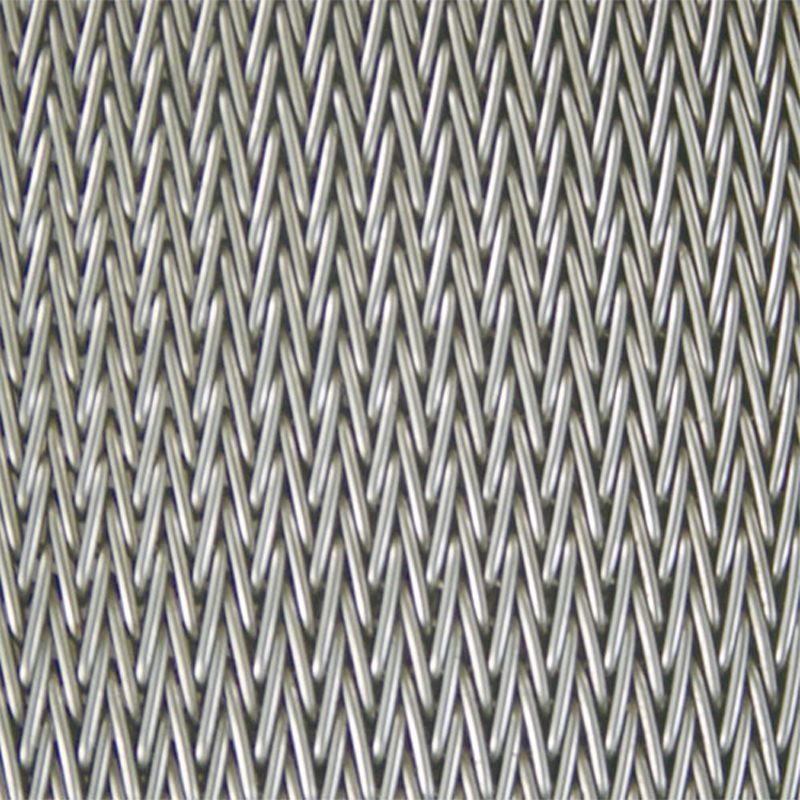
The food drying conveyor belt is manufactured from high-quality SUS304 stainless...
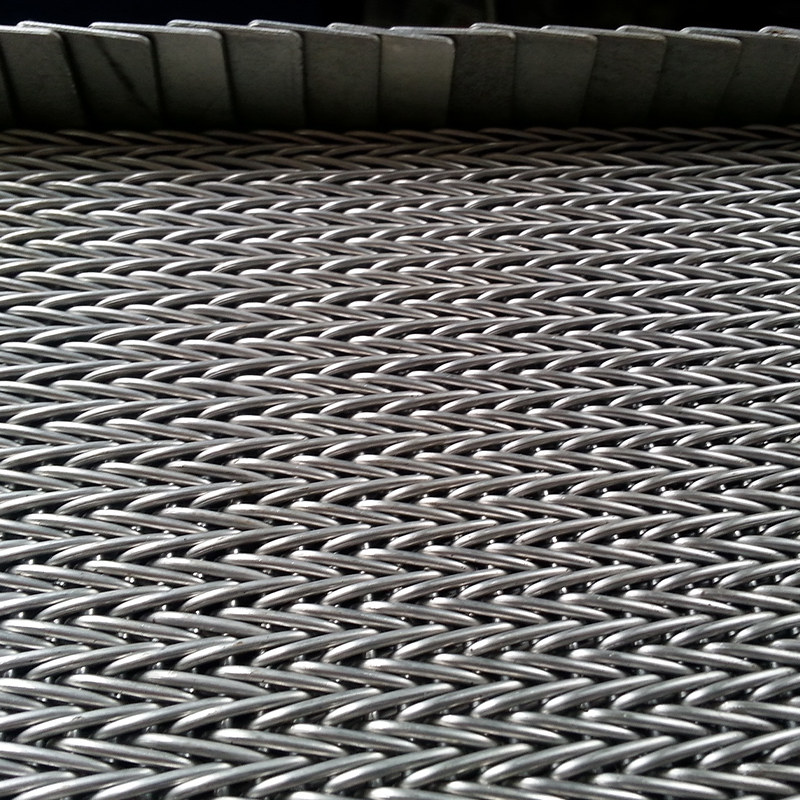
The floor drying conveyor belt is designed for the drying stage in floor product...
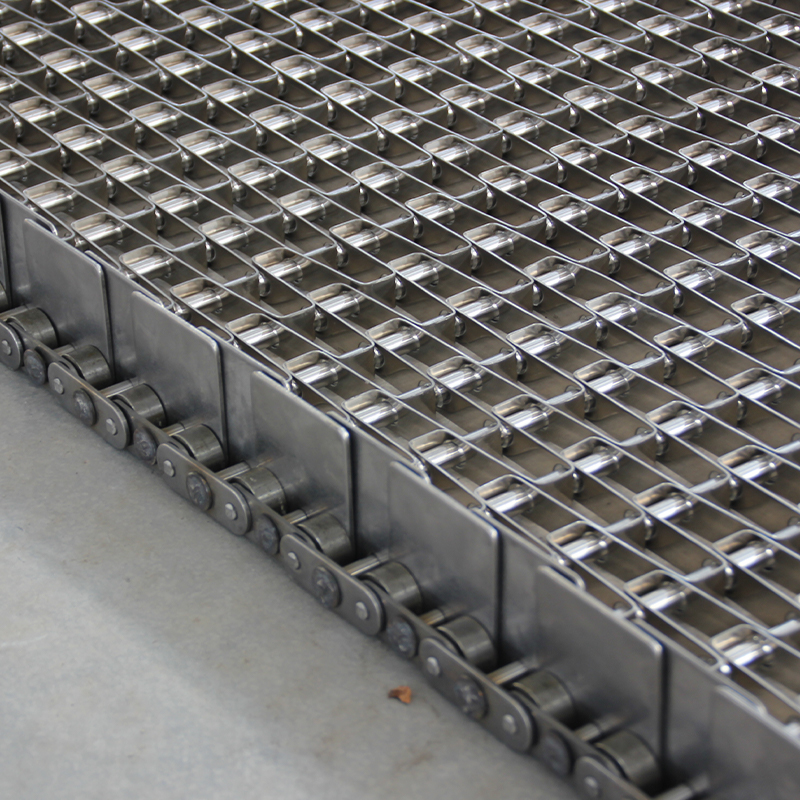
The medicinal herb drying conveyor belt is suitable for the drying process of va...
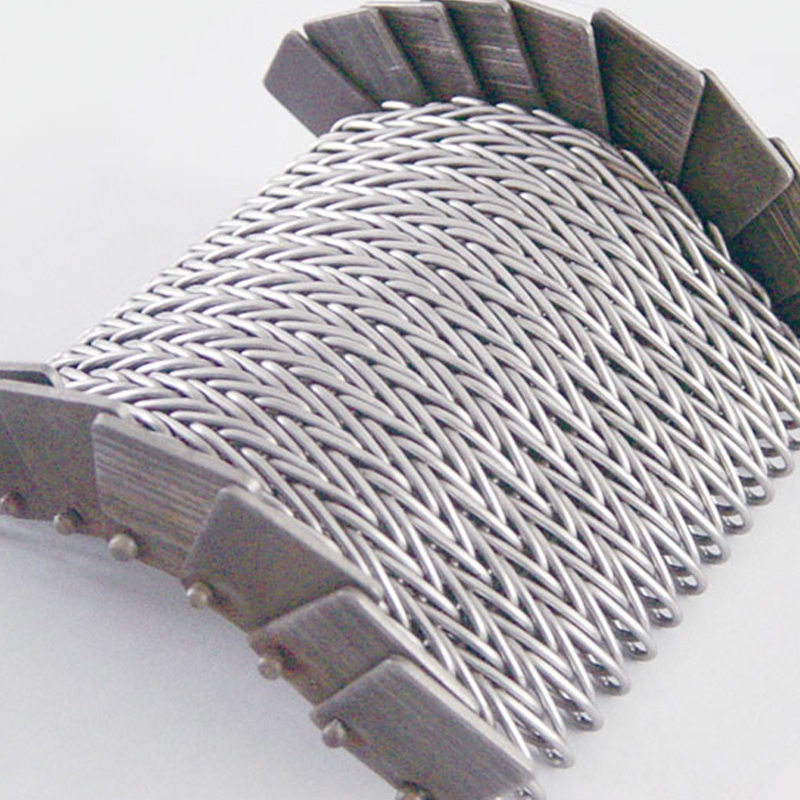
Gypsum boards require efficient and uniform drying during the manufacturing proc...
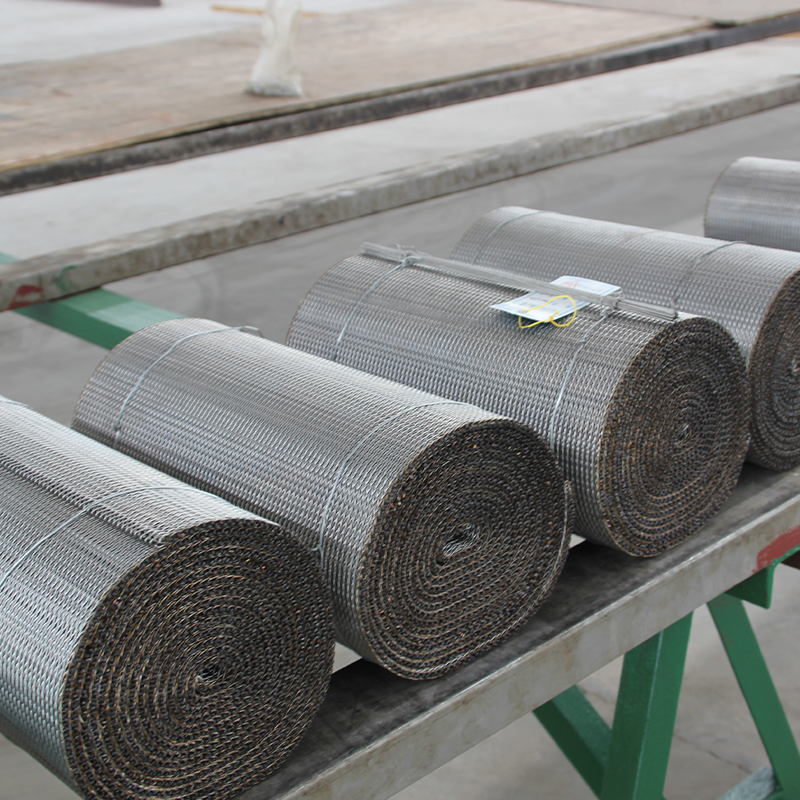
The potato chip drying conveyor belt boasts excellent corrosion resistance and h...
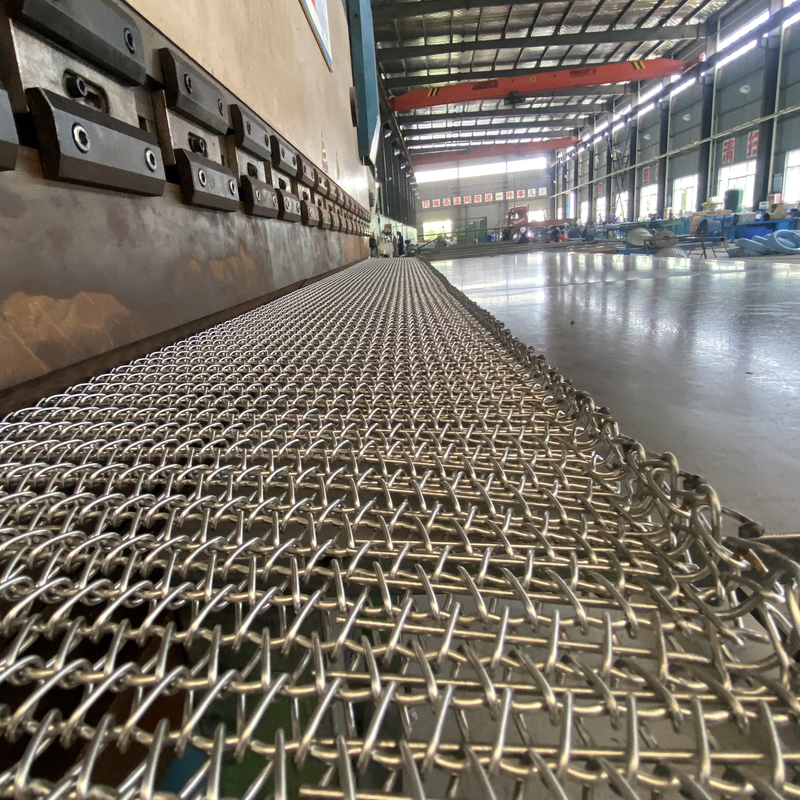
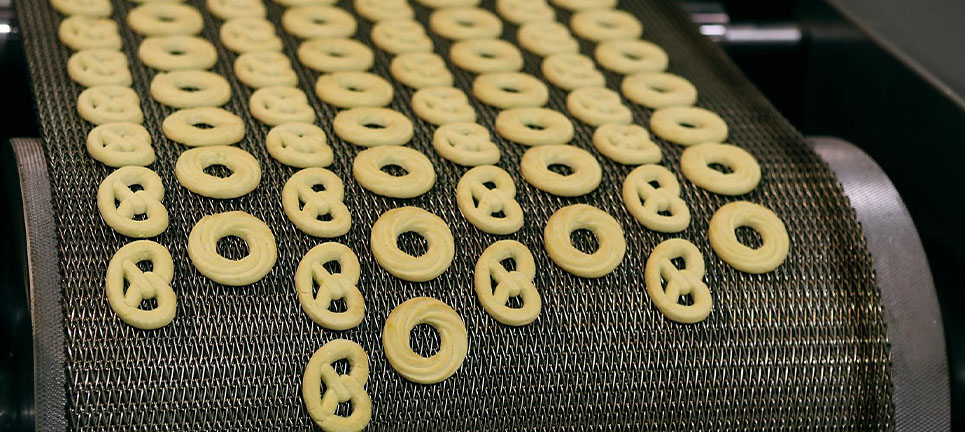
The snack drying conveyor belt can be custom-designed with a mesh structure base...
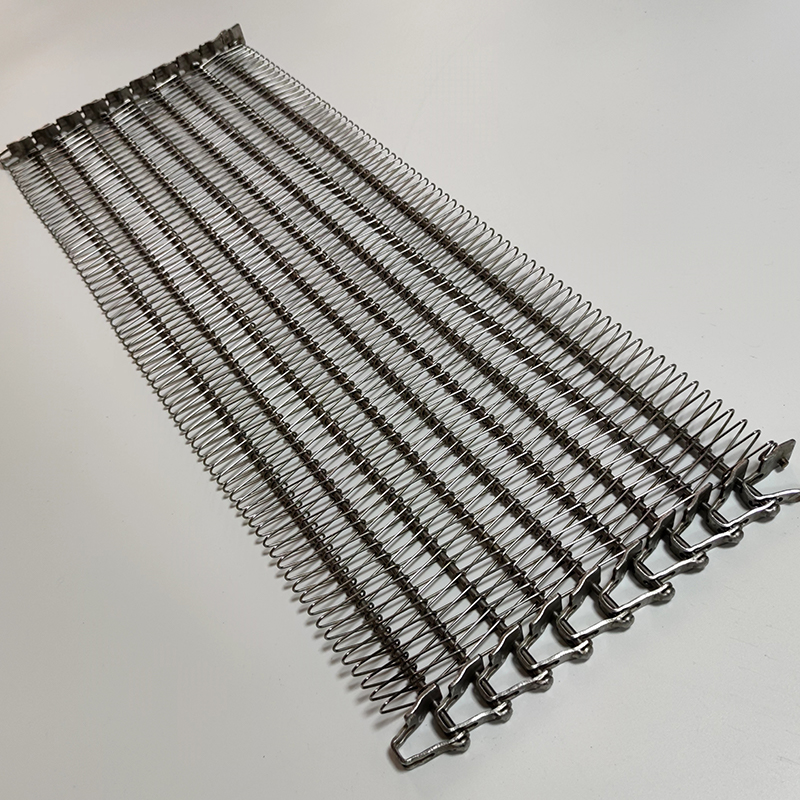
The fruit and vegetable quick-freezing conveyor belt is manufactured with precis...
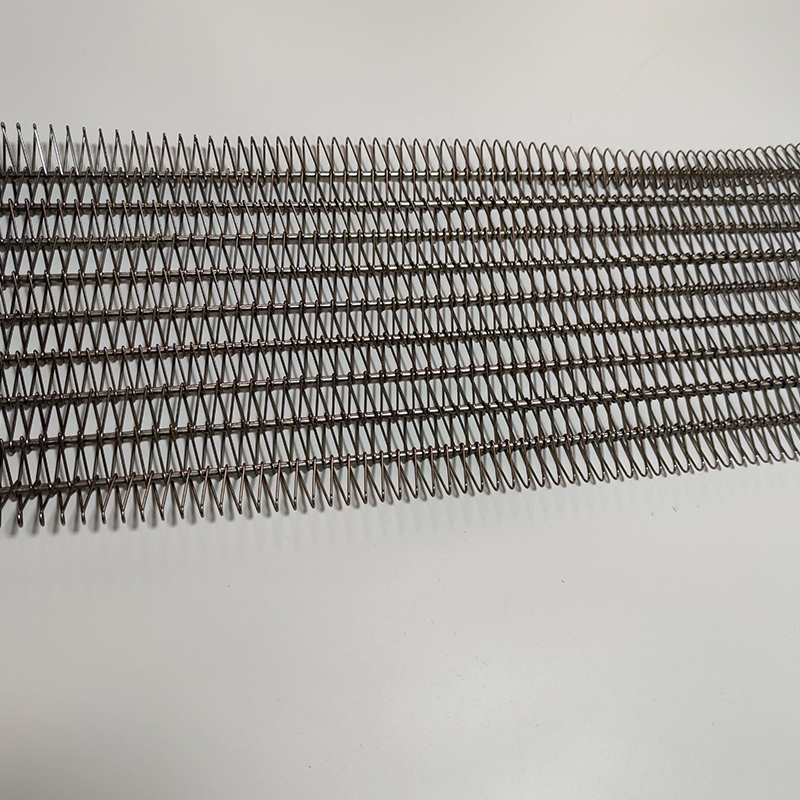
The meat quick-freezing conveyor belt is designed for meat quick-freezing produc...
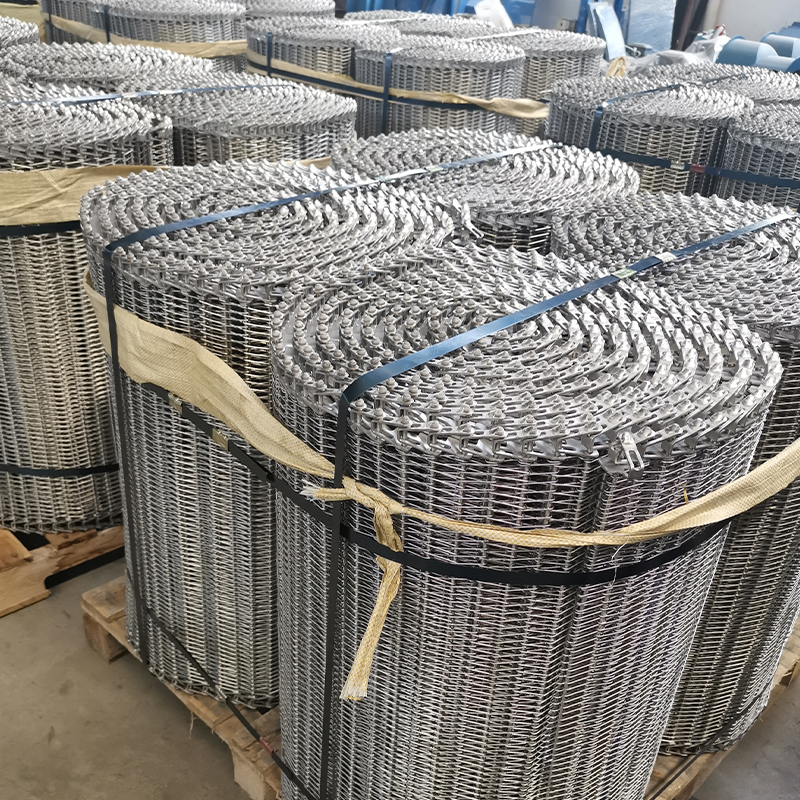
This seafood quick-freezing conveyor belt is meticulously manufactured from high...
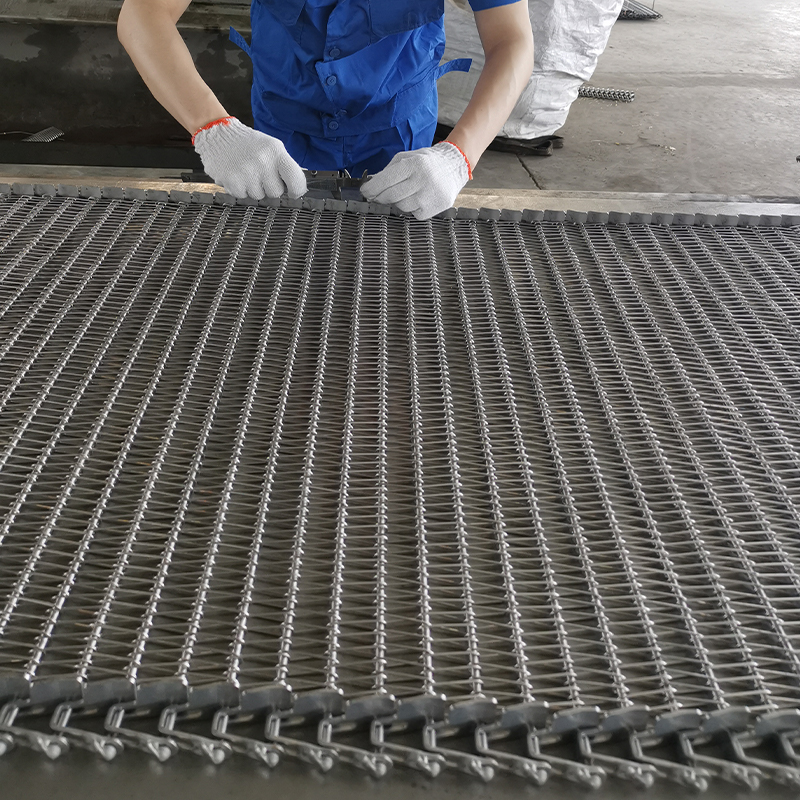
The aquatic product quick-freezing conveyor belt features a horseshoe-shaped cha...
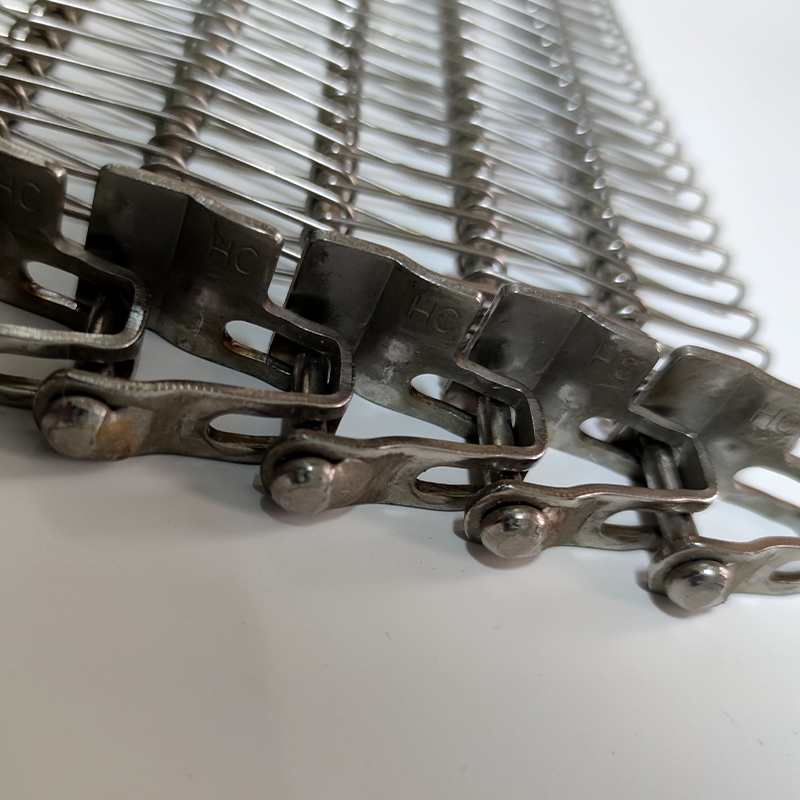
This quick-freezing mesh conveyor belt for pre-prepared food is designed for low...
Food industry mesh belts are conveying components designed specifically for food processing lines. They are widely used for continuous food transport during processing, conveying, drying, freezing, and packaging. Their primary function is to ensure efficient, smooth, and hygienic conveying throughout the food production process. They offer excellent ventilation, a stable structure, resistance to wide temperature fluctuations, and easy cleaning. They can be manufactured from stainless steel, food-grade plastic, or composite materials to meet the diverse requirements of food processing environments. The design of these mesh belts typically emphasizes flatness and uniform mesh openings to ensure uniform force distribution during food conveyance, preventing breakage. They also facilitate the passage of air and liquids, ensuring uniform heat and cooling transfer. Food industry mesh belt designs are often customized based on the production line's pace, load capacity, and food type to enhance production efficiency and automation. They are not only critical conveying components in food processing equipment but also crucial components for ensuring the safe, hygienic, and efficient flow of food throughout the entire process.
As China Food industry mesh belt Manufacturers and Food industry mesh belt Factory,
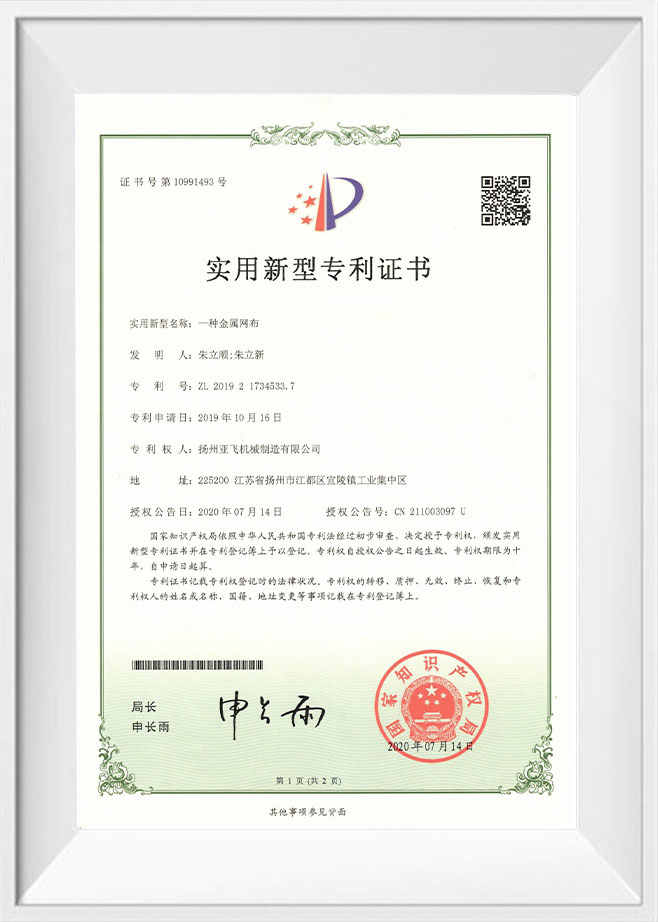
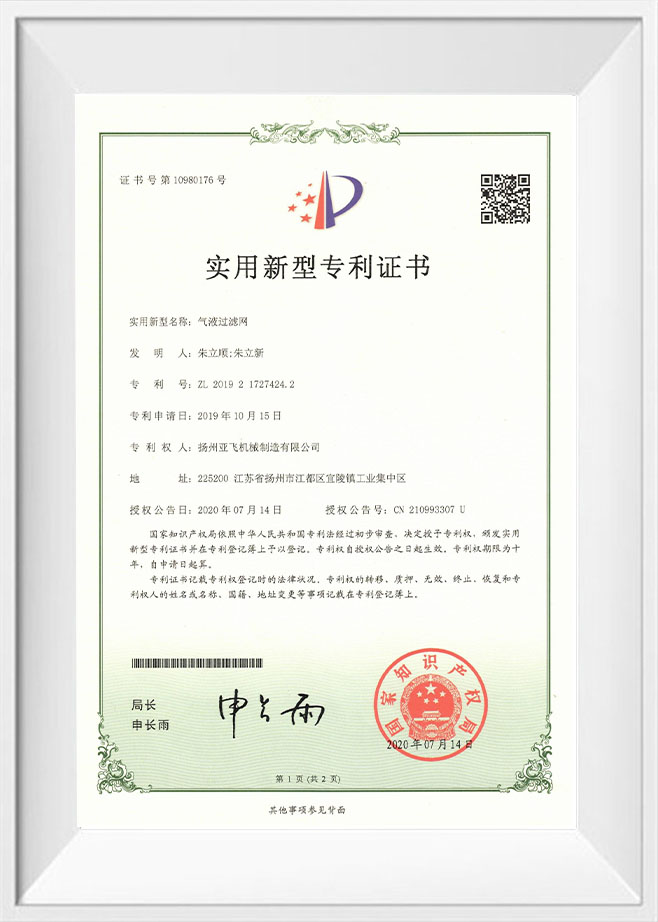
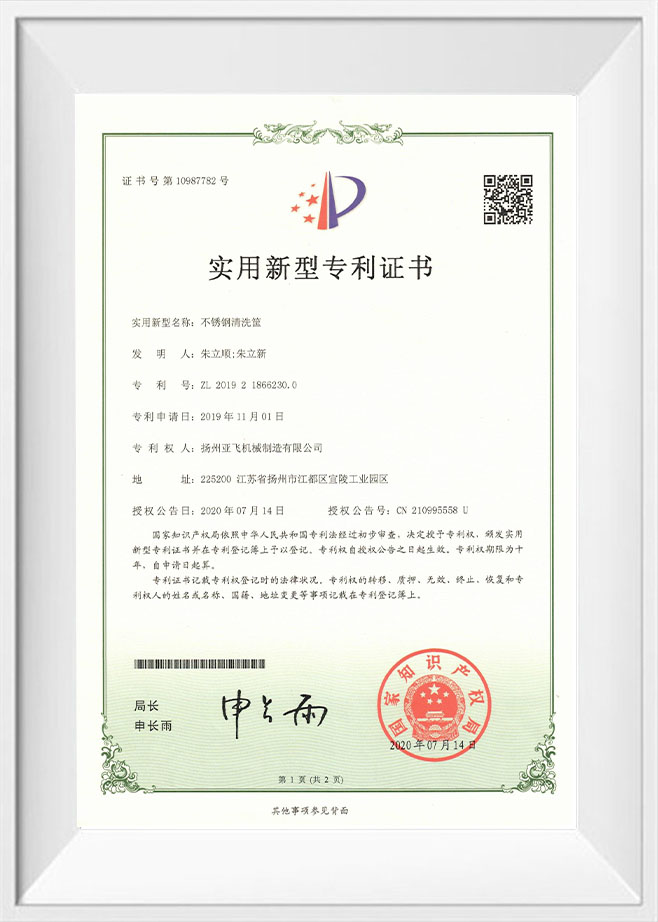
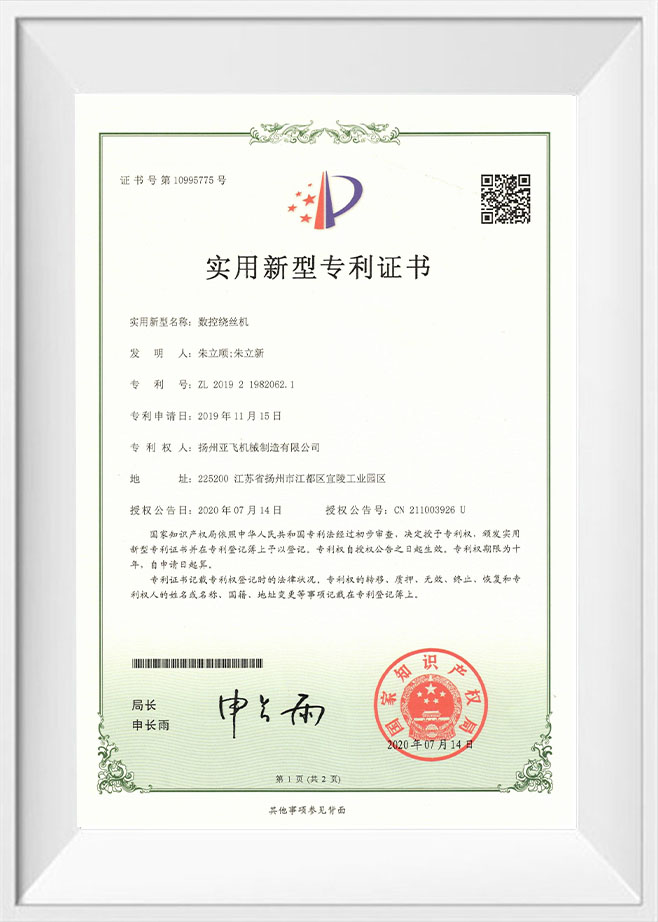
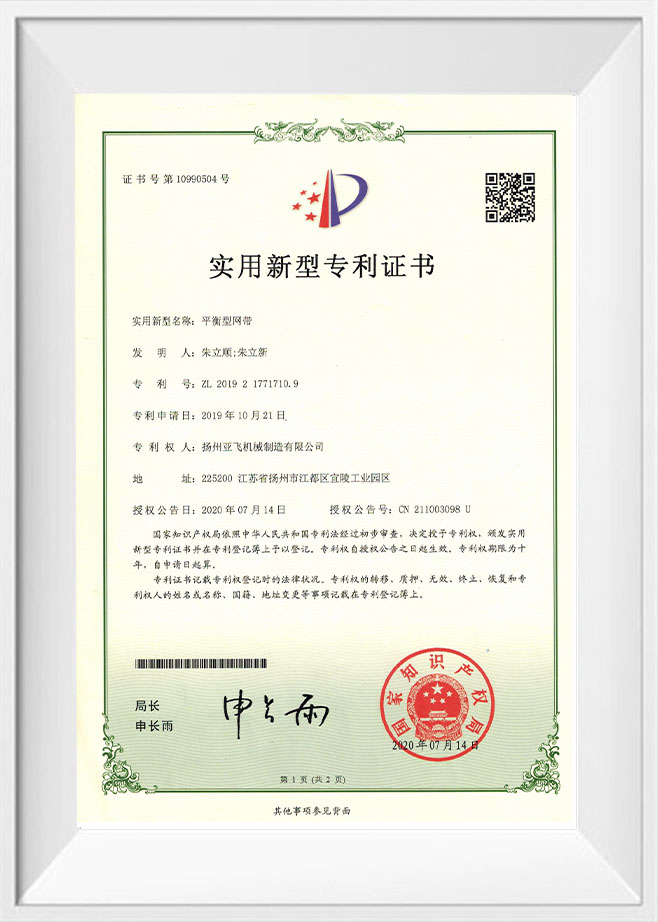
Yangzhou Yafei Machinery Manufacturing Co., Ltd. is a private scientific and technological enterprise in Jiangsu Province, formerly known as Yangzhou Yafei Metal Mesh Belt Factory, located in Yiling Industrial Park in the east of Yangzhou, with R&D, production and processing, office buildings, etc. With independent research and development of scientific and technological projects and equipment processing and manufacturing capabilities.
At present, the company is mainly engaged in: stainless steel mesh belt, conveyor mesh belt, metal mesh belt, stainless steel conveyor belt and related technology research and development, application and promotion.
Metal mesh belts have been used in beer and beverage, food, wood industry, glass, chemical industry, pharmacy, cleaning and spraying, powder metallurgy, new energy, heat treatment, industrial kiln, general conveying machinery and other industries.
Conveying machinery includes: net belt conveyor, hoist, flat top chain conveyor belt, roller conveyor, chain plate conveyor, etc. Widely used in home appliance engineering, automobile engineering, dairy beverage industry, brewing and water treatment and other fields.
A powder metallurgy plant replaced the same furnace belt four times in two years. The alloy on the purchase order was correct every time: 304 first, then 316, then 314. The belt still failed. The cause was a 12 mm edge mismatch that let th...
READ MOREBefore you order another sintering furnace mesh belt, understand one thing: the belt is not a passive conveyor. It is a process component that directly determines temperature uniformity, product consistency, and how much money you lose eve...
READ MOREA mesh belt cracks near the edge of a continuous sintering furnace, and the entire line stops for unscheduled maintenance. Within two weeks a replacement belt arrives, but the same crack pattern returns. When the specification is finally r...
READ MOREA conveyor mesh belt rarely announces its own failure. It distorts, cracks, or begins tracking to one side, and a continuous furnace or production line stops the moment it does. That makes belt selection more than a spare-part purchase; it...
READ MOREAs the automation level of the food industry continues to improve, production enterprises are placing higher demands on the stability, hygiene, and continuous operation capabilities of conveying equipment. As an indispensable component in food processing production lines, Food Industry Mesh Belt has been widely used in food processing, baking, quick freezing, dehydration drying, frying, cleaning, and packaging processes due to its excellent conveying performance, superior ventilation structure, and ability to adapt to complex working conditions. For food manufacturers, mesh belts not only undertake material transportation tasks but also directly influence product quality, production efficiency, and food safety management.
Against the backdrop of the global food industry's continuous development toward intelligence and large-scale production, more and more food equipment manufacturers, food processing factories, and automation system suppliers are focusing on the application value of high-performance Food Industry Mesh Belts. As a professional conveyor equipment manufacturer, YangZhou Yafei Machinery Manufacturing Co., LTD. has long been dedicated to the research, development, and manufacturing of metal conveyor mesh belts and automated conveying systems. Through continuous optimization of product structures and manufacturing processes, the company provides reliable conveying solutions for customers across various industries.
Food Industry Mesh Belt is a conveying component specifically designed for food processing environments. Its structural design fully considers the special requirements of the food industry regarding hygiene, safety, and production efficiency.
Compared with traditional conveyor belts, food industry mesh belts adopt an open mesh structure, allowing air, steam, cold air, and liquids to flow freely. This structural characteristic makes them particularly suitable for food processing procedures requiring heat exchange or cooling transfer.
In bakery production lines, hot air can pass evenly through the mesh belt to achieve consistent heating of products. During quick-freezing processes, cold air can rapidly penetrate the mesh belt and contact the food surface, improving freezing efficiency. In cleaning and draining processes, liquids can be discharged quickly, preventing water accumulation from affecting production quality.
According to different process requirements, Food Industry Mesh Belts are commonly manufactured from the following materials:
Food-grade stainless steel materials;
Food-grade engineering plastics;
Composite materials;
High-temperature-resistant alloy materials.
Among these options, stainless steel mesh belts have become the most widely used type in the food industry due to their excellent corrosion resistance and mechanical strength.
For food processing enterprises, conveying equipment often operates under high-temperature, low-temperature, humid, and frequent cleaning conditions. Therefore, material selection directly determines the service life of the equipment. High-quality mesh belts not only reduce maintenance frequency but also minimize downtime and improve overall production efficiency.
YangZhou Yafei Machinery Manufacturing Co., LTD. strictly controls raw material quality throughout the manufacturing process. Starting from the selection of every steel wire, the company establishes a comprehensive quality management system and adopts precision weaving techniques and rigorous inspection procedures to ensure stable and reliable operating performance for every mesh belt.
Food processing production typically involves multiple continuous process stages, and the efficient connection between these stages relies heavily on reliable conveying systems.
Food Industry Mesh Belt undertakes the important task of connecting different production equipment, enabling continuous transportation of raw materials, semi-finished products, and finished products.
In modern food factories, a complete production line often includes raw material processing systems, cleaning systems, cutting systems, cooking systems, frying systems, drying systems, cooling systems, freezing systems, and packaging systems.
These pieces of equipment require highly efficient conveying systems to achieve continuous operation, and food industry mesh belts serve as an important guarantee for the stable operation of the entire production process.
Because food products vary significantly, different products place different requirements on conveying equipment. For example, bread and pastries require preservation of appearance integrity, meat products must withstand high-temperature sterilization environments, frozen foods need resistance to extremely low temperatures, and fruit and vegetable products require excellent ventilation and drainage performance.
As a result, Food Industry Mesh Belts are often custom-designed according to production rhythms, product weights, and process characteristics.
Different mesh opening sizes, wire diameters, and weaving structures can meet various food production requirements, thereby achieving more precise and efficient conveying performance.
| Processing Stage | Main Process Characteristics | Mesh Belt Performance Requirements | Common Materials |
|---|---|---|---|
| Cleaning Process | Long-term exposure to water | Corrosion resistance and easy cleaning | SUS304 Stainless Steel |
| Baking Process | Continuous high-temperature operation | Heat resistance and dimensional stability | SUS310S Stainless Steel |
| Frying Production | High-temperature oil environment | Oil resistance and deformation resistance | Stainless Steel Mesh Belt |
| Cooling Conveying | Rapid temperature reduction | Excellent ventilation performance | Metal Mesh Belt |
| Quick Freezing Process | Ultra-low-temperature environment | Resistance to low-temperature brittleness | Stainless Steel Mesh Belt |
| Packaging Conveying | High-speed continuous operation | Flatness, stability, and low vibration | Precision Mesh Belt |
As shown in the table above, different production stages place different requirements on Food Industry Mesh Belts, which continues to drive technological innovation and product upgrades within the industry.
The food industry maintains strict hygiene standards for equipment, requiring mesh belt manufacturers to establish comprehensive quality control systems.
Within the conveyor equipment sector, many outstanding suppliers recognize that product quality is essential to enterprise development.
YangZhou Yafei Machinery Manufacturing Co., LTD. consistently adheres to the philosophy that "quality is the life of an enterprise." From raw material procurement to final product delivery, every manufacturing stage embodies the spirit of craftsmanship, with strict attention paid to every detail.
The quality of steel wire directly determines the strength and durability of mesh belts.
Weaving technology determines operational stability.
Welding technology influences overall structural strength.
Heat treatment processes affect product service life.
Any deviation in these stages may affect the final product quality.
Therefore, professional manufacturers are usually equipped with advanced inspection equipment to comprehensively test mesh belt flatness, tensile strength, fatigue resistance, and dimensional accuracy.
As food industry automation continues to advance, more and more food factories are building intelligent production lines. Conveying equipment is no longer simply a material handling tool but has become an important node connecting the entire intelligent manufacturing system.
High-quality Food Industry Mesh Belts can maintain long-term stable operation, reduce equipment failure rates, improve production continuity, and create greater production value for food enterprises.
At the same time, food processing enterprises are continuously raising their expectations for suppliers.
Outstanding suppliers are expected not only to provide standardized products but also to offer customized design services based on customer production requirements.
From food product analysis to conveying process planning, from mesh belt structure design to installation and commissioning support, professional manufacturers are gradually transforming into comprehensive solution providers.
This transformation is driving the entire industry from pure product competition toward technology and service competition.
Today, many large food processing factories place greater emphasis on suppliers' research and development capabilities, manufacturing capacity, and long-term service support when selecting equipment.
For factories with mature production systems, continuous innovation has become an important way to maintain market competitiveness.
YangZhou Yafei Machinery Manufacturing Co., LTD. leverages years of conveyor equipment manufacturing experience to continuously optimize production processes and product structures while striving to improve the automation and intelligence level of industrial conveying systems and provide customers with more stable and reliable production environments.
As the food industry advances toward green manufacturing and intelligent manufacturing, technological upgrades in Food Industry Mesh Belts are accelerating. More sophisticated weaving processes, higher-grade stainless steel materials, advanced surface treatment technologies, and digital production management models are gradually being adopted in mesh belt manufacturing. The growing demand for efficient, hygienic, and energy-saving conveying equipment is encouraging suppliers and manufacturers to continuously enhance product quality and service capabilities.
In future food factory construction, Food Industry Mesh Belts will continue to undertake critical conveying functions and become more deeply integrated with automatic control systems, intelligent inspection systems, and digital production platforms. Through reliable conveying technology and dependable solutions, modern food production lines can achieve higher-efficiency continuous operation, ensuring smooth transitions from raw material processing to final packaging while supporting the ongoing development of the food manufacturing industry.
Get A Free Consultation Now
Get A Customized Solution
The company adheres to the concept of creating value for customers and prosperity for society, aiming to build a reliable mesh belt brand and establish the century-old Yafei brand.
CONTACT INFORMATION

Yiling Industrial Park, Jiangdu District, Yangzhou City, Jiangsu Province, China

+86 13852191798
PRODUCT CATEGORIES
QUICK LINKS
MOBILE
 OEM/ODM Food industry mesh belt Factory