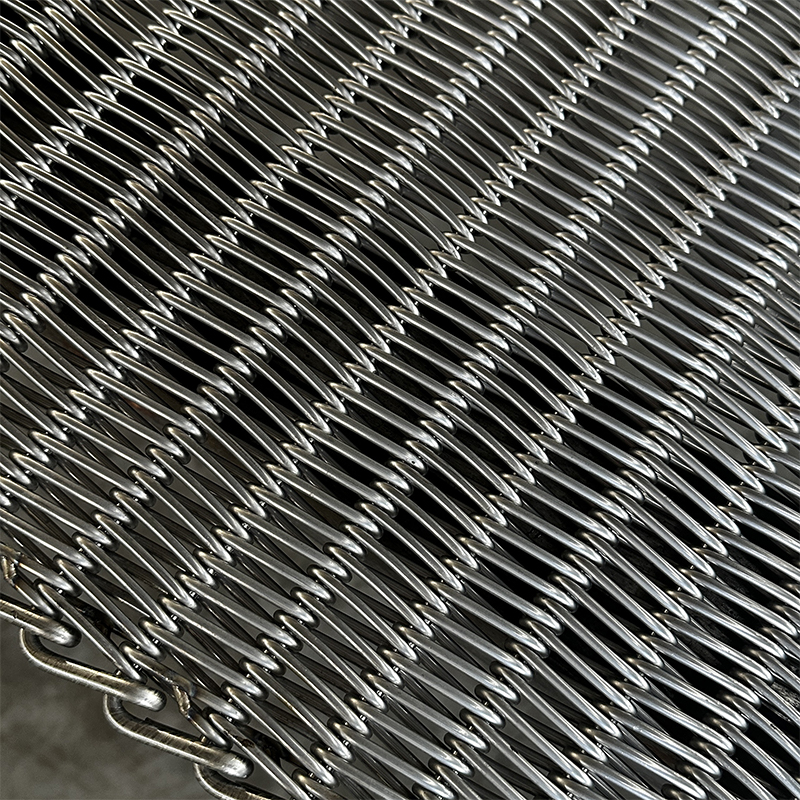
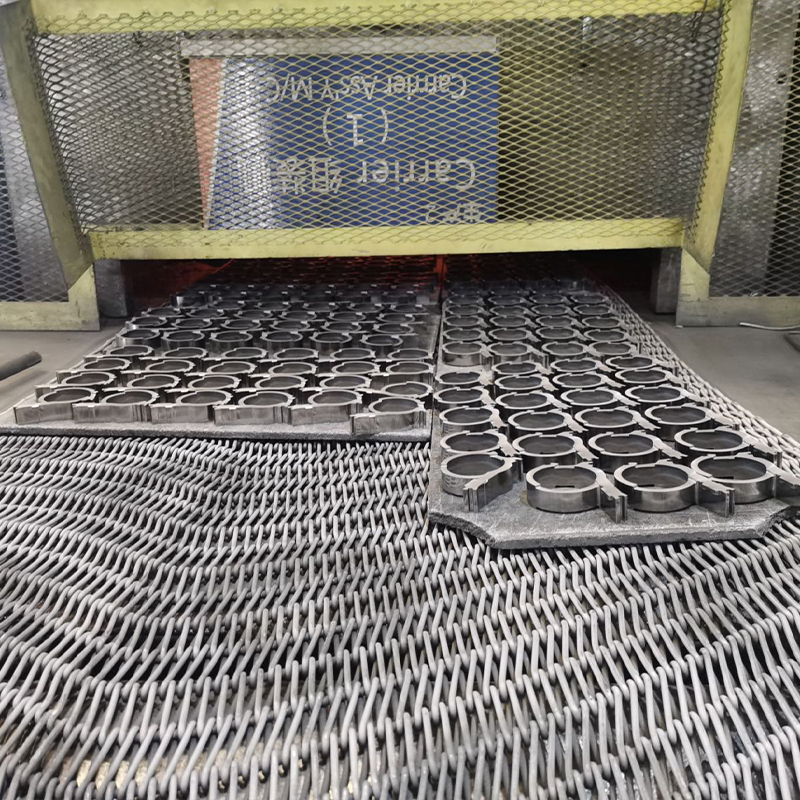
A mesh belt cracks near the edge of a continuous sintering furnace, and the entire line stops for unscheduled maintenance. Within two weeks a replacement belt arrives, but the same crack pattern returns. When the specification is finally reviewed, the engineering team finds the belt was made from a stainless steel grade rated for only 450 °C — installed in a furnace that regularly runs at 980 °C.
That failure was a selection problem, not a manufacturing defect. The metal mesh belt is one of the few components that directly carries the product inside the furnace, and its material, weave, and edge construction determine how long it survives. This guide explains the decisions behind a reliable metal mesh belt, so procurement and maintenance teams can avoid the most expensive mistakes.
What Is a Metal Mesh Belt?
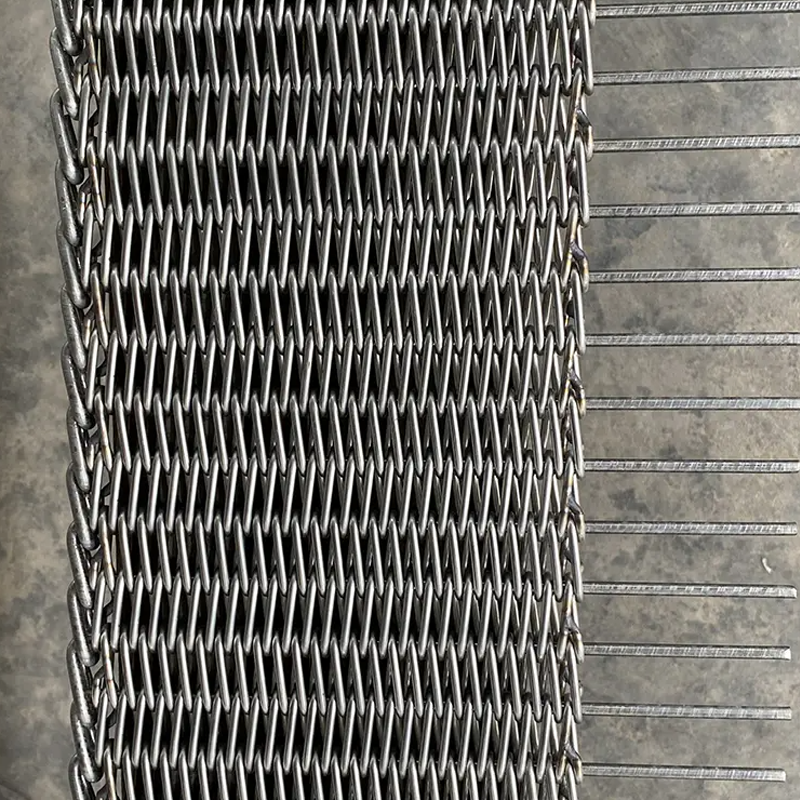
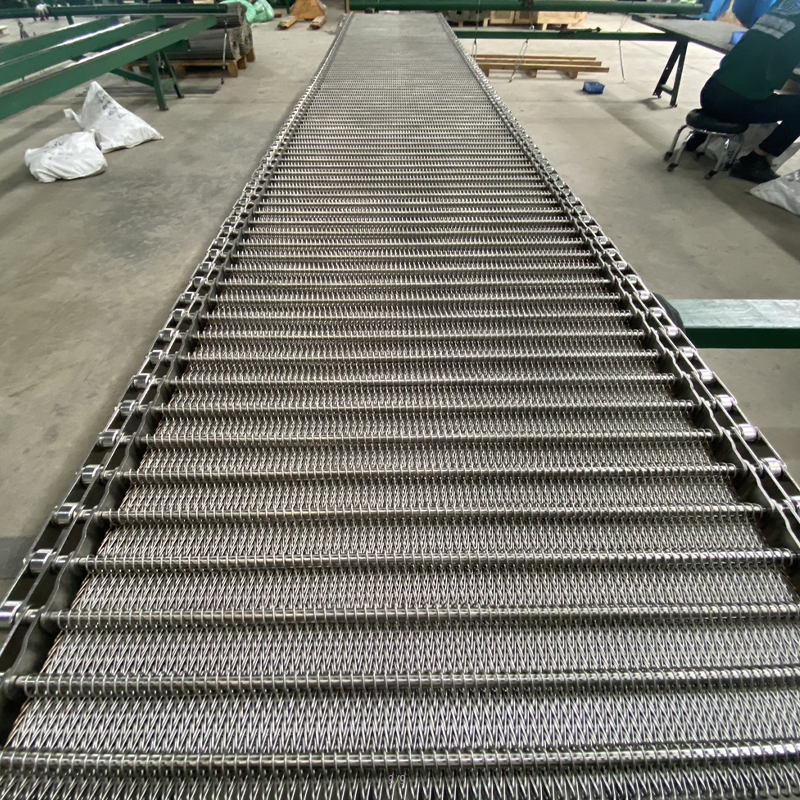
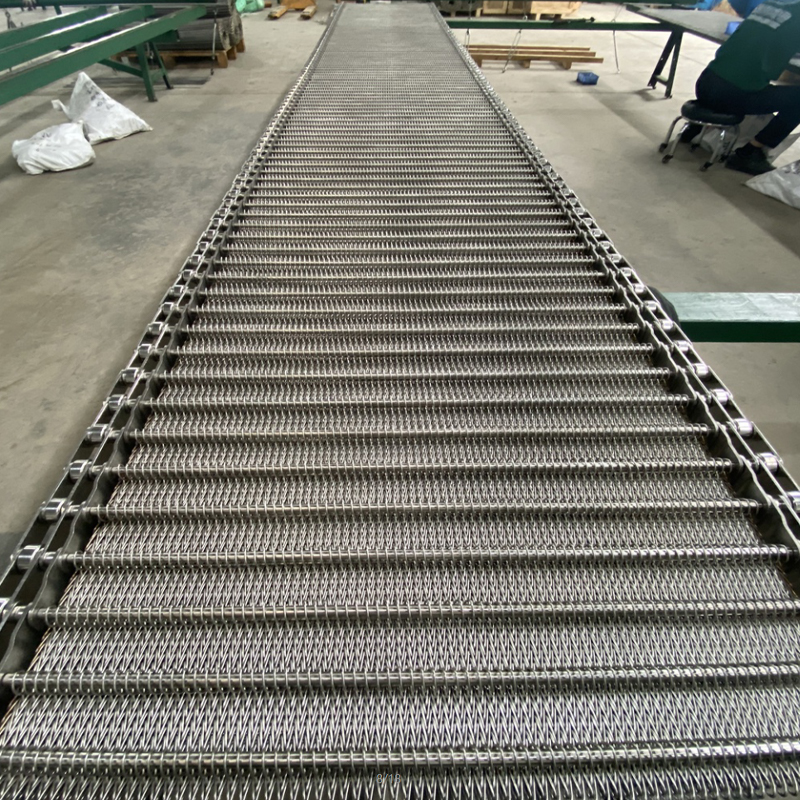
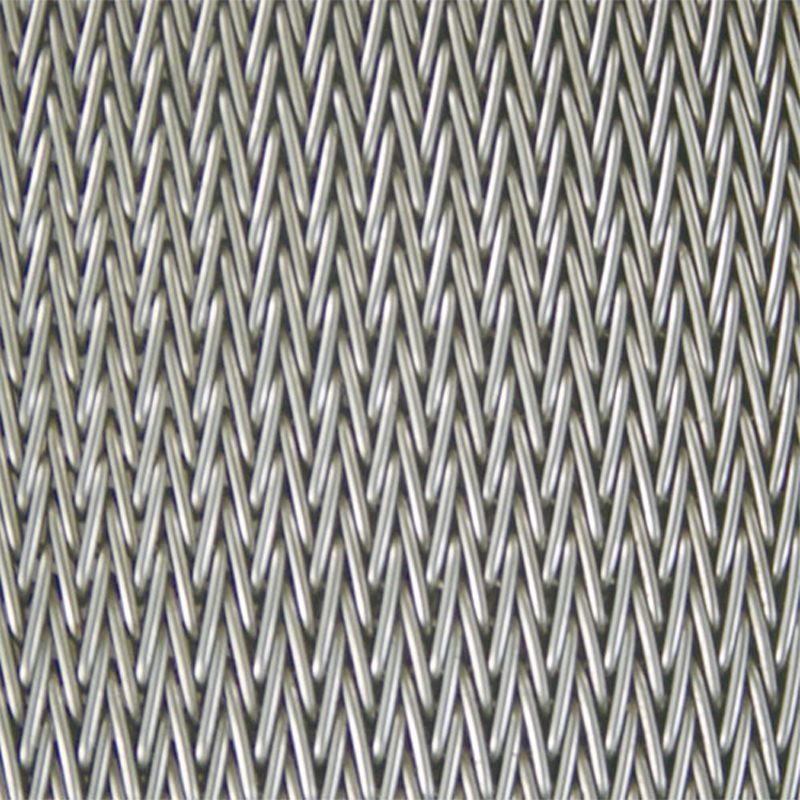
A metal mesh belt is a continuous conveying surface woven from metal wire, usually stainless steel, that carries parts through furnaces, ovens, freezers, and transfer lines. Because the open mesh allows heat, air, and fluids to move around the product, these belts are used in processes where polymer or rubber belting cannot survive — continuous sintering, heat treatment, brazing, drying, and quick-freezing.
The belt is driven by end drums or sprockets, and its performance depends on three elements: the alloy of the wire, the geometry of the weave, and the design of the edges. Together these define the temperature limit, load capacity, airflow, and practical service life.
Why Metal Mesh Belt Selection Matters
The purchase price of a metal mesh belt is usually minor compared with the cost of the furnace line it keeps running. A premature failure stops production, forces product rework, and triggers emergency replacement logistics. In a continuous process, even a few hours of unplanned downtime can exceed the price of the belt.
A correctly specified belt runs for a predictable service life under normal process conditions. The goal is not the cheapest belt, but the lowest cost per operating hour. That demands a systematic review of materials, temperatures, loads, and application-specific wear factors.
Key Factors in Metal Mesh Belt Selection
Four factors have the largest influence on belt performance: material grade, operating temperature, belt construction, and load conditions. These factors interact, so a change in one usually forces a review of the others.
Material Grade
Stainless steel is the standard material for industrial mesh belts, but grades differ significantly at high temperature. The table below summarises the grades most commonly used in furnace and food processing belts.
Typical stainless steel grades for metal mesh belts and their common application windows
| Material |
Approx. Max. Continuous Service Temp. |
Typical Applications |
Key Design Focus |
| 304 |
~400 °C |
Food drying, light conveying, low-temperature annealing |
Corrosion resistance and formability |
| 316 / 316L |
~450 °C |
Food processing, quick-freezing, washdown environments |
Resistance to chlorides and process chemicals |
| 321 |
~800 °C |
Normalizing, tempering, general heat treatment |
Stabilised against carbide precipitation |
| 310S |
~1050 °C |
Sintering, brazing, high-temperature furnace zones |
Oxidation resistance in continuous high heat |
These temperature values assume low mechanical load. A heavily loaded belt at the same temperature will creep and stretch faster than a lightly loaded one. A common industry practice is to select a grade rated at least 50–100 °C above the maximum furnace set point, particularly when the belt runs close to its load rating.
Belt Construction and Weave
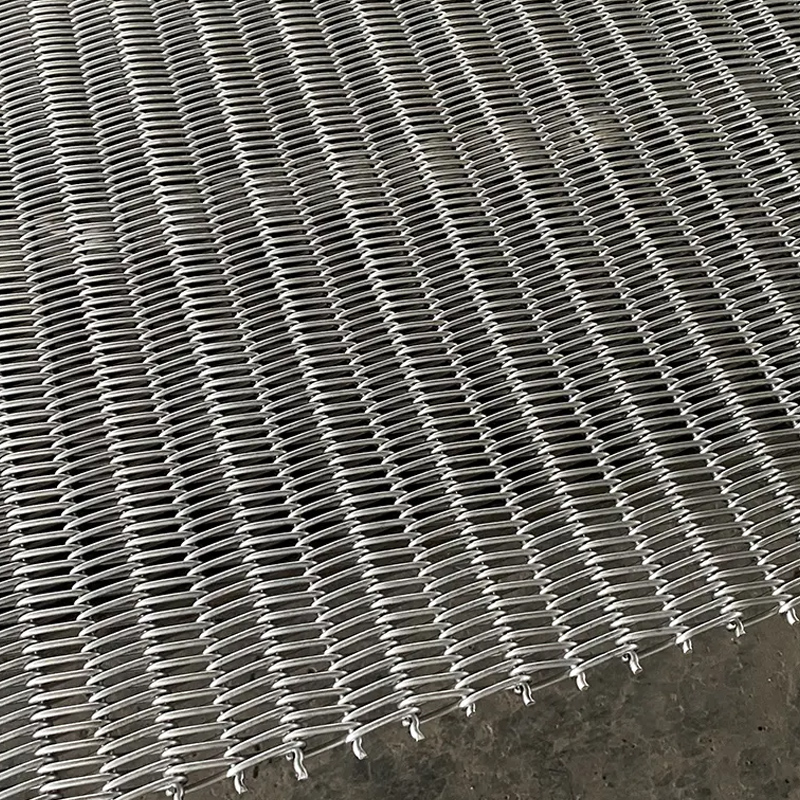
The weave controls surface flatness, mesh opening size, and resistance to distortion. Balanced weave is standard for general conveying because it provides a dense, stable surface. Chain-link and compound constructions add cross rods or reinforcing helices for heavier loads, while finer weaves prevent small parts from falling through the belt.
Edge design is equally important. A welded or reinforced edge stops the mesh from unraveling, reduces wear against furnace liners, and prevents loose wire from contaminating the product. On belts wider than one metre, edge reinforcement is especially critical because the side loads are higher.
Load and Speed
The belt must support the weight of the parts plus dynamic loads from acceleration, deceleration, and stacking. Higher loads demand larger wire diameters and tighter mesh openings, which in turn reduces airflow and thermal uniformity. Higher belt speeds increase contact wear and demand better tracking. Define the heaviest part, the load per square metre, and the maximum line speed before contacting a supplier.
Metal Mesh Belts by Application
Each process places different demands on a mesh belt. Temperature, atmosphere, product geometry, and cleaning routine all influence what the belt must withstand in daily service.
Sintering Furnace Belts
Sintering furnace belts carry powder metal compacts, ceramic substrates, and electronic components through furnaces at temperatures that can exceed 1000 °C. Repeated heating and cooling cycles create thermal fatigue, so the belt material and weave must be chosen for high-temperature oxidation resistance and dimensional stability. Heavier powder metal parts also require a dense mesh that prevents small pieces from dropping through.
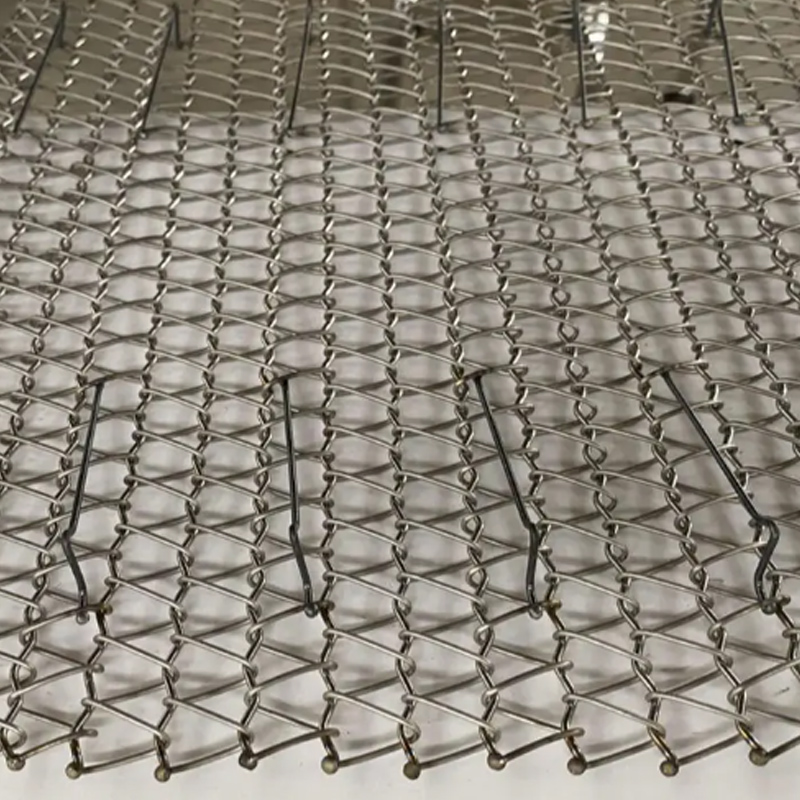 High-Temperature Sintering Furnace Mesh BeltsExplore mesh belt options engineered for powder metal sintering, including copper, stainless steel, and automotive part variants, with attention to thermal fatigue, oxidation resistance, and matching belt material to furnace atmosphere and part density.View Product →
Copper-based, iron-based, and stainless-steel-based powders all sinter at different temperatures and atmospheres. The belt that suits one powder system may fail in another, so the furnace atmosphere and part density should always be included in the enquiry.
Heat Treatment Belts
Annealing, quenching, tempering, and normalizing lines rely on metal mesh belts to pass components such as fasteners, bearings, springs, and forgings through controlled heating and cooling zones. The belt expands and contracts on every cycle, making fatigue resistance the main design priority. Quenching lines add the challenge of rapid cooling, and the belt may be exposed to oil or water-based quenchants that accelerate corrosion unless the material is chosen correctly.
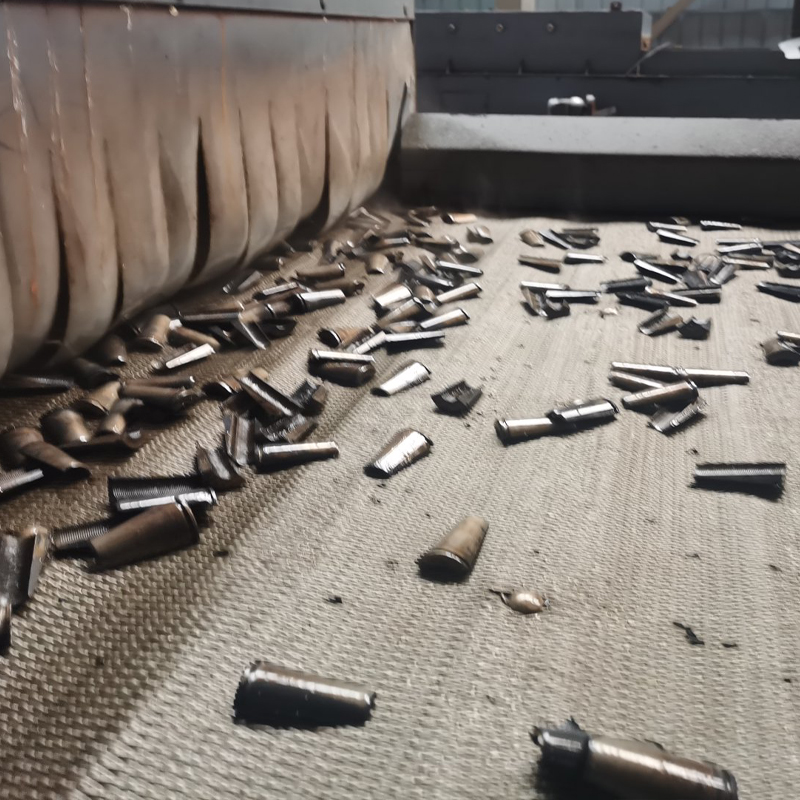 Heat-Treatment Mesh Belts for Annealing and QuenchingDiscover heat-resistant conveyor belts designed for annealing, quenching, tempering, and normalizing lines, covering fasteners, springs, bearings, and automotive parts, with emphasis on fatigue resistance and corrosion protection from quenchants.View Product →
For a closer look at furnace conditions and belt behaviour in this category, see the heat treatment application guide.
Brazing Furnace Belts
Brazing furnace belts support assemblies such as automotive radiators, condensers, evaporators, and pipe fittings while they are heated to the braze alloy melting temperature. The belt must withstand high heat and avoid reactions with the braze alloy or the furnace atmosphere. Aluminium brazing, copper brazing, and stainless steel brazing each require different belt alloys and mesh designs.
Brazing lines run continuously at high throughput, so any belt failure stops production immediately. The brazing industry applications page summarises the product types and belt considerations for these lines.
Food Processing Belts
Food industry mesh belts are used in drying, quick-freezing, and assembly-line conveying. They do not face extreme heat, but they must meet strict hygiene and cleanability requirements. Quick-freezing belts operate at temperatures down to about −40 °C, where brittleness and ice adhesion become real concerns. Drying belts run at moderate heat and need good airflow for moisture removal.
 Hygienic Food Industry Mesh BeltsReview mesh belts tailored for food drying and quick-freezing applications, featuring cleanable surfaces, resistance to cleaning chemicals, and low-temperature performance to ensure sanitation and efficient moisture handling.View Product →
Easy release, thorough cleaning, and resistance to food-grade cleaning chemicals are the criteria that matter most. A belt that does not trap product debris will save significant sanitation time and reduce contamination risk.
Common Failure Modes and How to Prevent Them
Most metal mesh belt failures follow a few repeating patterns. Recognising them early protects both the belt and the process.
- Edge cracking — stress concentration at the edges or contact with furnace liners; reinforced edges and proper alignment reduce the risk.
- Surface cracking — often caused by a material grade below the actual furnace temperature; upgrade to a higher-temperature alloy such as 310S.
- Elongation and stretching — excessive tensile load at high temperature causes creep; reduce load, lower tension, or choose a heavier weave.
- Corrosion pitting — common in quench lines and food washdown areas; use 316 / 316L where chlorides or process chemicals are present.
- Tracking problems — the belt runs off centre, causing edge damage and product misalignment; check drum alignment, tension, and sprocket wear.
Maintenance and Service Life
A metal mesh belt does not have a fixed lifespan. In well-designed furnace installations, belts can last several years, while food processing belts may require more frequent replacement because of cleaning wear. These practices help maximise service life:
- Inspect the belt surface and edges at least weekly for cracks, broken wires, and signs of elongation.
- Maintain correct tension — an overtightened belt accelerates joint wear, while an undertightened belt slips and tracks poorly.
- Clean the belt with the detergent recommended for its specific alloy and process environment.
- Keep a spare belt section in stock for critical lines so unplanned downtime stays as short as possible.
- Document the full belt specification, including material, weave, width, and edge type, so replacements match the original exactly.
Selecting the right metal mesh belt comes down to matching the belt to the process, not simply to the conveyor frame. Material grade sets the temperature ceiling and corrosion resistance. Weave and construction set the load capacity and airflow. Edge design sets the durability where most failures begin. When the belt is evaluated application by application — sintering, heat treatment, brazing, or food processing — the right choice becomes manageable.
Before placing an order, provide the supplier with the furnace operating temperature, atmosphere, heaviest product load, belt width and length, and cleaning routine. A complete specification will not guarantee the lowest purchase price, but it is the most reliable way to avoid the much higher cost of premature belt failure.



 English
 русский
 عربى
عربى