 English
 русский
 عربى
عربىFilter and resonator sintering furnace mesh belts
Filter and resonator sintering furnace mesh belts are typically manufactured fro...
 +86 13852191798
Yangzhou Yafei Machinery Manufacturing Co., Ltd.

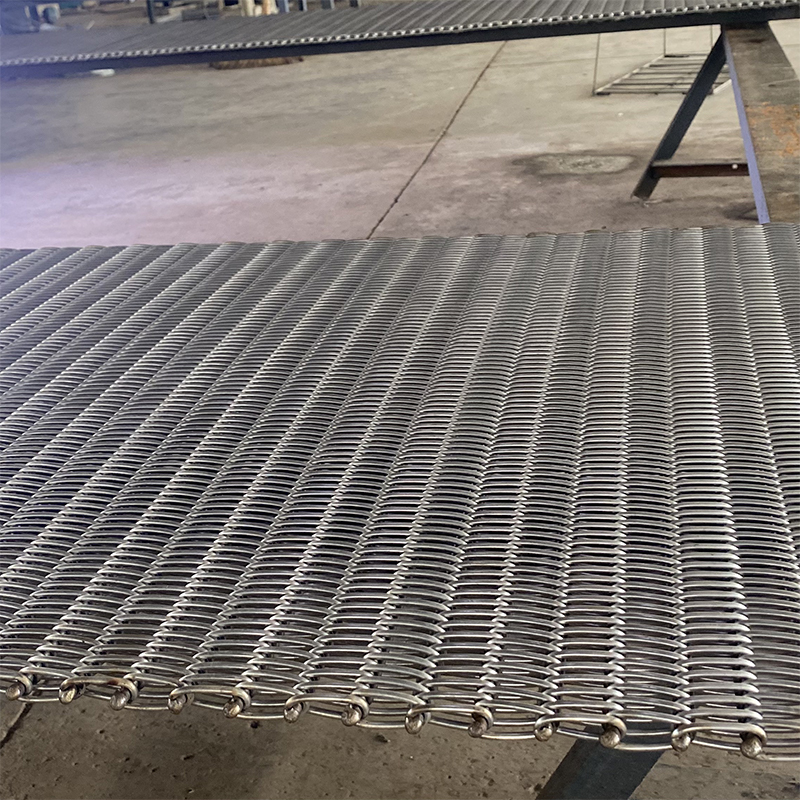
Filter and resonator sintering furnace mesh belts are typically manufactured fro...
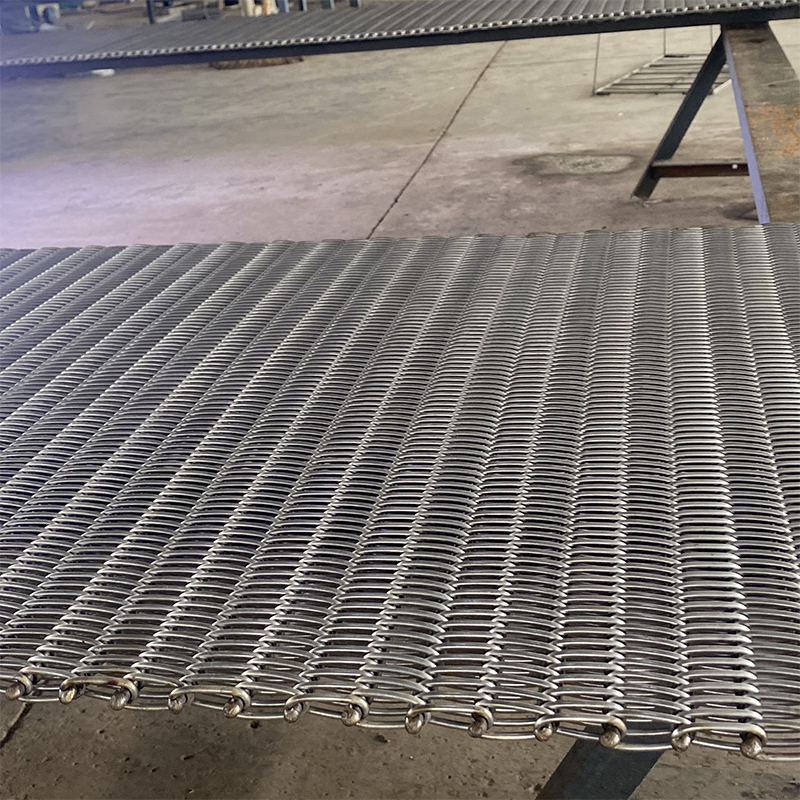
The electronic ceramic components sintering furnace mesh belt is a conveyor solu...
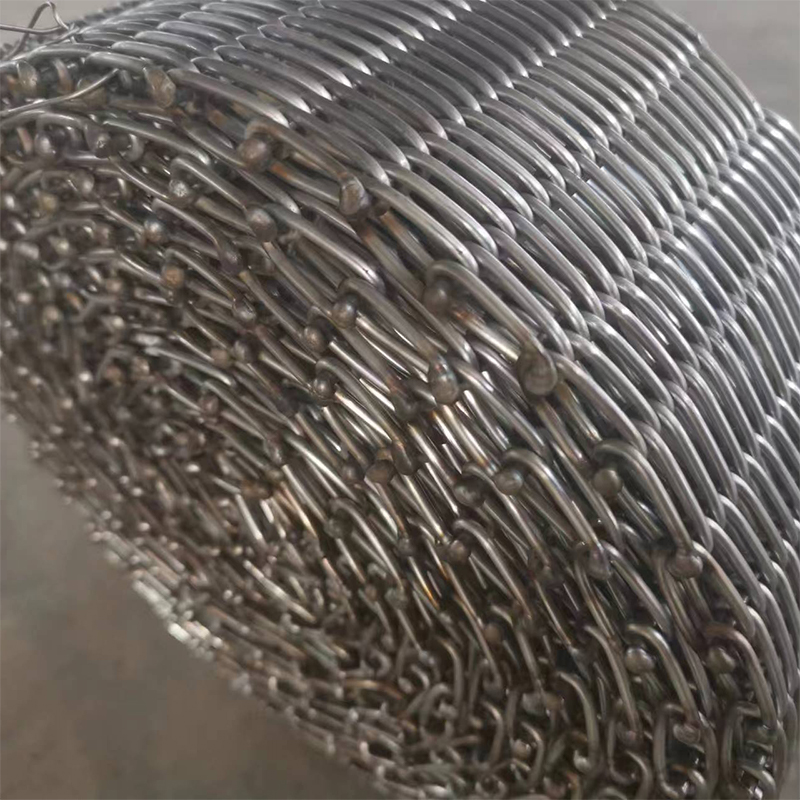
Sensor sintering furnace mesh belts are specialized heat-resistant conveyor belt...
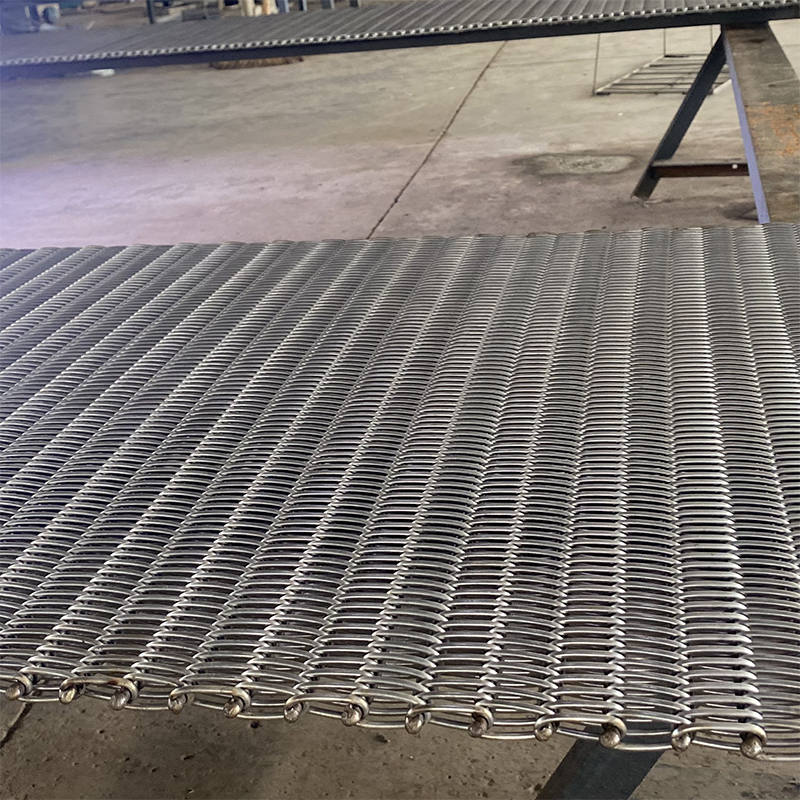
Sintering furnace mesh belts for special ceramic components are a class of heat-...
Ceramic sintering furnace mesh belts are high-temperature conveyor belts designed specifically for the sintering of electronic ceramic components and related structural parts. They are widely used in the production of filters, resonators, ceramic substrates, sensor elements, and various specialized ceramic devices. These belts are typically made of high-strength, heat-resistant alloys, offering excellent high-temperature oxidation resistance and dimensional stability, allowing them to withstand long-term operation in continuous sintering furnaces without deformation. The core characteristics of ceramic sintering furnace mesh belts lie in their structural uniformity and flatness, ensuring a stable conveying surface in high-temperature environments and providing uniform heating conditions for ceramic components, thereby minimizing warping, cracking, and uneven sintering. The weave and wire diameter of ceramic sintering furnace mesh belts can be customized based on product shape and weight to accommodate the transport needs of ceramic products of varying sizes and structures. These belts also offer excellent cleanability and corrosion resistance, maintaining a smooth surface even in high-temperature atmospheres (such as nitrogen, hydrogen, air, or mixed gases) and resisting the absorption of dust and debris.
As China Ceramic Sintering Furnace Mesh Belt Manufacturers and Ceramic Sintering Furnace Mesh Belt Suppliers,
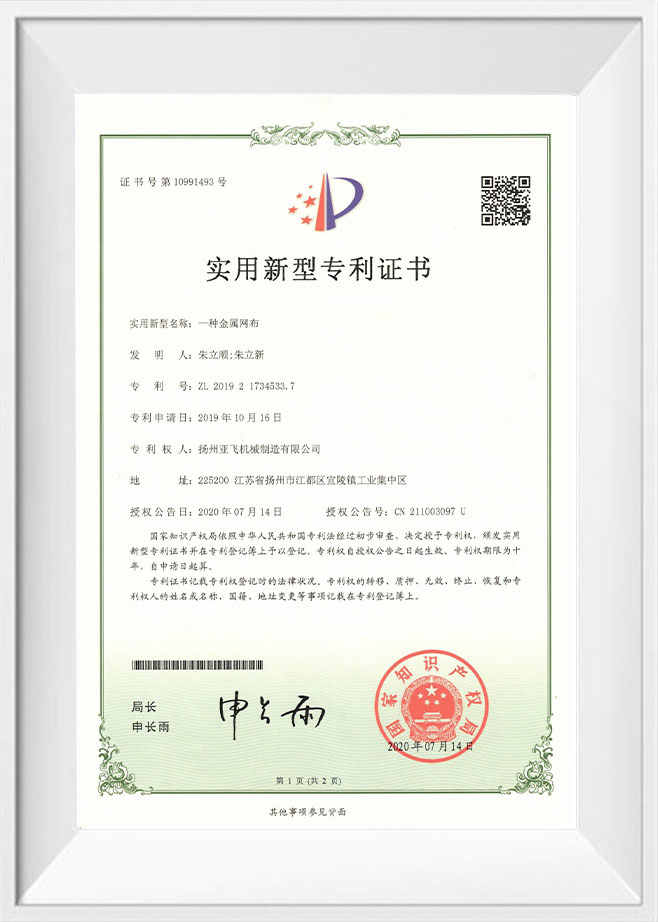
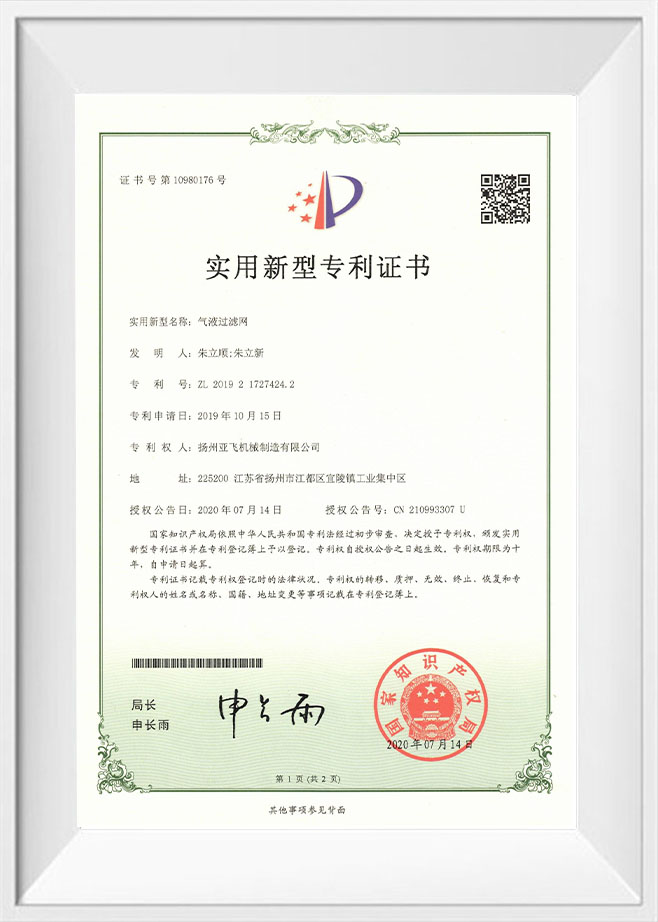
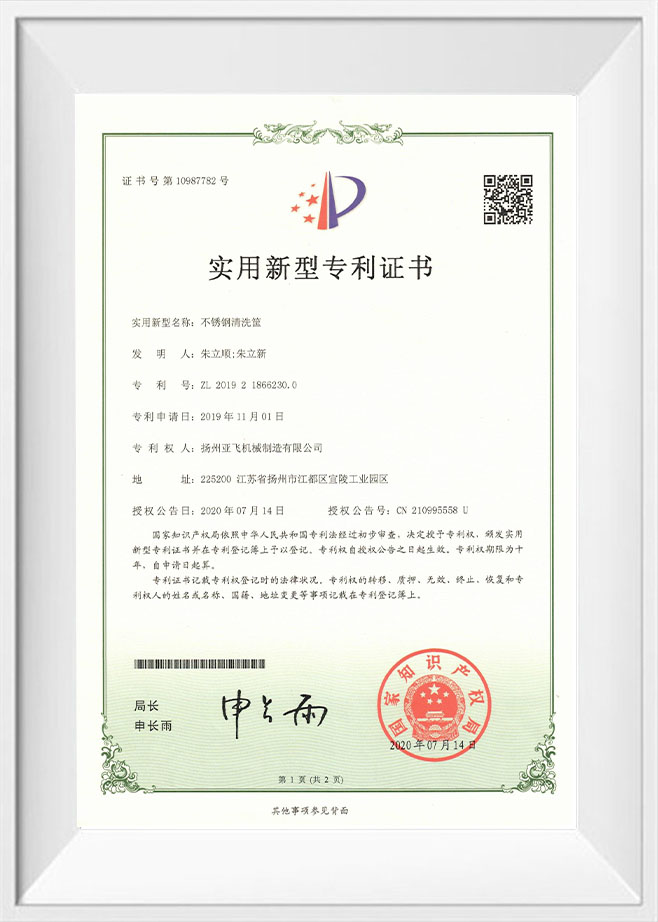
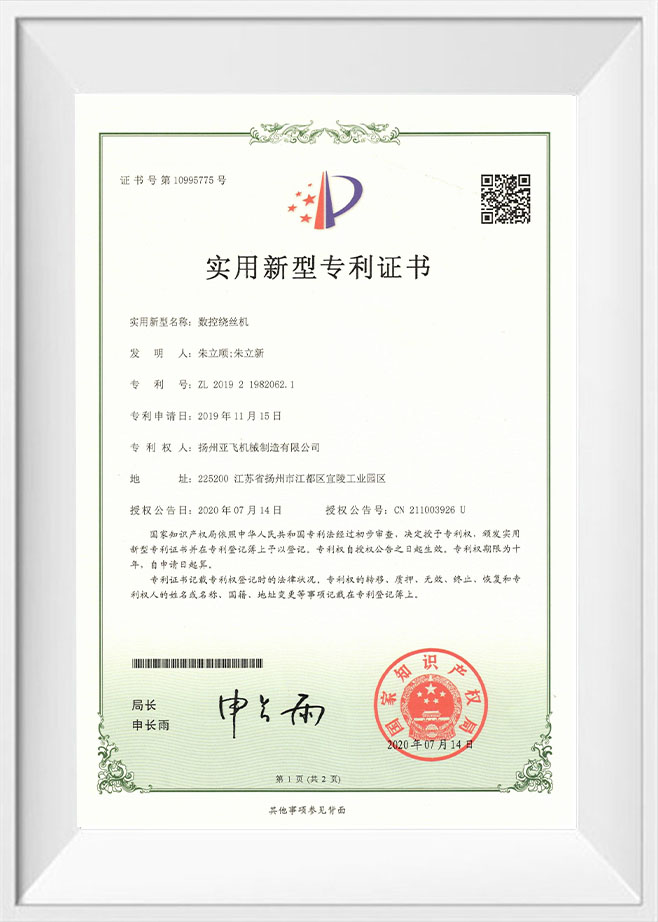
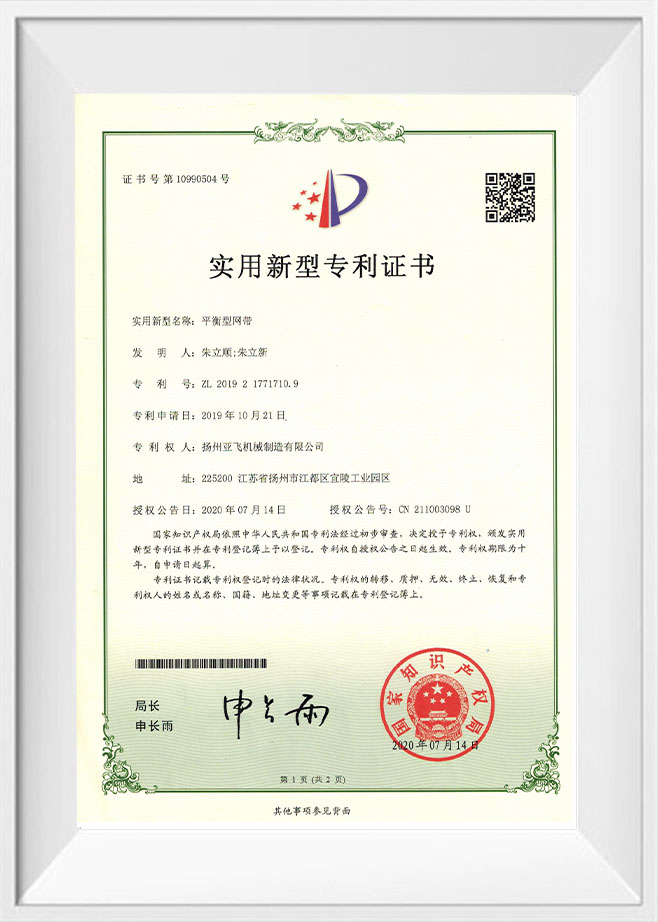
Yangzhou Yafei Machinery Manufacturing Co., Ltd. is a private scientific and technological enterprise in Jiangsu Province, formerly known as Yangzhou Yafei Metal Mesh Belt Factory, located in Yiling Industrial Park in the east of Yangzhou, with R&D, production and processing, office buildings, etc. With independent research and development of scientific and technological projects and equipment processing and manufacturing capabilities.
At present, the company is mainly engaged in: stainless steel mesh belt, conveyor mesh belt, metal mesh belt, stainless steel conveyor belt and related technology research and development, application and promotion.
Metal mesh belts have been used in beer and beverage, food, wood industry, glass, chemical industry, pharmacy, cleaning and spraying, powder metallurgy, new energy, heat treatment, industrial kiln, general conveying machinery and other industries.
Conveying machinery includes: net belt conveyor, hoist, flat top chain conveyor belt, roller conveyor, chain plate conveyor, etc. Widely used in home appliance engineering, automobile engineering, dairy beverage industry, brewing and water treatment and other fields.
A conveyor mesh belt rarely announces its own failure. It distorts, cracks, or begins tracking to one side, and a continuous furnace or production line stops the moment it does. That makes belt selection more than a spare-part purchase; it is a decision about uptime, product quality, and operating cost. The right conv...
READ MOREWhen a hardening furnace mesh belt fails, it usually does it without warning. One shift it is carrying bearing races through the high-temperature zone; the next, a torn edge catches on the return track and the whole line stops. Most of these failures were decided months earlier, when the belt specification was written...
READ MOREA continuous brazing line stops because the mesh belt has drifted to one side, the edge wires are broken, and the stainless steel parts grouping together on the belt are no longer aligned. It is a familiar scenario for maintenance teams: the furnace itself is running correctly, but the belt has become the bottleneck. ...
READ MORELong-distance continuous tunnel kilns used in ceramic production present extreme operational challenges for material handling systems. These kilns often extend over dozens of meters, maintaining continuous thermal zones that subject structural components to prolonged mechanical tension and thermal loading. Within this environment, a ceramic sintering furnace mesh belt must maintain a precise, linear travel path. Any lateral deviation, twisting, or wobbling can cause the conveyor edge to scrape against the refractory brick walls of the kiln, resulting in structural damage to the belt, product misalignment, or costly unscheduled factory downtime. Engineering organizations, such as Yangzhou Yafei Machinery Manufacturing Co., Ltd., focus on combining structural weave balance, mechanical tensioning systems, and automated tracking controls to eliminate tracking drift across extended tunnel kiln layouts.
The primary driver of tracking deviation in tunnel kiln conveyors is uneven thermal expansion across the width and length of the metal mesh substrate. As the belt enters the peak firing zones of a ceramic sintering furnace, where temperatures routinely exceed 1000 degrees Celsius, the metal wire undergoes structural elongation. If the temperature distribution within the kiln cross-section is asymmetric, one side of the belt expands more rapidly than the other, creating a transient length differential. This imbalance shifts the pulling tension toward the cooler, shorter side, causing the entire conveyor to drift laterally toward the zone of higher tension. Over long distances, this deviation accumulates, transforming a minor tracking variation into a severe structural wobble if the mechanical system lacks self-correcting structural properties.
The first line of defense against lateral drift begins with the structural geometry of the mesh fabric itself. Standard high-temperature conveyor belts utilize a balanced weave configuration, which alternates rows of left-hand and right-hand wire spirals linked together by straight or crimped cross-rods. When a conveyor consists entirely of a single directional spiral, the rotation of the wire under tension creates a continuous diagonal force vector that drives the belt sideways across the rollers. By mirroring left-hand and right-hand spirals in a symmetric pattern, the lateral force vectors generated by opposing spirals counteract one another during operation. This mechanical cancellation ensures that the net directional force remains purely longitudinal, keeping the belt stable on its center axis during continuous rotation.
Maintaining constant, uniform tension across the entire length of a long-distance net belt conveyor is critical to preventing structural slack, which allows the belt to wobble under shifting ceramic product loads. Traditional fixed-screw take-up units are insufficient for tunnel kilns because they cannot adapt to the real-time thermal elongation of the metal. Modern systems integrate dynamic gravity counterweight loops or automated pneumatic tensioning cylinders at the return station. These systems apply a continuous, calibrated pulling force to the terminal rollers, absorbing the excess belt length created during high-temperature expansion. By maintaining an unvarying tension threshold, the system prevents the mesh from sagging or twisting, ensuring the tracking forces remain balanced across both the drive and tail pulleys.
Managing a long-distance transport matrix requires deploying distinct mechanical adjustments at strategic intervals along the kiln infrastructure. The table below isolates the primary tracking configurations implemented to maintain alignment in high-heat automated engineering environments.
| Alignment System Type | Primary Control Principle | Target Deviation Hazard | Operational Environment |
| Balanced Spiral Weave | Symmetric counter-directional force vector cancellation | Continuous single-sided lateral drift trends | Internal high-heat firing zones |
| Pneumatic Take-Up | Real-time constant pressure compensation via cylinders | Structural slack and heat-driven elongation sagging | External return loop stations |
| Flanged Guide Rollers | Physical barrier restriction on outer belt boundaries | Sudden tracking shifts from uneven part loading | Low-temperature entrance and exit zones |
| Self-Aligning Idlers | Central pivot rotation reacting to edge pressure shifts | Accumulated long-distance tracking errors | Under-kiln return paths |
For exceptionally long tunnel kilns where relying on friction-drive rollers alone introduces slipping risks, mechanical edge reinforcement is required. Equipment developers, including Yangzhou Yafei Machinery Manufacturing Co., Ltd., design mesh belts with integrated side chain drives or heavy-duty knuckle edges. In a chain-driven configuration, the cross-rods of the mesh belt are extended and locked into standard roller chains on both perimeters. These side chains mate with synchronized drive sprockets on the main drive shaft, establishing a positive mechanical connection. Because the sprockets dictate the exact travel speed of both edges simultaneously, the belt is physically prevented from drifting sideways, eliminating tracking instability even when carrying high-density ceramic components with non-uniform weight distribution.
Along the lower return path under the kiln structure, where the belt cools down and travels back to the loading zone, self-aligning idler assemblies are positioned to correct cumulative tracking errors. These idlers are mounted on a central vertical pivot bearing that allows the roller to swing slightly forward or backward. When the belt drifts off-center, it exerts increased pressure on an unpowered vertical guide roller attached to the steering arm. This physical force rotates the main idler roller at a slight angle relative to the belt travel direction, creating a steering effect that coaxes the mesh back toward the center line. This passive mechanical correction loop maintains operational consistency without requiring continuous operator monitoring.
The manufacturing quality control phase plays an essential role in how a ceramic sintering furnace mesh belt performs under real-world conditions. During factory assembly, raw woven mesh can retain slight geometric variances if the wire tensions were uneven during the crimping phase. To eliminate this issue before field installation, the completed belt sections are placed on high-tonnage pre-stretching benches. The material is subjected to controlled tensile stress at elevated temperatures, which seats the cross-rods firmly into the spiral loops and flattens out any latent structural irregularities. Verifying that the longitudinal pitch and cross-rod straightness are completely uniform ensures that the finished conveyor maintains a level tracking profile throughout its operational lifecycle in heavy industrial kilns.
Q: How does the structural layout of a Ceramic Sintering Furnace Mesh Belt prevent physical indentation marks on the bottom of delicate ceramic green bodies?
A: To maintain the smooth surface requirements of fine ceramics, the belt is engineered using a tight compound balanced weave or high-density flat-wire spiral setup. This configuration minimizes the gap between wire loops, establishing a level structural surface that supports the shifting clay or powder compacts without allowing the material to sink or absorb wire pattern impressions during high-heat firing.
Q: What specific material treatments prevent the mesh belt from becoming brittle when exposed to the high-temperature glazing vapors inside a tunnel kiln?
A: The raw wire stock undergoes precise alloy optimization, utilizing high concentrations of chromium and silicon to form a continuous, impermeable sub-surface passive layer. This barrier restricts volatile glaze chemicals, mineral vapors, and corrosive outgassing from penetrating the internal grain boundaries of the wire, preserving its ductility over extended production lifecycles.
Q: How does the technology research and development division at Yangzhou Yafei Machinery Manufacturing Co., Ltd. ensure the cross-rods remain completely straight under heavy kiln loads?
A: Our engineering team utilizes heavy-gauge, cold-drawn internal cross-rods that undergo structural pre-shrunk and straightening processes prior to final assembly. This ensures that when the net belt conveyor travels through peak thermal zones under high load distribution, the cross-rods resist mechanical bending and sagging, keeping the entire transport plane level.
Q: Can the conveyor machinery configurations accommodate synchronized speed adjustments for multi-zone continuous ceramic firing lines?
A: Yes, backed by comprehensive experience in manufacturing net belt conveyors and chain plate conveyors, the transport machinery can be integrated with variable-frequency drive motors and electronic control interfaces. This setup allows factory operators to calibrate the linear travel speed to match distinct heating and cooling curves required by different ceramic formulations.
Q: What perimeter closing options are available to protect the mesh belt edges from wearing down when tracking inside tight furnace guides?
A: To adapt to specific kiln configurations, the edges can be finished with reinforced knuckle borders, precision welded button heads, or fully integrated side roller chains. These options securely lock the outer wire loops to the cross-rods, absorbing structural friction and preventing the perimeter from fraying or catching on internal furnace walls.
Q: How does the factory eliminate latent mechanical stresses within the woven mesh prior to shipping it to a ceramic production facility?
A: Completed mesh belt assemblies pass through automated high-tonnage pre-stretching benches where they are subjected to controlled mechanical tension. This factory calibration seats the spiral wires tightly into their mechanical joints and eliminates microscopic length variations across the belt width, preventing tracking drift or twisting when the belt is first heated in the field.
Get A Free Consultation Now
Get A Customized Solution
The company adheres to the concept of creating value for customers and prosperity for society, aiming to build a reliable mesh belt brand and establish the century-old Yafei brand.
CONTACT INFORMATION

Yiling Industrial Park, Jiangdu District, Yangzhou City, Jiangsu Province, China

+86 13852191798
PRODUCT CATEGORIES
QUICK LINKS
MOBILE
 Custom Ceramic Sintering Furnace Mesh Belt Suppliers