 English
 русский
 عربى
عربىBrazing furnace conveyor belt
The brazing furnace conveyor belt adopts an advanced double-strand threading str...
 +86 13852191798
Yangzhou Yafei Machinery Manufacturing Co., Ltd.

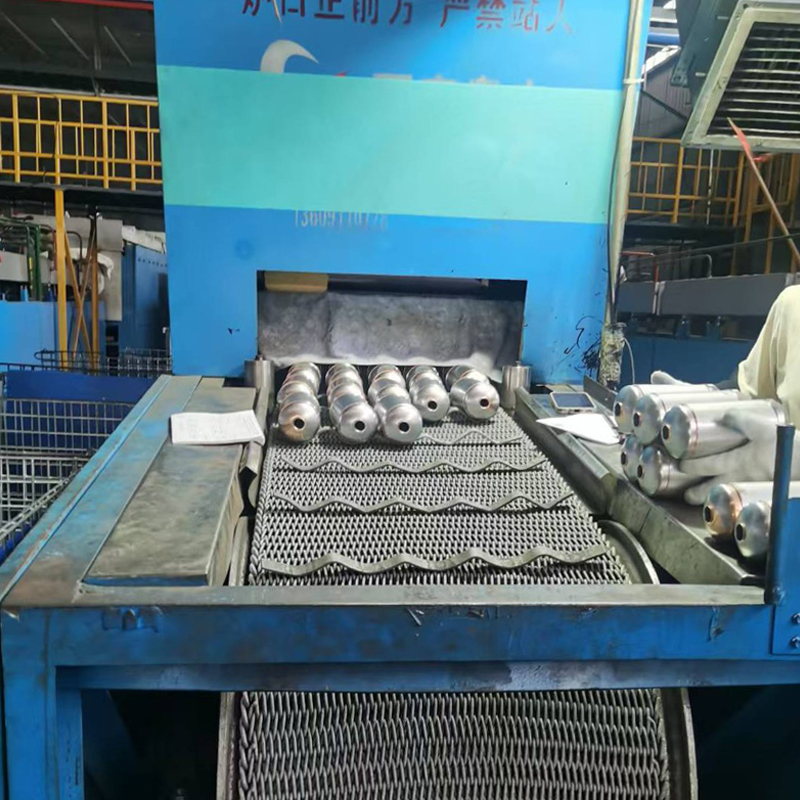
The brazing furnace conveyor belt adopts an advanced double-strand threading str...
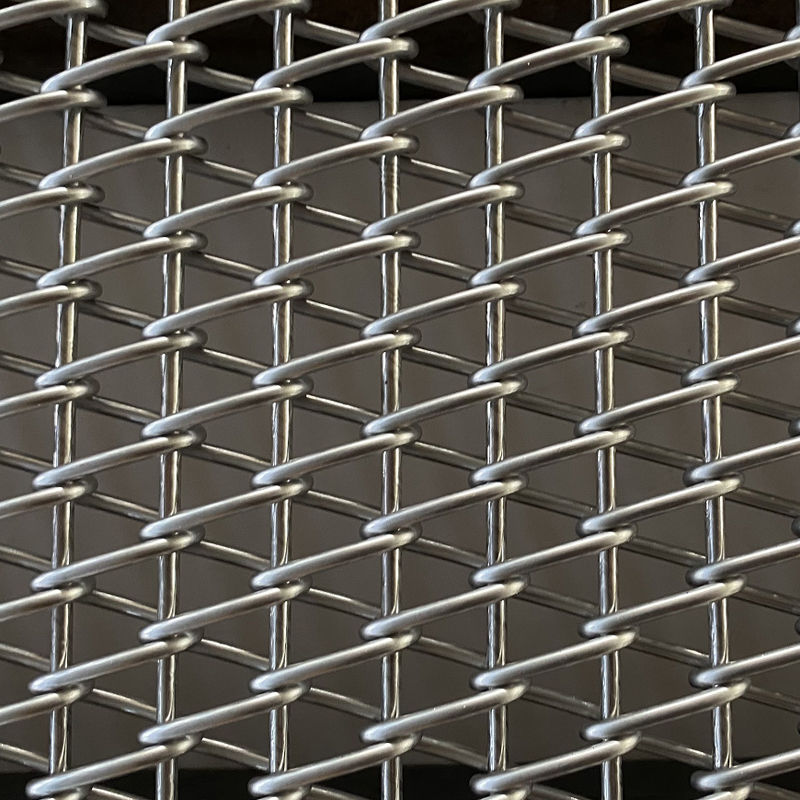
The copper brazing furnace conveyor belt features an innovative double-strand sp...
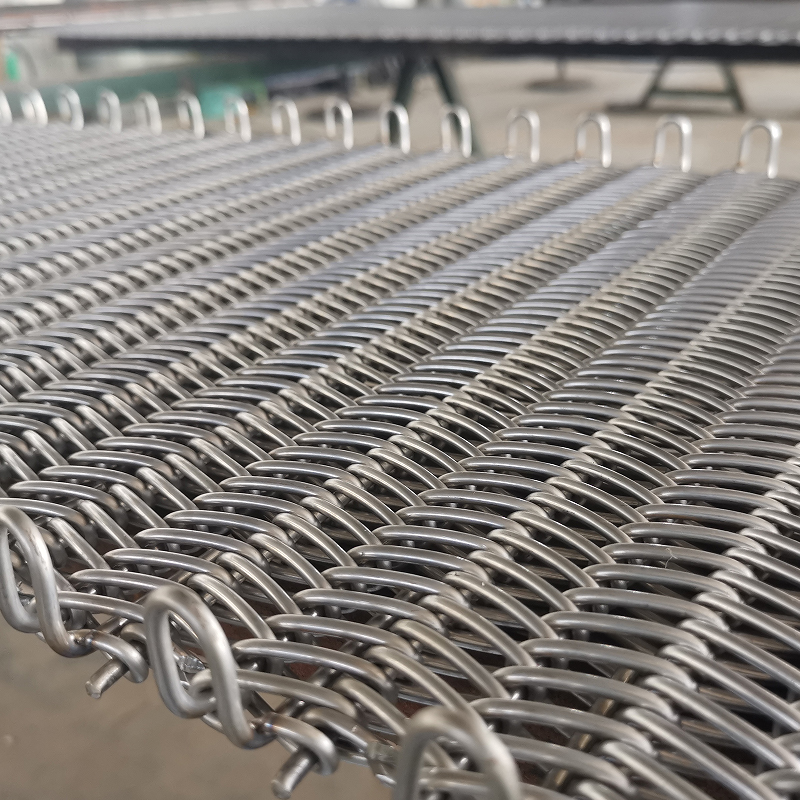
This automotive pipe brazing furnace conveyor belt adopts a one-way edge looping...
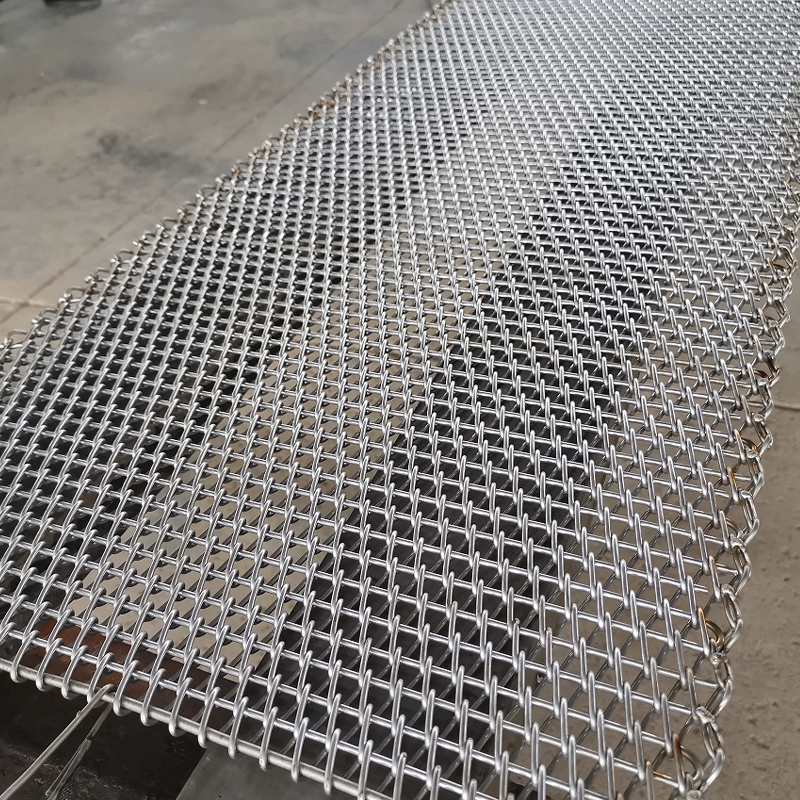
This electric heating element brazing furnace conveyor belt adopts a balanced we...
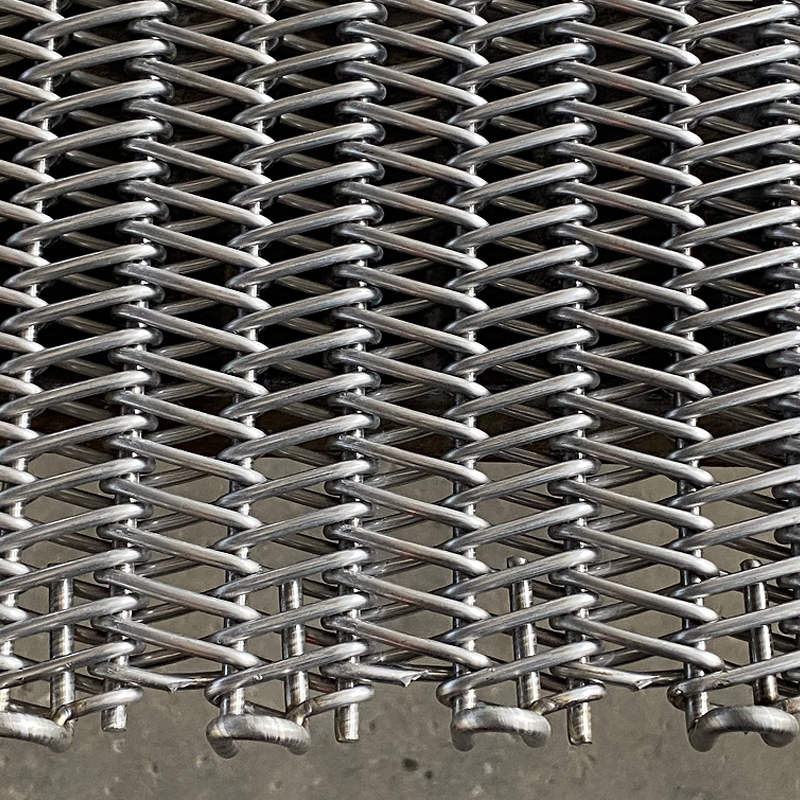
The copper valve brazing furnace mesh belt is widely used in the efficient brazi...
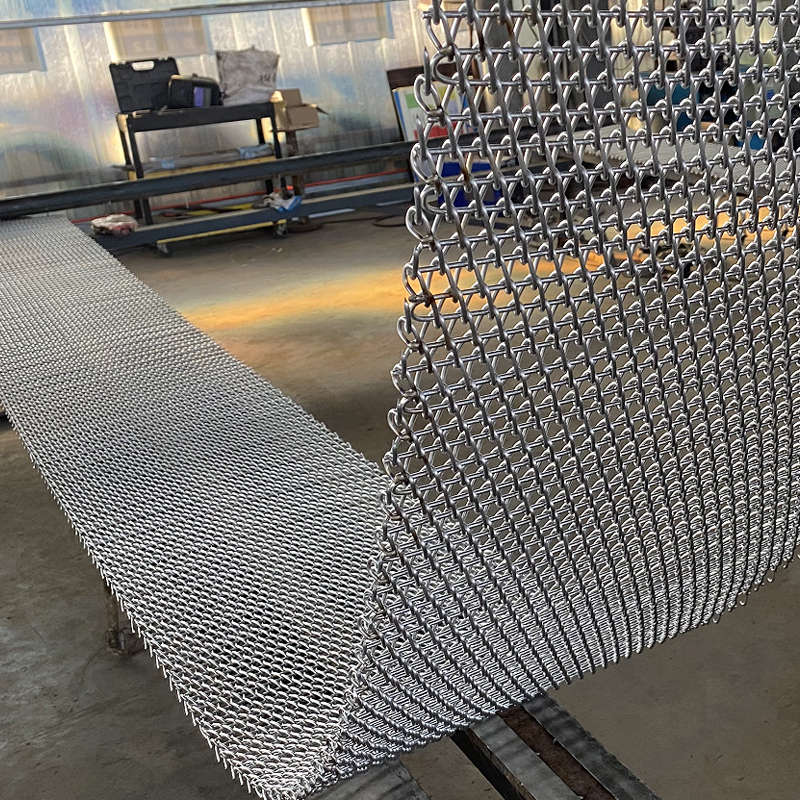
The air conditioner liquid receiver brazing furnace mesh belt is specially desig...
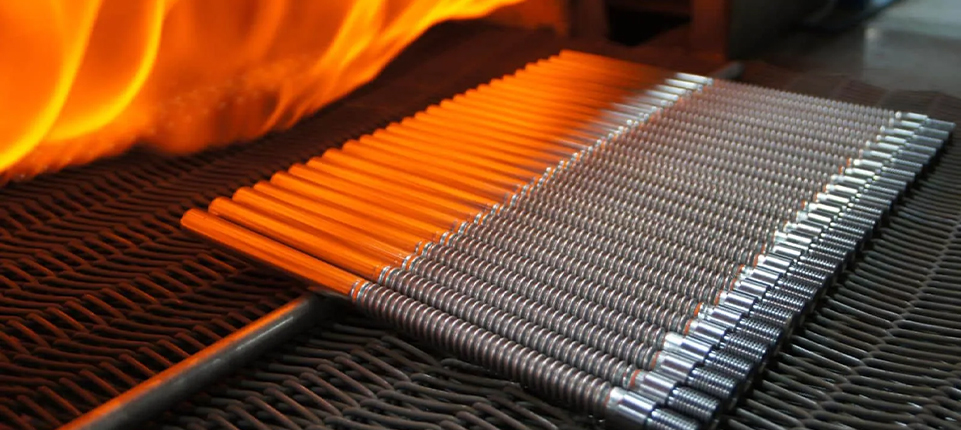
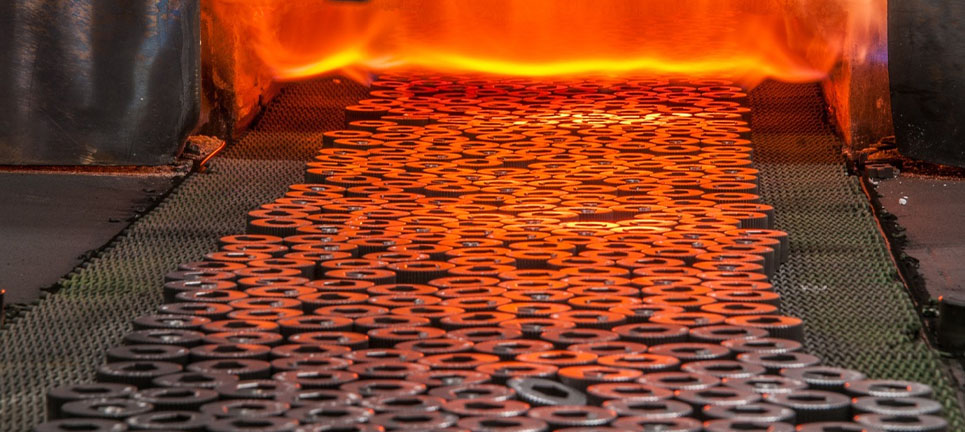
Copper brazing furnace mesh belts are widely used in industries such as automotive, diesel engines, aviation, aerospace, air conditioning and refrigeration, gas water heaters, electronics, and microwave magnetrons. They are specifically designed to transport and support stainless steel, carbon steel, brass, copper, and ceramic parts during brazing and bright heat treatment. As a key component of brazing and bright annealing furnaces, these mesh belts operate under high temperatures and a protective atmosphere, ensuring stable part transport during the heating, holding, and cooling phases, preventing uneven transport or material deformation that could compromise workpiece bonding quality.
Copper brazing furnace mesh belts are typically made of high-temperature and oxidation-resistant stainless steel or alloys. They offer high tensile strength and maintain stability even during long-term continuous operation. Flexible structural designs, such as herringbone and balanced mesh belts, are suitable for transporting both small precision parts and larger, heavier workpieces. Proper mesh belt design ensures uniform heat transfer and consistent heating of workpieces during brazing or bright annealing.
As China Copper Brazing Furnace Mesh Belt Manufacturers and Copper Brazing Furnace Mesh Belt Suppliers,
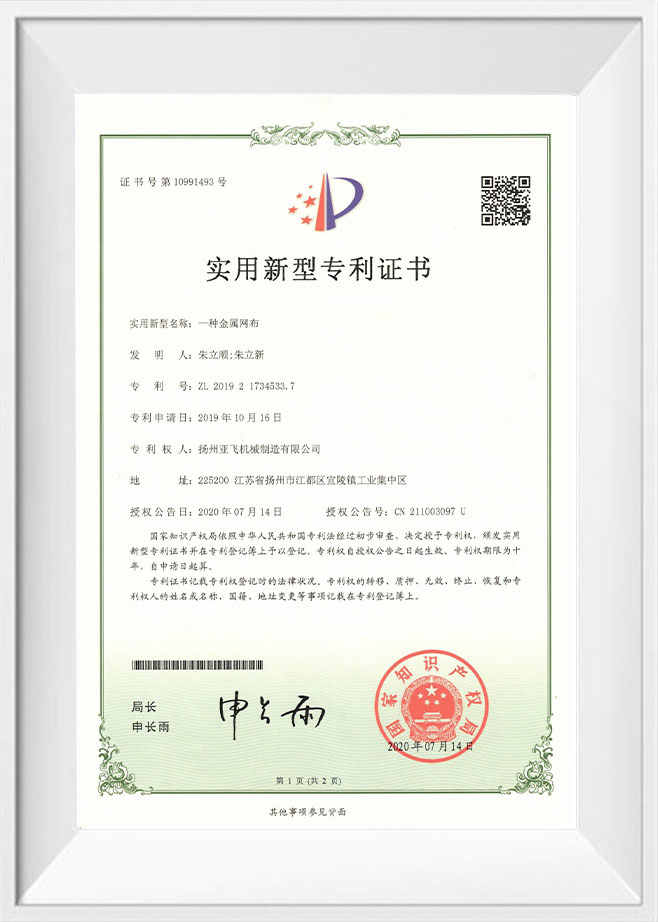
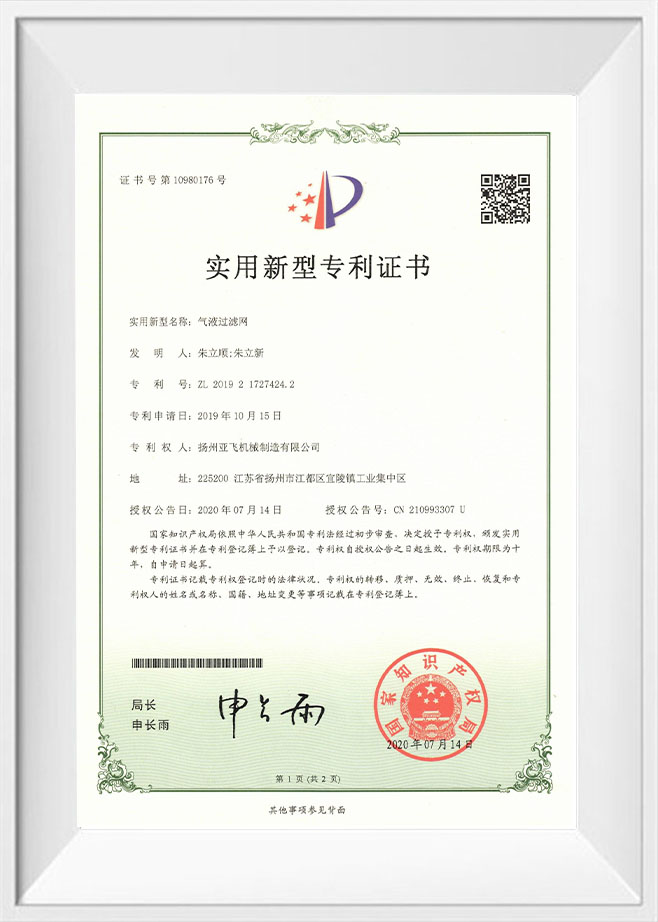
Yangzhou Yafei Machinery Manufacturing Co., Ltd. is a private scientific and technological enterprise in Jiangsu Province, formerly known as Yangzhou Yafei Metal Mesh Belt Factory, located in Yiling Industrial Park in the east of Yangzhou, with R&D, production and processing, office buildings, etc. With independent research and development of scientific and technological projects and equipment processing and manufacturing capabilities.
At present, the company is mainly engaged in: stainless steel mesh belt, conveyor mesh belt, metal mesh belt, stainless steel conveyor belt and related technology research and development, application and promotion.
Metal mesh belts have been used in beer and beverage, food, wood industry, glass, chemical industry, pharmacy, cleaning and spraying, powder metallurgy, new energy, heat treatment, industrial kiln, general conveying machinery and other industries.
Conveying machinery includes: net belt conveyor, hoist, flat top chain conveyor belt, roller conveyor, chain plate conveyor, etc. Widely used in home appliance engineering, automobile engineering, dairy beverage industry, brewing and water treatment and other fields.
A conveyor mesh belt rarely announces its own failure. It distorts, cracks, or begins tracking to one side, and a continuous furnace or production line stops the moment it does. That makes belt selection more than a spare-part purchase; it is a decision about uptime, product quality, and operating cost. The right conv...
READ MOREWhen a hardening furnace mesh belt fails, it usually does it without warning. One shift it is carrying bearing races through the high-temperature zone; the next, a torn edge catches on the return track and the whole line stops. Most of these failures were decided months earlier, when the belt specification was written...
READ MOREA continuous brazing line stops because the mesh belt has drifted to one side, the edge wires are broken, and the stainless steel parts grouping together on the belt are no longer aligned. It is a familiar scenario for maintenance teams: the furnace itself is running correctly, but the belt has become the bottleneck. ...
READ MORECopper brazing furnace mesh belts typically operate in continuous high-temperature environments of 1000–1150°C or even higher, often within a hydrogen or nitrogen-hydrogen reducing atmosphere. These conditions place demands on materials beyond just high-temperature resistance; they require comprehensive high-temperature structural stability, including creep resistance, grain coarsening resistance, resistance to carburization/decarburization, and structural stability in a hydrogen environment. Therefore, material selection differs significantly from aluminum brazing or ordinary heat-treated mesh belts.
In practical engineering, 310S or 310H stainless steel remains the basic choice. Its high chromium and nickel content provides oxidation resistance, allowing it to maintain basic structural stability around 1000°C. However, creep becomes significant during long-term operation above 1100°C, and grain coarsening accelerates. Therefore, it is typically only used in medium-life or cost-sensitive production lines. High-nitrogen-strengthened austenitic steels like 253MA are considered a reinforcement option in copper brazing. They improve high-temperature strength through nitrogen and microalloying elements, exhibiting better creep performance than 310S. However, their long-term stability in hydrogen environments still requires further evaluation, making them more suitable for mid-to-high-end but non-extreme temperature applications.
In high-end applications, Inconel 600, 601, and even 617 nickel-based alloys are more reliable choices. These materials offer significantly better high-temperature creep strength than stainless steel systems, while exhibiting greater structural stability in hydrogen environments, reducing the likelihood of severe grain degradation or structural embrittlement. 601, in particular, achieves a good balance between oxidation resistance and high-temperature stability, leading to its increasing use in continuous copper brazing production lines. Overall, the fundamental logic for selecting materials for copper brazing furnace mesh belts is: higher temperatures, more continuous operation, and higher hydrogen purity result in a greater reliance on nickel-based materials.
The lifespan of copper brazing furnace mesh belts in industrial applications typically exhibits significant fluctuations. This is primarily due to the complex operating environment, characterized by high-temperature creep, a hydrogen-reducing atmosphere, and long-term continuous operation. Within the 1000–1150°C high-temperature range, the material undergoes not only grain growth and creep deformation but also the combined effects of thermal cycling stress and structural loads. Therefore, lifespan is not determined by a single material property but rather by the combined effects of material properties, structural design, process control, and the overall matching level of the entire conveyor system.
Under conventional industrial conditions, copper brazing furnace mesh belts made of 310S or 314 stainless steel typically have a lifespan ranging from 3,000 to 15,000 hours. Using reinforced heat-resistant steels such as 253MA can extend the lifespan to 8,000 to 20,000 hours. In high-end copper brazing production lines, using nickel-based alloys such as Inconel 600/601 can typically achieve a lifespan of 20,000 to 50,000 hours or even higher. This difference in lifespan essentially reflects the variations in material creep rate at high temperatures, grain boundary stability, and structural degradation rate under hydrogen conditions.
However, from an engineering perspective, the decisive factors for the lifespan of a copper brazing furnace mesh belt are not only the material grade but also closely related to the system design capabilities of the equipment manufacturer. For example, Yangzhou Yafei Machinery Manufacturing Co., Ltd., a private technology-based enterprise located in Jiangsu Province, formerly known as Yangzhou Yafei Machinery Metal Mesh Belt Factory, possesses independent R&D capabilities and equipment manufacturing systems, and has long been engaged in the R&D and application promotion of stainless steel mesh belts, metal mesh belts, and conveying machinery.
This company not only produces stainless steel mesh belts, metal mesh belts, and stainless steel conveyor belts but also extends to complete conveying system equipment, including various types of conveying machinery such as net belt conveyors, hoist conveyors, roller conveyors, chain plate conveyors, and flat top chain conveyor belts, which are widely used in automotive engineering, home appliance engineering, food and beverage, chemical, powder metallurgy, and heat treatment industries. This integrated capability of "mesh belt + conveyor system" has direct engineering significance in addressing the lifespan issue of copper brazing furnace mesh belts.
This is because a key factor influencing the lifespan of copper brazing furnace mesh belts is the degree of system compatibility. For example, if the mesh belt drive system experiences large torque fluctuations, has an unreasonable guide structure, or insufficient return support, it can lead to localized stress concentration, thereby accelerating creep deformation and breakage. Companies with overall conveyor system design capabilities can optimize the mesh belt in conjunction with the entire conveyor line during the design phase, resulting in more uniform tension distribution and reducing localized overload areas, thus significantly extending the actual service life.
Furthermore, in the high-temperature hydrogen environment of copper brazing, the lifespan of the mesh belt is also affected by atmosphere stability, process load uniformity, and operational continuity. Manufacturing companies with cross-industry application experience, such as suppliers serving the beer and beverage, food, glass, chemical, pharmacy, cleaning and spraying, powder metallurgy, new energy, and industrial kiln industries, are generally better able to understand the corrosion mechanisms and heat load differences under various operating conditions, thus allowing for more reasonable safety margins during the mesh belt design phase.
Therefore, from an engineering perspective, a more fundamental conclusion can be drawn:
The lifespan of a copper brazing furnace mesh belt is not simply a matter of "material lifespan," but rather a comprehensive result of "material properties + structural design + conveyor system integration + process stability."
Under the same material conditions, different levels of equipment design and system integration can lead to lifespan differences of 1 to 2 times or more. This is why modern copper brazing production lines increasingly emphasize the system engineering capabilities of mesh belt suppliers, rather than just material grade selection.
In high-temperature hydrogen furnaces for copper brazing, the principle of mesh belt lubrication is very clear: lubrication must be completely prohibited in the high-temperature working area; this is a universally accepted engineering standard in the industry. The reasons are mainly threefold. First, traditional lubricants cannot exist stably under high-temperature conditions. Generally, organic greases decompose at several hundred degrees Celsius and rapidly carbonize or volatilize in environments above 1000°C, not only losing their lubricating effect but also generating contaminants. Second, in the reducing atmosphere of hydrogen, these decomposition products may form carbon deposits or trace organic residues, thus contaminating the copper brazing joints and leading to quality defects such as incomplete soldering, black spots, or poor wetting. Third, the high-temperature area itself has extremely high cleanliness requirements; any external lubricating substances will disrupt process stability.
Therefore, in the design of copper brazing furnace mesh belts, a completely lubrication-free operation approach, the so-called dry running system, is typically adopted. Stable operation in the high-temperature zone is achieved through the wear resistance of the materials themselves and structural design, rather than relying on lubricants. For example, high-temperature wear-resistant guide rail materials, optimized mesh belt support structures, or low-friction sliding support surfaces are used to reduce mechanical wear. In low-temperature areas such as the drive end or cooling section, small amounts of special high-temperature lubricants, such as graphite-based materials or MoS₂-based solid lubricants, can be used. However, their application must be strictly limited to the external furnace or low-temperature mechanical structures, and must never enter the high-temperature process area.
From an engineering perspective, the design trend for copper brazing furnace mesh belt systems is to reduce or even eliminate lubrication dependence, as lubrication itself is a potential source of contamination in a high-temperature hydrogen environment. With the development of equipment technology, more and more copper brazing production lines are adopting lubrication-free drive systems and self-lubricating guide structures to improve process stability and reduce maintenance complexity. Therefore, it can be clearly stated that in copper brazing furnace mesh belt systems, lubrication is not a maintenance method, but a risk factor that must be systematically avoided.
In the design of the copper brazing furnace mesh belt, wire diameter and pitch are two core structural parameters that determine its high-temperature load-bearing capacity and lifespan. Their role goes far beyond geometric dimensions; they directly affect the stress distribution of the material under high-temperature creep conditions. Wire diameter determines the load-bearing capacity and creep resistance of a single filament, while pitch determines the uniformity of load distribution and the overall structural rigidity; together, they form the mechanical basis of the conveyor belt.
A larger wire diameter results in a larger cross-sectional area and lower unit stress under the same load, thus significantly improving resistance to high-temperature creep. In high-temperature environments such as copper brazing (above 1000°C), a larger wire diameter can significantly delay grain boundary slip and plastic deformation, thereby increasing the conveyor belt's lifespan. Simultaneously, a larger wire diameter reduces localized thermal deformation sensitivity, making the conveyor belt more stable during thermal cycling. However, a disadvantage is reduced flexibility, increased bending radius, and higher requirements for the drive system.
Pitch primarily affects load distribution and support uniformity. A smaller pitch means a denser conveyor belt structure, with more and more uniform stress points on the workpiece, thus reducing single-point stress concentration and improving high-temperature stability. However, it also increases gas flow resistance, potentially affecting the uniformity of the furnace atmosphere. While a larger pitch is beneficial for gas flow and weight reduction, it leads to increased single-point loads, making localized wires more susceptible to creep or fatigue fracture.
In practical copper brazing engineering, wire diameter and pitch must be designed as a coupled system, not independently optimized. Typical high-end copper brazing furnace mesh belts usually employ a combination of larger wire diameters and smaller pitches to achieve a balance between load-bearing capacity and uniformity. This is because in environments above 1000°C, any localized stress concentration will be amplified into a creep acceleration point, ultimately affecting the overall lifespan.
Therefore, it can be summarized that wire diameter determines the "upper limit of material strength," and pitch determines the "load distribution quality," both jointly determining the true boundary of high-temperature load-bearing capacity. In the extreme conditions of copper brazing furnaces, the importance of structural design is even no less than that of the material itself.
Get A Free Consultation Now
Get A Customized Solution
The company adheres to the concept of creating value for customers and prosperity for society, aiming to build a reliable mesh belt brand and establish the century-old Yafei brand.
CONTACT INFORMATION

Yiling Industrial Park, Jiangdu District, Yangzhou City, Jiangsu Province, China

+86 13852191798
PRODUCT CATEGORIES
QUICK LINKS
MOBILE
 Custom Copper Brazing Furnace Mesh Belt Suppliers