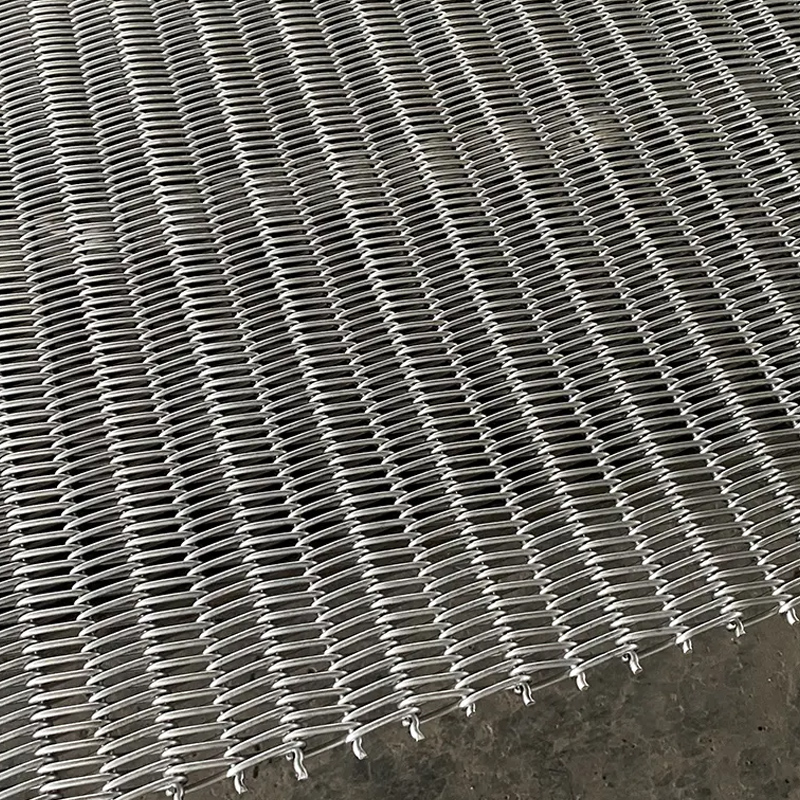
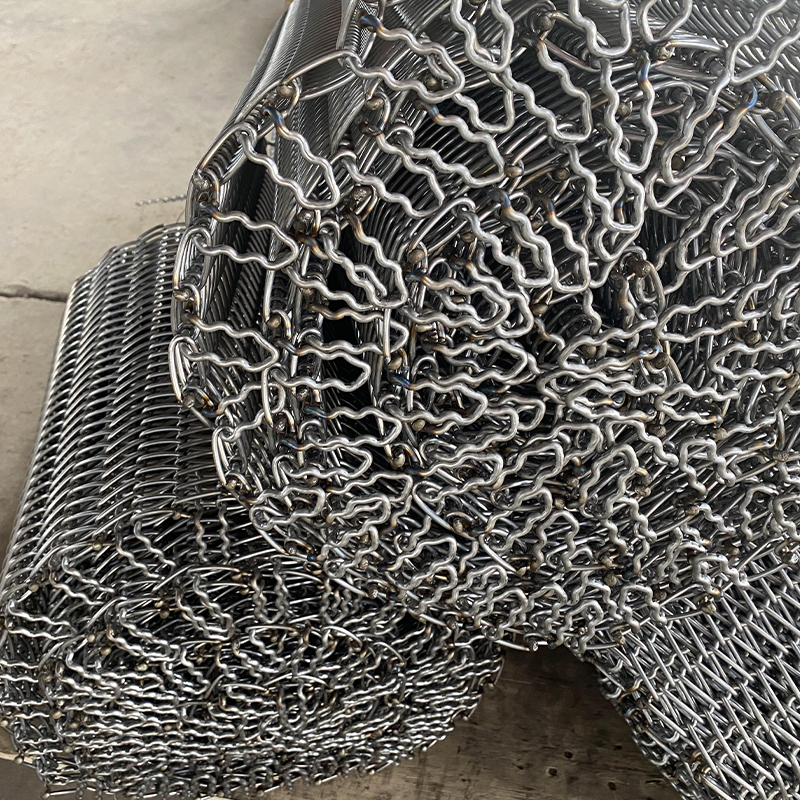
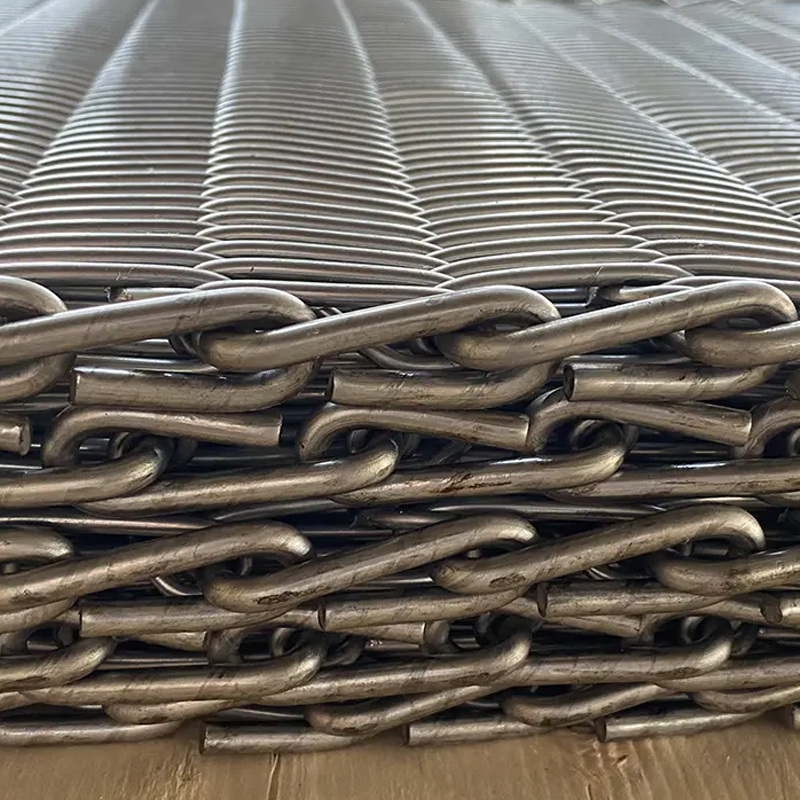
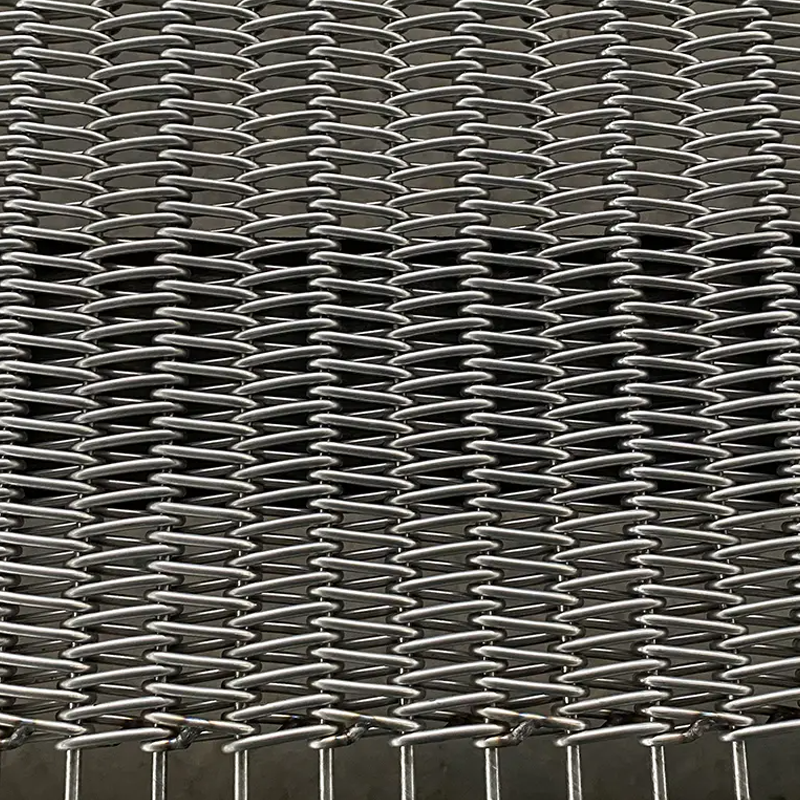
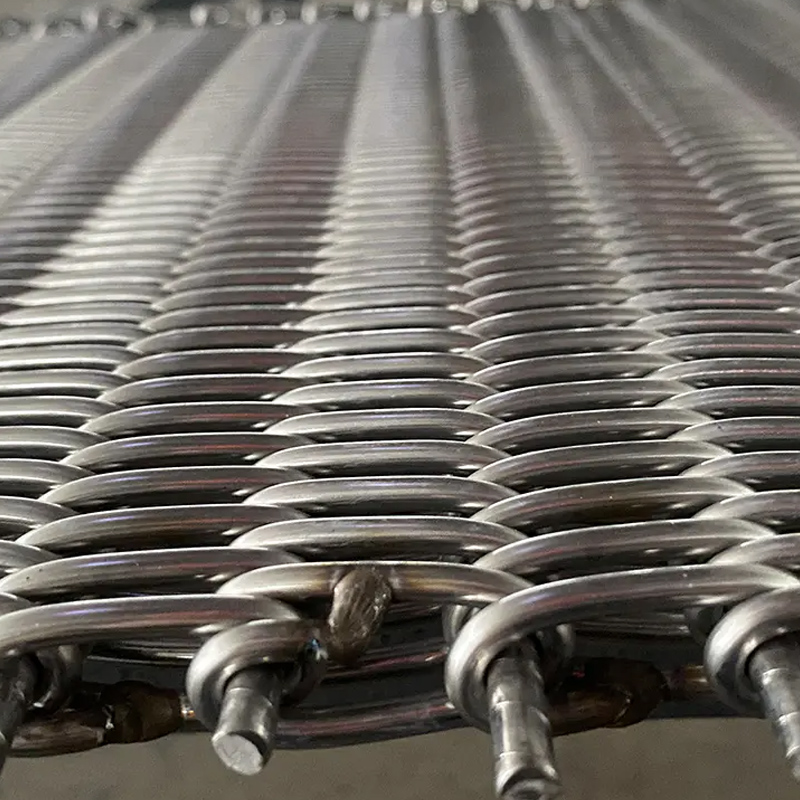
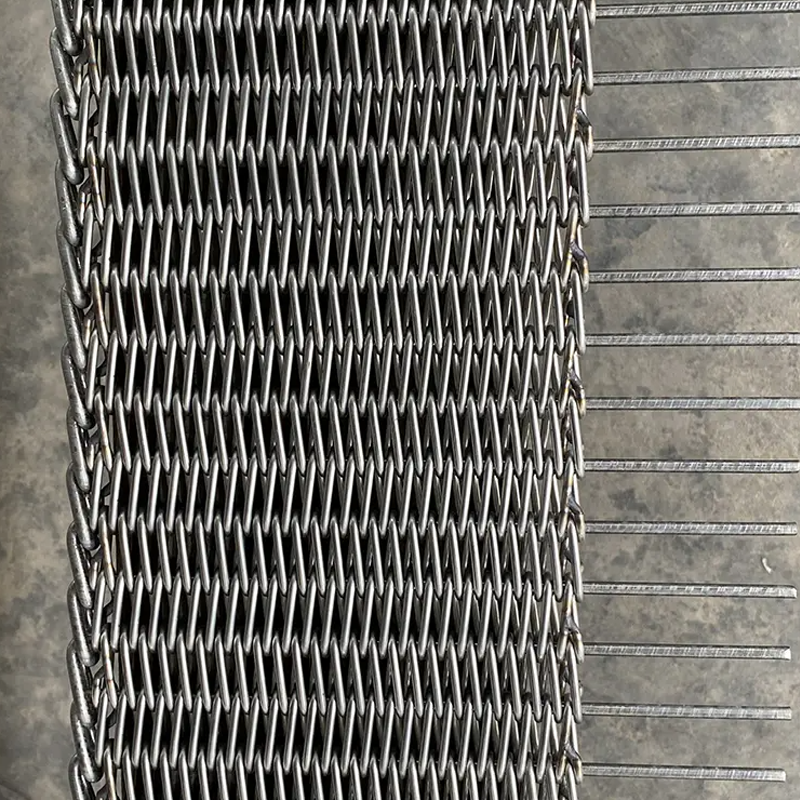
In continuous industrial thermal processing—such as carburizing, nitriding, sintering, and high-temperature brazing—the conveyor system operates under relentless thermal and mechanical stress. Metallurgical processing plants and high-volume automotive component manufacturers rely heavily on automated conveyor systems to transport heavy payloads through extreme furnace environments. Choosing the correct structural configuration of a heat treatment resistant mesh belt directly determines a line's operational uptime, fuel efficiency, and resistance to catastrophic thermal fatigue.
The Strategic Verdict: For ultra-high temperature applications exceeding 950°C requiring minimal thermal mass, rapid atmosphere penetration, and high tensile flexibility, a precision-engineered precision-woven heat treatment resistant mesh belt fabricated from advanced nickel-chromium alloys provides the highest performance. However, for extreme, localized heavy-tonnage hearth configurations below 900°C where mechanical abrasion and heavy impacts dominate, heavy-duty cast link conveyor designs remain a highly durable, specialized alternative despite their substantial energy consumption penalties.
Metallurgical Composition and Thermal Degradation Mechanisms
The operational environment inside a continuous hardening or brazing furnace is hostile to commercial iron alloys. At temperatures fluctuating between 600°C and 1150°C, ordinary steels experience rapid oxidation, grain growth, and creep deformation. A robust heat treatment resistant mesh belt must be engineered from high-grade austenitic nickel-chromium-iron alloys to prevent premature failure.
Alloys featuring high nickel concentrations (35% to 80%) coupled with substantial chromium levels (15% to 25%) develop a self-healing, microscopic protective chromium oxide layer on the exterior surfaces. This layer acts as a barrier, preventing deep oxygen and carbon penetration that leads to internal embrittlement.
When selecting a conveyor configuration, engineers must account for specific atmospheric interactions. In gas carburizing furnaces, for example, carbon potentials are held high to deliberately force carbon into the surface of steel parts. A low-quality mesh belt will absorb this carbon, forming brittle internal carbides along its grain boundaries. This process, known as green rot or carburization embrittlement, reduces the mesh's flexibility, leading to sudden fractures under tensile load. Utilizing specialized micro-alloys containing silicon or rare-earth elements like cerium dramatically improves resistance to this structural degradation.
Structural Comparison: Woven Mesh vs. Cast Link Designs
Industrial thermal processing lines utilize two primary geometric configurations for part conveyance. The architectural differences between a flexible, woven wire structure and a rigid, interlocking cast segment structure impact thermal efficiency, payload capabilities, and the uniformity of the final heat treatment.
| Engineering Property |
Woven Wire Mesh Belt Architecture |
Interlocking Cast Link Conveyor System |
| Maximum Operating Temperature |
Up to 1150°C (with appropriate alloys) |
Generally limited to 950°C due to creep mass |
| Thermal Mass Ratio (Belt to Payload) |
Low (approx. 1:3 to 1:4 weight ratio) |
Extremely High (often 1:1 or higher) |
| Atmosphere & Gas Circulation |
Excellent (Open area up to 70%) |
Restricted (Dense solid metallic links) |
| Creep Deformation Resistance |
High (Distributed loads via cold-drawn wires) |
Moderate (Susceptible to localized pin sagging) |
| Localized Failure Mitigation |
Individual wire coils can be easily spliced |
Requires complete dismantling of link rows |
The engineering data highlights a critical metric for high-volume thermal processing plants: the thermal mass ratio. Because a woven heat treatment resistant mesh belt utilizes thin, high-tensile cold-drawn wires instead of heavy cast sections, the furnace wastes far less energy heating up the conveyor itself. In a typical automotive fastener quenching line processing 2,000 kg of product per hour, switching from a heavy cast conveyor to an optimized woven wire belt can reduce furnace energy consumption by up to 22%, yielding substantial utility savings.
Thermal Fatigue and Mechanical Creep Life Cycle Analysis
Conveyor belts inside industrial furnaces do not fail from simple tensile overload. Instead, they wear down over time due to two long-term engineering challenges: creep deformation and thermal fatigue caused by repeated heating and cooling cycles.
Creep occurs when a material is held under constant mechanical stress at elevated temperatures. Over hundreds of hours, the metal slowly stretches. If a mesh belt is improperly tensioned, or if its alloy lacks sufficient grain-boundary strengthening elements like tungsten or cobalt, it will stretch excessively, causing tracking problems and jamming the furnace drive sprockets.
Thermal Shock Resiliency
Every time a conveyor exits a 950°C heating zone and enters an oil or water quench tank, it experiences extreme thermal shock. Woven wire configurations accommodate this rapid volumetric contraction smoothly because their loose, interlocking spiral joints let individual wires shift slightly, relieving internal stress concentrations.
Cast Section Distortions
Thick cast links feature significant differences in thickness between their centers and their outer connection eyes. During rapid cooling, the outer edges shrink faster than the heavy core, creating internal micro-cracks that can cause sudden structural failures under heavy loads.
Atmosphere Circulation and Quenching Uniformity
In high-end manufacturing sectors like aerospace gear cutting or medical instrument production, achieving uniform hardness across a product's entire surface is critical. Variations in hardness can cause parts to warp or fail under stress. The design of the conveyor belt plays a direct role in maintaining this quality control.
A precision-woven heat treatment resistant mesh belt offers open-area ratios ranging from 30% to 70%. This open structure allows forced-convection heating gases or atmosphere gases to flow unimpeded around the parts, ensuring even heating across all surfaces. This openness also pays off during the quenching phase:
- Rapid Liquid Dispersal: Quench oils flush immediately through the mesh, preventing hot pockets from forming beneath the parts.
- Elimination of Vapor Blankets: The open weave stops steam or oil-vapor bubbles from getting trapped under flat components, ensuring uniform cooling rates.
- Reduced Oil Drag-Out: Less quench oil sticks to the thin wire profiles as they exit the tank, saving on oil consumption and reducing downstream cleaning requirements.
Conversely, solid cast links tend to mask the bottom surfaces of parts, acting as a heat sink that slows down cooling rates and potentially causing inconsistent microstructure transformation in low-alloy steels.
Tracking Dynamics and Drive Mechanism Alignment
Ensuring a conveyor belt tracks straight through a long, high-temperature tunnel furnace is an ongoing challenge for maintenance teams. As a heat treatment resistant mesh belt moves through various temperature zones, any uneven temperature distribution across the furnace width can cause the belt to expand unevenly, pulling it to one side.
To counter this, advanced woven belts are engineered using alternating left-hand and right-hand spirals. These spirals are securely joined by straight or crimped cross-rods, ensuring that the lateral forces generated as the belt flexes balance out completely. This self-correcting alignment prevents the belt from drifting into the furnace's internal brickwork, eliminating a common cause of edge damage and extending the operational life of the system.
Frequently Asked Questions
Which alloy is best for a heat treatment resistant mesh belt operating above 1000°C?
For temperatures exceeding 1000°C, high-nickel alloys such as Nichrome V (80% Nickel, 20% Chromium) or Inconel 601 are highly recommended. These formulations offer exceptional resistance to high-temperature oxidation, maintain high tensile strength, and resist structural deformation under long-term thermal loads.
How do I prevent carbon build-up on my conveyor belt in a gas carburizing atmosphere?
To minimize carbon absorption, select alloys with elevated silicon levels (approx. 1.5% to 2%) and high nickel content. Silicon helps form an underlying barrier that blocks carbon atom migration into the metal base, preventing embrittlement and extending the belt's service life.
What causes a woven mesh belt to stretch excessively after installation?
Initial stretch, or "break-in stretch," is normal as the interlocking loops settle into place under tension. However, continuous long-term stretching indicates mechanical creep, which happens when the furnace temperature or load exceeds the belt alloy's structural limits, or when the drive system applies too much tension.
Can damaged sections of a woven heat treatment resistant mesh belt be repaired on-site?
Yes. Woven wire belts can be repaired relatively quickly on-site by cutting out the damaged area and weaving in replacement spiral wires and cross-rods. This modular serviceability significantly minimizes production downtime compared to rigid alternative conveyor systems.
How does the open area of a mesh belt impact heating efficiency in a furnace?
A higher open area allows furnace gases to circulate freely around the parts, speeding up convective heat transfer. This improved circulation shortens the time required for parts to reach target temperatures, which increases the furnace's overall throughput and efficiency.



 English
 русский
 عربى
عربى