Belt Selection Guide
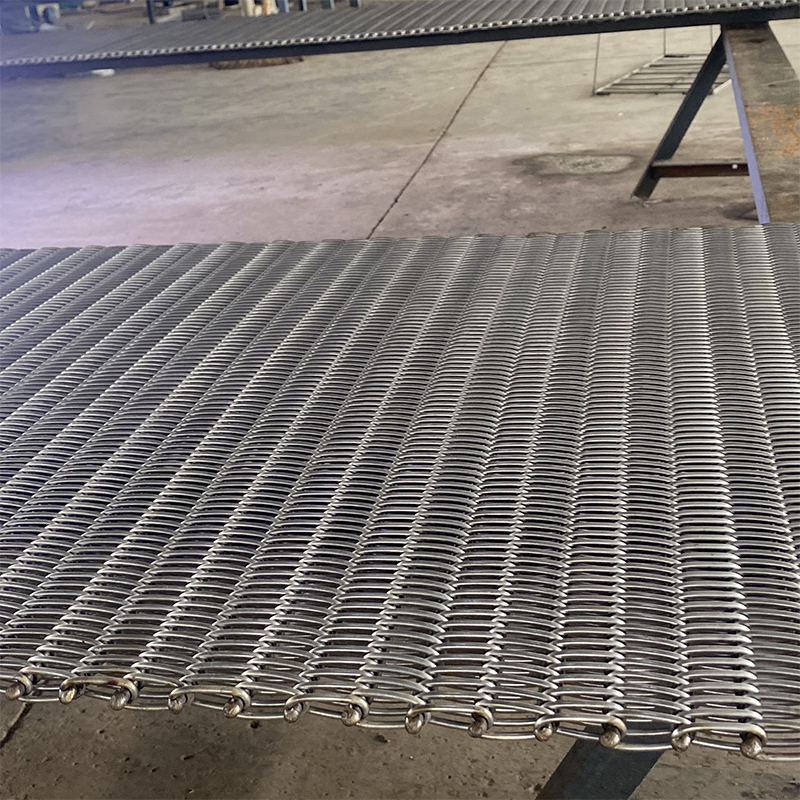
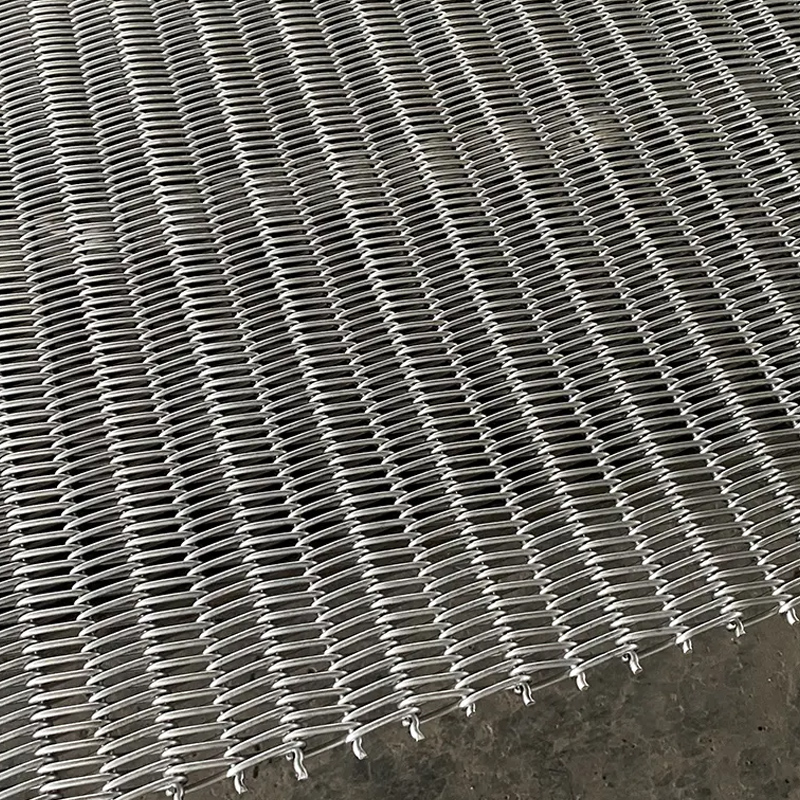
For most brazing furnaces, a balanced (compound) weave belt in nickel-chromium alloy holds flatness and dimensional accuracy better than ladder or honeycomb weaves at sustained temperatures above 1000°C.
Honeycomb weaves win where airflow and light weight matter more than load capacity, and flat-wire or rod belts win when the furnace is moving heavy, dense components rather than small brazed assemblies.
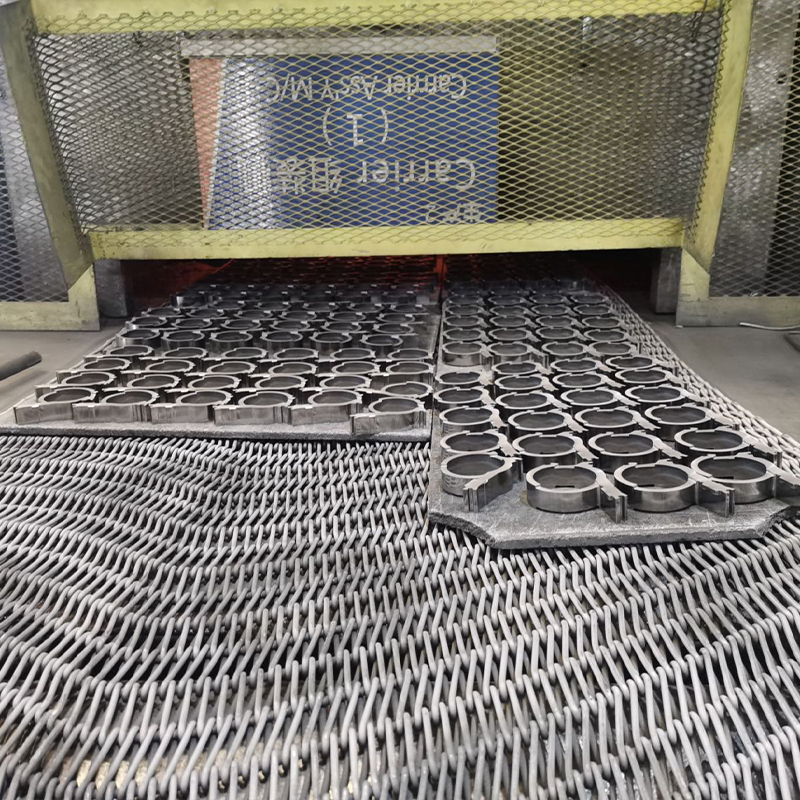
Walk the length of a continuous brazing furnace and the belt is doing more mechanical work than almost any other component in the line — carrying parts through preheat, into the braze zone where filler metal actually flows, and back out through controlled cooling, all while holding its shape under its own weight plus the load stacked on top of it. Pick the wrong weave or alloy and the belt sags, stretches unevenly, or work-hardens years before the furnace shell does. The differences between belt types are specific enough that they deserve a side-by-side look rather than a single generic recommendation.
What a Brazing Furnace Actually Demands From a Belt
Unlike a belt on a simple annealing line, a brazing furnace belt has to survive repeated thermal cycling between room temperature and often 1000–1200°C, resist the specific atmosphere in use (commonly hydrogen, dissociated ammonia, or nitrogen), and avoid contact contamination with molten filler metal that could compromise the joint. That combination narrows the practical material choice considerably compared to general-purpose conveyor belting.
PREHEAT
RAMP
BRAZE ZONE
HOT ZONE PEAK
300–500°C 500–800°C 800–1050°C 1050–1200°C
The belt experiences the widest temperature swing of any single component on the line, cycling through all four zones on every pass, which is why creep resistance and dimensional stability at the top end of that range matter more than tensile strength at room temperature.
Balanced Weave Versus Ladder Weave Belts
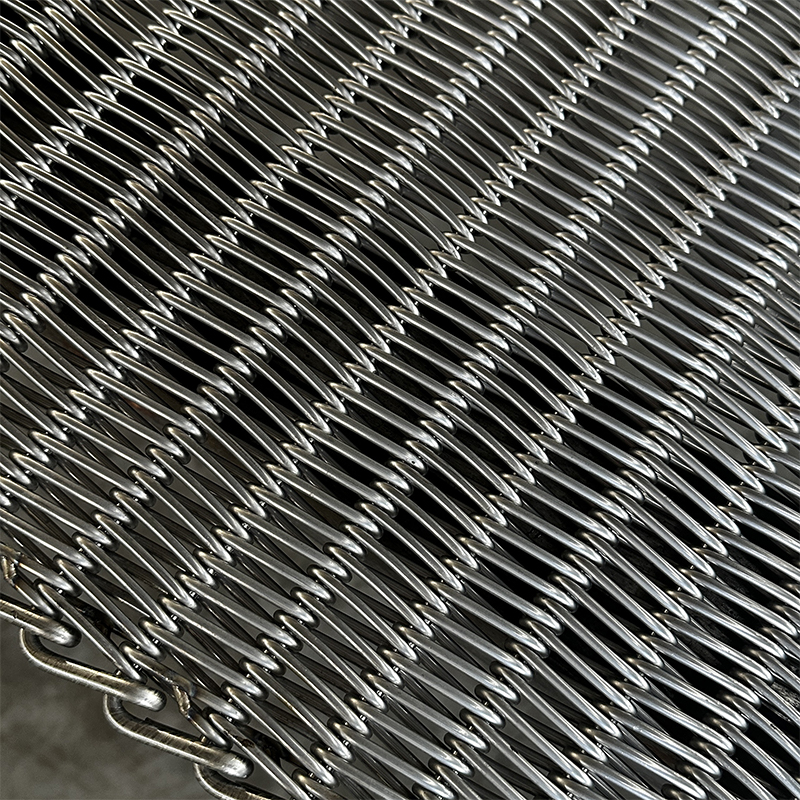
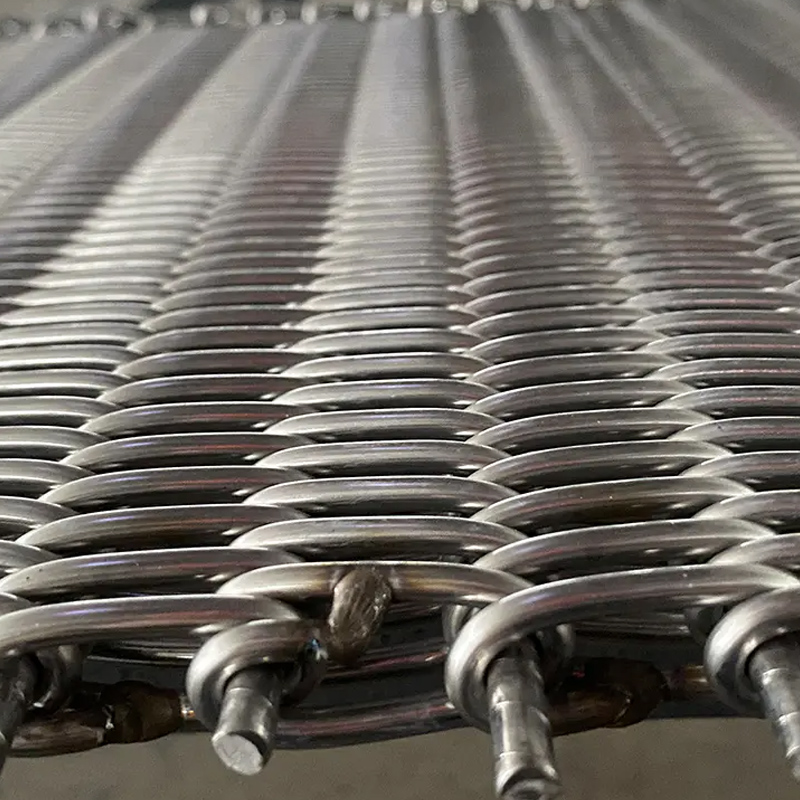
Balanced weave (also called compound balanced) belts interlace spiral wires with straight cross rods in a pattern that distributes tension evenly across the belt width, which keeps the surface flat under load and resists the "hourglassing" that narrower, less-supported belts can develop over time. Ladder weave belts use straight cross rods connected by simple spiral loops at the edges, giving a more open, flexible structure with less inherent rigidity.
- Flatness under load: Balanced weave typically holds flatness within a tighter tolerance across belt widths over 600mm, which matters for parts that need to sit level through the braze zone so filler metal flows evenly rather than pooling to one side.
- Flexibility for tight radii: Ladder weave belts flex more easily around smaller drive sprockets, making them a better fit for compact furnace designs with tighter turning radii.
- Open area for atmosphere circulation: Ladder weave's more open structure allows better gas flow through the belt itself, which can help atmosphere uniformity in hydrogen or nitrogen furnaces.
A balanced weave belt running at 1100°C in a hydrogen atmosphere commonly shows less than 0.3% elongation per 1,000 operating hours when sized correctly, compared to elongation rates two to three times higher on undersized ladder weave belts running the same load — belt width and wire gauge matter as much as weave pattern itself.
Honeycomb and Spiral Weave for Airflow-Sensitive Loads
Honeycomb weave belts use a tighter, more uniform spiral pattern that creates small hexagonal openings across the surface, giving excellent support for small parts that might otherwise fall through a coarser mesh. Spiral weave, the simplest and lightest option, is essentially just interlocking spirals with no cross rods at all.
Honeycomb Weave
Best for small brazed components — fittings, connectors, thin stamped parts — where a coarser mesh would let pieces tip or fall through. Higher open area also improves heat transfer to the underside of parts, shortening effective soak time.
Spiral Weave
Lightest option and lowest thermal mass, which reduces energy needed to heat the belt itself each cycle, but offers the least load capacity and the least resistance to lateral tracking drift over long runs.
For furnaces running mixed batches — small fittings one shift, larger sub-assemblies the next — a mid-weight balanced weave often ends up the more practical compromise rather than switching belts between honeycomb and heavier options.
Alloy Selection: Stainless Steel Versus Nickel-Chromium Wire
Wire alloy determines how long the belt survives thermal cycling before wire embrittlement or excessive creep forces a replacement. Austenitic stainless grades handle moderate brazing temperatures reasonably well, but nickel-chromium alloys are the more common choice once furnace temperatures consistently exceed roughly 1000°C.
| Alloy Family |
Practical Temp Ceiling |
Relative Creep Resistance |
Typical Cost Position |
| 304/309 stainless |
~900°C |
Moderate |
Lower |
| 314/330 stainless |
~1050°C |
Good |
Mid |
| Nickel-chromium (80/20 class) |
~1150–1200°C |
High |
Higher |
| Nickel-chromium-iron variants |
~1100°C |
High |
Higher |
Running a 314 stainless belt at temperatures near its ceiling shortens service life significantly compared to running the same belt with headroom below its rated maximum — a furnace operating consistently at 1080°C is a stronger candidate for a nickel-chromium belt than for pushing a stainless belt past its comfortable operating range, even if the stainless option costs less upfront.
Flat Wire and Rod Belts for Heavy or Dense Loads
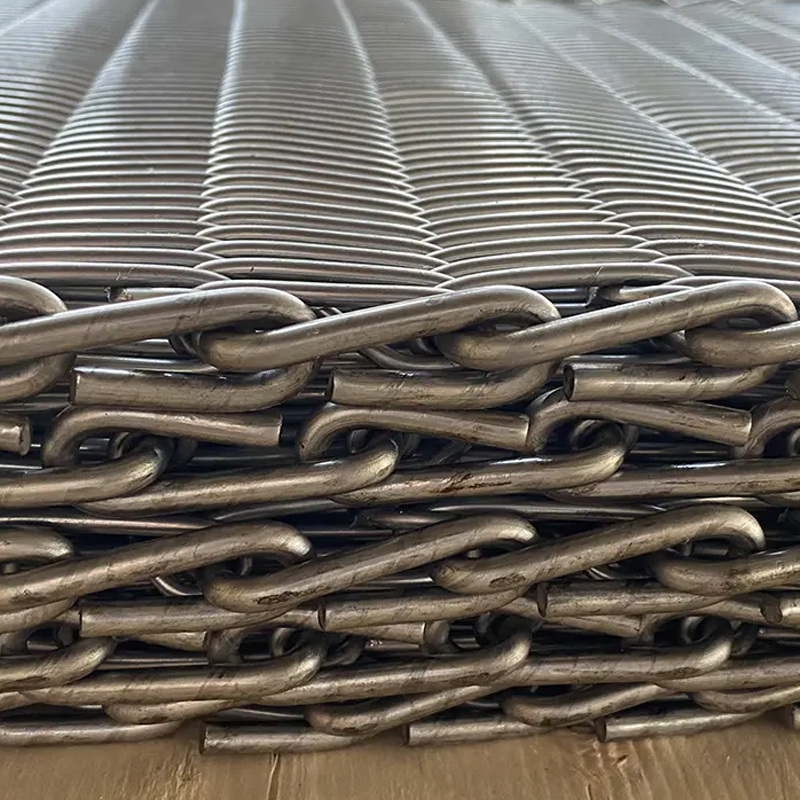
When the load isn't small parts but dense, heavy components — cast fittings, thick brazed assemblies, tooling fixtures — flat wire or rod-style belts distribute weight differently than any mesh weave. Rod belts use solid cross rods connected by end links rather than woven wire, giving substantially higher load capacity per unit width at the cost of reduced flexibility and higher belt mass, which increases the energy needed to bring the belt itself up to temperature each cycle.
- Load capacity: Rod belts commonly handle two to three times the load per linear foot compared to a lightweight mesh weave of similar width.
- Thermal mass trade-off: The added metal mass means longer preheat ramp times and higher energy consumption per cycle, which matters for furnaces running frequent start-stop cycles rather than continuous operation.
- Part marking risk: The wider contact surface of rod belts can leave more visible contact marks on soft or polished parts than an open mesh weave would, which matters for cosmetic assemblies.
Wear Patterns Worth Watching Between Belt Types
Different weaves fail differently, and knowing the failure signature helps catch a problem before it causes a line stoppage. Balanced weave belts typically show gradual, even elongation across the full width, giving operators a predictable window to plan replacement. Ladder and spiral weaves are more prone to localized "necking," where one section stretches faster than the rest, often near the edges where tension concentrates. Rod belts tend to show wear at the link connections first, well before the rods themselves show significant degradation, making link inspection a more useful early indicator than checking rod straightness alone.



 English
 русский
 عربى
عربى