

 English
 русский
 عربى
عربىSpecial forging furnace mesh belt
The weaving method and structure of the special forging furnace mesh belt can be...
 +86 13852191798
Yangzhou Yafei Machinery Manufacturing Co., Ltd.

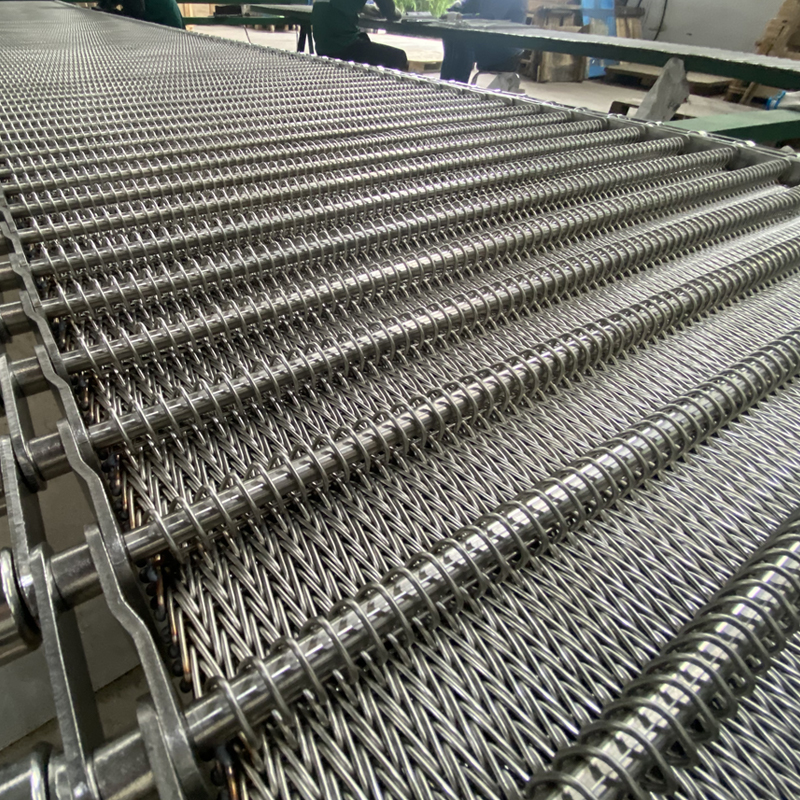
The weaving method and structure of the special forging furnace mesh belt can be...
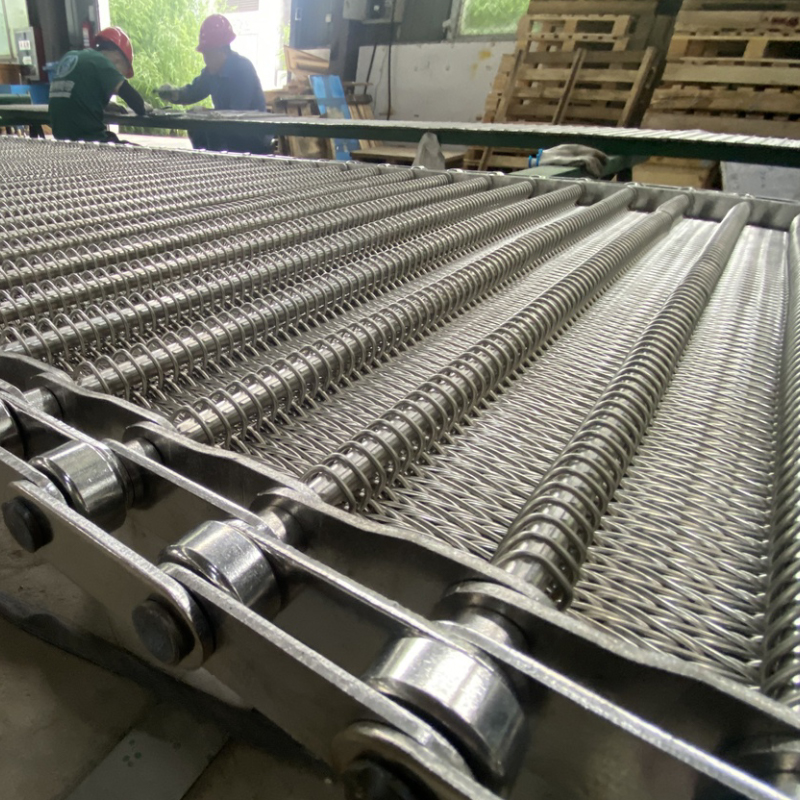
The standard-parts tempering furnace mesh belt is manufactured using imported 32...
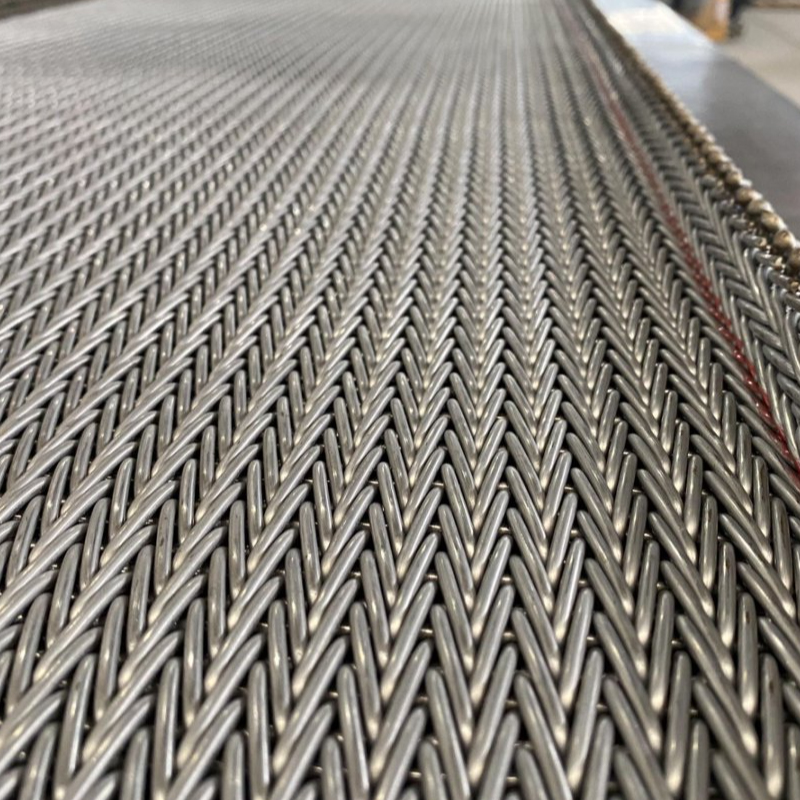
The fastener tempering furnace mesh belt is made of imported 321 or 304 stainles...
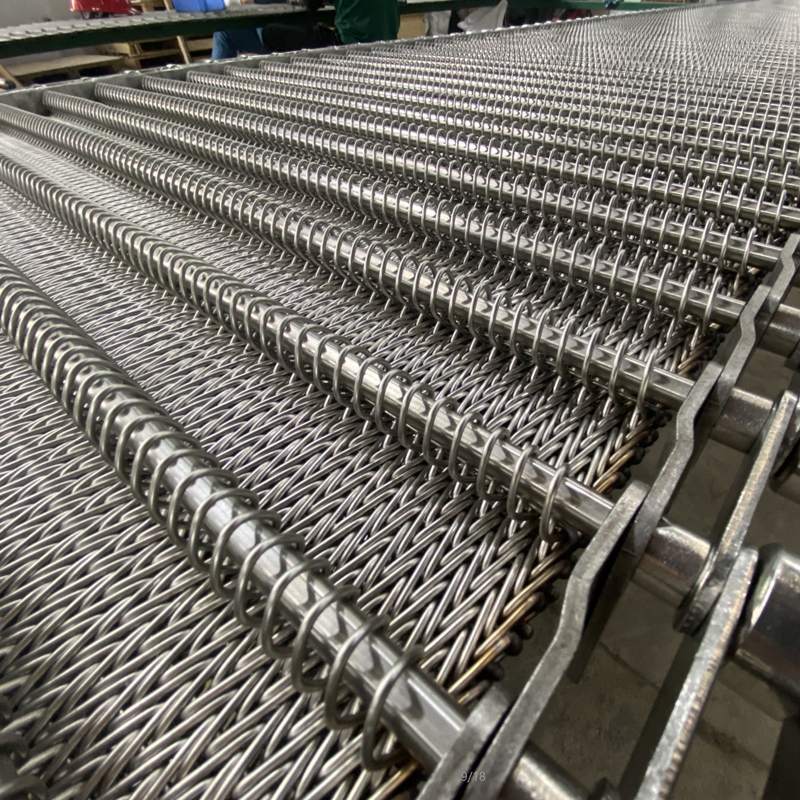
The spring tempering furnace mesh belt is made of imported 321 or 304 stainless ...
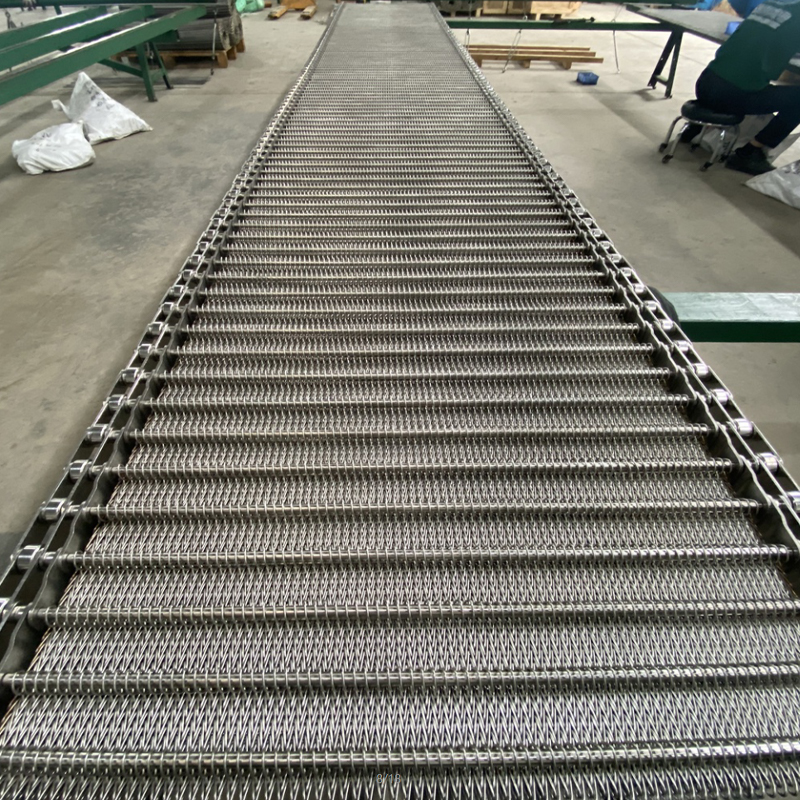
The bearing tempering furnace mesh belt utilizes carefully selected heat-resista...
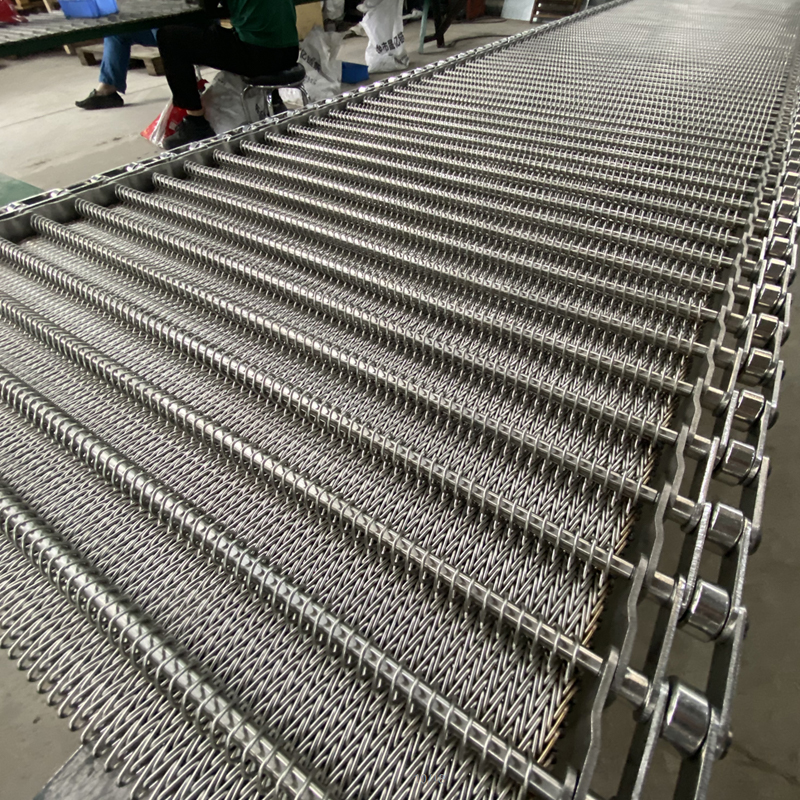
The steel material products normalizing furnace mesh belt is made of imported AI...
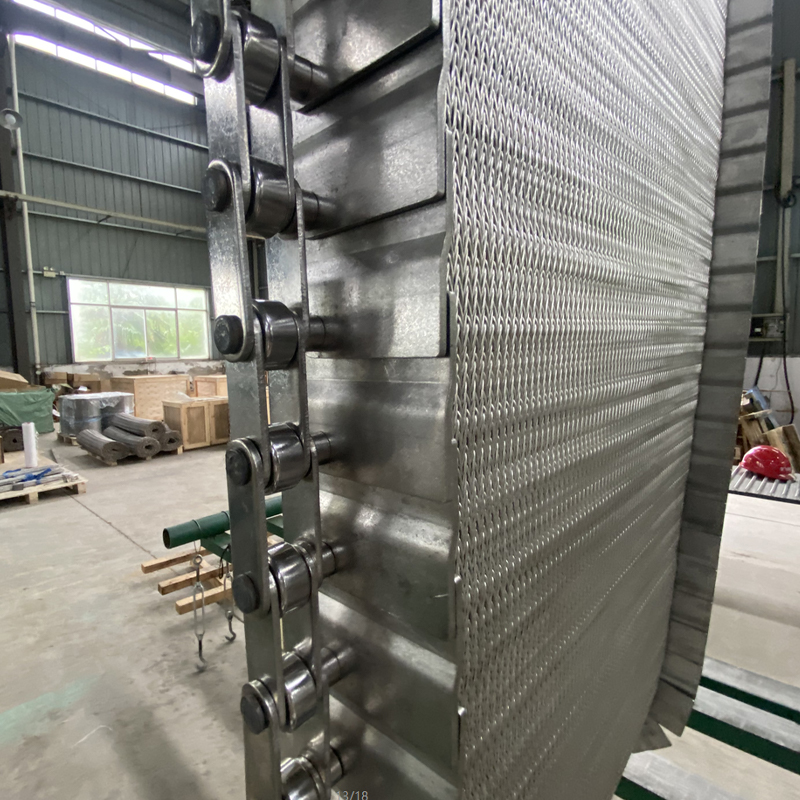
During the normalizing process of automotive components, the mesh belt is requir...
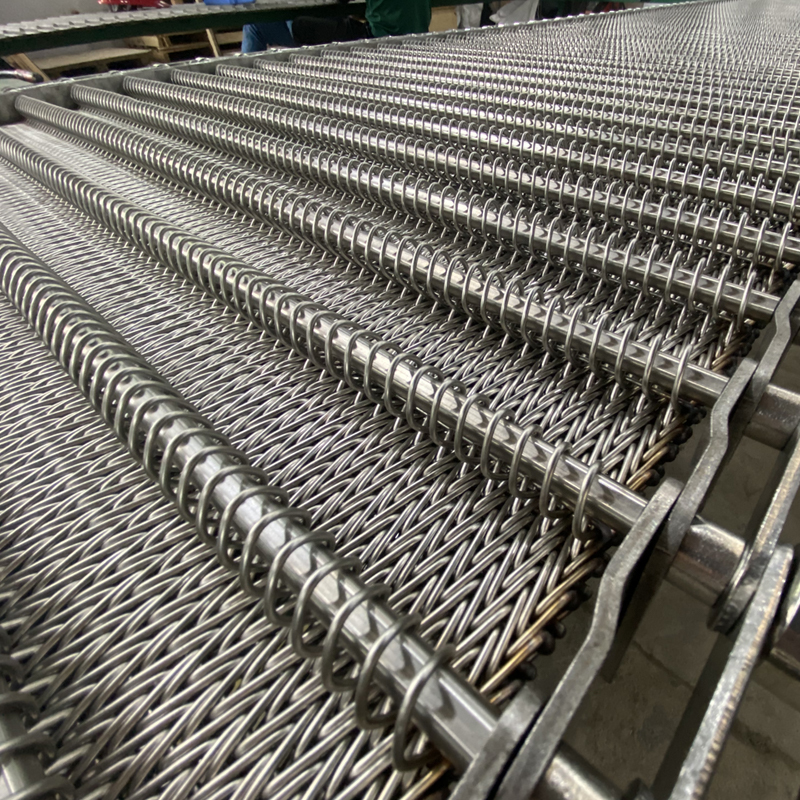
The fastener normalizing furnace mesh belt is made of high-quality imported AISI...
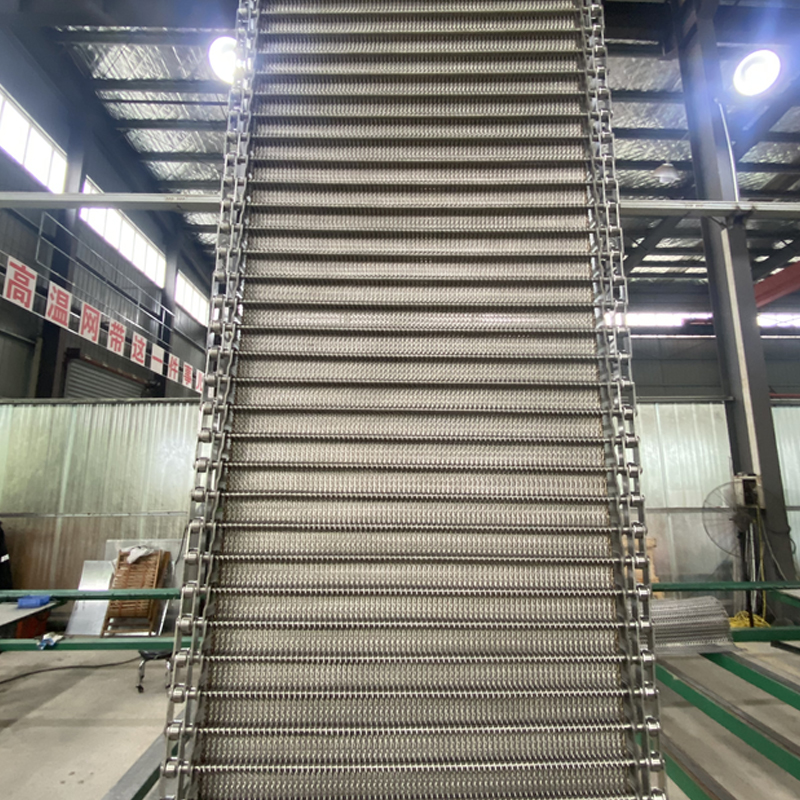
The bearing normalizing furnace mesh belt employs a precision herringbone weavin...
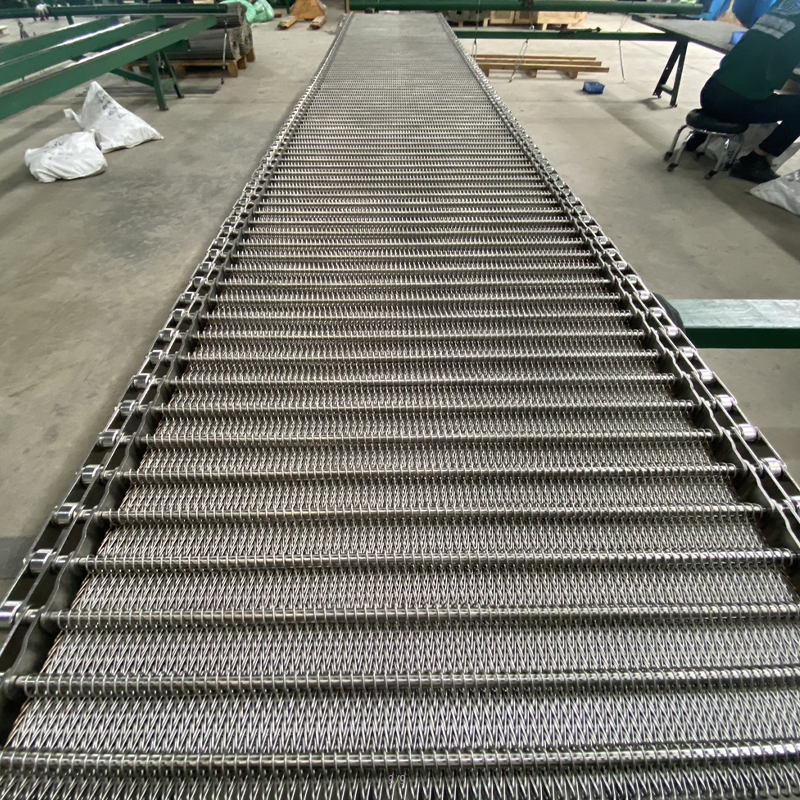
The metal tool normalizing furnace mesh belt is made of imported AISI 314 or 310...
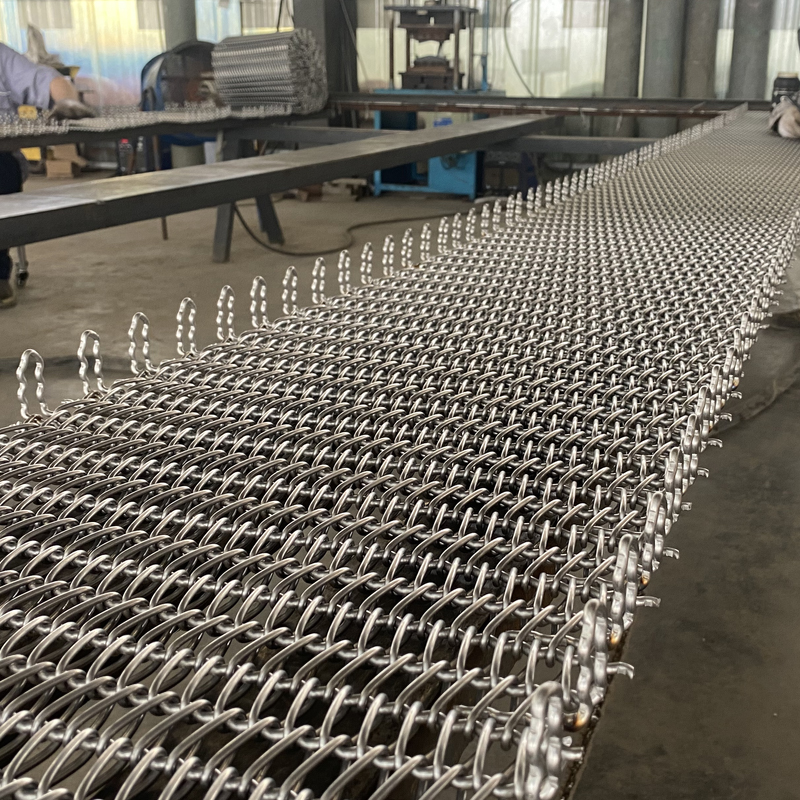
The stainless steel bright furnace mesh belt employs a precise herringbone weavi...
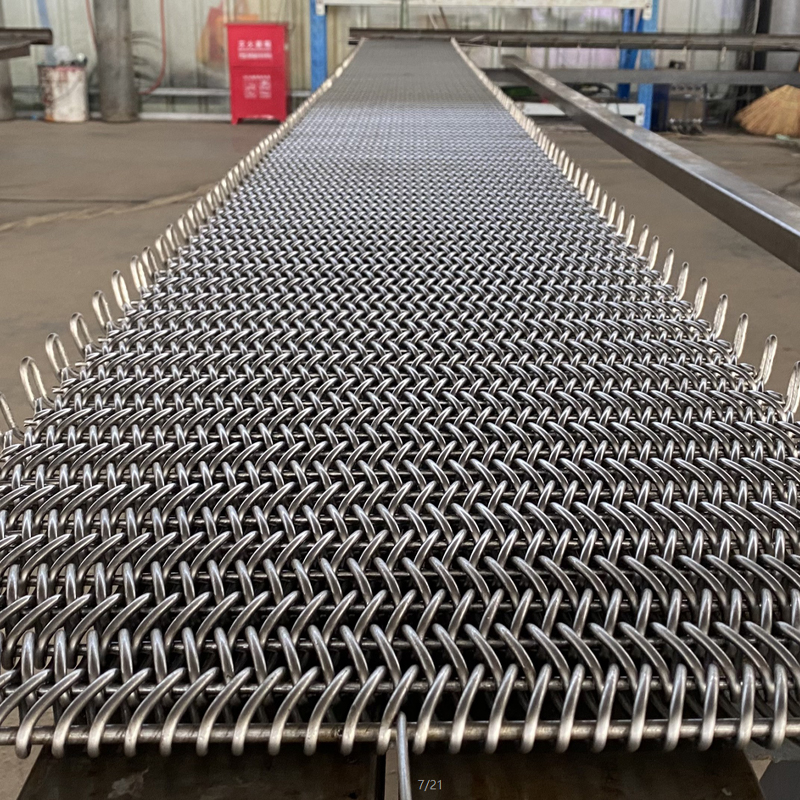
The stainless steel tableware brightening furnace mesh belt is specifically desi...
As China Wire Mesh Conveyor Belt Manufacturers and Metal Mesh Belt Factory,
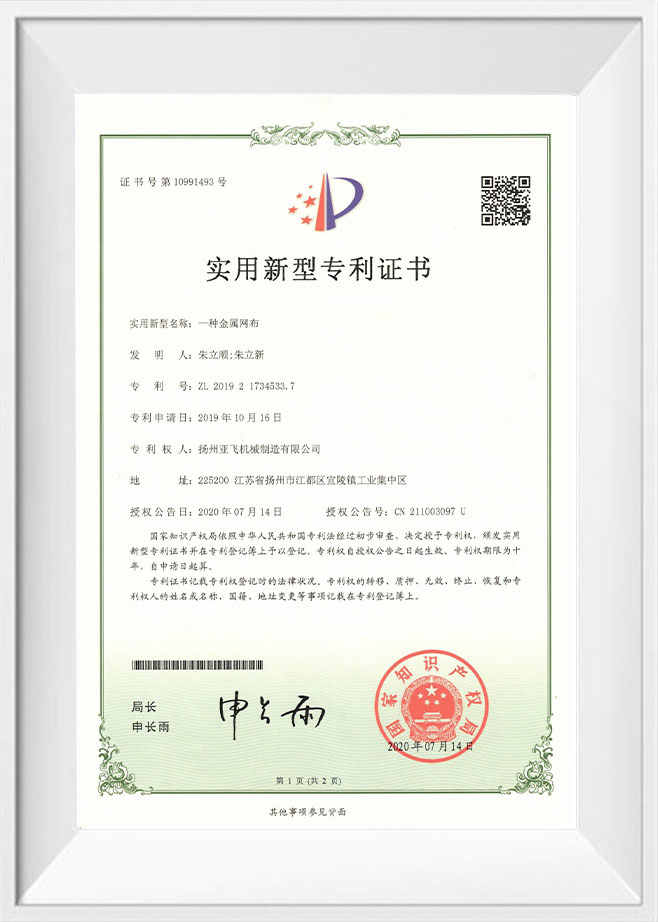
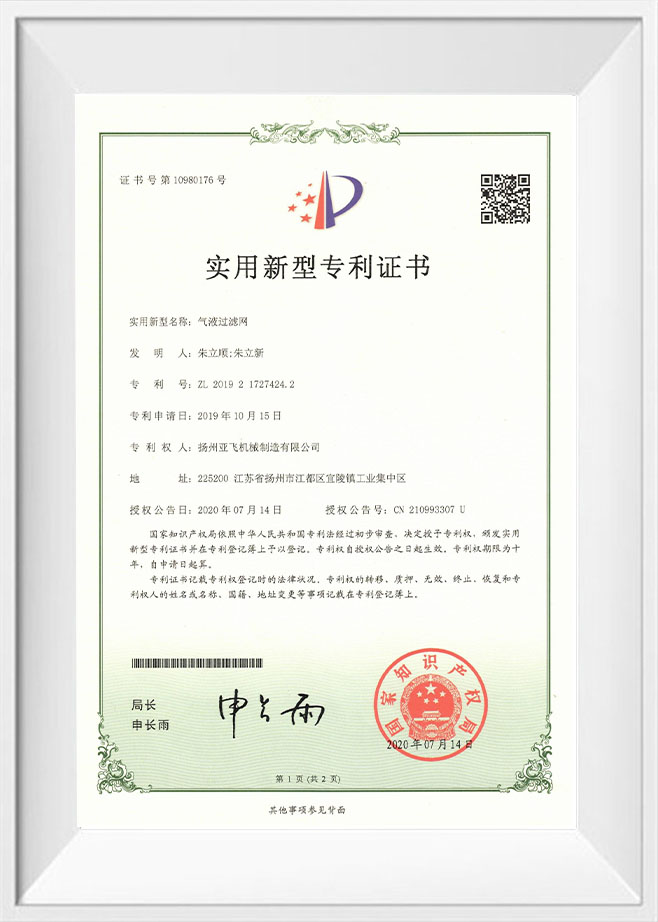
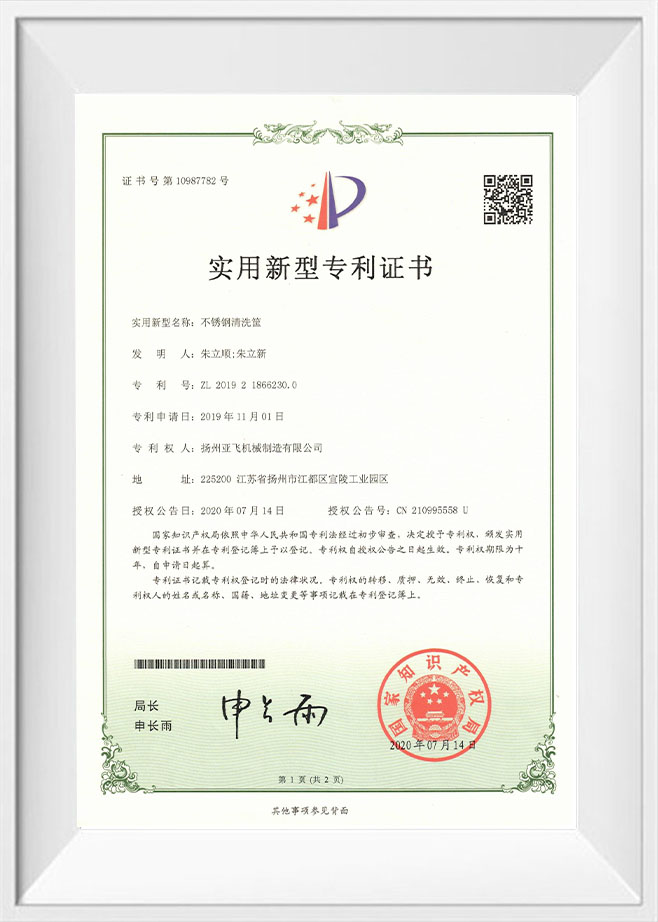
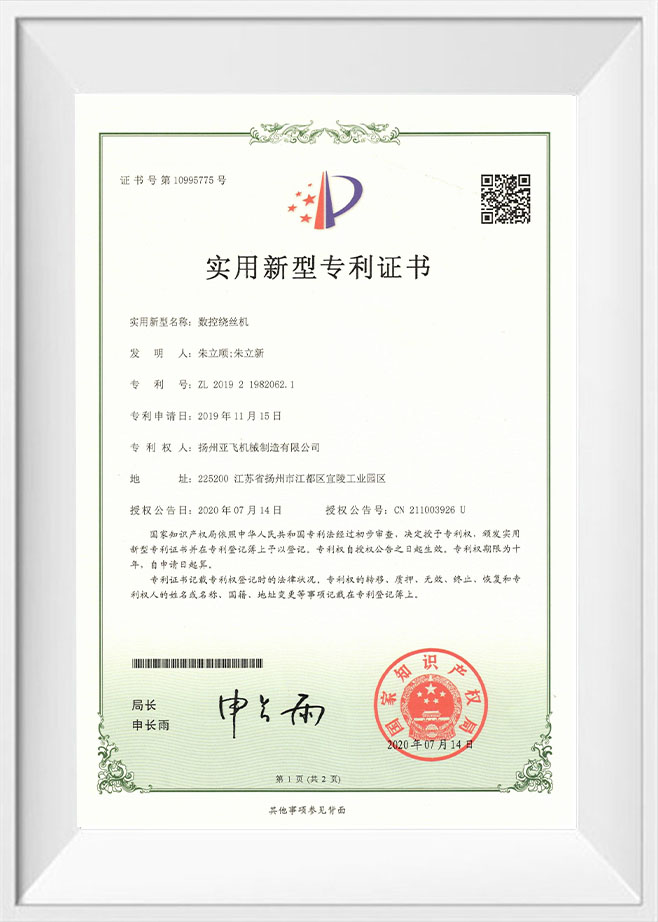
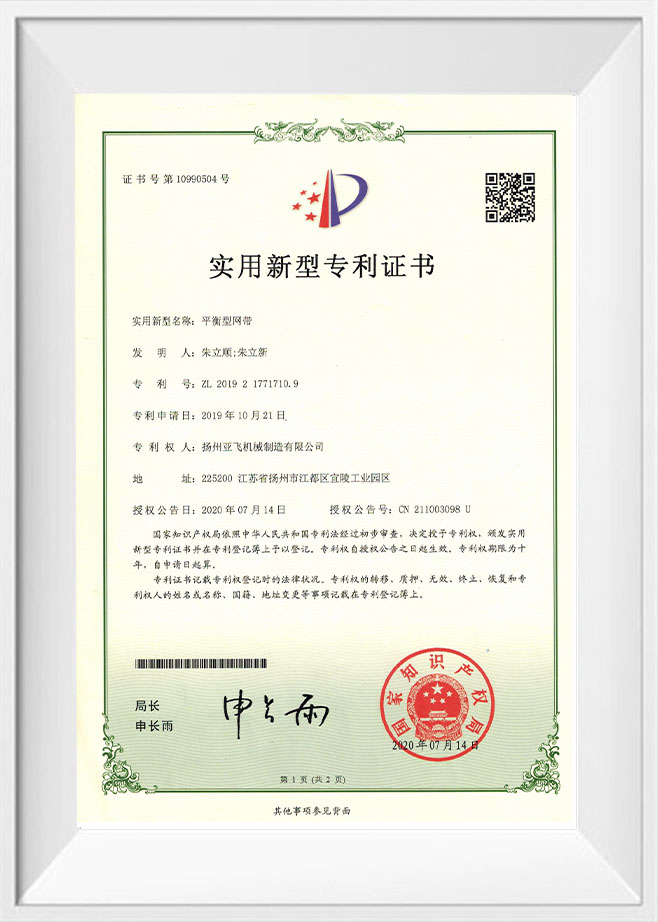
Yangzhou Yafei Machinery Manufacturing Co., Ltd. is a private scientific and technological enterprise in Jiangsu Province, formerly known as Yangzhou Yafei Metal Mesh Belt Factory, located in Yiling Industrial Park in the east of Yangzhou, with R&D, production and processing, office buildings, etc. With independent research and development of scientific and technological projects and equipment processing and manufacturing capabilities.
At present, the company is mainly engaged in: stainless steel mesh belt, conveyor mesh belt, metal mesh belt, stainless steel conveyor belt and related technology research and development, application and promotion.
Metal mesh belts have been used in beer and beverage, food, wood industry, glass, chemical industry, pharmacy, cleaning and spraying, powder metallurgy, new energy, heat treatment, industrial kiln, general conveying machinery and other industries.
Conveying machinery includes: net belt conveyor, hoist, flat top chain conveyor belt, roller conveyor, chain plate conveyor, etc. Widely used in home appliance engineering, automobile engineering, dairy beverage industry, brewing and water treatment and other fields.
A powder metallurgy plant replaced the same furnace belt four times in two years. The alloy on the ...
READ MOREBefore you order another sintering furnace mesh belt, understand one thing: the belt is not a passi...
READ MOREA mesh belt cracks near the edge of a continuous sintering furnace, and the entire line stops for u...
READ MOREA conveyor mesh belt rarely announces its own failure. It distorts, cracks, or begins tracking to o...
READ MOREWhen a hardening furnace mesh belt fails, it usually does it without warning. One shift it is carry...
READ MOREA continuous brazing line stops because the mesh belt has drifted to one side, the edge wires are b...
READ MOREIndustrial processing operations involving powder metallurgy, heat treatment, and new energy material synthesis require stable material transport through ultra-high temperature environments. Machinery operating under these thermal conditions must endure mechanical loads without sustaining critical deformation or metallurgical failure. Yangzhou Yafei Machinery Manufacturing Co., Ltd. develops metal conveyor mesh belt solutions designed to navigate the physical challenges associated with continuous operation at temperatures exceeding eight hundred degrees Celsius. Selecting an appropriate alloy for these specific thermal applications involves analyzing high-temperature creep strength, oxidation resistance, and metallurgical stability over long operational periods.
Different metallic compositions provide varying levels of functionality depending on the peak operating temperature of the industrial kiln. Chromium-nickel iron alloys and specific stainless steel variants are structured to form protective oxide layers that prevent continuous degradation of the underlying metal matrix. Engineering teams evaluate the balance between material cost and operational lifespan when integrating metal mesh belts into general conveying machinery for automated thermal processing lines.
| Material Classification | Primary Composition | Maximum Recommended Temperature | Primary Industrial Application |
|---|---|---|---|
| AISI 314 Stainless Steel | 25% Cr, 20% Ni, 2% Si | 1000°C | Glass annealing, general heat treatment |
| Inconel 601 | 61% Ni, 23% Cr, 1.4% Al | 1150°C | Powder metallurgy, chemical processing |
| Inconel 617 | 52% Ni, 22% Cr, 12% Co, 9% Mo | 1200°C | New energy material sintering, aerospace kilns |
The ability of a metal conveyor mesh belt to survive in an oxidizing furnace atmosphere depends on the formation of a passive surface layer. Chromium present in the alloy reacts with ambient oxygen to produce chromium oxide, which restricts further oxygen penetration into the mesh structure. In environments exceeding one thousand degrees Celsius, standard chromium oxide layers can volatilize, necessitating the use of alloys containing aluminum or silicon to form more stable oxide barriers. Yangzhou Yafei Machinery Manufacturing Co., Ltd. monitors these material behaviors to ensure the conveying belts maintain structural thickness during extended thermal exposure.
Creep refers to the slow, permanent deformation that occurs when metals are subjected to constant mechanical stress at elevated temperatures. In a conveyor net belt conveyor or chain plate conveyor, the belt experiences continuous tension while moving through the heating zones. Alloys with a high nickel content possess an austenitic crystal structure that resists grain boundary sliding and mechanical elongation under thermal loads. Minimizing creep rate prevents the metal mesh belt from stretching or distorting, which would otherwise lead to tracking issues or mechanical interference inside the furnace infrastructure.
The gaseous environment within an industrial kiln alters the degradation rate of the conveyor belt material. Reducing atmospheres, carburizing conditions, and nitriding environments interact differently with specific metal compositions compared to standard air. For example, high-nickel alloys can be susceptible to green rot in specific reducing conditions, whereas high-chromium alloys handle oxidizing environments effectively. Engineering selection must align the chemical properties of the metal conveyor mesh belt with the specific gas components utilized during the thermal process.
| Furnace Atmosphere Type | Chemical Vulnerability | Recommended Belt Material | Operational Consideration |
|---|---|---|---|
| Oxidizing (Air) | General scale scaling | AISI 314 / Inconel 601 | Requires continuous oxide layer maintenance |
| Reducing (Hydrogen/Nitrogen) | Oxide layer reduction | Inconel 600 / High Nickel Alloys | Prevents standard chromium oxide formation |
| Carburizing | Carbon absorption and embrittlement | Incoloy 800HT | Silicon additions help resist carbon penetration |
Conveyor belts in heat treatment applications frequently experience thermal cycling as they move from the hot zone of a furnace into ambient air or cooling chambers. This continuous expansion and contraction generates internal thermal stresses that can lead to micro-cracking at the wire junctions of the metal mesh belt. Materials with lower coefficients of thermal expansion and higher thermal conductivity demonstrate greater resistance to thermal fatigue, reducing the frequency of structural failures during intermittent manufacturing processes.
Determining the optimal material requires a quantitative review of the maximum operating temperature, the total mechanical load per square meter, the belt speed, and the chemical nature of the components being conveyed. For standard glass and ceramic processing below one thousand degrees Celsius, iron-chromium-nickel alloys offer a functional balance of durability and economic viability. When temperatures approach twelve hundred degrees Celsius for specialized powder metallurgy or new energy applications, advanced nickel-base superalloys become necessary to sustain continuous material movement without structural collapse.
The performance of the metal conveyor mesh belt is also dependent on the design of the surrounding conveying machinery, including roller conveyors, flat top chain conveyors, and hoists. Yangzhou Yafei Machinery Manufacturing Co., Ltd. designs these integrated systems to ensure proper tension distribution and tracking alignment, which reduces localized stress concentrations on the mesh belt. Proper synchronization between the driving mechanisms and the thermal material selection supports stable operation and predictable maintenance intervals across diverse industrial fields.
Q: What design modifications allow metal conveyor mesh belts to withstand continuous operation in ultra-high temperature industrial kilns?
A: For high-temperature environments such as heat treatment and powder metallurgy, mesh belts are manufactured using specialized alloys like AISI 314 stainless steel or nickel-chromium superalloys. These materials form a stable, protective oxide layer on the surface that prevents continuous atmospheric degradation. Additionally, the structural weave is engineered to distribute tension evenly, reducing the risk of material creep and elongation under persistent thermal stress.
Q: How do mesh belt conveyors maintain sanitary compliance in dairy, beverage, and food processing lines?
A: In food-grade applications, the conveyor mesh belts are built using high-grade stainless steel which offers exceptional corrosion resistance against acidic ingredients and harsh chemical cleaning agents. The open-mesh structure allows for thorough cleaning and spraying, minimizing material accumulation and bacterial growth, while ensuring efficient drainage during automated washdown procedures.
Q: Can a wire conveyor mesh belt be integrated into automated home appliance and automotive engineering assembly lines?
A: Yes, these belts are highly adaptable for heavy-duty engineering lines. By utilizing robust chain edges or combining the mesh with flat top chain conveyor belts and chain plate conveyors, the system can smoothly transport heavy components like automotive parts or household appliances through various production stages, including wash cycles, drying tunnels, and assembly zones.
Q: What tracking and driving mechanisms prevent a wide net belt conveyor from slipping during heavy-load operations?
A: Slippage and tracking issues are resolved by using positive-drive mechanisms, such as matching sprockets that engage directly with the chain edges or precise roller conveyor integrations. Yangzhou Yafei Machinery Manufacturing Co., Ltd. designs these integrated configurations to ensure that the belt maintains strict alignment and balanced tension, even when handling heavy bulk materials or operating under steep inclines via a hoist system.
Q: Why is a metal conveyor mesh belt preferred over synthetic or rubber belts in new energy and chemical processing plants?
A: Metal mesh belts provide superior chemical stability, thermal resistance, and structural rigidity that synthetic alternatives cannot match. In new energy sectors and chemical plants, the belts must endure aggressive chemical exposures and extreme temperature fluctuations without melting, outgassing, or stretching, thereby ensuring a predictable and pollution-free conveying process.
Get A Free Consultation Now
Get A Customized Solution
The company adheres to the concept of creating value for customers and prosperity for society, aiming to build a reliable mesh belt brand and establish the century-old Yafei brand.
CONTACT INFORMATION

Yiling Industrial Park, Jiangdu District, Yangzhou City, Jiangsu Province, China

+86 13852191798
PRODUCT CATEGORIES
QUICK LINKS
MOBILE
 OEM/ODM Metal/Wire Conveyor Mesh Belt Manufacturers
