

 English
 русский
 عربى
عربىFastener tempering furnace mesh belt
The fastener tempering furnace mesh belt is made of imported 321 or 304 stainles...
 +86 13852191798
Yangzhou Yafei Machinery Manufacturing Co., Ltd.

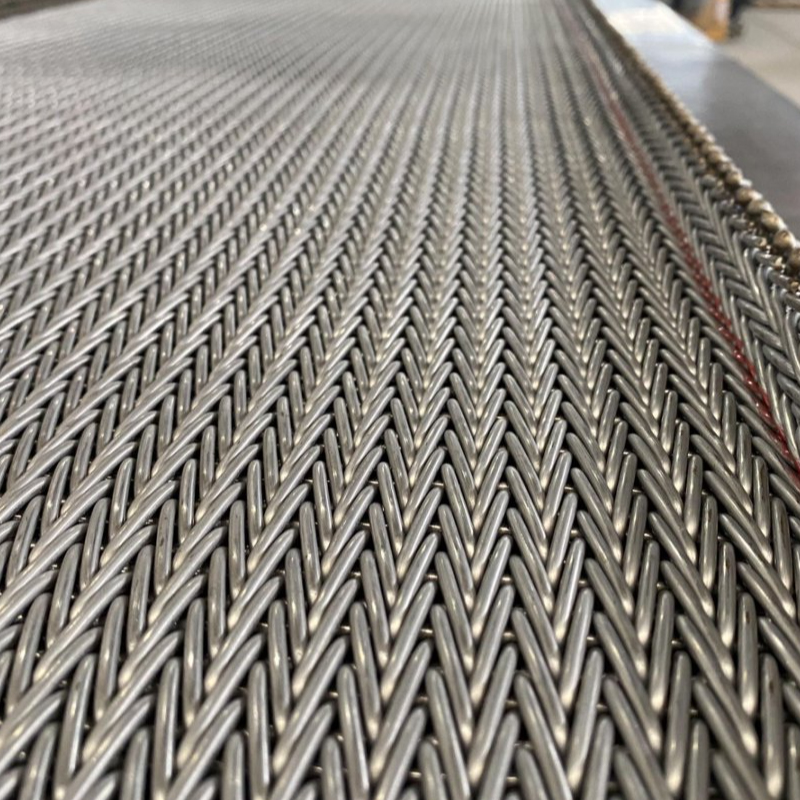
The fastener tempering furnace mesh belt is made of imported 321 or 304 stainles...
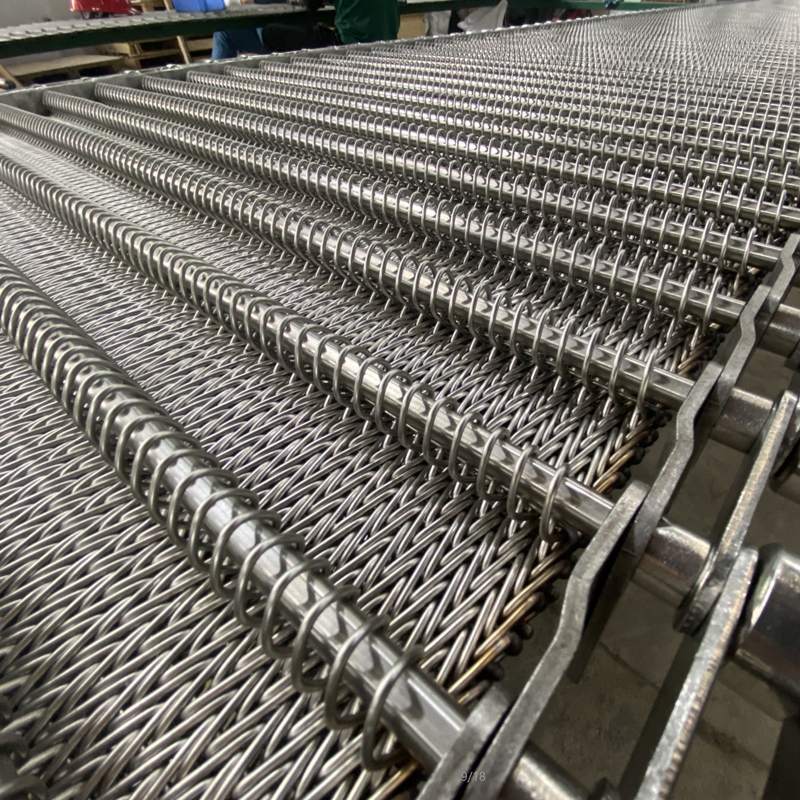
The spring tempering furnace mesh belt is made of imported 321 or 304 stainless ...
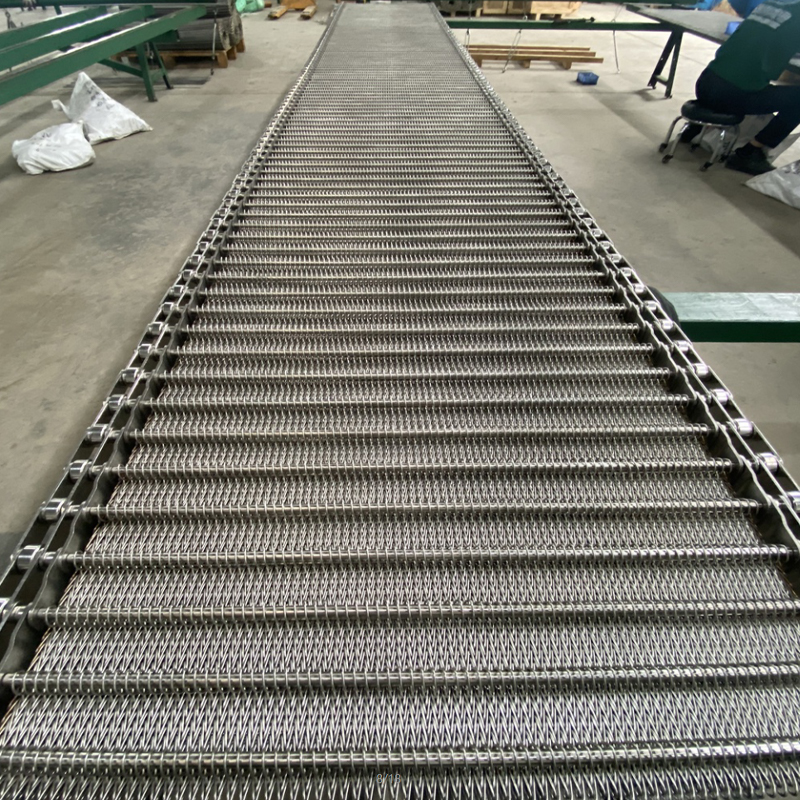
The bearing tempering furnace mesh belt utilizes carefully selected heat-resista...
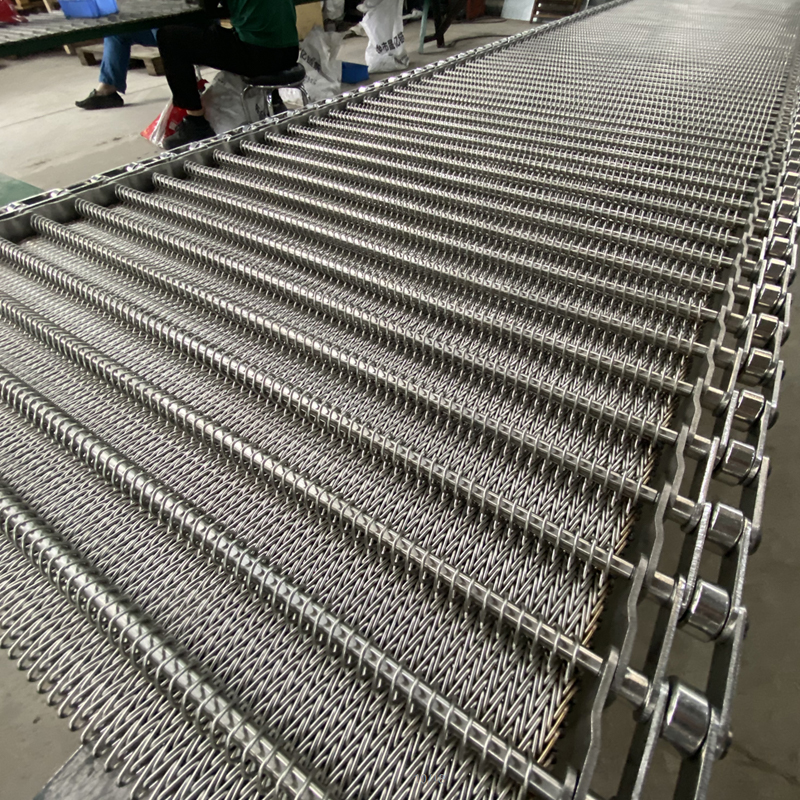
The steel material products normalizing furnace mesh belt is made of imported AI...
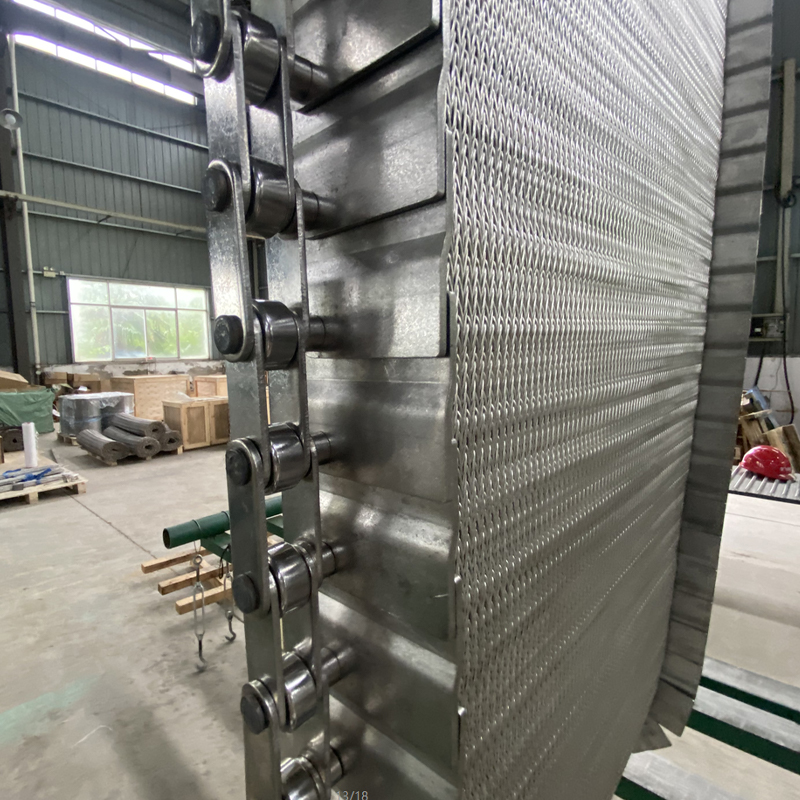
During the normalizing process of automotive components, the mesh belt is requir...
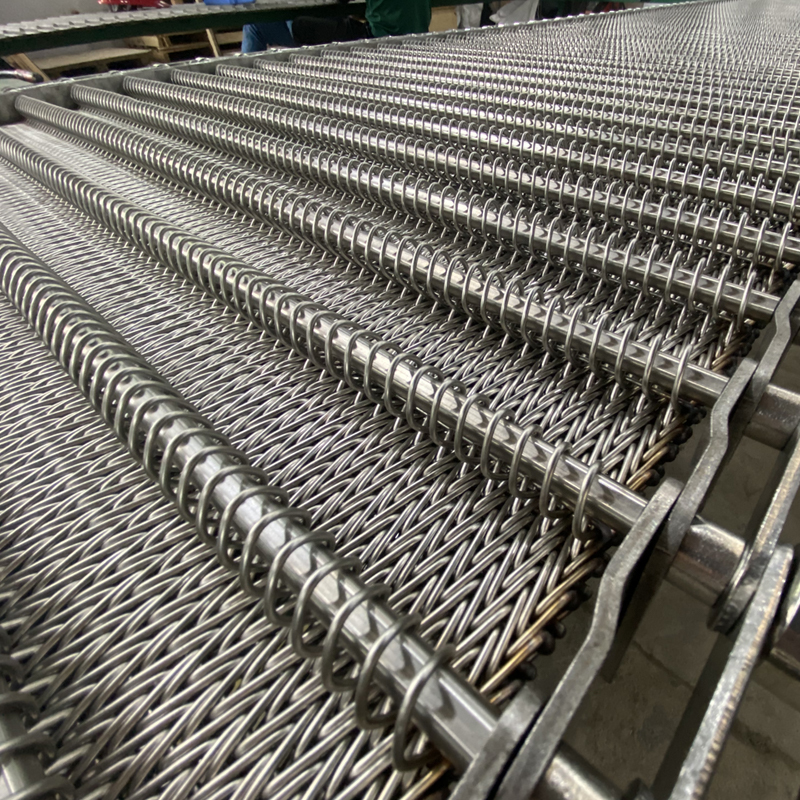
The fastener normalizing furnace mesh belt is made of high-quality imported AISI...
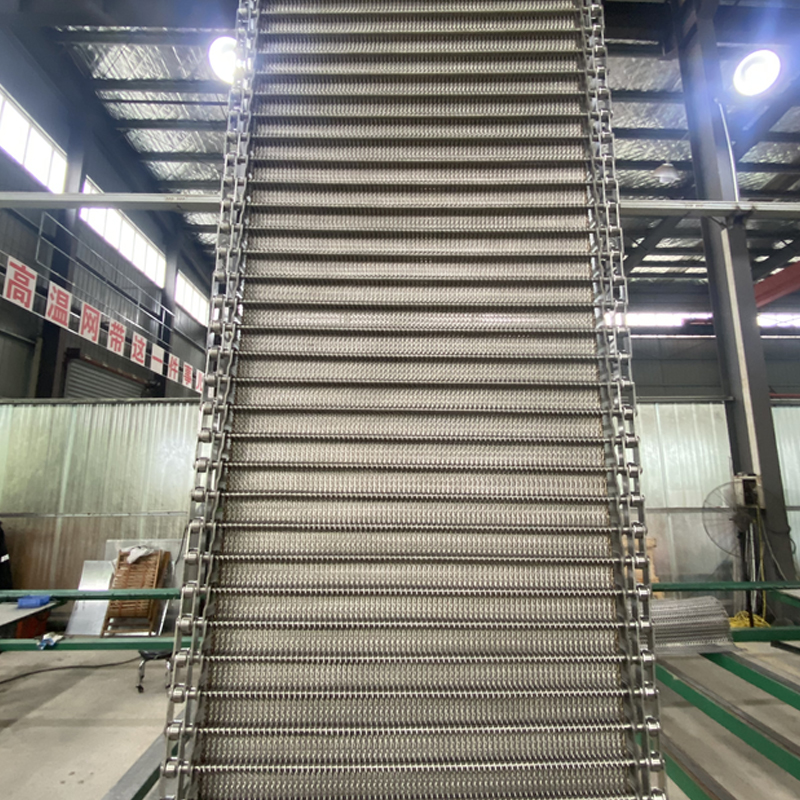
The bearing normalizing furnace mesh belt employs a precision herringbone weavin...
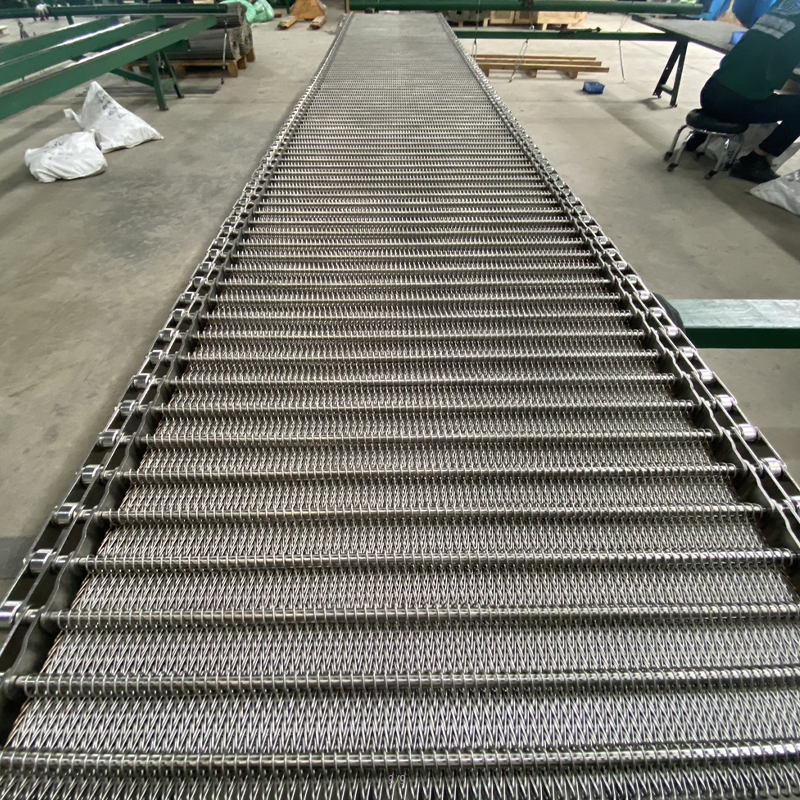
The metal tool normalizing furnace mesh belt is made of imported AISI 314 or 310...
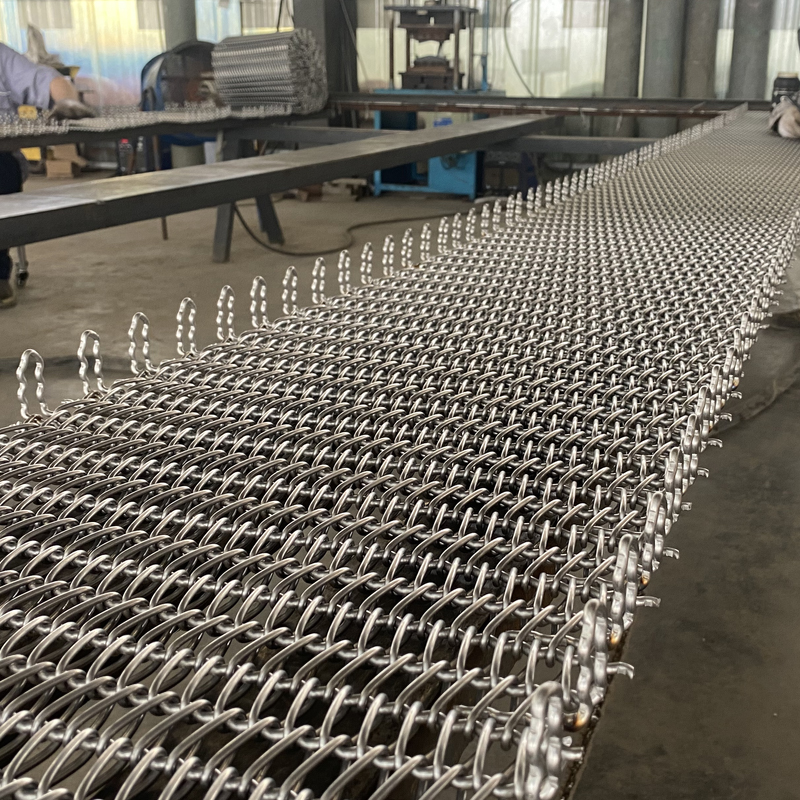
The stainless steel bright furnace mesh belt employs a precise herringbone weavi...
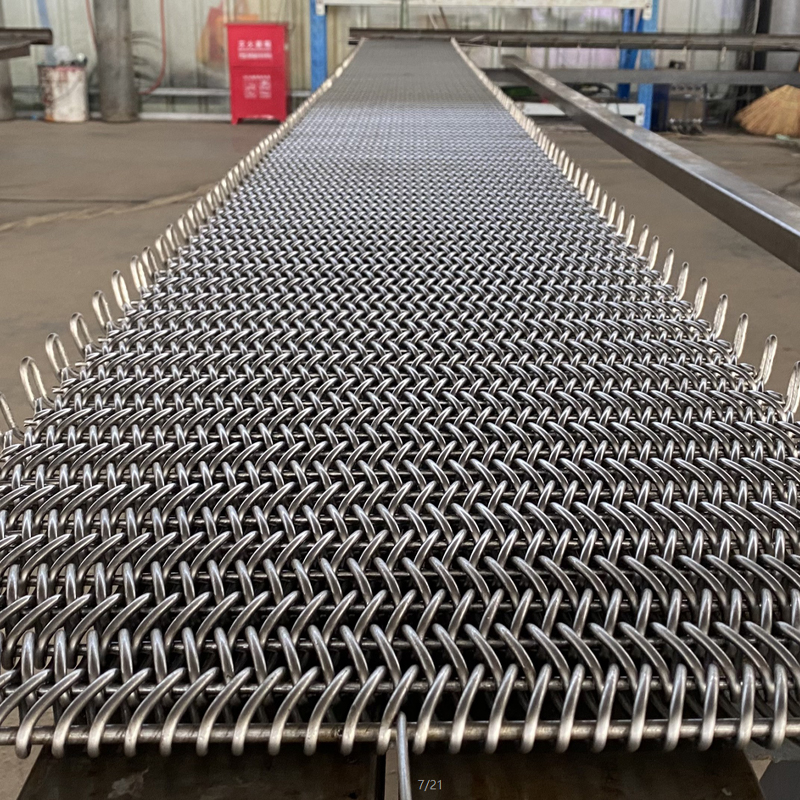
The stainless steel tableware brightening furnace mesh belt is specifically desi...
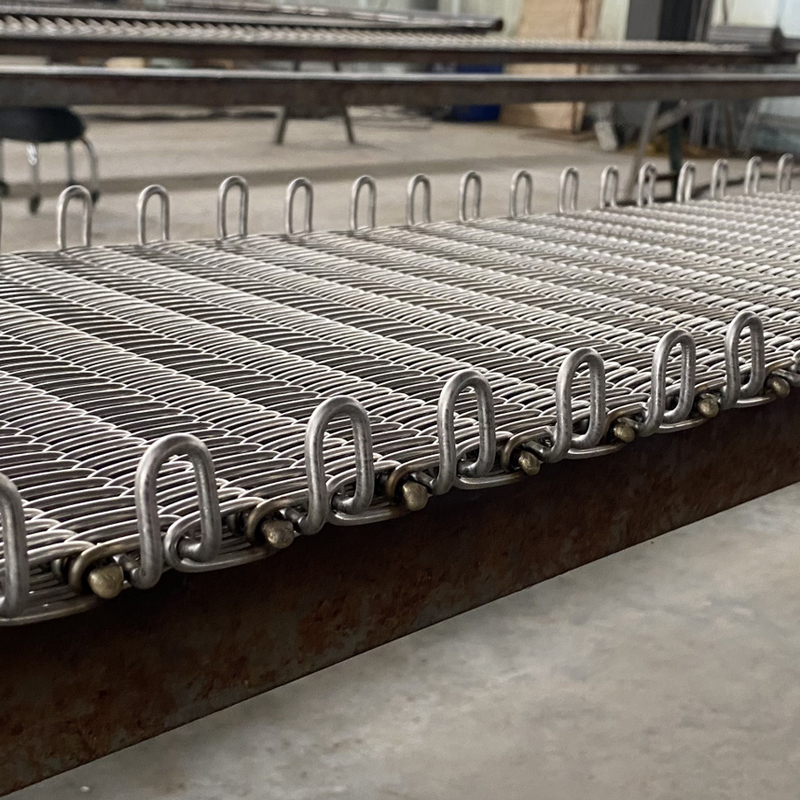
The stainless steel cup bright annealing furnace mesh belt is made of imported A...
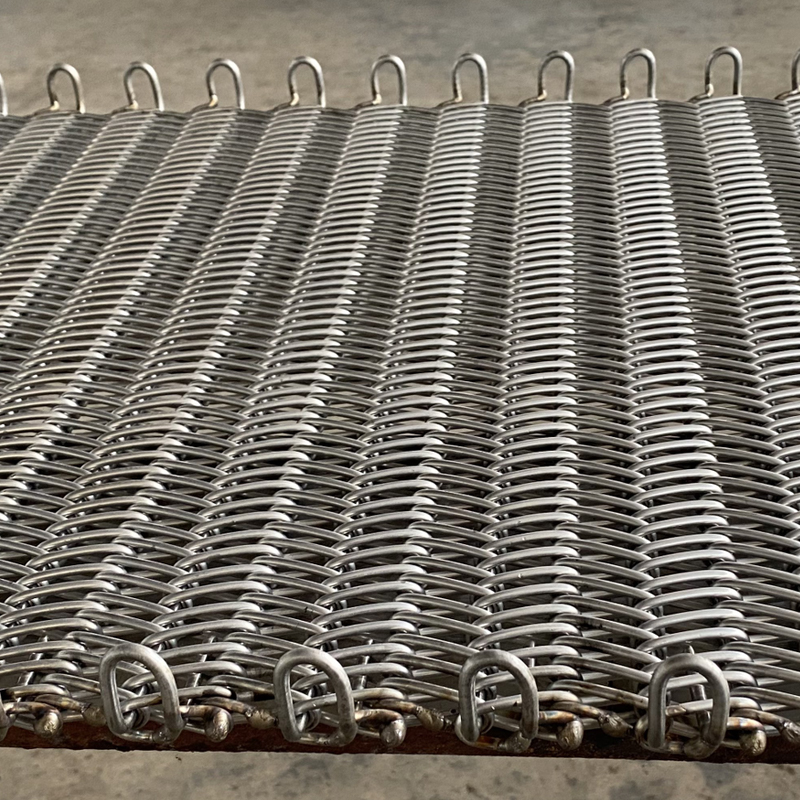
In kitchenware manufacturing, bright annealing is a key process aimed at enhanci...
Heat treatment mesh belts are high-temperature conveyor belts used in metal heat treatment equipment, primarily in quenching furnaces, normalizing furnaces, tempering furnaces, and in processes such as lifting and cleaning. Their primary function is to ensure continuous material conveyance and uniform heating during the heat treatment process, thereby ensuring stable treatment results at different workpiece temperature stages. Depending on the equipment type and process requirements, heat treatment mesh belts typically utilize either a herringbone or chain-type construction. Herringbone-type mesh belts offer superior load-bearing capacity and tensile strength. Their edges are often welded, and depending on the material characteristics, they can be equipped with hems or baffles to prevent small workpieces from slipping or becoming misaligned during conveyance. Some customers also opt for a balanced construction for smoother conveying when handling smaller particles. Chain-type heat treatment mesh belts are primarily used in lifting and cleaning processes. They offer a stable structure, smooth operation, and adaptability to various drive pitches and equipment sizes. Specific parameters typically require confirmation and coordination based on customer equipment requirements.
As China Heat Treatment Mesh Belt Factory and High-Temperature Resistant Mesh Belt Manufacturers,
Yangzhou Yafei Machinery Manufacturing Co., Ltd. is a private scientific and technological enterprise in Jiangsu Province, formerly known as Yangzhou Yafei Metal Mesh Belt Factory, located in Yiling Industrial Park in the east of Yangzhou, with R&D, production and processing, office buildings, etc. With independent research and development of scientific and technological projects and equipment processing and manufacturing capabilities.
At present, the company is mainly engaged in: stainless steel mesh belt, conveyor mesh belt, metal mesh belt, stainless steel conveyor belt and related technology research and development, application and promotion.
Metal mesh belts have been used in beer and beverage, food, wood industry, glass, chemical industry, pharmacy, cleaning and spraying, powder metallurgy, new energy, heat treatment, industrial kiln, general conveying machinery and other industries.
Conveying machinery includes: net belt conveyor, hoist, flat top chain conveyor belt, roller conveyor, chain plate conveyor, etc. Widely used in home appliance engineering, automobile engineering, dairy beverage industry, brewing and water treatment and other fields.
A conveyor mesh belt rarely announces its own failure. It distorts, cracks, or begins tracking to one side, and a continuous furnace or production line stops the moment it does. That makes belt selection more than a spare-part purchase; it...
READ MOREWhen a hardening furnace mesh belt fails, it usually does it without warning. One shift it is carrying bearing races through the high-temperature zone; the next, a torn edge catches on the return track and the whole line stops. Most of the...
READ MOREA continuous brazing line stops because the mesh belt has drifted to one side, the edge wires are broken, and the stainless steel parts grouping together on the belt are no longer aligned. It is a familiar scenario for maintenance teams: t...
READ MOREA photovoltaic panel recycling line runs at the speed of its weakest component, and in a continuous pyrolysis furnace, that component is often the mesh belt. The belt carries end-of-life panels through a thermal decomposition zone where EV...
READ MOREThe engineering of a heat treatment mesh belt must account for complex thermodynamic factors that are unique to continuous belt furnaces. When a cold workpiece is placed onto a heated conveyor, a localized thermal gradient is established. If the mesh belt possesses too much thermal mass, it will absorb a significant portion of the heat energy, creating cold spots on the underside of the workpiece. This uneven heat distribution can cause incomplete phase transformations in steel, leading to soft spots or localized brittleness. To prevent this, professional mesh belts utilize optimized open-area designs that allow radiant heat and circulating gases to pass freely around the workpieces. This permeability ensures that the entire surface of the metal part is exposed to the same ambient temperature, resulting in highly uniform heating and predictable structural properties.
The physical construction of the belt is tailored to match specific furnace atmospheres and temperature zones. In many advanced heat treatment facilities, protective gas atmospheres, such as nitrogen, hydrogen, or endothermic gas mixtures, are used to prevent decarburization and surface oxidation of the steel. The material of the heat treatment mesh belt must be chemically compatible with these atmospheres at temperatures often exceeding one thousand degrees Celsius. Typical alloys include high-nickel-chromium steels and specialized heat-resistant alloys that form a thin, protective oxide layer on the wire surface. This oxide scale resists further chemical attack and prevents carbon deposition, which could otherwise lead to embrittlement and premature failure of the wire joints.
Yangzhou Yafei Machinery Manufacturing Co., Ltd. applies its independent research and development capabilities to study these high-temperature chemical reactions. The company's main products, which include stainless steel mesh belts, conveyor mesh belts, metal mesh belts, and stainless steel conveyor belts, are manufactured using premium metallurgical materials that undergo rigorous testing for creep resistance and oxidation stability. By selecting the correct wire alloy for each specific furnace environment, the factory ensures that the mesh belt remains structurally stable and free from intergranular corrosion over thousands of heating cycles, allowing global customers to maintain continuous, trouble-free production.
Depending on the mechanical configuration of the heat treatment equipment and the weight of the parts being processed, engineering teams must choose between different structural designs. The herringbone-type construction is widely favored for heavy-duty applications due to its dense, interlocked pattern. This weave offers superior load-bearing capacity and tensile strength, making it ideal for carrying dense loads of fasteners, gears, and engine parts through high-temperature zones. Because the spirals are tightly woven, the herringbone pattern provides a very flat and continuous surface. This flatness prevents small workpieces from slipping, tipping over, or becoming misaligned during conveyance. To enhance safety and containment, the edges of these belts are typically welded, and they can be equipped with protective side plates, hems, or baffles to secure the materials.
The chain-type construction is primarily utilized in auxiliary stages such as lifting, cleaning, and spraying. This design features lateral rods that are connected to drive chains on both sides, ensuring a positive, mechanical drive that is not dependent on friction rollers. Chain-type heat treatment mesh belts offer an exceptionally stable structure, smooth operation, and adaptability to various drive pitches and equipment sizes. This makes them highly suitable for washing lines where workpieces are sprayed with corrosive chemical solvents or high-pressure water to remove oils before entering the hardening furnace. The chain drive prevents belt slippage in wet or lubricated environments, ensuring a constant, reliable material flow.
To assist procurement managers in choosing the correct configuration for their thermal processing lines, the following table provides a comparative analysis of the primary structural configurations of metal conveyor belts.
|
Conveyor Belt Structural Configuration |
Tensile Strength and Load Capacity |
Open-Area Permeability |
Slip Resistance in Wet Conditions |
Primary Process Suitability |
|---|---|---|---|---|
|
Herringbone Weave Design |
Very High for dense loads |
Low to Moderate |
Moderate |
High-temperature hardening and tempering of small parts |
|
Chain-Driven Mesh System |
Moderate to High |
High |
Exceptional due to positive drive |
Washing, lifting, preheating, and quenching in oil baths |
|
Balanced Weave Structure |
Moderate for general conveying |
High |
Standard friction drive |
Powder metallurgy sintering and lightweight parts conveying |
|
Chain Plate Conveying Belt |
Extremely High for heavy parts |
None |
High |
Transporting heavy automotive castings and raw forgings |
By analyzing these characteristics, engineers can select the structure that minimizes mechanical strain and maximizes thermal efficiency. For example, some facilities choose a balanced construction for smoother conveying when handling small particles, while others require heavy chain-driven systems for deep oil-quench tanks where rapid lifting is required.
The longevity of a heat treatment mesh belt operating at elevated temperatures is determined by its resistance to thermal fatigue and creep. Creep is the slow, progressive plastic deformation that occurs when a metal is subjected to constant mechanical stress at high temperatures. In a continuous belt furnace, the conveyor belt is under constant tension from the drive rollers and the weight of the workpieces. Over time, this tension causes the woven wires to stretch, leading to tracking errors, edge distortion, and eventual tearing. To mitigate this phenomenon, manufacturers must select alloys with high creep strength, such as specialized nickel-chromium-silicon steels or cobalt-based superalloys. These materials maintain their crystalline stability under mechanical load, extending the operational life of the conveyor.
Thermal fatigue is another critical challenge, particularly in furnaces that undergo rapid cooling cycles. When a mesh belt moves from a high-temperature holding zone directly into a quenching medium, it undergoes rapid contraction. This thermal shock creates immense internal stresses within the welded joints and wire bends. If the welding quality is subpar, these stresses will quickly lead to micro-cracking and catastrophic belt failure. To prevent this, advanced production facilities utilize precision welding techniques, such as resistance welding and plasma arc welding, to ensure that the weld points possess the same physical and chemical properties as the parent wire material. This uniformity allows the belt to expand and contract evenly, preventing localized stress concentrations.
Yangzhou Yafei Machinery Manufacturing Co., Ltd. utilizes advanced foreign equipment and precise testing procedures to guarantee the structural integrity of every weld joint. Located in the east of Yangzhou within the Camel Electromechanical Park vicinity, the factory’s R&D department continuously investigates new metallurgical formulations and wire geometries. This research allows the company to manufacture metal mesh belts that exhibit minimal thermal deformation under continuous heat treatment. In addition to heat treatment, these durable belts are widely used in beer and beverage packaging, food baking, wood processing, glass annealing, chemical reactions, pharmaceuticals, spraying lines, powder metallurgy, new energy, and general conveying machinery, proving their versatility across diverse industrial sectors.
In modern automated factories, the heat treatment mesh belt must work in perfect synchronization with upstream and downstream material handling equipment. This integration is essential for maintaining a continuous, lean manufacturing flow and reducing labor costs. The conveying machinery manufactured by the company, including net belt conveyors, hoists, flat top chain conveyor belts, roller conveyors, and chain plate conveyors, is designed to interface seamlessly with automated furnace loaders, robotic arms, and parts sorting systems. This compatibility is widely utilized in home appliance engineering, automobile engineering, the dairy beverage industry, brewing, and water treatment fields.
For instance, in automotive component manufacturing, forged parts must be cleaned, preheated, hardened, quenched, tempered, and cooled in a continuous, automated sequence. A hoist conveyor lifts the greasy parts into a washing machine equipped with a chain-type belt. After cleaning, the parts are transferred to a balanced or herringbone-type heat treatment mesh belt that carries them through the controlled atmosphere of the hardening furnace. The parts are then dropped into an oil quench tank and removed by another chain-driven lifting conveyor. Finally, they pass through a tempering furnace on a specialized mesh belt to relieve internal stresses. Every conveyor in this sequence must be engineered to handle the specific thermal and chemical conditions of its respective station, emphasizing the importance of sourcing from a manufacturer with a complete product portfolio.
By offering a comprehensive selection of both metal mesh belts and conveying machinery, Yangzhou Yafei Machinery Manufacturing Co., Ltd. provides global buyers with a single, highly accountable source for all their material handling needs. This integrated manufacturing capability reduces design conflicts, shortens project lead times, and ensures that the entire heat treatment line operates at peak efficiency with minimal downtime.
To protect the investment in a high-temperature conveyor belt, engineering teams must implement proper maintenance and tracking protocols. Belt tracking, or the ability of the belt to run straight along the center of the conveyor frame, is one of the most critical aspects of mesh belt operation. In high-temperature furnaces, the expansion of the metal can cause the conveyor frame to shift slightly, leading to tracking drift. If the belt drifts to one side, its edges will rub against the furnace wall, causing rapid wear, deformation, and eventual tearing. To prevent this, continuous furnaces must be equipped with automatic pneumatic or mechanical tracking systems that adjust the angle of the tension rollers in real time.
Regular inspection of the wire joints and welds is also essential for preventing unexpected belt failures. Over time, the constant exposure to carbon-rich furnace atmospheres can cause carburization, making the outer layer of the wire brittle. Technicians should inspect the belt for signs of cracking, wire thinning, or excessive stretching during scheduled maintenance intervals. By identifying and repairing damaged sections early, operators can avoid catastrophic breakages that would require the furnace to be shut down and cooled, which is an exceptionally costly process in terms of both energy consumption and lost production capacity.
The engineering team at the Yangzhou facility provides detailed technical guidance and support to assist customers in optimizing their maintenance routines. By sharing their extensive experience in high-temperature conveying, they help global factories maximize the lifespan of their heat treatment mesh belt systems, ensuring stable heat treatment results and a lower total cost of ownership over the lifetime of the equipment.
The following section provides highly detailed and technically rigorous answers to the most common questions raised by procurement directors, plant managers, and engineering teams when sourcing and operating high-temperature conveyor systems.
The distinction between herringbone-type and chain-type heat treatment mesh belts lies in their geometric weave and mechanical drive mechanisms, which directly influence their load-bearing capacity and process suitability. Herringbone-type mesh belts are characterized by a dense, closely woven pattern where left-hand and right-hand spirals are tightly interlocked with straight cross rods. This compact weave provides an exceptionally flat, continuous, and stable supporting surface with high tensile strength and load-bearing capacity. These features make the herringbone construction ideal for transporting small, dense, or heavy workpieces, such as automotive fasteners, gears, and bearing components, through high-temperature hardening and tempering furnaces where surface flatness prevents part tipping or misalignment. In contrast, chain-type mesh belts incorporate lateral drive chains on both edges, connected by thick cross rods that pass through the woven wire mesh. This design relies on a positive, mechanical drive from sprockets rather than friction rollers, making it highly resistant to slippage. Consequently, chain-type belts are primarily applied in process stages involving fluids, such as lifting workpieces out of quenching oil tanks, washing stages, and spray cleaning systems, where lubricants or water would cause standard friction-driven belts to slip and lose tracking.
When conveying small or irregular workpieces through continuous furnaces, preventing material loss, slippage, and mechanical jams is critical for maintaining process continuity. A professional Heat Treatment Mesh Belt Manufacturer addresses this challenge by customizing the edge finishes and conveying surface of the belt. Welded edges are a standard feature that involves fusing the ends of the spiral wires and cross rods together using precision welding equipment. This prevents the edges of the belt from unraveling under tension and ensures a smooth, snag-free profile. For applications involving small parts or inclined conveying, the belt can be equipped with protective hems or high-temperature vertical baffles. Side plates or hems act as continuous lateral barriers that prevent small workpieces from sliding off the edges of the belt into the internal tracking mechanisms of the furnace, which could cause catastrophic mechanical jams. Vertical baffles, or flights, are integrated across the width of the belt to divide the conveying surface into distinct pockets, preventing parts from rolling or sliding backward during inclined lifting or rapid acceleration phases, thereby ensuring a controlled and uniform transport rate.
Operating conveyor belts in extreme temperature environments requires a deep understanding of metallurgy, specifically regarding creep resistance, oxidation stability, and atmospheric compatibility. At temperatures above nine hundred degrees Celsius, standard carbon steels and low-alloy steels lose their mechanical strength and undergo rapid oxidation, leading to structural collapse. Therefore, heat treatment mesh belts must be constructed from high-performance austenitic stainless steels or nickel-chromium superalloys. Chromium is a vital alloying element because it reacts with oxygen to form a thin, protective chromia scale on the wire surface, which prevents deeper oxidation. Nickel is equally critical as it stabilizes the ductile austenite crystalline structure at high temperatures, improving the belt's resistance to mechanical creep and thermal fatigue. In carbon-rich or carburizing atmospheres, such as those used in case hardening, silicon-containing alloys are preferred because silicon reduces the rate of carbon absorption into the metal, preventing the embrittlement known as metal dusting. Sourcing from a specialized manufacturer ensures that the precise metallurgical composition is selected to match the unique chemical and thermal profile of the customer’s furnace, extending the service life of the belt.
While heat treatment is a primary application, the high-performance metal conveyor belts and advanced conveying machinery manufactured by Yangzhou Yafei Machinery Manufacturing Co., Ltd. are widely adopted across a vast range of global industries. In the beer and beverage sector, as well as the dairy beverage and brewing industries, stainless steel mesh belts and flat top chain conveyors are used to transport glass bottles, aluminum cans, and cartons through washing, pasteurizing, filling, and packaging lines. In the food industry, these belts are essential for continuous baking ovens, freezing tunnels, and drying processes where hygiene and temperature resistance are paramount. The glass and wood processing industries utilize metal mesh belts to convey hot glass sheets and wood fibers through annealing and pressing systems. In addition, chemical and pharmaceutical manufacturing lines rely on these corrosion-resistant belts for material drying, washing, and spraying operations. The rapid growth of the new energy sector, including solar cell manufacturing and lithium-ion battery processing, has also increased the demand for precision-engineered sintering and pyrolysis mesh belts, demonstrating the universal utility of these versatile conveyor systems in modern industrial automation.
Get A Free Consultation Now
Get A Customized Solution
The company adheres to the concept of creating value for customers and prosperity for society, aiming to build a reliable mesh belt brand and establish the century-old Yafei brand.
CONTACT INFORMATION

Yiling Industrial Park, Jiangdu District, Yangzhou City, Jiangsu Province, China

+86 13852191798
PRODUCT CATEGORIES
QUICK LINKS
MOBILE
 OEM/ODM Heat Treatment Resistant Mesh Belt Manufacturers
