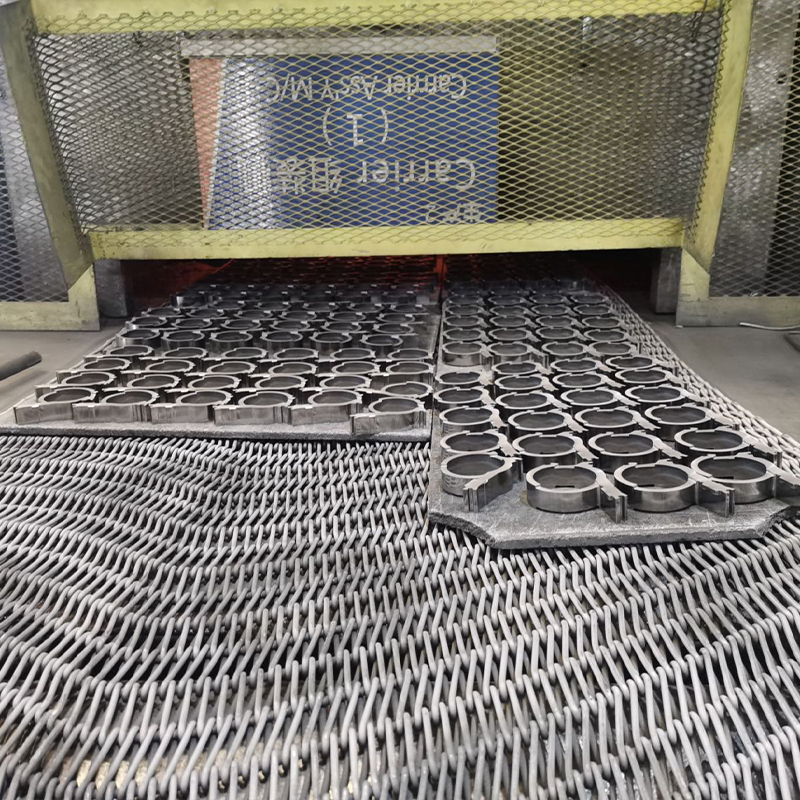
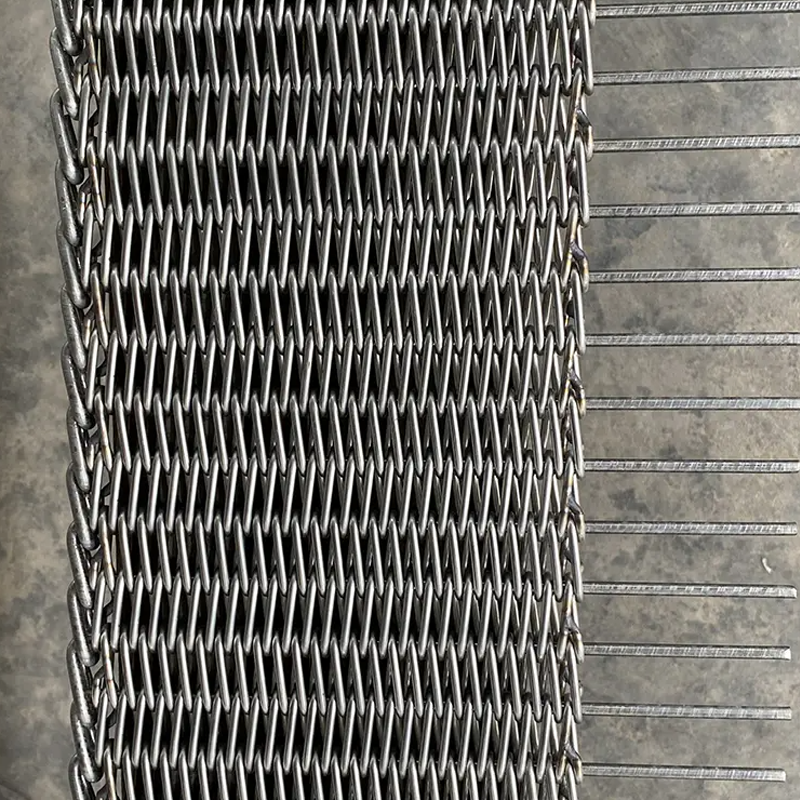
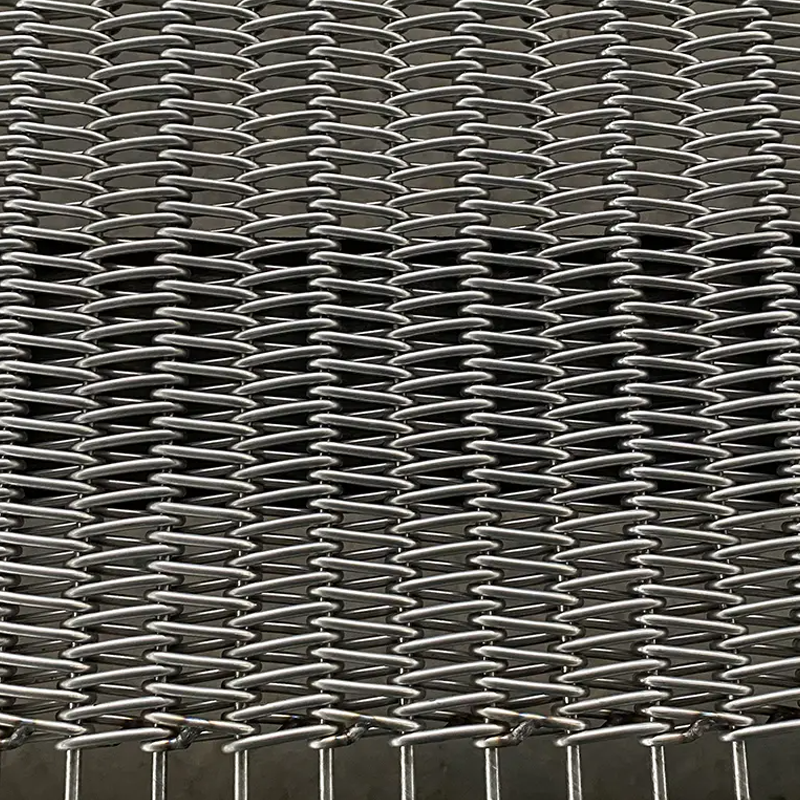
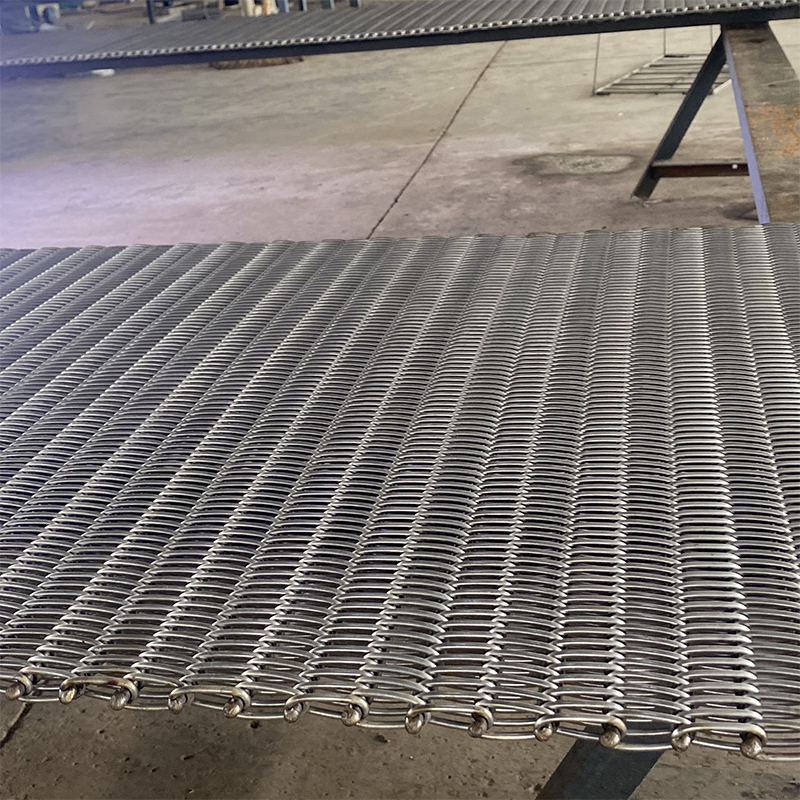
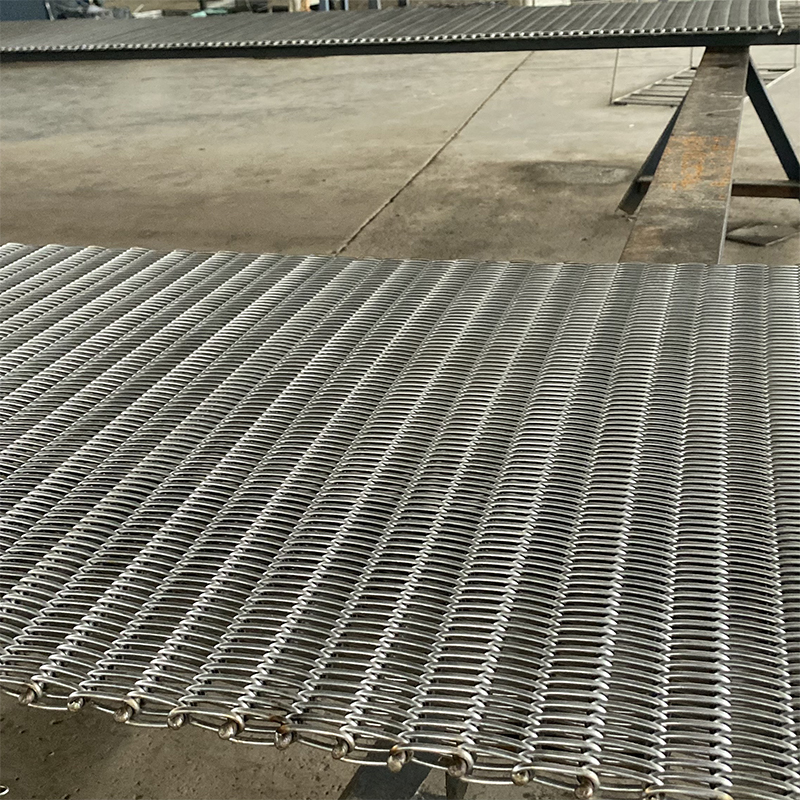
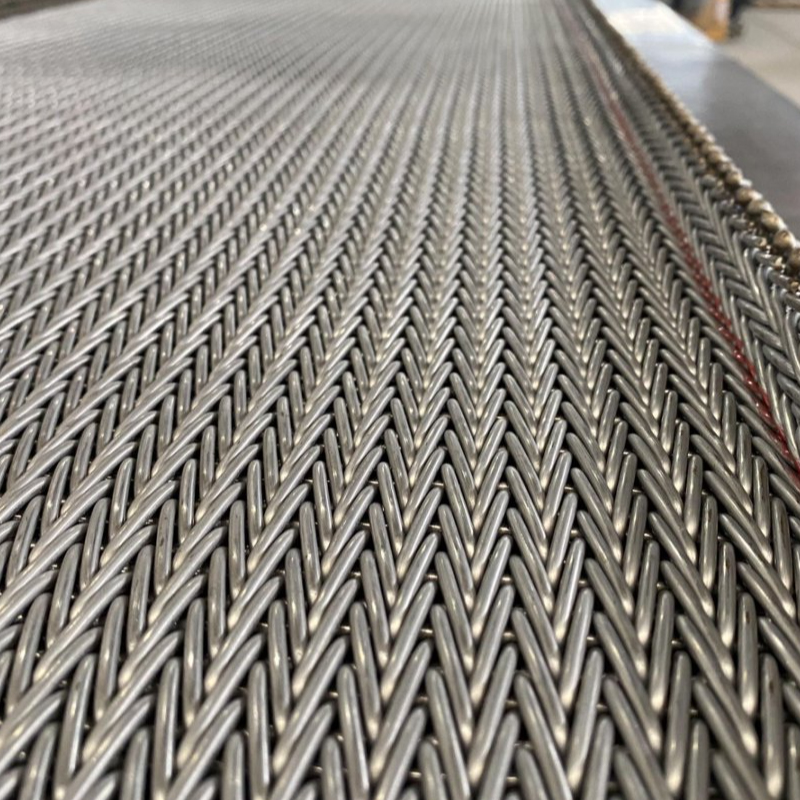
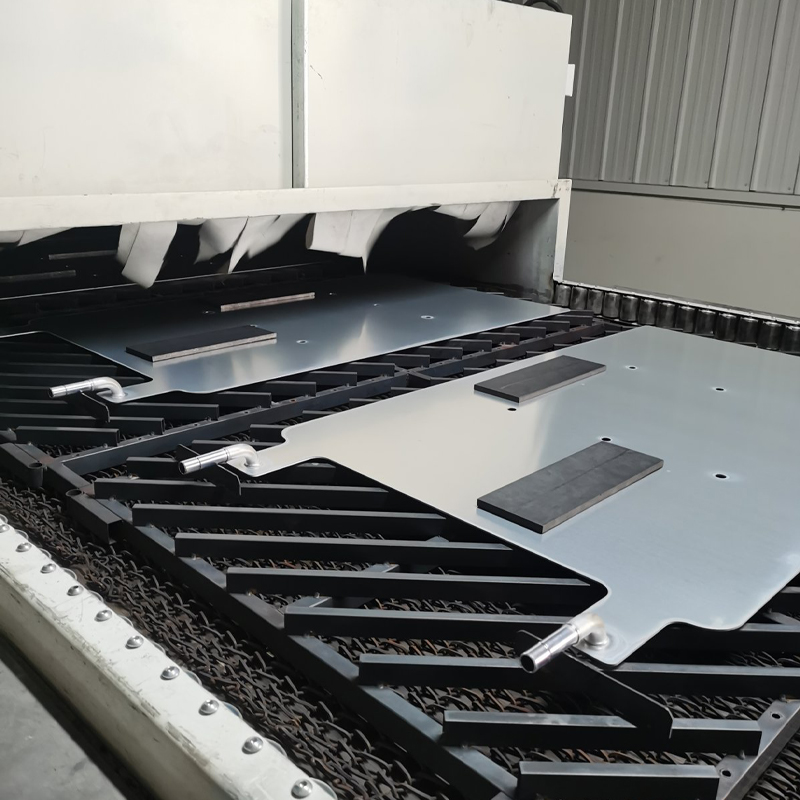
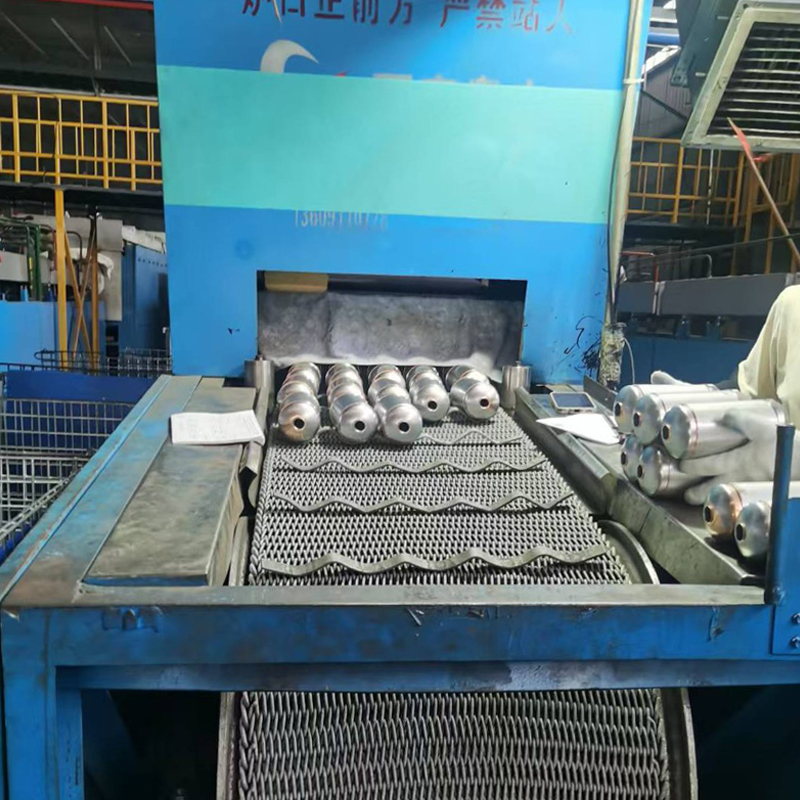
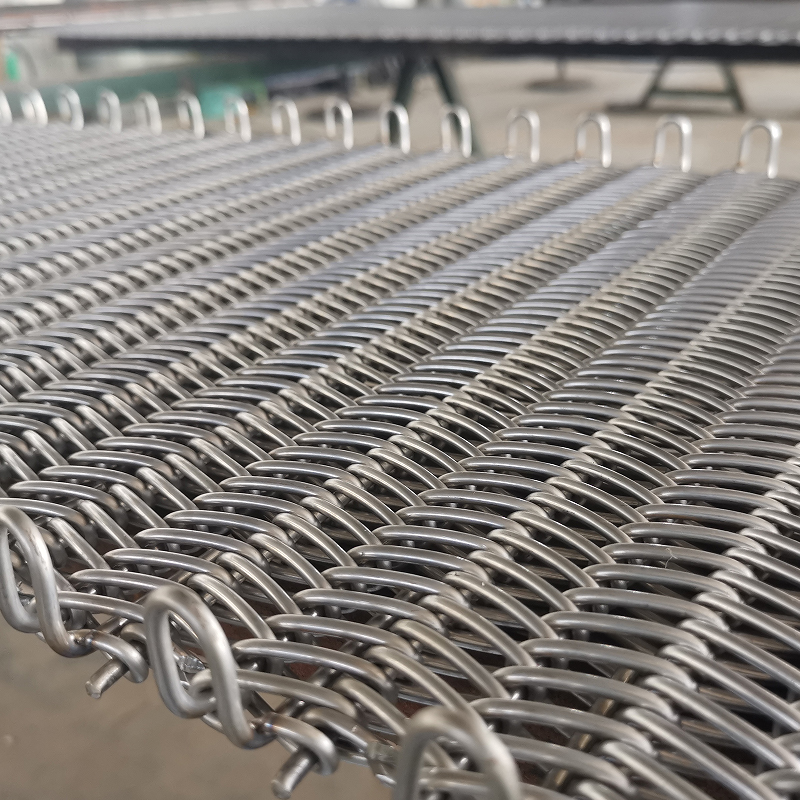
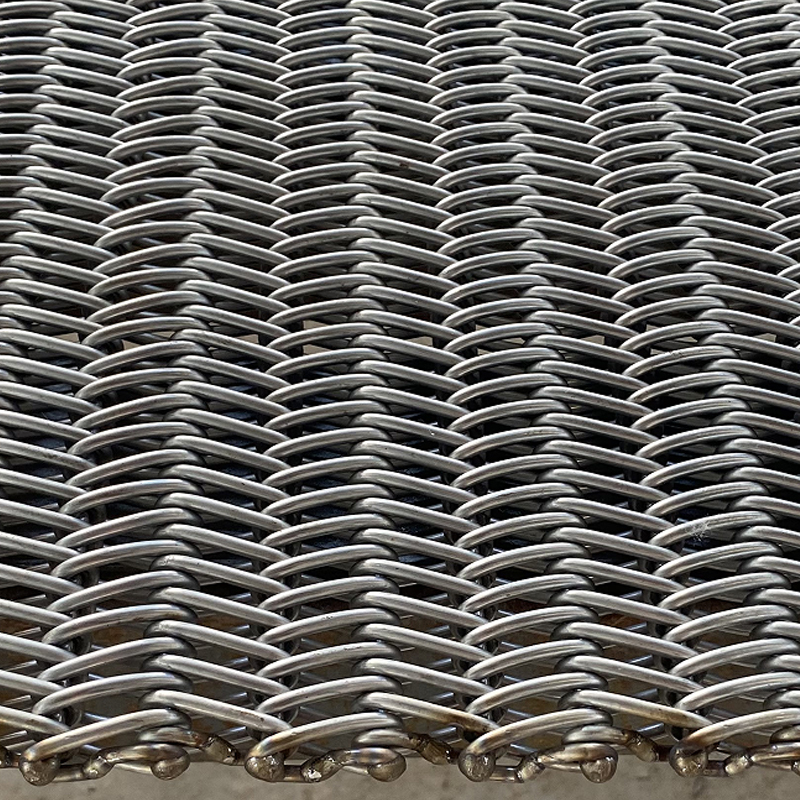
A technological innovation targeting core components in high-intensity conveying scenarios has drawn widespread attention within the industry. It officially released its original unidirectional looped edge mesh belt U-shaped reinforcement technology. This technology has successfully addressed the long-standing industry pain point that traditional ring-edge mesh belts tend to tear, wear out and even fail from the edge under wide, heavy and high-speed conveying conditions by redefining the structural strength of the mesh belt edge. It provides customers in fields such as food processing, battery electrode sheets and building materials with unprecedented durability and operational stability.
On modern continuous production lines, unidirectional mesh belts (also known as spiral mesh belts) are widely used due to their smooth conveying surface and good permeability. However, its edge structure - especially the ring edge responsible for transmission and load-bearing - has always been the weakest link in the overall structure. Under the combined effects of continuous tensile stress, friction with the track, and lateral compression during deviation, the edge steel wires are highly prone to breakage due to metal fatigue. Once this occurs, it often leads to the scrapping of the entire mesh belt and prolonged production line shutdowns, causing significant losses to the enterprise.
It is widely believed in the industry that the edge life determines the upper limit of the entire mesh belt's usage. The U-shaped reinforcement technology launched this time starts from this core logic, and its innovation is reflected in three dimensions:
I. Innovation in Structural Mechanics: From "Point Contact" to "Surface Support"
The traditional ring edge is a simple circle or square, with stress concentrated at a single contact point. The U-shaped reinforcement technology adopts a bionic "U" -shaped wrapping structure, transforming the original single force-bearing point into a load-bearing surface with a larger contact area. This structure can more effectively disperse the stress from the tensile force of the drive shaft and the friction of the track, significantly reducing the stress concentration coefficient and fundamentally suppressing the generation of fatigue cracks.
Ii. Material and Process Upgrade: Overall toughness and wear resistance are doubled
This technology is not merely a simple accessory welding process. Instead, during the manufacturing process, special high-carbon steel wire is used to create U-shaped edges through an integrated cold rolling forming process. This process enables the metal fiber flow lines to be maintained, avoiding the weakening of material properties by the heat-affected zone. Thus, while ensuring toughness, it endows the edges with hardness and wear resistance far beyond the conventional. The measured data shows that the wear resistance of the edge after U-shaped reinforcement has increased by more than 50%.
Iii. Full-chain Benefits: Exceeding the comprehensive value of the mesh belt itself
For end users, the direct value brought by this technology is a significant extension of the average service life of the mesh belt, as well as a reduction in the frequency of spare parts replacement and overall costs. The deeper value lies in that it greatly enhances the predictive maintenance capability and operational reliability of the production line, reduces the risk of unplanned downtime caused by sudden edge breakage, ensures the smooth progress of continuous production, and provides a solid guarantee for the stability of the enterprise's production capacity and quality.



 English