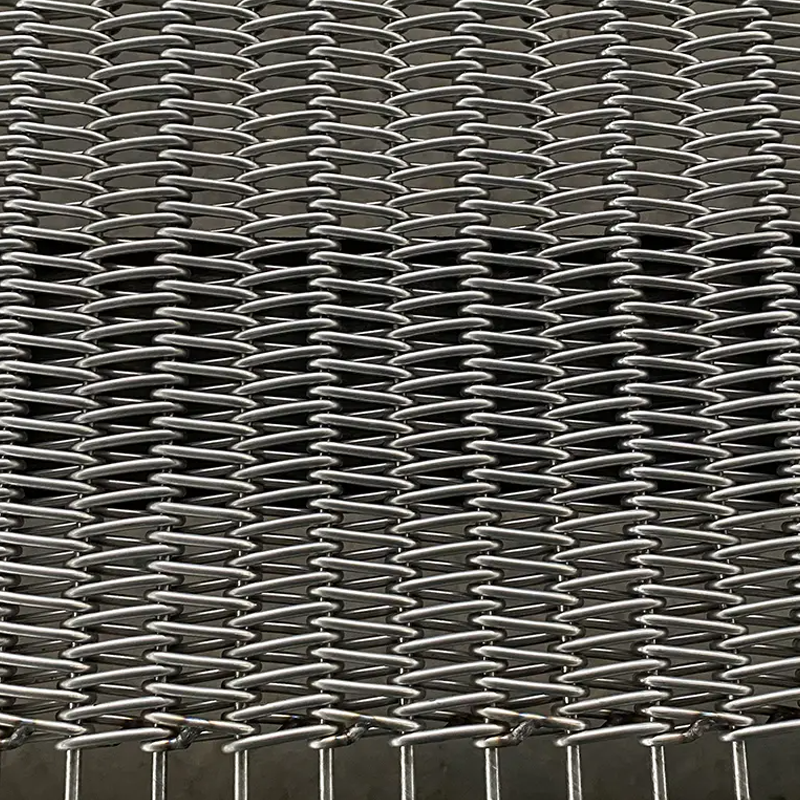
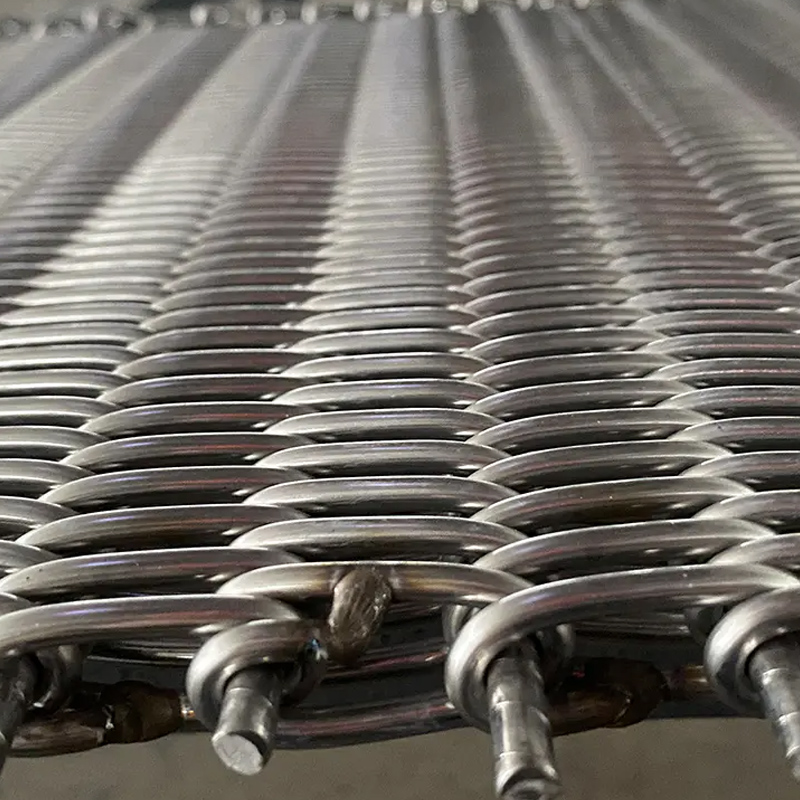
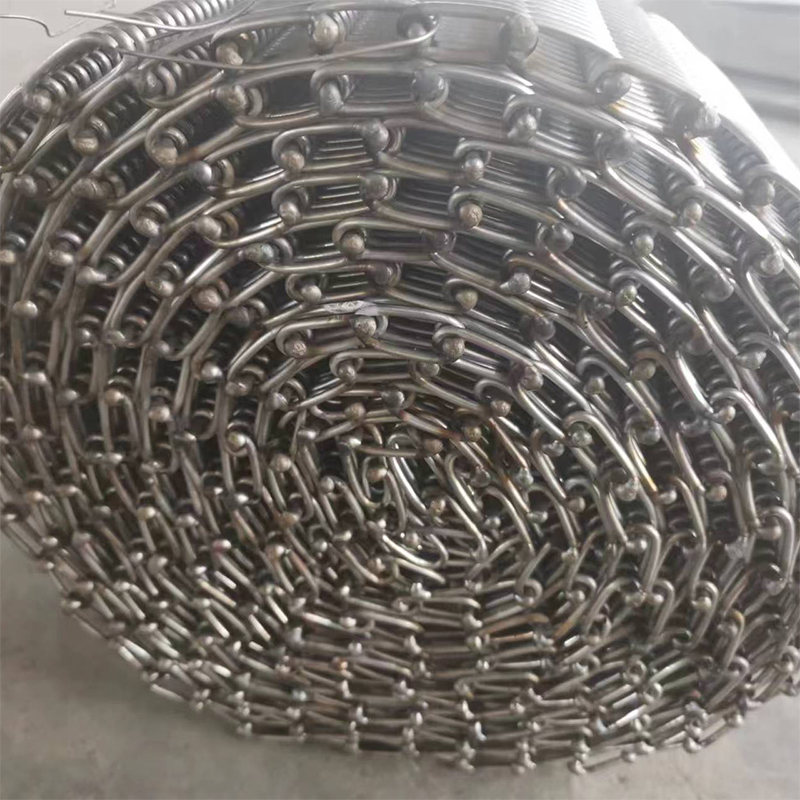
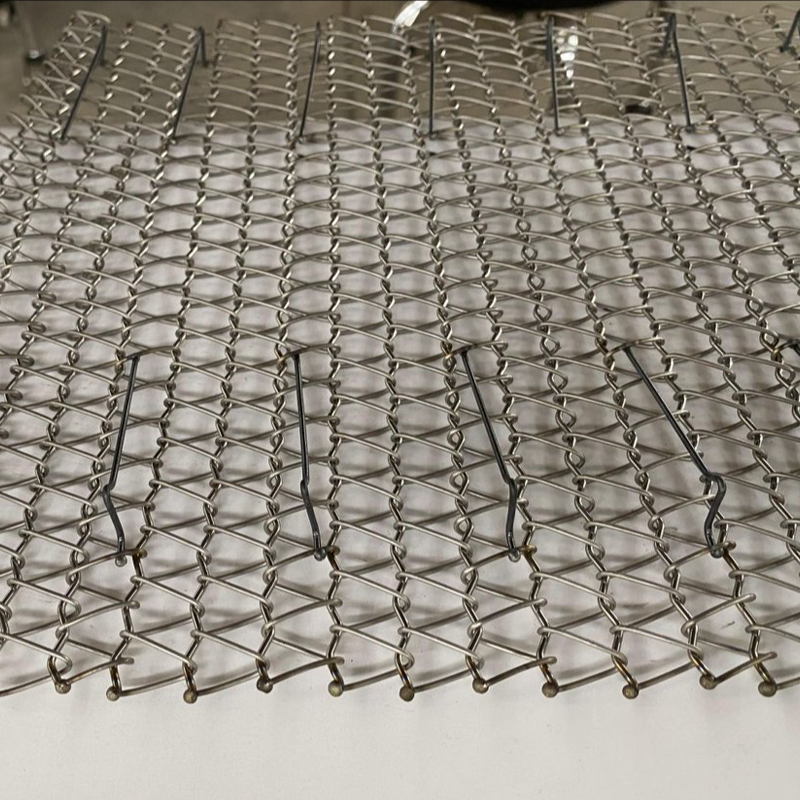
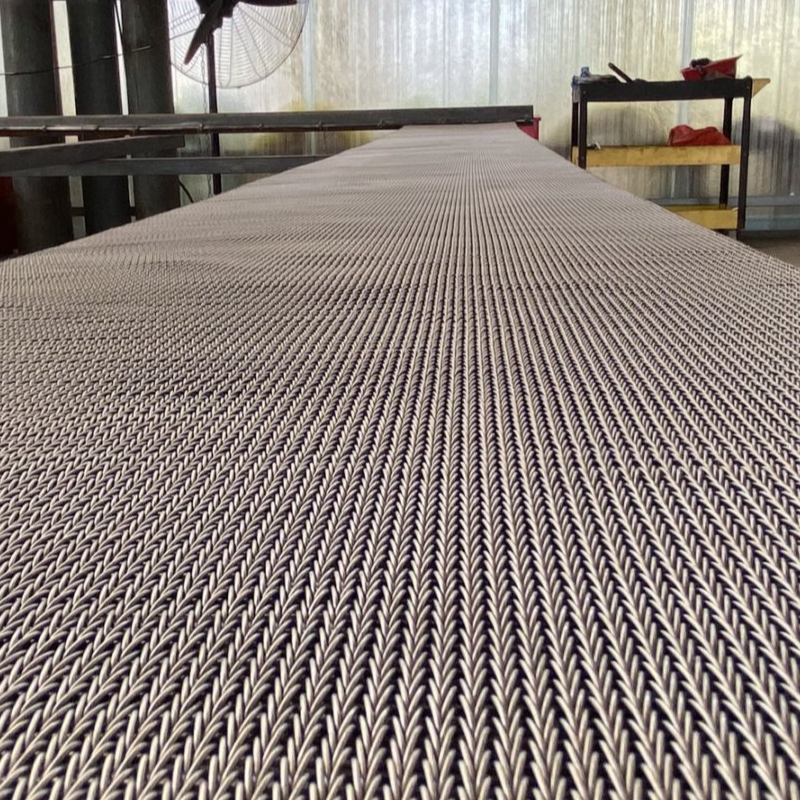
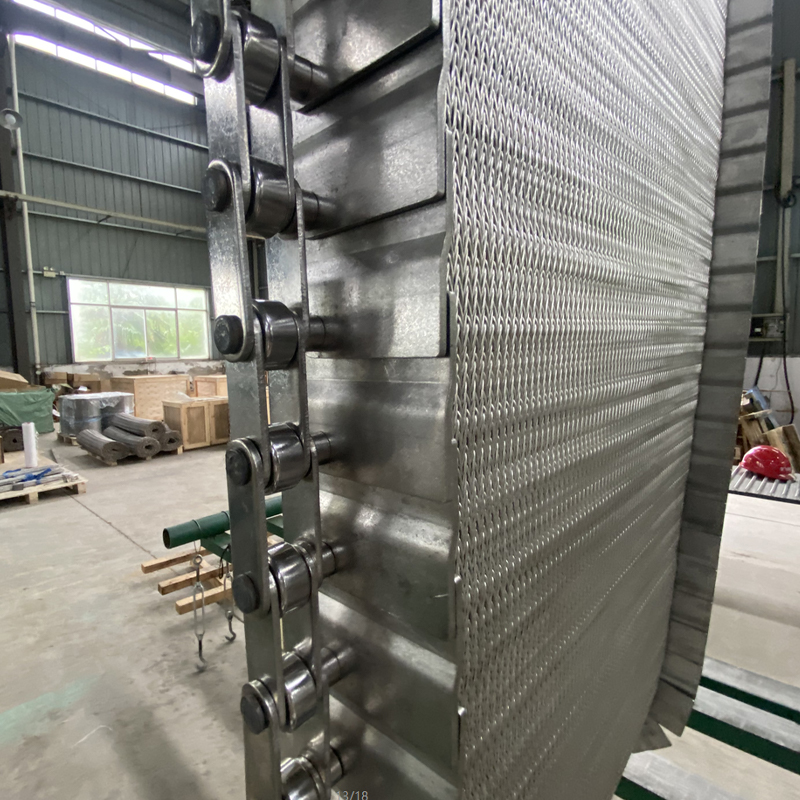
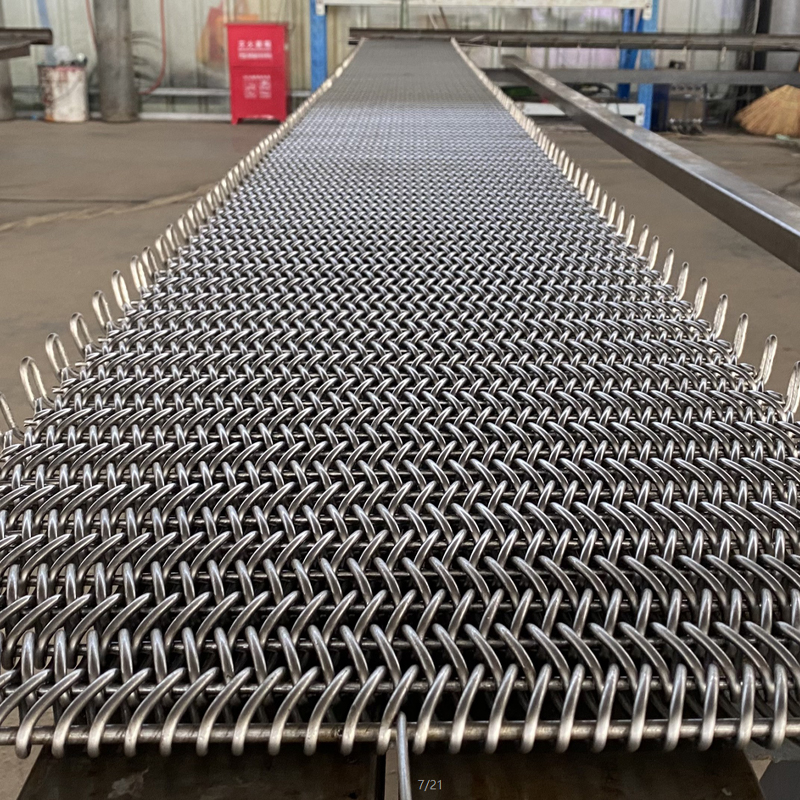
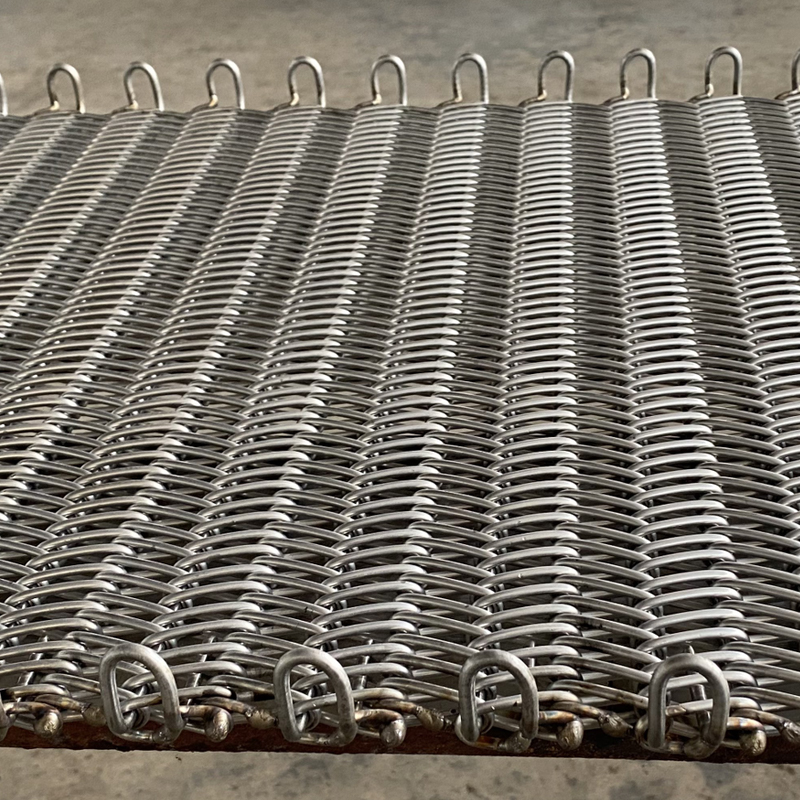
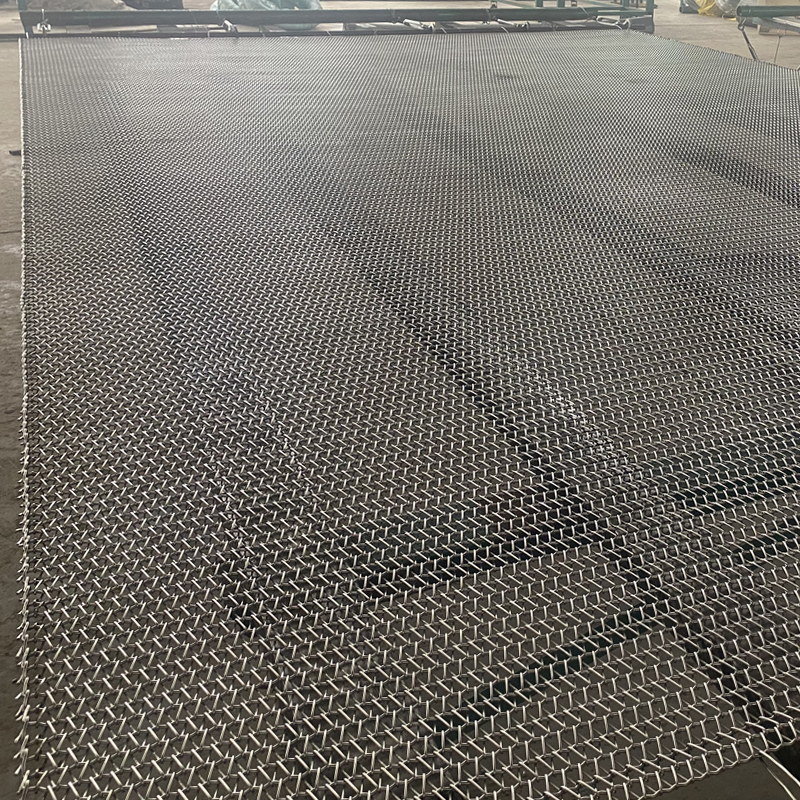
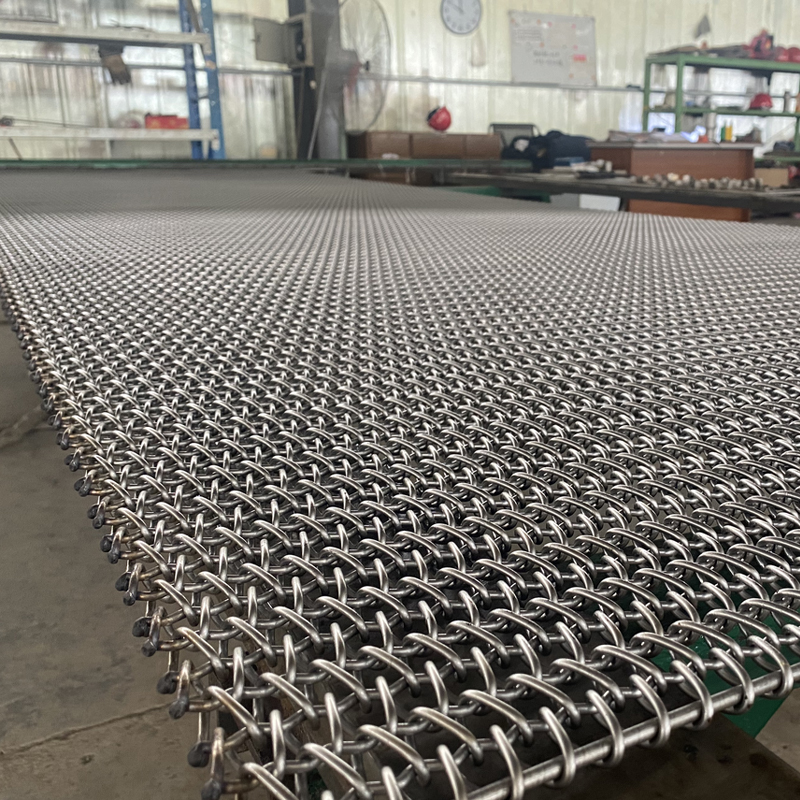
A major piece of news has come from the field of heat treatment fixtures: a special mesh belt for strong and tough heat treatment hoists. This product is regarded as a revolutionary solution to the long-standing industry pain points such as mesh belt deformation, blanking and breakage in vertical heat treatment furnaces (such as bainitic furnaces, carburizing lines, etc.). Its outstanding performance is expected to set a new benchmark for the heat treatment quality and production line safety of high-end basic parts such as bearings, gears and engine components.
In modern heat treatment production that pursues high efficiency, intelligence and zero defects, the hoist mesh belt, as the "artery" connecting different process links and achieving vertical transportation of workpieces, its reliability directly determines the operational efficiency and safety of the entire production line. However, traditional mesh belts, under the combined effect of temperatures close to a thousand degrees Celsius and continuous heavy loads, generally face two major challenges: one is the plastic elongation and deviation jamming of the mesh belt caused by high-temperature creep; The second is the fatigue fracture of the load-bearing ribs caused by dynamic impact and the resulting risk of the entire furnace of workpieces falling. These problems not only cause high unplanned downtime losses, but also pose a serious threat to the consistency of product quality.
Industry experts point out that the performance bottleneck of the hoist mesh belt has become a key factor restricting some enterprises from achieving fully automated heat treatment. It is precisely by directly addressing the weak point of this industry that its technological advancement is reflected in three aspects:
I. Material-level Innovation: Customized Alloys and Microstructure Control
This mesh belt adopts a specially designed low-deformation-rate heat-resistant alloy and, through precise microalloying technology, optimizes the composition of its precipitated phases at high temperatures. This enables the material to exhibit extremely high creep strength and fatigue resistance in a continuous high-temperature environment, ensuring the long-term stability of the mesh belt size from the source.
Ii. Structure-level Innovation: Bionic Mechanical Design and Overall Reinforcement
Breaking through the limitations of traditional weaving, it innovatively adopts a "box-shaped truss" bionic structure design. This structure imitates the load-bearing principle of large Bridges, optimizes the force path, and enables local loads to be rapidly dispersed throughout the entire mesh belt surface. Comparative tests show that its lateral rigidity and impact load resistance capacity have been increased by more than double, effectively preventing the "bending over" and breakage of the load-bearing ribs.
Iii. Application-level Value: Security Assurance and Intelligent Empowerment
In addition to the core strength and toughness, the anti-slip design on the surface of the mesh belt has also been scientifically optimized, significantly reducing the risk of precision parts slipping during the lifting process. More importantly, its extremely long stable service life provides a solid foundation for predictive maintenance and intelligent management on production lines, reducing manual intervention and making it possible to build "dark factories".



 English