

 English
 русский
 عربى
عربىStandard parts quenching furnace mesh belt
Cat:Quenching Furnace Mesh Belt
The standard parts quenching furnace mesh belt is a heat-resistant conveyor component specifically designed to provide stable transport for metal stan...
See Details +86 13852191798
Yangzhou Yafei Machinery Manufacturing Co., Ltd.

It has grandly released its new generation of high-toughness quenching furnace mesh belts specially designed for demanding quenching processes. This product is directly confronted with the extreme working conditions of "high-temperature entry into the furnace and rapid cooling" in the quenching furnace. Through dual innovations in materials and structure, it significantly enhances the fatigue resistance and dimensional stability of the mesh belt in thermal shock environments, providing a more reliable and durable conveying solution for high-end manufacturing industries such as tool manufacturing, automotive parts, and aerospace.
Quenching is a key step in endowing metal parts with excellent mechanical properties, but the process is a severe test for the mesh belt that supports the parts. The mesh belt not only needs to maintain its strength in the high-temperature furnace chamber at 800-1000°C, but also has to frequently and rapidly enter the cooling medium (such as oil, water, and polymer solution) to withstand severe thermal shock. This kind of cold and hot cycle is highly likely to cause the traditional mesh belt to become brittle, crack and deform at an accelerated rate, thereby affecting the uniform cooling of the workpiece and even causing production interruption due to the failure of the mesh belt.
To break through this industry bottleneck, the specially developed mesh belt for quenching furnaces has achieved a leap in key performance:
Extraordinary thermal shock toughness: The core lies in the use of specially formulated austenitic-stabilized alloy materials. This material can effectively inhibit the formation of harmful phases when subjected to repeated rapid heating and cooling, maintaining excellent toughness and ductility, and fundamentally avoiding micro-cracks and early fractures caused by thermal stress concentration.
Ultimate dimensional stability: The spiral ring design of the mesh belt and the fit accuracy of the string rods have been optimized, and a unique wavy reinforcing rib structure has been adopted. This design endows the mesh belt with stronger anti-twisting and anti-stretching capabilities, ensuring that no obvious plastic deformation or "elongation" occurs during high-speed operation and sudden cooling, and guaranteeing the precise positioning of workpiece transportation.
Outstanding corrosion and wear resistance: For a variety of cooling media, a dense and stable chromium oxide protective film can form on the surface of the mesh belt, effectively resisting corrosion from water vapor, oil-quenched flue gas and certain polymers. Meanwhile, the key contact points have undergone special hardening treatment, with wear resistance enhanced by more than 40%, significantly extending the service life in abrasive (abrasive) environments.
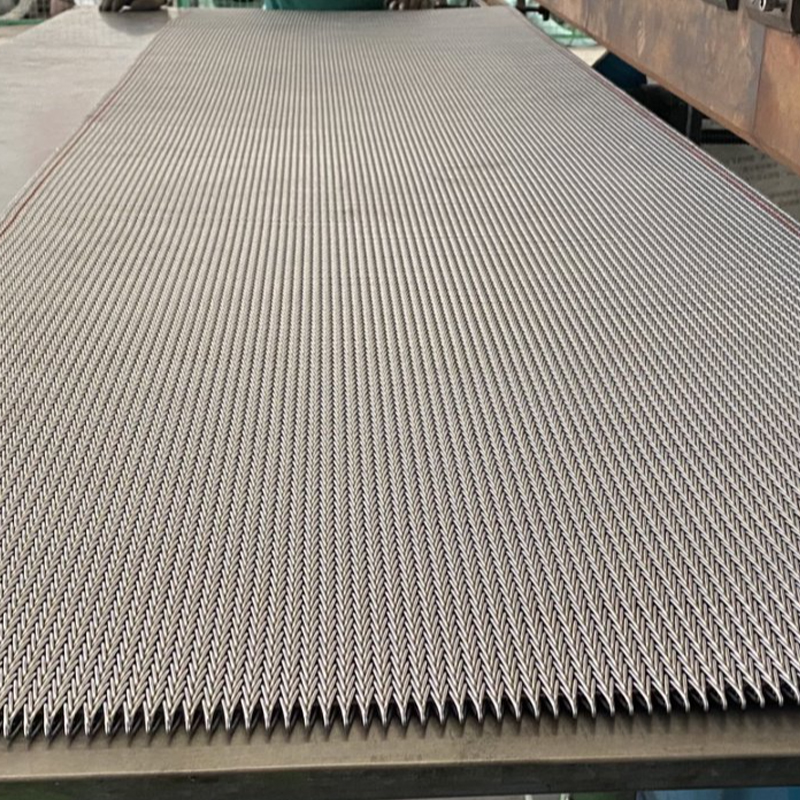
The standard parts quenching furnace mesh belt is a heat-resistant conveyor component specifically designed to provide stable transport for metal stan...
See Details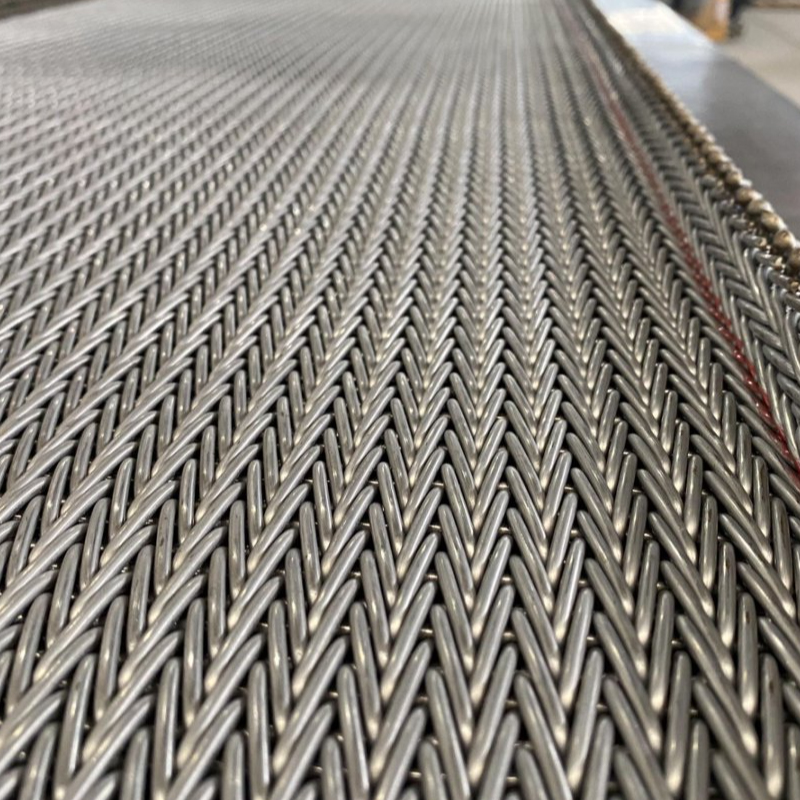
The fastener quenching furnace mesh belt is a type of heat-resistant conveyor designed specifically to provide stable transport for various metal fast...
See Details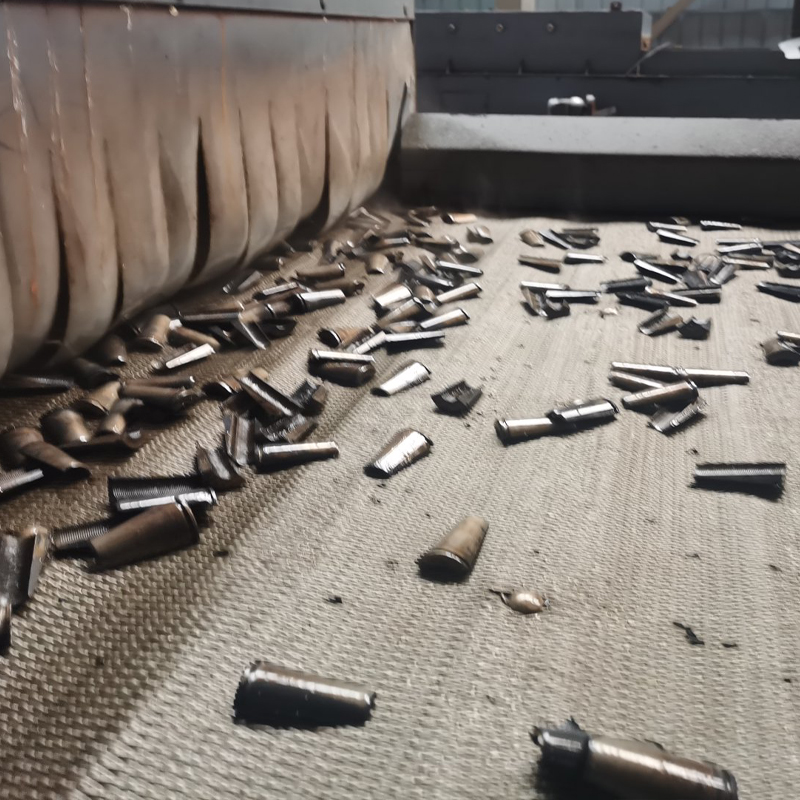
The automotive and motorcycle parts blackening furnace mesh belt is designed for the demanding environment of conveying equipment during the surface b...
See Details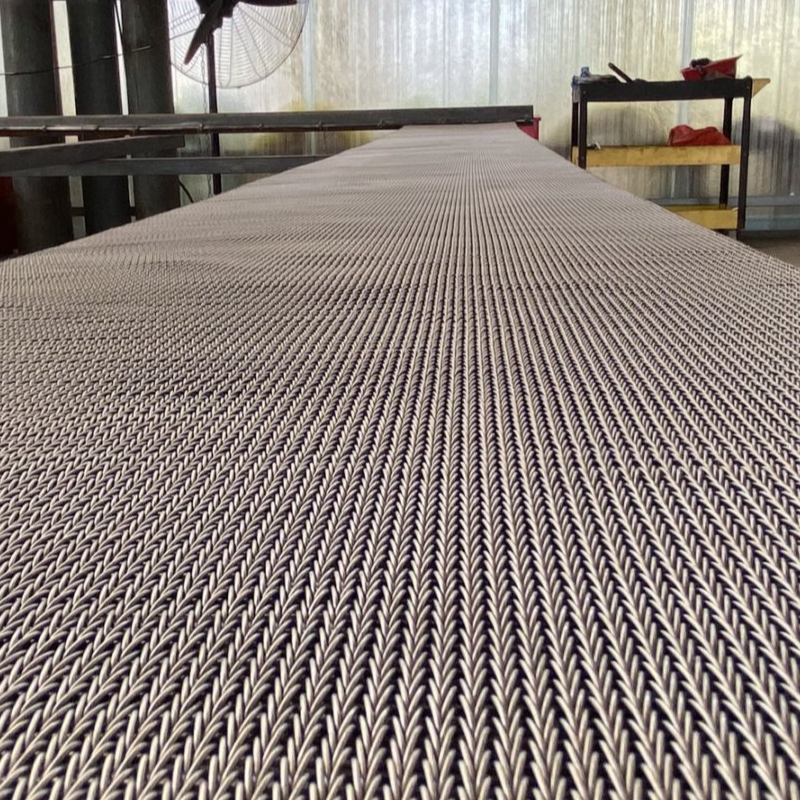
The spring quenching furnace mesh belt is a specialized heat-resistant conveyor designed to provide stable and reliable transport for metal springs du...
See Details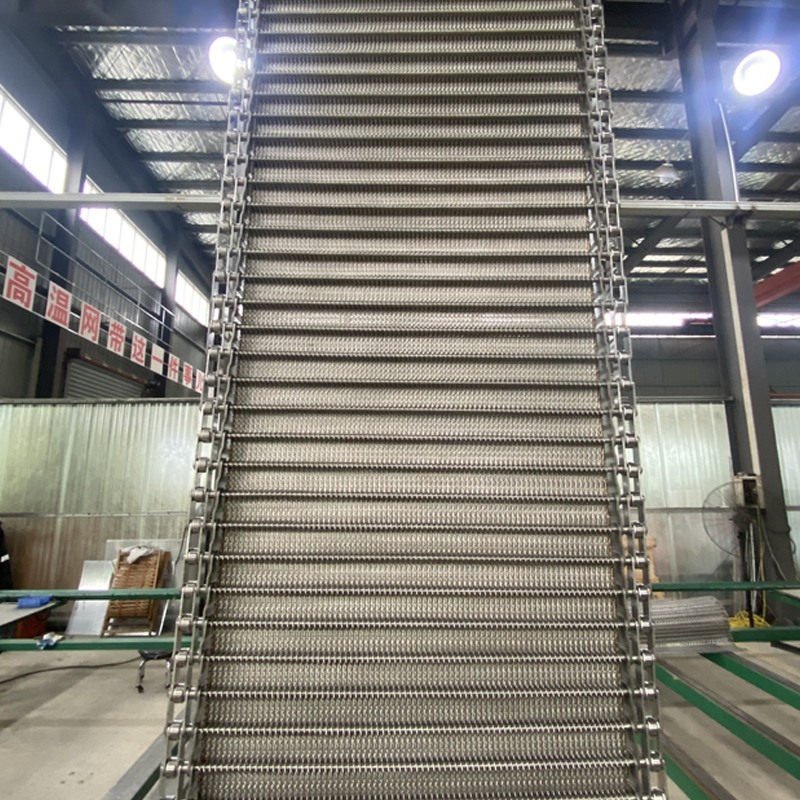
The hardware and power tool blackening furnace mesh belt is designed for high-frequency machining and continuous heat treatment scenarios. Its key foc...
See Details
The bearing quenching furnace mesh belt is a high-performance heat-resistant conveyor specifically designed for the stable transport of various types ...
See DetailsThe long-standing problem of "deviation" and "serpentine" movement of mesh belts in industries such ...
READ MOREInnovatively launched its new generation of high-performance quick-freezing mesh belts. This product...
READ MOREA major piece of news has come from the field of heat treatment fixtures: a special mesh belt for st...
READ MOREA technological innovation targeting core components in high-intensity conveying scenarios has drawn...
READ MOREA revolutionary new generation of high-performance sintering furnace mesh belt. This product adopts ...
READ MORECore Technical Directive: Achieving peak operational efficiency and extended service life in a bra...
READ MOREGet A Free Consultation Now
Get A Customized Solution
The company adheres to the concept of creating value for customers and prosperity for society, aiming to build a reliable mesh belt brand and establish the century-old Yafei brand.
CONTACT INFORMATION

Yiling Industrial Park, Jiangdu District, Yangzhou City, Jiangsu Province, China

+86 13852191798
PRODUCT CATEGORIES
QUICK LINKS
MOBILE
 Custom Industrial Mesh Belt Manufacturers
